Is Dry Pasta Heavier Than Cooked Pasta Explained Simply

No. Cooked pasta is usually heavier because it absorbs water while boiling. Dry pasta only becomes heavier after cooking.
Dry pasta is lighter than cooked pasta. Once you boil it, it absorbs water and gains weight, sometimes a lot.
- Dry vs cooked: Cooked pasta usually weighs more than dry pasta.
- Main reason: Pasta absorbs water as it boils.
- Best measuring method: Weigh dry pasta for the most accurate portions.
- Volume trap: One cup dry pasta is not one cup cooked pasta.
- Consistency tip: Drain pasta the same way each time before weighing.
Is Dry Pasta Heavier Than Cooked Pasta? The Short Answer
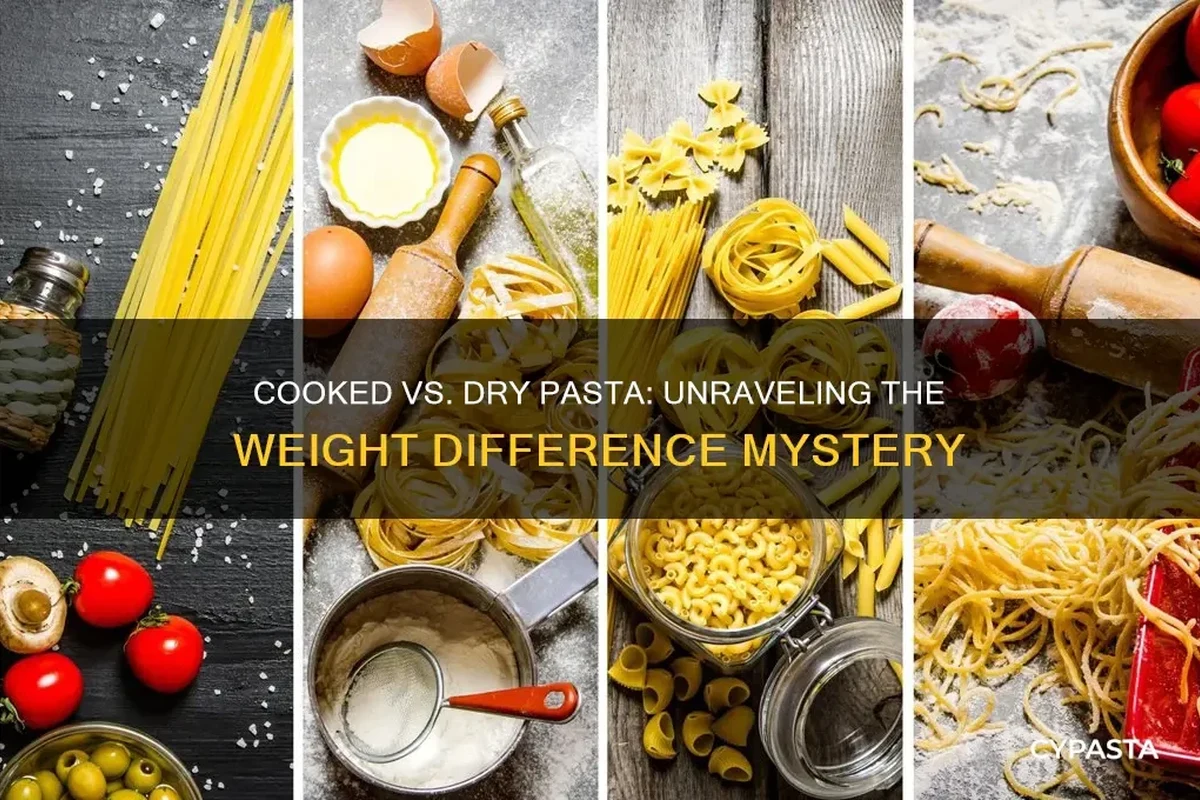
No, dry pasta is not heavier than cooked pasta. Cooked pasta usually weighs more because it takes in water during boiling.
If you measure the same amount of pasta before and after cooking, the cooked version will almost always be heavier. The exact change depends on shape, brand, and how long you cook it.
What changes when pasta cooks
Dry pasta starts out firm and low in moisture. Heat softens the starch and lets water move into the pasta.
That water changes both the texture and the weight. So the pasta gets bigger, softer, and heavier at the same time.
Why the weight goes up after boiling
Pasta acts a bit like a sponge. As it cooks, it pulls in water through tiny spaces in the dough.
The longer it stays in hot water, the more water it can hold. That is why overcooked pasta often feels heavier and softer.
Weight gain varies by pasta type, cooking time, and how well you drain it. Wet pasta on the surface can also add a little extra weight.
How Pasta Absorbs Water During Cooking
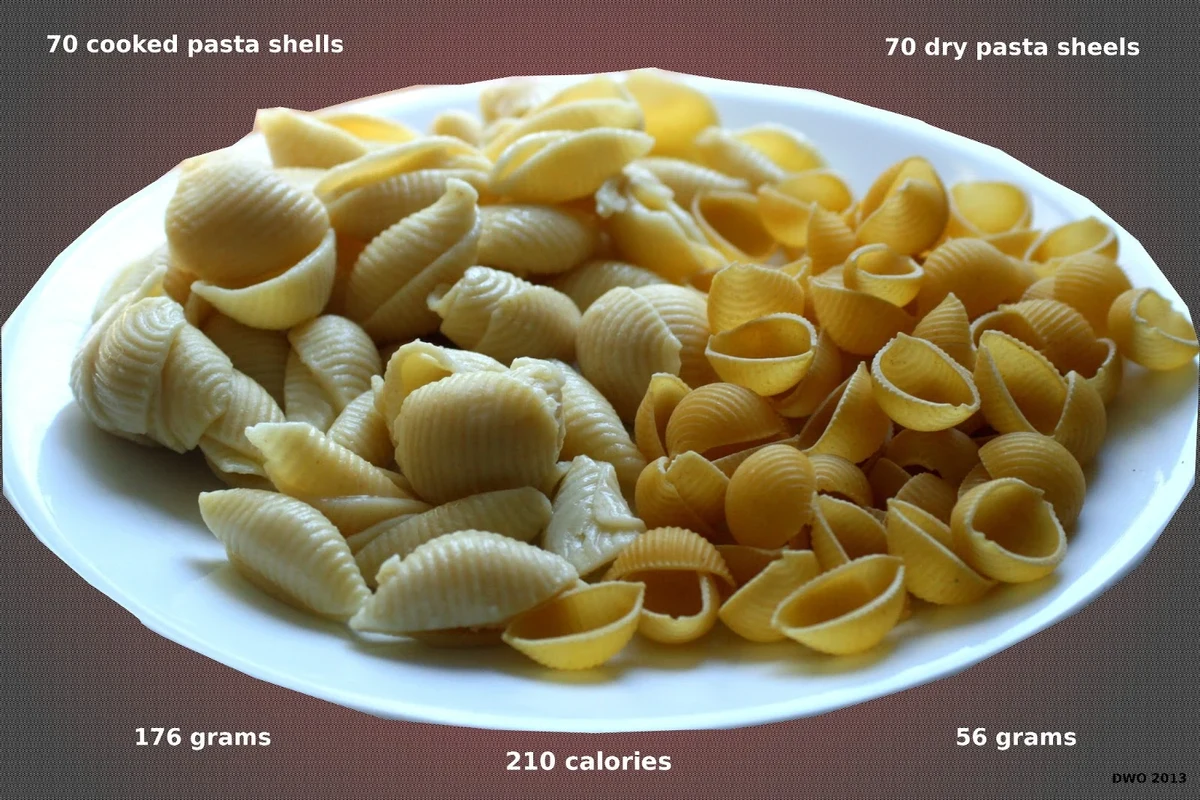
Water absorption is the main reason cooked pasta weighs more. Heat opens up the pasta structure and lets moisture move inside.
The role of starch and heat
Pasta contains starch and protein. When heat hits the noodles, the starch softens and swells.
This change helps the pasta become tender. It also creates space for water to enter and stay inside the pasta.
How much water different pasta shapes can hold
Thick shapes usually hold more water than thin ones. Think of rigatoni, penne, and shells compared with angel hair or thin spaghetti.
Small shapes can still gain a lot of weight. But large or hollow shapes often hold more water in their centers and ridges.
Why timing changes the final weight
Cooking time changes how much water pasta absorbs. Shorter cooking times usually mean less water in the pasta.
Longer cooking times can make pasta heavier, softer, and more swollen. Past the ideal point, it may also turn mushy.
Freshly drained pasta can keep changing a little for a minute or two as surface water runs off.
Dry Pasta vs Cooked Pasta: A Simple Weight Comparison
The easiest way to think about it is this. Dry pasta is the starting weight, and cooked pasta is the heavier result.
Many home cooks get tripped up because pasta expands so much. A small amount dry can look like a big bowl cooked.
Common weight changes by serving size
Exact numbers vary, but the pattern stays the same. A dry serving often turns into a much larger cooked serving.
That is why recipe labels and package directions often list both dry and cooked amounts. They are not interchangeable.
| Option | Best For | Key Consideration |
|---|---|---|
| Dry pasta | Planning portions | Best for measuring before cooking |
| Cooked pasta | Serving meals | Weight depends on water absorbed |
Why one cup dry pasta is not the same as one cup cooked
Volume changes a lot after cooking. One cup dry pasta may become several cups cooked.
That means a cup measure can mislead you if you switch between dry and cooked pasta. Weight is the safer way to compare them.
When pasta can seem heavier or lighter than expected
Pasta can seem heavier if it is not drained well. Water clinging to the noodles adds extra weight.
It can seem lighter if it dries out after sitting. Steam escapes, and the pasta loses some surface moisture.
What Affects the Final Weight of Pasta
Several things change how much cooked pasta weighs. Some are easy to control, and some depend on the pasta itself.
Pasta shape and thickness
Thicker pasta usually absorbs more water. Hollow shapes can trap water inside, too.
Thin pasta often cooks faster and may hold less water by weight. But it still gains enough moisture to become heavier than dry pasta.
Cooking time and water level
More cooking time usually means more water absorption. A pot with plenty of water also helps pasta cook evenly.
If the water level is too low, pasta may stick together or cook unevenly. That can affect texture and final weight.
Fresh pasta vs dry pasta
Fresh pasta starts with more moisture than dry pasta. So its dry and cooked weight pattern is different.
Dry pasta usually shows the biggest jump in weight after boiling. Fresh pasta still changes, but the shift may be smaller.
Salt, oil, and sauce effects
Salt changes the water, not the pasta weight in a big way. It helps flavor the noodles but does not make them much heavier.
Oil can coat the pasta and make it feel slick. Sauce adds a lot more weight than salt or oil ever will.
If you want the cleanest weight check, drain pasta well and let it sit for a minute before weighing.
How to Measure Pasta Correctly for Recipes
Good pasta results start with good measuring. If you want repeatable results, use the same method each time.
Measuring by weight instead of volume
Weight gives you the most accurate pasta portion. A kitchen scale is better than guessing by cups.
That matters most for recipes where the pasta-to-sauce balance is important. It also helps when you cook for more than one person.
How to estimate portions for one, two, or a family meal
Start with the recipe or package guide. Then adjust for big appetites, side dishes, or extra sauce.
For a family meal, it helps to portion dry pasta first. That keeps servings more even than scooping from a cooked pot.
When to weigh pasta before cooking
Weigh pasta before cooking when you want accurate portions. This is the best choice for meal prep and recipe planning.
It also helps when you track food amounts closely. Dry weight is easier to repeat from one meal to the next.
When to weigh pasta after cooking
Weigh cooked pasta when you need the final serving amount. This works well for plated meals and leftovers.
Just remember that cooked weight changes with water content. Drain the pasta in the same way each time for better consistency.
- Use a scale for the most accurate portioning
- Check package directions for dry and cooked serving sizes
- Drain pasta the same way each time
- Match your method to the recipe goal
Common Mistakes People Make With Pasta Weight
Most pasta mistakes come from mixing up dry and cooked amounts. A few simple habits can prevent that.
Confusing dry and cooked serving sizes
This is the most common problem. A recipe may call for dry pasta, but the cook measures cooked pasta instead.
That can throw off the sauce ratio and the final texture. The dish may end up too dry or too heavy.
Using the wrong measuring cup method
Cups work poorly for pasta because shapes pack differently. Long noodles, small shapes, and broken pieces all fill a cup in different ways.
Weight avoids that guesswork. If you must use cups, follow the same packing style every time.
Overcooking and waterlogging pasta
Overcooked pasta keeps taking in water. It can become soft, heavy, and a little sticky.
That extra water changes the weight and the bite. It also makes the pasta less pleasant to serve.
Skipping label and recipe checks
Package labels often give helpful portion guidance. Recipe notes may also explain whether to use dry or cooked pasta.
It takes only a moment to check. That small habit can save a lot of guesswork later.
Hot water and steam can burn. Use care when draining pasta, and keep handles turned inward on the stove.
Practical Tips, Safety, and Storage for Better Results
Good pasta habits are simple. They help with weight, texture, and cleanup.
Safe boiling and draining basics
Use a large pot so the water does not boil over. Keep children away from the stove while the pasta cooks.
Drain slowly and use a colander that sits steady in the sink. Steam can rise fast, so keep your face back.
Follow the appliance manual and stop using damaged equipment.
How to store dry pasta properly
Store dry pasta in a cool, dry place. Keep it sealed so it stays fresh and free from pests.
A pantry shelf or closed container usually works well. Avoid damp spots near the stove or sink.
How to store cooked pasta without spoilage
Cool cooked pasta soon after serving. Then place it in a covered container and refrigerate it.
Do not leave cooked pasta out for too long. Follow basic food-safety guidance and use your best judgment if it smells or looks off.
Simple cleanup and pot care after cooking
Let the pot cool before washing it. This protects your hands and helps prevent warping on some cookware.
Rinse starch from the pot and colander soon after use. That makes cleanup much easier.
Drain pasta, rinse cookware, and wipe away starch residue.
Check strainers, lids, and handles for wear or looseness.
Final Verdict: Which Pasta Weight Should You Trust?
For most home cooks, cooked pasta weighs more than dry pasta. That is the simple answer, and it holds true in everyday cooking.
Best choice for home cooks
Use dry weight when you plan portions before cooking. It gives you the most control and the most repeatable results.
When dry weight matters most
Dry weight matters most for recipes, meal prep, and shopping. It also helps when you want to scale a dish up or down.
When cooked weight matters most
Cooked weight matters when you serve food or portion leftovers. It shows the amount that actually ends up on the plate.
Clear takeaway for everyday cooking
If you are asking whether dry pasta is heavier than cooked pasta, the answer is no. Cooked pasta is usually heavier because it absorbs water.
For the best results, trust dry weight for planning and cooked weight for serving. That simple habit makes pasta easier to cook, measure, and enjoy.
- Cooked pasta usually weighs more than dry pasta.
- Water absorption is the main reason for the weight gain.
- Weight is more reliable than cups for portioning pasta.
- Drain well and measure the same way each time.
Frequently Asked Questions
No. Cooked pasta usually weighs more because it absorbs water while boiling. Dry pasta only becomes heavier after cooking.
Heat softens the starch in pasta and lets water move into the noodles. That added water makes the pasta heavier and softer.
Measure dry pasta before cooking if you want the most accurate portion. Measure cooked pasta only when you need the final serving amount.
Dry pasta expands a lot during cooking, so the volume changes fast. One cup dry can become several cups cooked.
Yes. Thick or hollow shapes often hold more water than thin shapes, so they can weigh more after cooking.
Use a kitchen scale, follow the same draining method, and check the package directions. That helps you get repeatable results every time.