Is French Press Coffee Bad for You Health Facts Explained

French press coffee is not bad for most healthy adults. The main concerns are caffeine strength and the extra coffee oils that stay in the cup.
French press coffee is not bad for most people. The main concerns are caffeine, coffee oils, and how much you drink. If you like the taste and your body handles coffee well, French press can fit a healthy routine.
- Main answer: French press is fine for most people in moderation.
- Biggest concern: Unfiltered coffee oils may matter for cholesterol.
- Best brew tip: Use a coarse grind and avoid oversteeping.
- Health watchout: Caffeine can affect sleep, anxiety, and jitters.
Is French Press Coffee Bad for You? The Short Answer

The short answer is no, not for most healthy adults. French press coffee can be part of a normal diet. The bigger issue is how strong you brew it and how many cups you drink.
French press coffee does have more natural coffee oils than paper-filtered coffee. Those oils include compounds that may raise cholesterol in some people. That does not make French press unsafe for everyone. It just means some drinkers should be careful.
- French press coffee is fine for many people.
- It can be richer in coffee oils and caffeine.
- Some people may need to limit it.
What the latest health evidence says
Health guidance in 2026 still points to moderation. Coffee itself has not been shown to harm most adults when they keep caffeine in a reasonable range. In fact, coffee can offer antioxidants and a mental boost.
The main health concern with French press is that it is unfiltered. That means more cafestol and related diterpenes stay in the cup. These compounds can affect blood lipids in some people, especially with regular high intake.
Health effects can vary by age, medication use, pregnancy, sleep habits, and personal sensitivity to caffeine.
Who may want to limit French press coffee
Some people should drink French press less often or choose a different brew method. That includes people with high LDL cholesterol, caffeine sensitivity, anxiety, reflux, or poor sleep.
Pregnant people may also need to watch total caffeine more closely. If you take meds that react with caffeine, ask a health professional for advice. When in doubt, it helps to track how you feel after each cup.
If coffee gives you chest pain, strong palpitations, or severe anxiety, stop drinking it and seek medical advice.
How French Press Coffee Works and Why It Matters

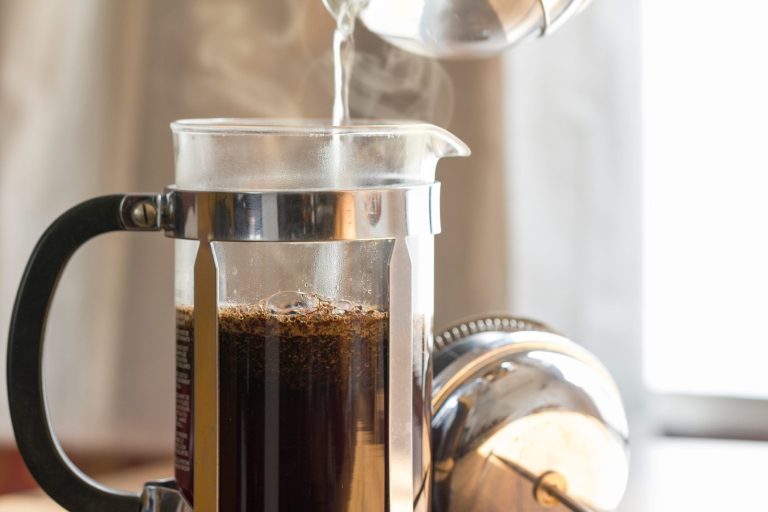
French press coffee steeps ground coffee in hot water, then uses a metal mesh filter. That simple setup changes both taste and what ends up in your cup. It is one reason many coffee fans love it.
Why the metal filter changes the brew
A metal filter lets more fine particles and coffee oils pass through. Paper filters catch more of those oils and much of the sediment. That gives French press coffee a fuller body and a heavier mouthfeel.
For health, that filter difference matters because it changes what compounds you drink. For taste, it gives a bold cup that many people find smoother and richer than drip coffee.
Paper filters can remove more coffee oils, which may lower cafestol in the cup.
How brew time affects taste and compounds
French press coffee usually steeps for several minutes. Longer steeping pulls more flavor from the grounds. It can also pull more bitter notes if you leave it too long.
Shorter steeping can taste lighter and less harsh. The sweet spot depends on the beans, grind, and your taste. Small changes can make a big difference.
Health Facts: Benefits and Risks of French Press Coffee
French press coffee has both upsides and downsides. The good news is that most of the concerns are about dose, not the brewer itself. That means you often have control over the result.
Antioxidants, focus, and energy support
Coffee contains antioxidants that may help protect cells from damage. It also gives you caffeine, which can help you feel more alert. That is why many people reach for a cup in the morning.
French press can deliver those benefits in a strong, satisfying brew. If you need a gentle wake-up, though, a smaller cup may work better. More coffee is not always better.
- Rich flavor with strong aroma
- Useful caffeine boost for focus
- Simple brewing with no paper filters
Cafestol and diterpenes in unfiltered coffee
French press coffee keeps more natural coffee oils in the drink. Those oils include cafestol and kahweol, which are called diterpenes. These compounds are the main reason unfiltered coffee gets attention in heart health talks.
For many people, this is not a big issue. But if you already have cholesterol concerns, your doctor may suggest paper-filtered coffee more often. That is a smart trade-off to consider.
Caffeine load and sleep or anxiety concerns
French press coffee can be strong, especially if you use a heavy scoop. Caffeine can help you focus, but it can also make you jittery. It may also affect sleep if you drink it late in the day.
If you feel shaky, wired, or restless after coffee, your cup may be too strong. Try a smaller serving, a lighter ratio, or an earlier drink time. Many people find that solves the problem fast.
- Start with one small cup and see how you feel.
- Avoid late afternoon coffee if sleep is a problem.
- Use less coffee if you get jitters or acid reflux.
French Press Coffee Compared With Other Brewing Methods
French press is not the only way to make coffee. The best method depends on taste, cleanup, and your health goals. Here is how it stacks up.
French press vs drip coffee
Drip coffee usually uses a paper filter. That means less oil and sediment in the cup. French press tastes fuller, while drip often tastes cleaner and lighter.
If cholesterol is a concern, drip coffee may be the safer daily pick. If you want a richer cup and do not mind a little sediment, French press can be more satisfying.
The biggest difference is filtration. Paper filters remove more oils, while French press keeps more body and flavor.
Richer, fuller cup
Best for bold flavor and simple brewing.
VS
Cleaner, lighter cup
Best for people who want less oil in the brew.
French press vs espresso
Espresso uses pressure and a fine grind. It makes a small, concentrated shot. French press makes a larger cup with a different texture and usually a slower brew.
Espresso can have a strong caffeine hit per ounce, but people often drink less of it. French press often leads to a bigger serving. The real difference is more about serving size than the machine alone.
French press vs paper-filtered pour-over
Paper-filtered pour-over gives you more control over clarity and strength. It also removes more oils than a French press. That often makes the cup feel brighter and cleaner.
If you want the least sediment and a more filtered brew, pour-over is a strong choice. If you want easier cleanup and a thicker body, French press wins on comfort and ease.
| Option | Best For | Key Consideration |
|---|---|---|
| French press | Bold flavor lovers | More oils and sediment |
| Drip coffee | Daily balanced drinking | Paper filter removes more compounds |
| Pour-over | Clean, bright cups | More hands-on brewing |
How to Brew French Press Coffee More Safely
You can make French press coffee more health-friendly with a few simple habits. Better brewing can also improve taste. That is a nice two-for-one win.
Best grind size, water temp, and steep time
Use a coarse grind. Fine grounds can slip through the mesh and make the cup muddy or bitter. Hot water should be just off the boil, not violently boiling.
Steep time often lands around four minutes, but it can vary by beans and taste. Too short can taste weak. Too long can taste harsh.
- Use a coarse grind for cleaner coffee
- Steep for a moderate, consistent time
- Press slowly to reduce grit in the cup
- Using a very fine espresso grind
- Letting the coffee sit too long
- Forcing the plunger down fast
How much coffee to drink in a day
There is no one perfect amount for everyone. Your best limit depends on body size, caffeine sensitivity, sleep, and health conditions. Many adults do well with moderate daily intake.
A good rule is to start low and watch your body. If one cup feels fine, that may be enough. If you drink several cups, keep an eye on sleep and jitters.
Easy ways to lower oil and sediment intake
You do not need to give up French press to make it gentler. You can brew a lighter cup, use less coffee, or pour slowly after pressing. Some people also decant the coffee right away into another mug or carafe.
If you want less grit, let the brew settle for a few seconds before pouring.
Common French Press Mistakes That Can Affect Health and Taste
Most bad French press cups come from simple mistakes. The good news is that they are easy to fix. A few small changes can improve both taste and comfort.
Oversteeping and using too fine a grind
Oversteeping pulls more bitterness into the cup. A fine grind can make that worse. It can also leave more sludge at the bottom.
If your coffee tastes harsh, shorten the steep time first. Then adjust the grind. That is usually the fastest path to a better cup.
The coffee tastes bitter, muddy, or too strong.
Use a coarser grind and shorten the brew time a little.
Ignoring cup size and caffeine strength
A French press can make more than one serving. It is easy to drink more caffeine than you planned. That can happen fast if you refill without thinking.
Try measuring your grounds and your final pour. That gives you a better sense of strength. It also helps you avoid late-day overload.
Using stale beans or poor water quality
Old beans lose flavor and smell flat. Poor water can add off tastes, even if the beans are good. Coffee is mostly water, so water quality matters more than many people think.
Fresh beans and clean water make a clearer cup. They also reduce the need to overbrew in search of flavor. That helps both taste and comfort.
Cleaning, Maintenance, and Cost Value
French press coffee tastes best when the press stays clean. Old oils can turn rancid and make the next brew taste stale. Regular care also keeps the mesh filter working well.
Why a clean press makes better coffee
Leftover oils cling to the carafe, plunger, and filter. Over time, they can add a bitter smell or strange aftertaste. That is why cleaning matters even if the press looks fine.
A clean press also helps the filter move smoothly. That makes brewing easier and more pleasant. Small cleanup habits pay off quickly.
Simple cleaning steps that fit daily use
Rinse the press soon after use. Remove the grounds and wash the parts with warm water and mild soap. Dry everything well before storing.
Empty grounds, rinse parts, and wash with mild soap.
Check the mesh, seals, and plunger for wear or buildup.
Check your manual before using a dishwasher. Some presses can handle it, but not all can. If the mesh or seal looks damaged, replace the part if the maker allows it.
Stop using a press with cracked glass, a bent frame, or a damaged filter.
Is French press coffee a good value in 2026?
French press coffee is still a strong value in 2026. It is simple, low-tech, and usually cheaper than many electric coffee makers. You also do not need paper filters.
The best value comes from how often you use it and how much you enjoy the taste. If you brew coffee daily and like a bold cup, it can be a smart buy. If you want the cleanest cup for health reasons, another method may suit you better.
Final Verdict: Should You Drink French Press Coffee?
French press coffee is not bad for you in most cases. It is a good choice if you want strong flavor, simple cleanup, and a low-cost brew method. The main trade-off is that it keeps more coffee oils in the cup.
Best for flavor lovers and casual daily drinkers
If you love rich coffee and feel fine after drinking it, French press is a great fit. It works well for people who want a simple morning routine without paper filters or fancy gear.
French press coffee for everyday use
French press makes sense for drinkers who value bold taste, simple prep, and low cost. The main limit is that it may not suit people who need lower oil or caffeine intake.
When a different brew method may be smarter
If you have high cholesterol, sleep trouble, anxiety, or reflux, a paper-filtered brew may be a better daily choice. Drip coffee or pour-over can give you a cleaner cup with less oil.
In short, French press is fine for many people, but it is not the best match for everyone. Your health goals and your caffeine tolerance should guide the choice.
French press coffee is generally safe and enjoyable for most adults, but it can be a poor fit for people who need lower caffeine or less unfiltered coffee oil. If you want bold flavor and simple brewing, it’s a solid choice. If you want the cleanest cup for heart or sleep reasons, choose a paper-filtered method more often.
Frequently Asked Questions
It can, depending on how much coffee you use and how long you steep it. A larger cup from a French press often delivers more caffeine overall.
Use a coarse grind for the best result. Fine grounds can pass through the filter and make the cup gritty or bitter.
Shorten the steep time a little and avoid using water that is boiling hard. A coarser grind can also help.
Many people can, as long as they handle caffeine well and keep portions moderate. If you have sleep, anxiety, or cholesterol concerns, choose your brew method with care.
Empty the grounds, rinse the parts, and wash with warm water and mild soap after use. Follow the manual before putting any part in the dishwasher.
Yes. A damaged filter can let in more grit and may make the press harder to use safely. Replace the part or stop using the press if the maker says so.