Is French Press Coffee Dangerous: Safer Than You Think

French press coffee is not inherently dangerous when made and consumed with simple precautions.
I’ve spent years testing home brew methods and learning how coffee science affects health. If you’re wondering is french press coffee dangerous, this guide gives clear answers, practical tips, and evidence-based context so you can enjoy your cup safely. Read on to understand risks, how to reduce them, and when to choose another brew method.
What is French press coffee and why people ask "is french press coffee dangerous"
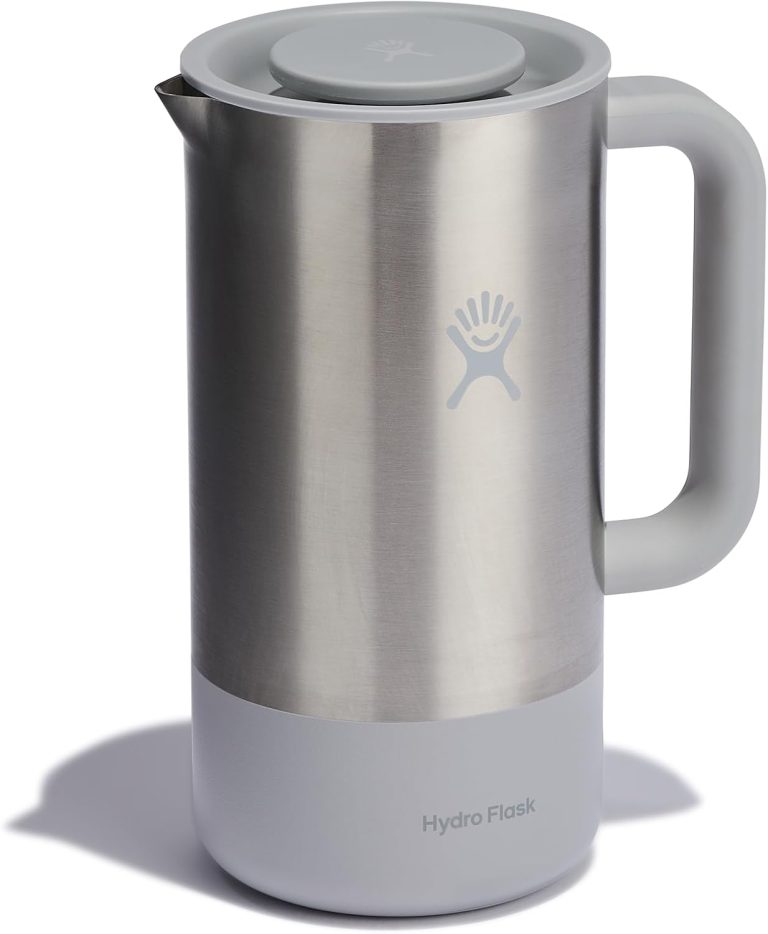
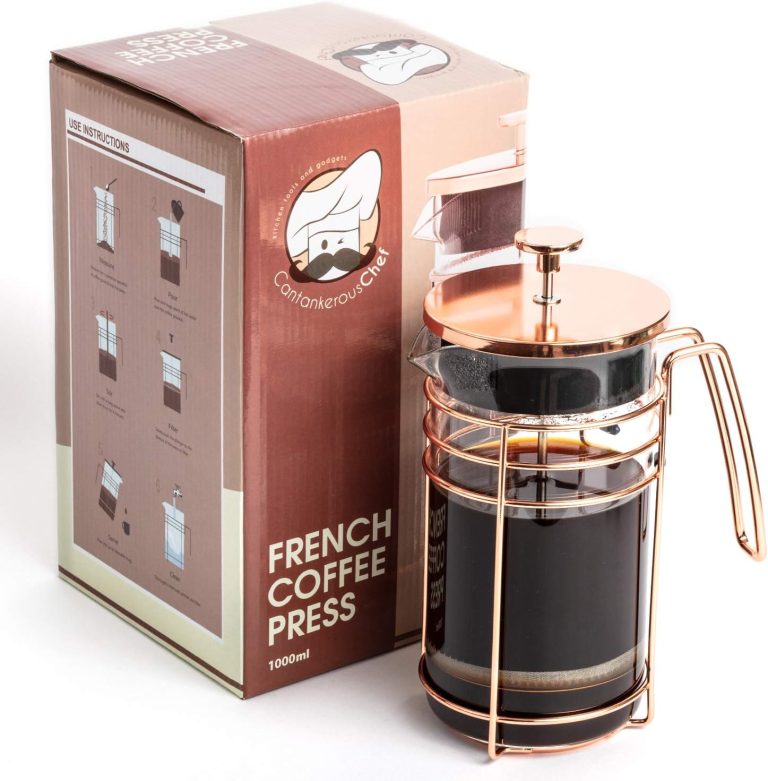
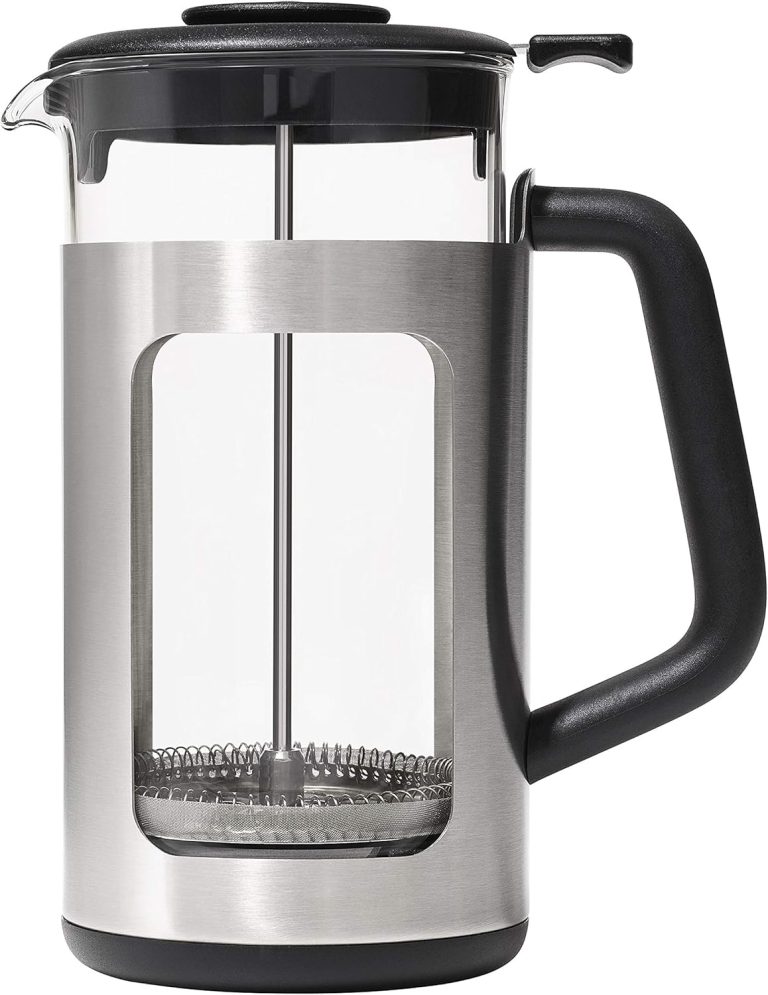
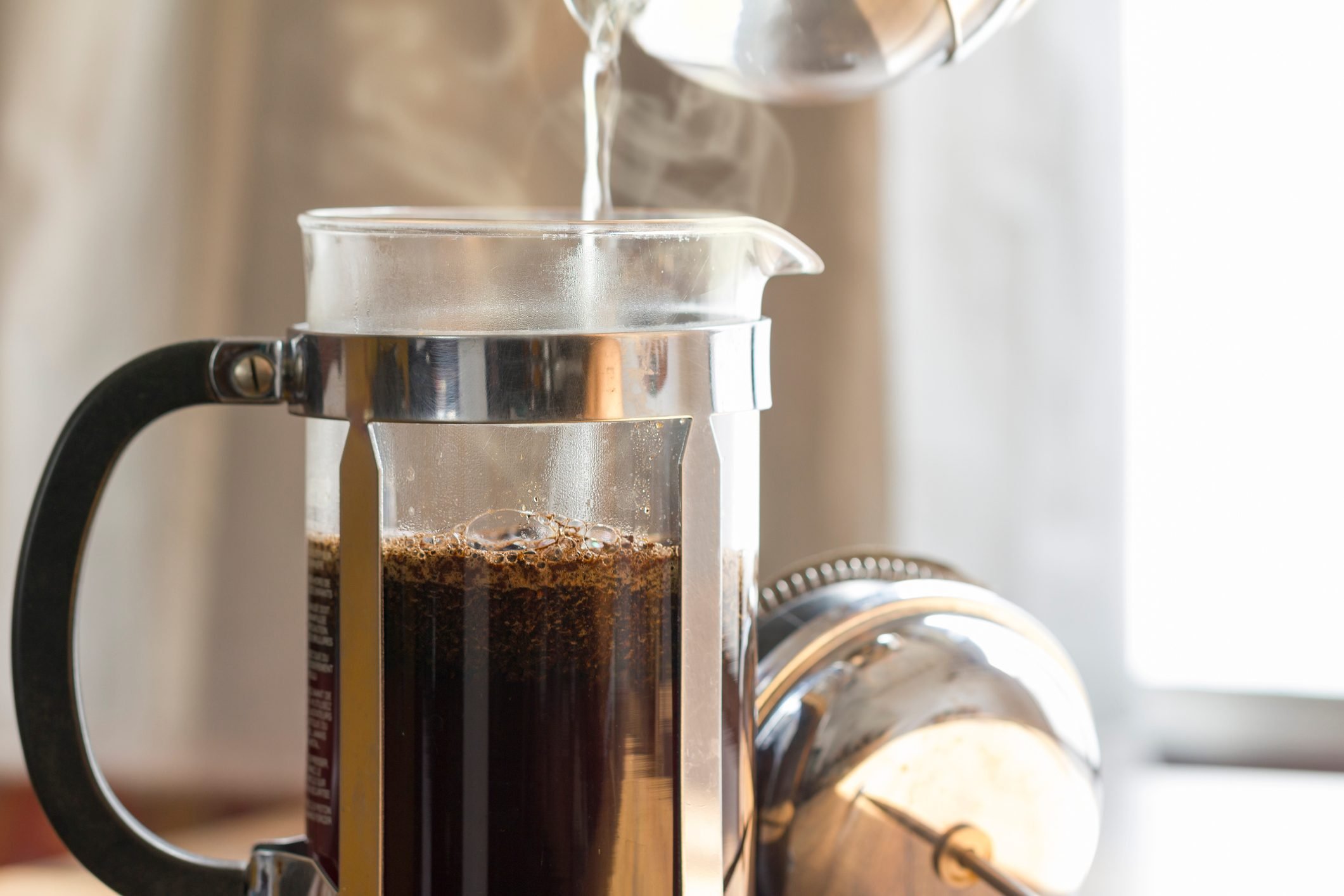
A French press is a simple steep-and-press brewer. Coarse coffee grounds steep in hot water for several minutes. A metal mesh plunger separates grounds from liquid. The result is a full-bodied cup with oils and fine particles that paper filters usually remove.
People ask is french press coffee dangerous because the plunge metal does not filter out some oils and microscopic particles. These compounds can affect flavor and, in some cases, health markers. That question ties to concerns about cholesterol, acidity, and contaminants. I’ll break each issue down simply and clearly.

Key safety concerns explained: is french press coffee dangerous?
Short answer: for most people, no. But there are specific concerns to know.
- Diterpenes and heart health
- French press coffee retains oils called diterpenes. Research shows unfiltered coffee can raise LDL cholesterol slightly in some people. This is due to cafestol and kahweol, the main diterpenes.
- Acidity and stomach sensitivity
- French press can taste richer and seem stronger. That can bother acid-sensitive stomachs or people with GERD.
- Fine particles and digestion
- Tiny grounds can pass into the cup. They may make a brew feel gritty and could irritate some people.
- Contamination risks
- Old or poorly cleaned presses can harbor mold or bacteria. Regular cleaning prevents this.
- Caffeine and sleep/heart effects
- A French press does not change caffeine levels dramatically compared with other methods. High caffeine intake still affects sleep and anxiety.
If you are wondering is french press coffee dangerous for everyone, the honest answer is no. For many people, the risks are minor and manageable. For certain groups, caution is wise.
How big is the cholesterol risk? Should you stop drinking French press?
The cholesterol concern is the most evidence-backed issue tied to unfiltered coffee. Studies indicate unfiltered coffee can raise LDL cholesterol by measurable amounts in regular drinkers. The effect varies by:
- Amount consumed per day
- Individual cholesterol baseline and genetics
- Roast level and bean type
If you drink several cups daily and already have high LDL, you may see a change. For light or moderate drinkers, the effect is usually small. Switching to paper-filtered methods or drinking fewer cups can reduce the impact.
If your doctor asked, you might be advised to avoid unfiltered brews. That’s a reasonable and simple fix.

Practical brewing and safety tips: reduce risks and enjoy your cup
Want to keep drinking French press coffee but reduce potential harm? Try these easy steps.
- Use fresh, high-quality beans and coarse grind to limit fines.
- Rinse and clean the press after each use. Disassemble the filter and wash all parts.
- Limit intake if you have high cholesterol. Try one cup per day or alternate with filtered coffee.
- Lower steep time slightly to cut extraction of oils and bitterness.
- Use paper filters inside the French press or pour through a paper filter after pressing to trap oils.
- Use safe water temperature: 195–205°F (90–96°C). Avoid boiling water that over-extracts bitter compounds.
- Store beans in a cool, dark place to avoid rancidity.
I tried adding a paper filter inside the press for a month. It cut mouthfeel but also reduced the heaviness I felt after lots of coffee. Small changes can make a big difference.

Who should be cautious: medical and lifestyle considerations
Some people should be more careful with French press coffee.
- People with high LDL cholesterol
- They may need to avoid unfiltered coffee or consult a clinician.
- People with acid reflux or sensitive stomachs
- Rich brews can trigger symptoms.
- Those on stimulant-sensitive conditions
- If you have anxiety or arrhythmia, monitor how coffee affects you.
- Pregnant people
- Talk to a healthcare provider about caffeine limits and brew type.
If you fall into one of these groups, discuss is french press coffee dangerous with your healthcare provider. It’s a simple conversation that can guide safe choices.

Alternatives and comparisons: when to choose other brew methods
Not ready to give up the French press? Consider these options.
- Paper-filtered pour-over
- Removes oils and fine particles for a cleaner cup.
- Aeropress with a paper filter
- Fast, lower-oil extraction and easy cleanup.
- Espresso
- Filtered differently; contains oils but smaller serving sizes mean different exposure.
- French press with secondary paper filtration
- Keeps some body but cuts diterpenes.
Each method changes flavor and health trade-offs. Try small experiments. I switched between Aeropress and French press depending on my mood and cholesterol results. That helped me find balance.

Personal experience, mistakes to avoid, and practical lessons
I used a French press daily for years. Here are honest takeaways from that time.
- I didn’t clean the mesh well at first. Old oils built up and changed flavor. Clean it after every use.
- I drank too many cups during stressful work weeks. That worsened my sleep. I cut back and felt better.
- Adding a quick paper filter after pressing reduced the heavy feeling without losing all the flavor.
- When I had a routine blood test, I saw a mild LDL uptick. Reducing unfiltered coffee normalized it.
These real-world steps helped me keep the ritual while managing health.

People also ask (PAA-style)
Is french press coffee dangerous for cholesterol?
- Unfiltered French press coffee can raise LDL cholesterol in some people. The effect is dose-dependent and varies by person.
Can French press coffee cause stomach problems?
- It can worsen reflux or sensitivity due to oils and strong flavor. Try a milder roast or different brew if you have symptoms.
Does French press coffee have more caffeine?
- Caffeine content depends on bean, grind, and brew time; French press is not categorically higher than other methods.
Can you filter French press coffee to make it safer?
- Yes. Pouring the brewed coffee through a paper filter reduces diterpenes and creates a cleaner cup.
How do you clean a French press to avoid dangers?
- Disassemble the plunger, rinse grounds, scrub with mild soap, and dry fully. Regular cleaning prevents mold and rancid oils.
Frequently Asked Questions of is french press coffee dangerous
Is French press coffee more dangerous than drip coffee?
For most people, no. French press retains oils that can slightly raise LDL, but the overall danger depends on how much you drink and your health profile.
Can I make French press coffee safer with filters?
Yes. Using a paper filter after pressing or putting one in the press reduces diterpenes and lowers cholesterol impact.
Is the grind size important for safety?
Yes. A coarse grind reduces fines and sediment in the cup, improving digestion and mouthfeel.
How often should I clean my French press?
Clean it after every use. Deep clean the mesh parts weekly to remove built-up oils and residue.
Will switching from French press help my cholesterol quickly?
You may see improvements within weeks to months after reducing unfiltered coffee, depending on diet and biology. Always track changes with your clinician.
Conclusion
French press coffee is a rich, historic brew that is not inherently dangerous for most people. The main health angle is unfiltered oils that can raise LDL in some drinkers. Simple steps—moderation, good cleaning, and occasional paper filtration—let you keep the ritual while lowering risk. Try small changes, track how you feel, and consult your healthcare provider if you have cholesterol or stomach concerns. If this helped you, leave a comment about your experience, subscribe for more practical guides, or try one of the safer brewing tips today.