Is French Press French The Truth Behind the Name

The French press is tied to France, but its history also includes other European inventors. It’s still a great choice if you want simple brewing and bold coffee.
Yes, the French press is linked to France, but the story is a little messy. The name stuck because French makers helped shape the design, even though the tool’s roots spread across Europe.
- Name: The French press name stuck, even with a mixed history.
- Flavor: It makes bold coffee with more body and some sediment.
- Best setup: Use a coarse grind and steady water heat.
- Buying tip: Focus on size, filter quality, and easy cleaning.
Is French Press French? The Short Answer and Why the Name Sticks

The short answer is yes and no. The brew device is widely tied to France, but its history includes early patents and design changes from other countries too.
So when people ask, “is french press french,” they usually mean the brewer, not the coffee itself. The name became common because French-style coffee makers and patents helped popularize the method.
What the name really means
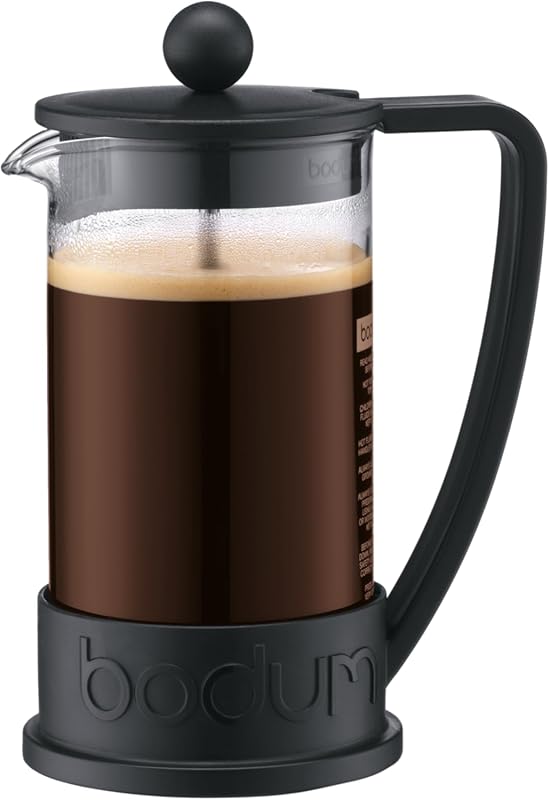
The term “French press” points to a style of coffee brewer that uses a plunger and mesh filter. It does not mean the idea appeared in one place only.
In simple terms, the name reflects how the brewer spread and who helped refine it. That’s why you may also hear it called a press pot or coffee plunger in other regions.
Why people still call it a French press
Names stick when people use them for years. Coffee lovers, shops, and brands kept using “French press,” so that became the common term.
Also, the phrase is easy to remember. Even if the history is mixed, the name tells shoppers what the brewer does.
Where the French Press Came From
The French press did not appear all at once. It grew from several early coffee press ideas in Europe during the 1800s and early 1900s.
Early coffee press designs in Europe
Early versions used a simple idea. Coffee grounds sat in hot water, then a mesh screen pushed them down.
Several inventors in Europe worked on this basic design. Some tried to improve the filter, while others focused on the plunger and the pot shape.
Many coffee brewers have names that reflect where they spread, not where every part was invented.
How the modern version took shape
The modern French press came from a series of patents and design updates. Over time, the brewer got a better plunger, a tighter lid, and a more useful metal filter.
That made it easier to use at home. It also helped the brewer become a standard kitchen item.
Why France and Italy both matter in the story
France matters because French inventors and makers helped popularize the brewer. Italy also matters because Italian inventors improved early versions and pushed the design forward.
So the story is shared. That’s why a simple “made in France” answer misses part of the truth.
How a French Press Works in Real Life
A French press is simple, which is part of its charm. You add coffee grounds, pour in hot water, wait, and press the filter down.
How the Brew Method Works
This brewer gives you direct control over steep time, grind size, and water heat.
The basic parts and what they do
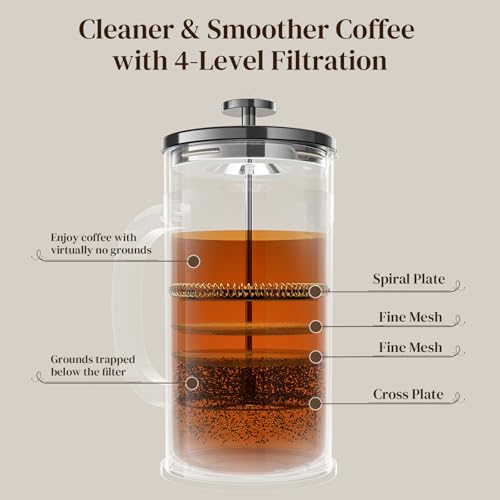
Most French presses have a few key parts. Each one plays a clear role in the brew.
Holds the water and grounds during brewing.
Moves the filter through the brewed coffee.
Separates most grounds from the finished cup.
Helps hold heat and guides the plunger.
How brewing changes flavor and body
French press coffee often tastes bold and full. That happens because the grounds steep in water instead of dripping through a paper filter.
This method lets more oils and fine particles stay in the cup. Many coffee drinkers like that heavier feel.
Why grind size and water temp matter
Grind size changes how fast water pulls flavor from the coffee. A coarse grind usually works best for a French press.
Water temperature matters too. Very hot water can make coffee taste harsh, while cooler water may taste weak.
Use care with hot water and glass models. Follow the brewer manual, and stop using any press with cracks or loose parts.
What to Look for in a Good French Press
Not every press feels the same in daily use. The best one for you depends on material, size, filter quality, and how easy it is to clean.
Glass, stainless steel, and plastic options
Glass models let you see the brew and often feel classic. Stainless steel models usually hold heat better and handle bumps well.
Plastic models can be light and budget friendly. Still, material choice often comes down to care, feel, and how you plan to use it.
- Choose a size that matches your usual coffee amount.
- Check whether parts come apart for easy washing.
- Read the care notes for heat and dishwasher use.
- Look for a sturdy plunger and a fine mesh filter.
Size, filter quality, and heat retention
Size matters because a press that is too large can waste coffee. A press that is too small can leave you short on cups.
Filter quality also matters. A better filter can reduce grit in the cup, though no press removes every fine particle.
Best value features for home coffee drinkers
For most homes, the best value comes from simple design and easy cleaning. A solid lid, a stable handle, and a good mesh screen often matter more than fancy looks.
Pick the size and material that fit your routine, not just the look.
Benefits and Limits of French Press Coffee
French press coffee has a loyal fan base for a reason. It gives a rich cup with very little gear.
Why many coffee fans love the taste
The brew often tastes bold, smooth, and full-bodied. That makes it a nice match for people who want more texture in their cup.
It also gives you control. You can change steep time, water heat, and grind size to shape the taste.
- Simple setup with few parts to learn
- Rich flavor and fuller body
- No paper filter needed in most models
- Easy to pack for travel or small kitchens
Common downsides to know before buying
French press coffee can leave sediment in the cup. Some people like that, but others do not.
It also needs attention. If you leave the coffee too long, the flavor can turn bitter.
How it compares with drip and pour-over
Drip coffee often tastes cleaner and lighter. Pour-over can taste bright and crisp when brewed well.
French press usually gives a heavier, richer cup. If you want a clean finish, drip or pour-over may suit you better.
- Full flavor and strong body
- Low-cost, low-tech brewing
- Good for one cup or a small batch
- More sediment than paper-filter methods
- Needs careful timing and grind choice
- Heat can drop in some models
Common French Press Mistakes and How to Avoid Them
Most French press problems come from small setup errors. The good news is that they are easy to fix.
Using the wrong grind or water temperature
Too fine a grind can make the press hard to use and can add grit. Too coarse a grind can make the coffee weak.
Water that is too hot can pull harsh flavors. Water that is not hot enough may not extract enough taste.
The coffee tastes bitter, thin, or muddy.
Use a coarse grind and adjust water heat and steep time a little at a time.
Pressing too hard or too fast
You do not need to force the plunger. A steady, gentle press is enough.
If you rush it, grounds can stir up and slip through the filter. That can make the cup cloudier.
Letting coffee sit too long after brewing
Once the coffee is done, pour it out soon. Letting it sit in the press keeps extraction going.
That extra contact often makes the coffee taste more bitter over time.
- Pour soon after pressing.
- Use a steady, gentle push.
- Rinse the filter after each use.
- Using espresso-fine grounds.
- Forcing the plunger down fast.
- Leaving brewed coffee in the press.
Cleaning, Safety, and Long-Term Care
A French press is easy to clean, but it still needs regular care. Clean parts help the brewer last longer and keep coffee tasting fresh.
How to clean the press after each use
Dump the grounds first. Then rinse the carafe and filter parts with warm water.
Wash with mild soap when needed. Make sure the mesh screen and plunger are free of old coffee oils.
Empty grounds, rinse parts, and wash away oil buildup.
Check the mesh, seals, and plunger for wear or loose fit.
What parts need regular checking or replacement
The mesh filter and seal can wear out over time. Some models also have lids or handles that loosen with heavy use.
If a part looks bent, cracked, or loose, check the maker’s instructions for replacement options.
Safety tips for hot water and glass models
Glass presses need extra care. Set them on a stable surface and avoid sudden temperature changes when possible.
Also, keep the brewer away from the edge of the counter. Hot liquid and broken glass can cause real harm.
Follow the appliance manual and stop using damaged equipment.
Final Verdict: Is a French Press Worth It in 2026?
Yes, a French press is still worth it in 2026 for many coffee drinkers. It stays popular because it is simple, affordable in spirit, and easy to understand.
Who should buy one
A French press is a smart pick if you like bold coffee and low fuss. It also works well if you want a brewer with few parts.
It can be a good fit for small kitchens too. You do not need a big machine or a power outlet.
Who may want another brewing method
If you want a very clean cup, you may prefer drip or pour-over. If you dislike sediment, that matters a lot.
People who want fast, automatic brewing may also want another method. A French press needs a few minutes of hands-on time.
Clear recommendation from the Red Kitchen Project Editorial Team
Our editorial view is simple. A French press is a great choice for home coffee drinkers who value flavor, control, and ease of use.
If you want the cleanest cup or the least hands-on work, another brewer may suit you better. But if you want a classic, reliable coffee method, the French press still makes a lot of sense.
- The French press name is real, but the history is shared.
- The brewer makes bold coffee with simple steps.
- Coarse grind and good timing matter most.
- Cleaning and safe handling help it last longer.
Frequently Asked Questions
The name is linked to France, but the history includes inventors from other European countries too. The modern brewer grew through several design changes over time.
The grounds steep directly in hot water, so more oils and fine particles stay in the cup. That gives the coffee a fuller body than paper-filter methods.
A coarse grind usually works best. Fine grinds can make the coffee muddy and harder to press.
Use hot water that is not boiling hard, since very hot water can make the coffee taste harsh. Exact results can vary by bean and brewer.
Empty the grounds, rinse the parts, and wash away oil buildup with mild soap. Check the mesh, seal, and plunger often for wear.
Choose a French press if you want bold coffee and simple brewing. Pick drip or pour-over if you want a cleaner cup or less hands-on work.