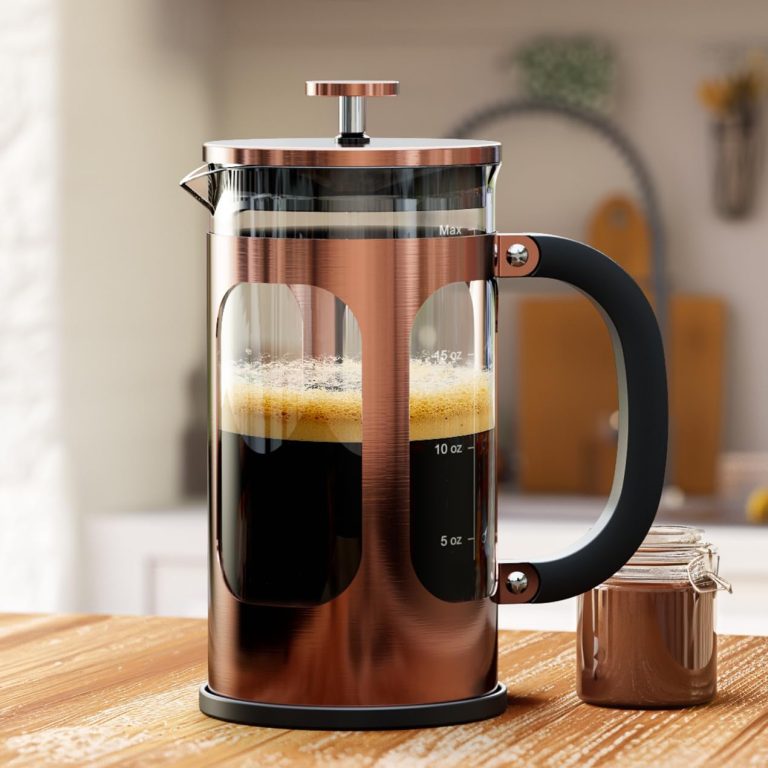
Is French Press French: Origins And Coffee Facts

No — the French press was not invented in France, though France helped popularize it.
I’ve brewed coffee with a French press for years and written about coffee gear for casual drinkers and pros. This article answers the question "is french press french" in depth. You’ll get the history, the name’s origin, how the device works, taste differences, real-world tips from my tests, and clear takeaways so you can decide if the French press fits your coffee routine.

Origins and history
The simple plunger brewer we call the French press evolved over decades. Early patents for plunger-style brewers appeared in the 1920s in Italy. Later designs and a key mid-century patent in France helped spread the device across Europe and the U.S.
When people ask "is french press french", they usually mean where the design came from and why it bears that name. The device’s story involves Italian inventors, French manufacturers, and global makers who all changed small details over time. Calling it "French" reflects part of that history, not a single point of invention.
I’ve studied old patent sketches and brand histories. The takeaway is that the French press grew through shared innovation. It did not spring from a single French inventor alone.

Why the name "French press"?
The name mixes language and marketing. In some places it’s called cafetière, press pot, or plunger pot. The label "French press" likely grew from French manufacturers making and marketing a popular model after mid-century patents.
Answering "is french press french" means recognizing that naming often follows popularity. A French-made version helped the device reach wider markets. Over time, the phrase stuck in English. So the name points to influence, not exclusive origin.
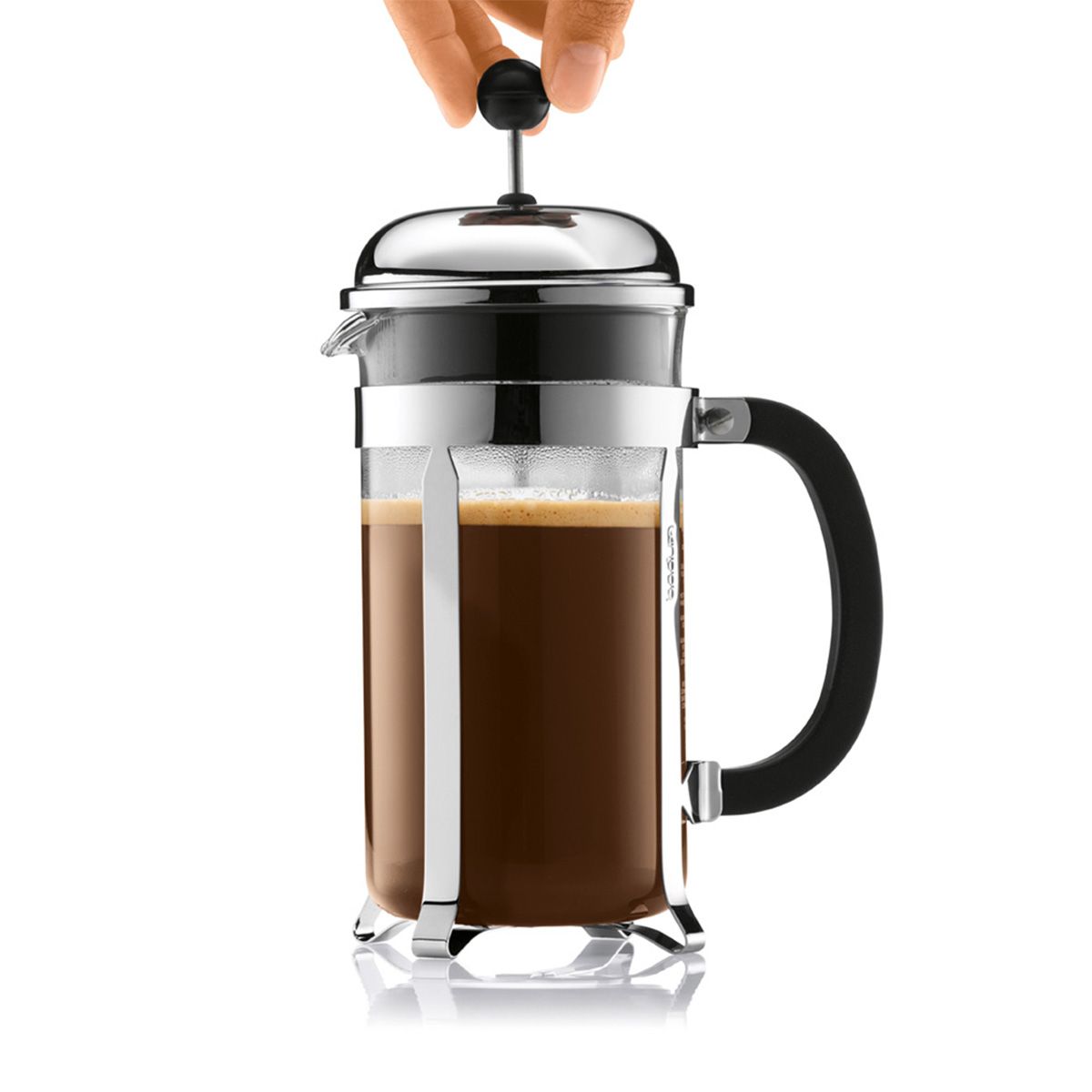
Is French press French — culture, manufacture, and identity
Many coffee lovers ask "is french press french" to know if the brew is tied to French coffee culture. In reality, the method is international. Cafetière-style brewing fits many traditions because it is simple and flexible.
Manufacturing also spans many countries. Today you can buy a French press made in metal, glass, or plastic from dozens of brands worldwide. The cultural link matters for how people perceive the drink, but the method itself is global.
From my experience, the best presses come from careful design rather than country of origin. Solid build, good seal, and a fine mesh filter matter more than a national label.

How the French press works and how to brew (simple steps)
The French press is a full-immersion brewer. Grounds steep in hot water. A metal filter then presses the grounds to the bottom. The brew keeps oils and solids that paper filters remove.
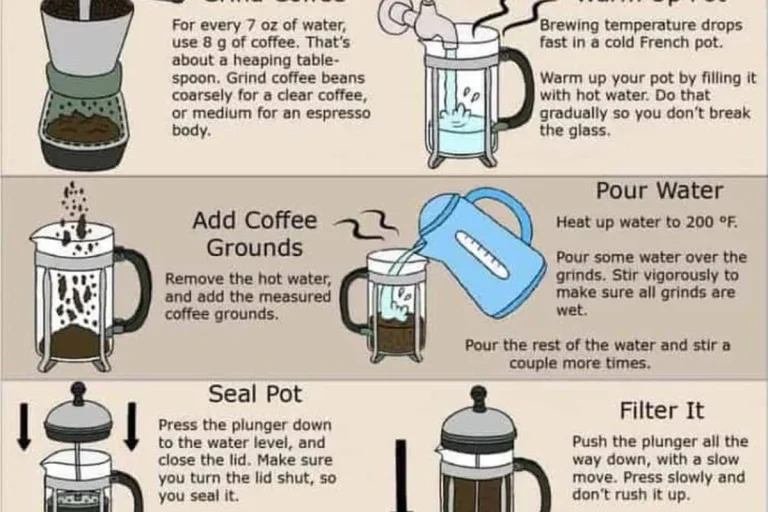
Steps to brew a solid cup:
- Use coarse coffee grounds, like coarse sea salt texture.
- Heat water to about 200°F (just off boil).
- Add coffee to the press. A 1:15 to 1:12 coffee-to-water ratio works well.
- Pour water, stir gently, and cover with the plunger up.
- Steep 4 minutes for a balanced cup. Adjust time to taste.
- Press down the plunger slowly and pour immediately.
I once brewed too fine a grind. It clogged the mesh and made the plunge hard. Coarse grind keeps the press easy and the cup clean. When people ask "is french press french" they often want to know if technique matters — it does.
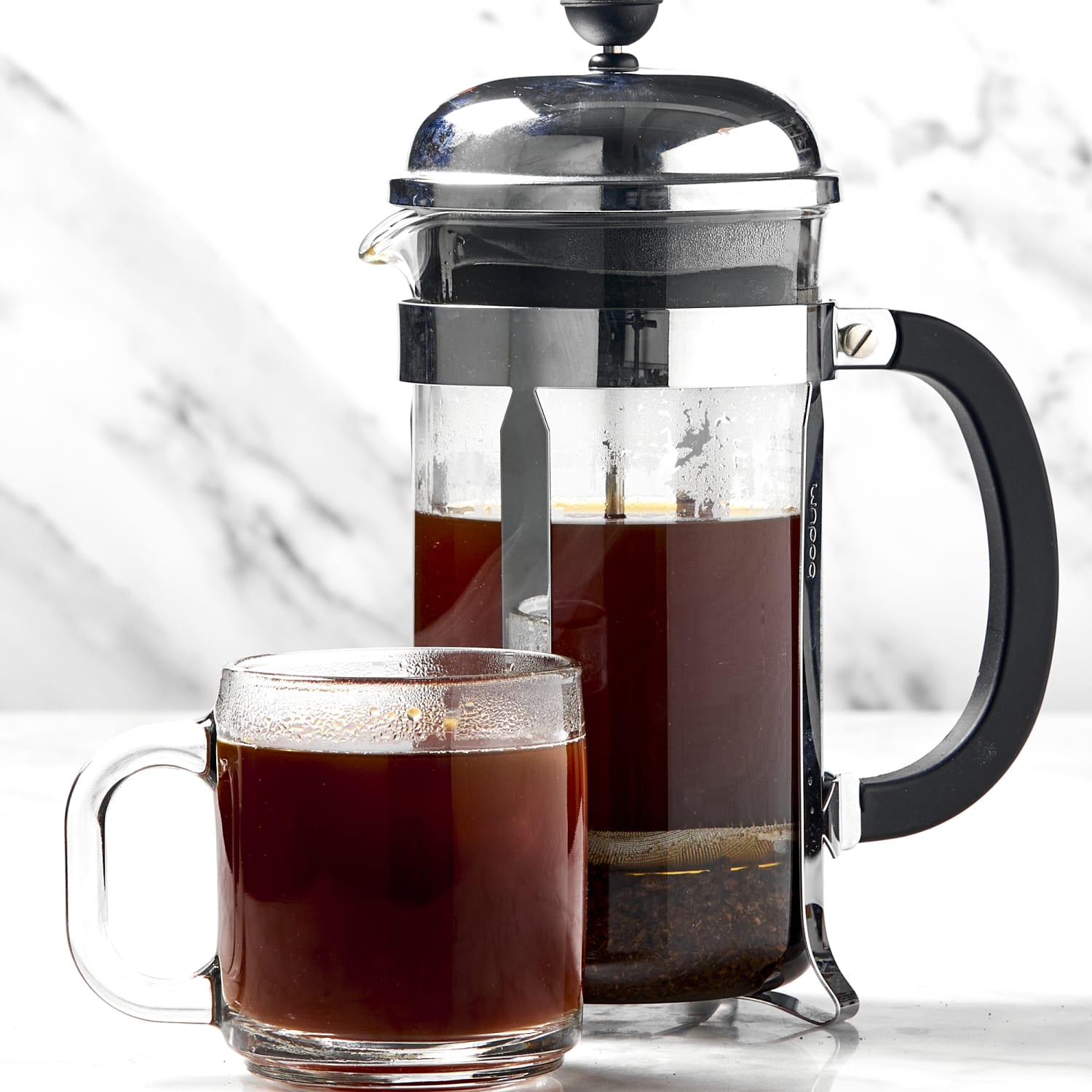
Taste profile, benefits, and limitations
French press coffee tastes rich and full. The metal filter lets oils and tiny solids through. That gives texture and body most paper-filtered methods lack.
Benefits
- Rich mouthfeel and fuller body.
- Simple gear and easy cleanup.
- Great for small groups or a single strong cup.
Limitations
- Sediment at the bottom of the cup from fines.
- Less clarity than pour-over or drip coffee.
- Can cool faster without insulated design.
If you want clarity and brightness, a pour-over may suit you better. But if you like a bold, full cup, the French press delivers. When people ask "is french press french" they sometimes mean "is it French-style in taste?" The answer is taste comes from grind, roast, and brew, not nationality.
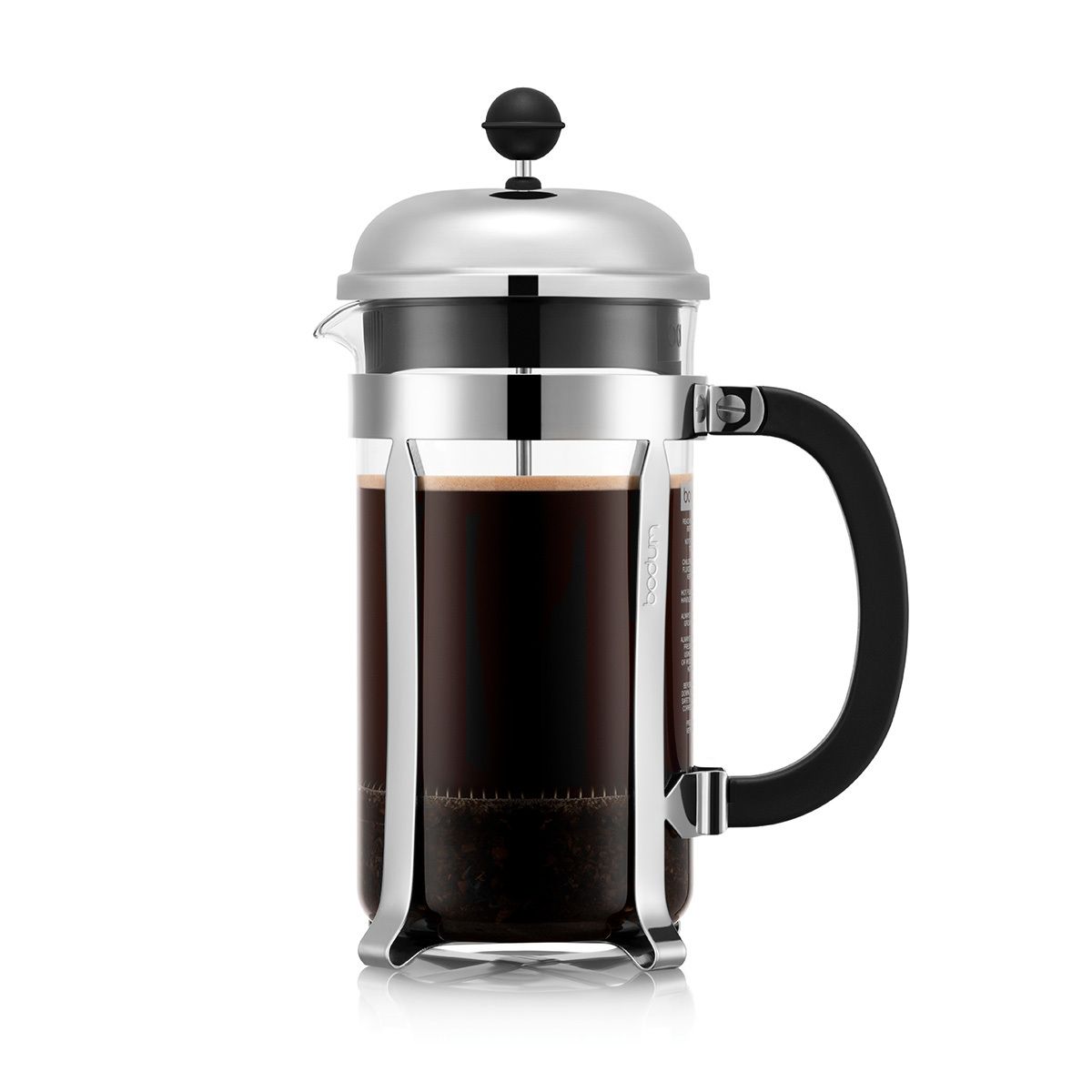
Common misconceptions and PAA-style quick answers
Q: Does the French press make stronger coffee than drip?
A: Strength depends on ratio and extraction. A French press can make stronger coffee if you use more coffee per water, but clarity differs from drip.
Q: Is French press coffee more caffeinated?
A: Caffeine varies by bean and ratio. Full immersion can extract more compounds, but higher caffeine is not automatic.
Q: Is french press french because of how the coffee tastes?
A: Not exactly. Taste depends on beans and process. The "French" tag is historical and marketing, not a taste marker.
Personal experience and practical tips
I’ve used French presses for home and travel. Here are lessons I learned along the way:
- Clean the mesh parts after every few brews to avoid oil buildup and stale flavors.
- Preheat the carafe with hot water to keep brew temperatures steady.
- Use a coarse, consistent grind to reduce sediment and make plunging smooth.
- If sediment bothers you, decant into another vessel after plunging to leave grounds behind.
These tips come from years of daily brewing. When I experiment, the variables that change taste most are grind, water temp, and steep time — not the country of manufacture. That insight helps answer "is french press french" by focusing on technique.
Related concepts and alternatives
If you like the French press, you may also like:
- Aeropress for a cleaner cup and quick brew.
- Pour-over for clarity and bright flavors.
- Cold brew for smooth, low-acid coffee over long steeping.
Each method highlights different beans and roast levels. Trying a few helps you find what fits your palate and routine. Keep asking "is french press french" but also ask which method suits your taste.
Frequently Asked Questions of is french press french
What exactly does "is french press french" mean?
People ask this to learn whether the device was invented in France or if the method reflects French coffee culture. The name refers to historical influence, not exclusive invention.
Was the French press invented in France?
No single inventor in France created the French press. Early designs appeared in other countries. French manufacturers and patents helped popularize a version of the brewer.
Does calling it French change how you should brew?
No. The proper brew method depends on grind, water, and time rather than the name. Use coarse grind and a 4-minute steep for a good start.
Is a French press better for dark roasts?
French press pairs well with medium to dark roasts because it emphasizes body and oils. But you can brew lighter roasts too by adjusting grind and steep time.
How do I reduce sediment in my French press cup?
Use a coarser, consistent grind and let the grounds settle briefly before pouring. Decant into a second vessel to leave most sediment in the carafe.
Conclusion
Answering "is french press french" shows that names can mix history, marketing, and culture. The French press is a global tool shaped by many makers. What matters most is how you use it. Try simple tweaks: use a coarse grind, steady water temp, and a short decant if sediment bothers you. Test one change at a time to learn your favorite cup.
If you enjoyed this guide, try brewing with the tips now and leave a comment about your results. Subscribe or follow for more practical coffee guides and gear tips.