Is Fresh Pasta Healthier Than Dried Pasta What to Know

Fresh pasta is not automatically healthier than dried pasta. For most people, dried pasta is the better everyday choice, while fresh pasta wins on texture and special meals.
Fresh pasta is not always healthier than dried pasta. In many cases, the healthier choice depends on the flour, portion size, and sauce you serve with it.
For most home cooks, dried pasta is the better everyday pick. Fresh pasta often wins on taste and texture, but it does not automatically bring better nutrition.
- Health depends on labels: Flour type, fiber, salt, and serving size matter most.
- Dried pasta is practical: It stores well, costs less, and fits most weeknight meals.
- Fresh pasta is tender: It works best with light sauces and special dishes.
- Sauce changes everything: Cream, cheese, and oil can add more calories than pasta.
Is Fresh Pasta Healthier Than Dried Pasta? The Short Answer

The short answer is no, not by default. Fresh pasta and dried pasta can both fit a balanced meal.
What “healthier” really means in this comparison
“Healthier” can mean different things. You may care about calories, protein, fiber, salt, ingredients, or how filling the meal feels.
That is why one pasta can look better on paper, while the other works better at the table. The sauce and portion size matter just as much as the noodle.
Quick verdict for most home cooks
If you want a simple weeknight meal, dried pasta is usually the smart choice. It lasts longer, costs less, and gives you easy portion control.
If you want a softer bite and a more delicate dish, fresh pasta can be the better fit. It shines in meals where the pasta itself is the star.
Fresh Pasta vs Dried Pasta: What Changes in the Bowl
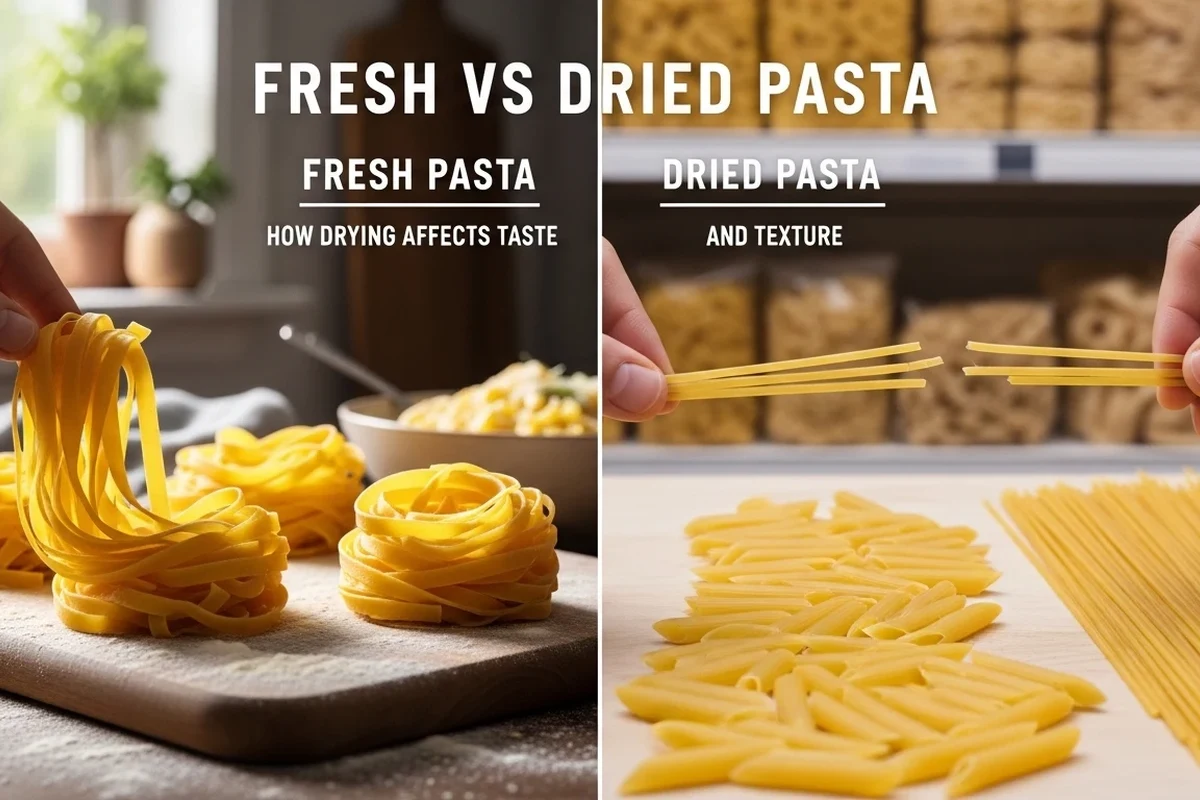
Fresh pasta and dried pasta start with the same basic idea. Both use flour and liquid. The big difference is moisture and how the dough gets handled.
Ingredients, moisture, and texture differences
Fresh pasta usually has more moisture. It often includes eggs, which can add richness and a softer texture.
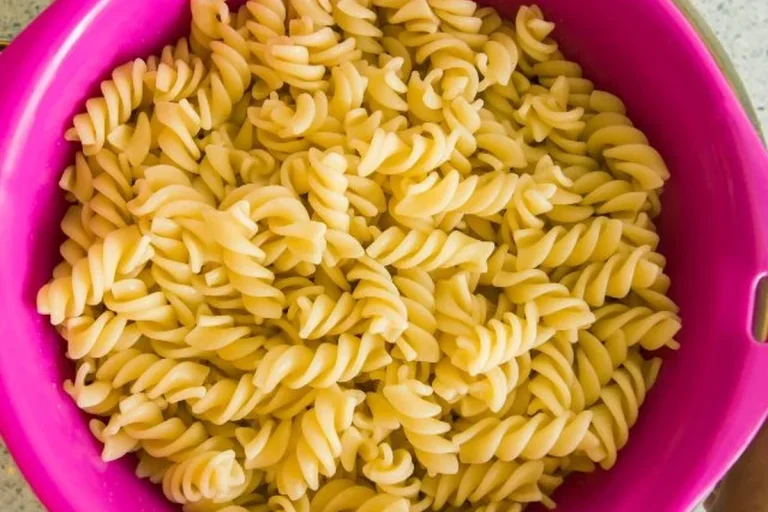
Dried pasta has less water. That lower moisture gives it a firmer bite and a much longer shelf life.
The main difference is texture and storage, but nutrition can shift with flour type and serving size.
Soft, tender, and quick
Best for delicate sauces, rich fillings, and special meals.
VS
Firm, shelf-stable, and flexible
Best for pantry storage, budget cooking, and many everyday dishes.
How each one is made and why it matters
Fresh pasta is mixed, shaped, and cooked soon after making. That quick process keeps the dough soft and tender.
Dried pasta goes through a drying step. That step changes the texture and helps it keep for months in a pantry.
This matters because texture affects how you eat it and how it holds sauce. It also changes how filling the meal feels.
Exact ingredients vary by brand. Some fresh pastas use eggs, while others use different flours or added salt.
Nutritional Breakdown: Calories, Protein, Fiber, and Salt
Nutrition is where the answer gets more complex. Fresh and dried pasta can look similar, but labels may differ a lot.
Where fresh pasta can differ from dried pasta
Fresh pasta may have more fat and cholesterol if it uses eggs. It may also have a slightly different calorie count per serving.
Dried pasta often has a simpler ingredient list. It can be a little higher in protein if it uses durum wheat semolina.
Neither one is automatically low calorie. The real difference usually comes from the recipe and the portion you eat.
| Option | Best For | Key Consideration |
|---|---|---|
| Fresh pasta | Soft texture and rich sauces | Can be higher in calories or fat if made with eggs |
| Dried pasta | Everyday meals and pantry use | Often simpler and easier to portion |
Why serving size changes the answer
Serving size matters more than most people think. A small bowl of either pasta can fit a balanced meal.
A large serving of either one can push calories up fast. Then the sauce, cheese, and oil add even more.
Many pasta nutrition labels list a dry serving size, not the cooked amount on your plate.
When enriched or whole wheat pasta shifts the balance
Whole wheat pasta often brings more fiber than white pasta. That can help you feel full longer.
Enriched pasta may add back some vitamins and minerals. Still, the nutrition gain depends on the exact product.
If you want the healthiest choice, check the label first. The flour type matters more than fresh versus dried alone.
Benefits and Limits of Fresh Pasta
Fresh pasta has clear strengths. It also has some limits that matter in real kitchens.
When fresh pasta can be a smart choice
Fresh pasta works well when you want a lighter, softer bite. It can make a simple sauce feel more elegant.
It also suits special meals. Think of a date night dinner, a holiday table, or a filled pasta dish.
Where fresh pasta falls short
Fresh pasta does not store well for long. It needs more care in the fridge or freezer.
It also costs more in many stores. That makes it less practical for routine meals.
- Soft texture and tender bite
- Great for rich or delicate sauces
- Feels special for certain meals
- Short shelf life
- Often costs more
- Nutrition varies widely by recipe
Best sauces and meal styles for fresh pasta
Fresh pasta pairs well with butter sauces, cream sauces, and light tomato sauces. It also works with filled pasta and simple herb toppings.
Try not to bury it under a heavy sauce. The texture can get lost.
- Use fresh pasta for delicate sauces and quick dinners.
- Keep toppings light so the pasta texture stands out.
- Check the label for egg, salt, and flour type.
Benefits and Limits of Dried Pasta
Dried pasta is the pantry hero for many kitchens. It is easy to store, easy to cook, and easy to budget for.
Why dried pasta often wins on value and shelf life
Dried pasta can sit in the pantry for a long time when stored well. That makes it great for low-stress meal planning.
It also tends to cost less per meal. For busy households, that is a big deal.
When dried pasta may be the better everyday option
Choose dried pasta when you want a fast, dependable dinner. It works well for family meals, meal prep, and last-minute cooking.
It also gives you more control over texture. You can cook it al dente or softer, based on taste.
Why Dried Pasta Works So Well at Home
For many cooks, dried pasta is the easiest pasta to keep on hand and the easiest to use well.
Best sauces and meal styles for dried pasta
Dried pasta holds up well with tomato sauce, meat sauce, pesto, and baked pasta dishes. It also works in soups and pasta salads.
Its firmer bite helps it stay steady under heavier sauces. That makes it a versatile choice.
You want convenience and value
Dried pasta fits busy weeks, pantry stocking, and simple meal prep.
You want a softer, fresher texture
Fresh pasta makes more sense for special dishes and lighter sauces.
Common Mistakes People Make When Comparing Pasta
Most pasta debates go off track because people compare the wrong things. A few small mistakes can change the whole answer.
Mixing up cooked weight and dry weight
Dry pasta absorbs water as it cooks. That means the cooked bowl weighs much more than the dry pasta you measured.
If you compare labels or recipes, make sure you are using the same form. Dry weight and cooked weight are not the same thing.
Ignoring portion size and sauce calories
Pasta itself is only part of the meal. A creamy sauce, extra cheese, or lots of oil can add more calories than the noodles.
That is why a modest portion often works better than a giant bowl. It keeps the meal balanced.
Choosing pasta type without checking the label
Some fresh pastas use richer ingredients. Some dried pastas use whole grains or added protein.
So, the package tells you more than the word “fresh” or “dried” ever will. Read the ingredient list and nutrition panel.
For food safety, follow package storage and cooking directions. Fresh pasta spoils faster than dried pasta and should not sit out for long.
Safety, Storage, and Cooking Tips for Better Results
Good storage and cooking habits protect both taste and safety. They also help you get the texture you want.
How to store fresh pasta safely
Keep fresh pasta cold unless the package says it is shelf stable. Use it by the date on the package.
If you do not plan to cook it soon, freeze it when the label allows that. Always follow the package instructions.
How to keep dried pasta fresh for longer
Store dried pasta in a cool, dry place. A sealed container helps keep out moisture and pests.
Keep it away from heat and steam. That helps protect the texture and shelf life.
- Check the ingredient list.
- Check the serving size.
- Check storage instructions.
- Check the flour type.
Simple cooking tips that protect texture and taste
Use a large pot of well-salted water. Stir early so the pasta does not stick.
Start tasting before the package time ends. Pasta can go from firm to mushy fast.
Drain it soon after it reaches the texture you want. Then sauce it right away.
- Read the package before cooking.
- Use the right storage method for each type.
- Taste for doneness near the end of cooking.
- Do not leave fresh pasta at room temperature too long.
- Do not overcook pasta until it turns soft and heavy.
- Do not compare nutrition without checking serving size.
Final Recommendation: Which Pasta Should You Choose?
For most people, dried pasta is the better all-around choice. It is affordable, easy to store, and simple to use on busy nights.
Best choice for health, budget, and convenience
If your goal is a practical, balanced meal, choose dried pasta. It gives you flexibility without much waste.
Pick whole wheat or enriched versions if you want more fiber or a different nutrient profile.
Best choice for flavor, special meals, and texture
Choose fresh pasta when texture matters most. It can make a meal feel softer, richer, and more special.
That makes it a great pick for guests, filled pasta, and simple sauces.
Transparent verdict from the Red Kitchen Project Editorial Team
Fresh pasta is not automatically healthier than dried pasta. The healthier choice depends on the recipe, the flour, and how much you serve.
If you want the best everyday option, dried pasta usually wins. If you want the best eating experience, fresh pasta may be worth it.
Dried pasta is the smarter default for most homes, while fresh pasta is the better pick for texture and special meals. Check the label, watch the portion, and let the sauce guide the choice.
- Fresh pasta is not always healthier than dried pasta.
- Whole wheat, serving size, and sauce matter more than the pasta type alone.
- Dried pasta usually wins for value, storage, and everyday use.
- Fresh pasta usually wins for soft texture and special dishes.
Frequently Asked Questions
Not always. Health depends more on the flour, serving size, and sauce than on fresh or dried alone.
Dried pasta is usually better for daily cooking. It costs less, stores well, and is easy to keep on hand.
It can, but not always. The exact calorie count depends on the recipe and the serving size.
Often yes, because it usually has more fiber. Still, the label matters because brands vary.
Keep it cold unless the package says it is shelf stable. Use it by the date on the package or freeze it if allowed.
Light sauces, butter sauces, cream sauces, and simple tomato sauces work well. They match fresh pasta’s softer texture.