Is Orzo Healthier Than Pasta A Simple Nutrition Guide

Orzo is not usually healthier than pasta, since both are often similar in refined form. Whole grain pasta or whole grain orzo is the better pick when you want more fiber and fullness.
Orzo is not always healthier than pasta. It depends on the type you buy, the portion you eat, and what you serve with it.
For most home cooks, whole wheat pasta usually gives you more fiber and a bit more fullness. Orzo can still fit a healthy meal, especially when you pair it with vegetables, beans, and lean protein.
- Shape matters less: Grain type and portion size drive most nutrition differences.
- Whole grain wins: More fiber usually means better fullness and balance.
- Sauce changes everything: Creamy sauces can make either option much heavier.
- Orzo fits best: It works well in soups, salads, and quick side dishes.
Is Orzo Healthier Than Pasta? The Short Answer

The short answer is no, not by default. Orzo is a pasta shape, so it often has a very similar nutrition profile to other pasta shapes made from wheat.
What “healthier” really means for everyday meals
Healthy food is not just about calories. It also includes fiber, protein, blood sugar response, portion size, and how filling the meal feels.
A food can look light on paper but still leave you hungry soon after. That often leads to bigger portions later.
Quick verdict for most home cooks
If you want the more filling choice, whole wheat pasta often wins. If you want a soft, small shape for soups or salads, orzo can be a smart pick.
In short, the better choice depends on your meal, not the shape alone.
What Orzo Is and How It Compares to Pasta

Orzo looks like rice, but it is pasta. Most versions are made from durum wheat flour, just like many other pastas.
That means orzo is not a special health food. It is usually just a different shape.
Orzo ingredients, shape, and common types
Most orzo uses refined wheat flour. Some brands offer whole wheat or higher-protein versions.
It cooks fast and works well in soups, cold salads, and simple side dishes.
Regular pasta shapes and how they differ
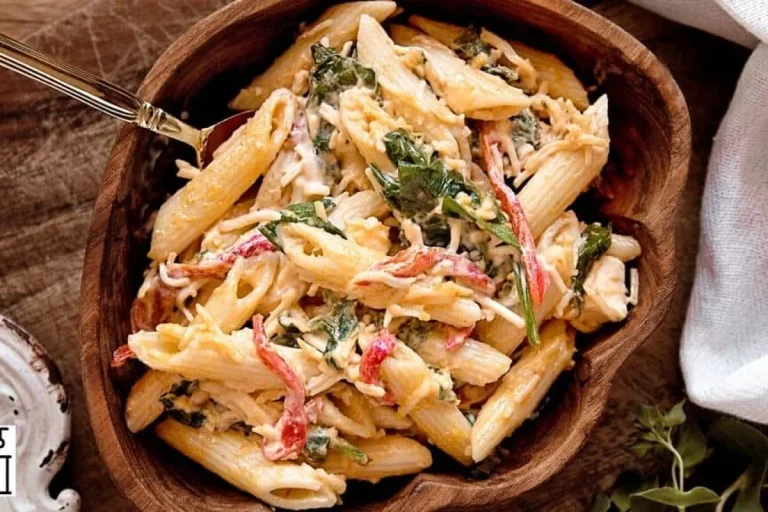
Spaghetti, penne, rotini, shells, and elbows can all come from similar ingredients. The main difference is shape and how the pasta holds sauce.
Some shapes feel more filling because they seem larger on the plate. Others are easier to scoop and eat quickly.
Why shape changes how you eat and portion it
Shape can affect how much you serve yourself. Small shapes like orzo can be easy to overpour because they look modest in the bowl.
Long pasta can slow eating a little. That may help some people notice fullness sooner.
Orzo is often used in soups because its small shape cooks evenly and blends well with broth.
Nutrition Breakdown: Orzo vs Pasta
Nutrition depends more on the grain type than the shape. Regular orzo and regular pasta often land very close in calories and carbs.
Whole grain versions usually give you more fiber. That can improve fullness and help steady your meal.
Calories, carbs, protein, and fiber
Plain cooked orzo and plain cooked pasta are usually similar in calories. Both are mainly a source of starch.
Protein is usually modest in both. Fiber stays low in refined versions and rises in whole wheat versions.
| Option | Best For | Key Consideration |
|---|---|---|
| Refined orzo | Quick soups and light side dishes | Lower fiber and less filling |
| Refined pasta | Everyday meals and easy sauces | Nutrition depends on portion and sauce |
| Whole wheat pasta | More fiber and better satiety | Heavier texture, but often more filling |
| Protein pasta | Higher protein meals | Varies by brand and ingredient mix |
Refined wheat, whole wheat, and protein-rich options
Refined wheat products lose more of the grain’s natural fiber. That can make them easier to digest, but less filling.
Whole wheat and protein-rich pastas may cost more. Still, they often give better value if you want a more balanced bowl.
How sauces and add-ins change the final meal
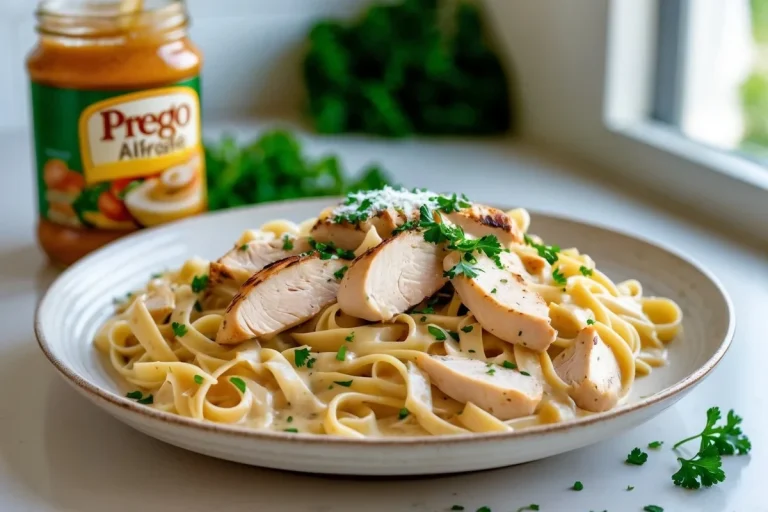
The sauce can matter more than the pasta shape. Creamy sauces, lots of cheese, and heavy oil can push calories up fast.
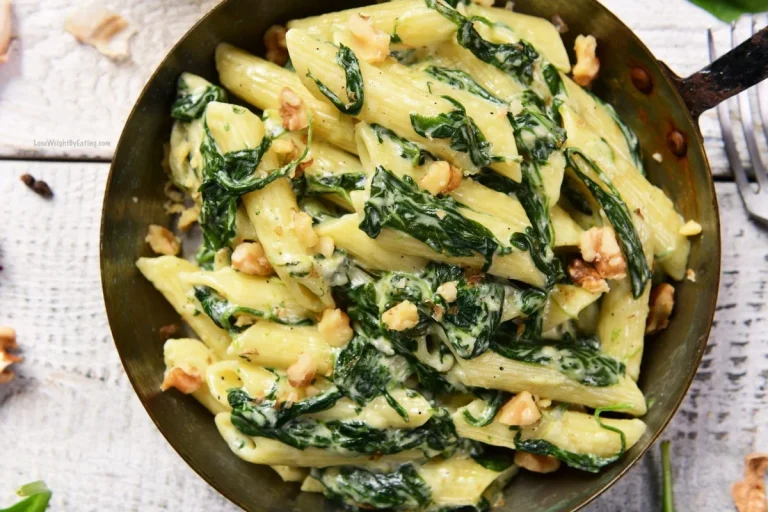
Vegetables, beans, tuna, chicken, and olive oil in modest amounts can improve the meal. They add fiber, protein, and better balance.
Build the bowl first with vegetables and protein. Then add the pasta or orzo as the base.
Health Benefits and Limits of Orzo
Orzo can be part of a healthy diet. The key is to use it in a smart way.
It works best when it plays a support role, not the whole show.
When orzo can fit a balanced diet
Orzo fits well in soups, grain-style salads, and simple one-pan meals. It can help make a meal feel comforting without much fuss.
If you use a reasonable portion and add protein, it can be a practical weeknight choice.
Where orzo falls short for fullness and blood sugar
Refined orzo digests quickly. That may leave some people hungry again sooner.
If you are watching blood sugar, refined orzo may not keep things as steady as a higher-fiber grain.
Best reasons to choose whole grain or high-fiber versions
Whole grain orzo gives you more fiber and a slower rise in blood sugar. That often helps with fullness too.
If your store carries it, that version is usually the better everyday pick.
- Use a smaller bowl so portions stay realistic.
- Add beans or chicken for a more filling meal.
- Mix in vegetables for more volume and fiber.
When Pasta May Be the Better Choice
Sometimes regular pasta is the smarter buy. It offers more shape options and often works better for larger family meals.
It can also be easier to find whole wheat and protein-rich versions in many stores.
Best pasta types for fiber and satiety
Whole wheat spaghetti, penne, and rotini are strong choices if you want more fiber. Chickpea or lentil pasta can also add protein and fiber.
Those options may feel denser, but many people find them more satisfying.
Who should watch portions more closely
Anyone trying to manage weight, blood sugar, or large carb loads should watch portions. That includes people who eat pasta as a side, not a main dish.
Small shapes can be easy to overserve. A measuring cup or kitchen scale can help if you need consistency.
How pasta can support active lifestyles
Active people often need more carbs for energy. Pasta can be a useful base before or after exercise.
Pair it with protein and vegetables, and it becomes a solid recovery meal.
Nutrition labels can vary by brand. Check the serving size, since one cup on the label may not match your usual bowl.
How to Choose the Healthiest Option at the Store
The best choice starts with the label. A few quick checks can tell you more than the name on the box.
Look past the shape and focus on the grain, fiber, and protein.
Ingredient labels to check first
Short ingredient lists are usually easier to read. For wheat pasta, look for whole wheat flour if fiber matters to you.
If the box lists enriched flour, that means it is refined. That is fine sometimes, but it is not the top pick for fullness.
What to look for in whole grain and gluten-free versions
Whole grain versions usually bring more fiber. Gluten-free options vary a lot, so read the label closely.
Some gluten-free pastas use rice or corn and stay low in fiber. Others use beans or lentils and offer much more protein.
Cost and value differences between orzo and pasta
Cost and value depend on brand, store, and grain type. Basic refined orzo and basic pasta are often similar in price.
Specialty versions, like lentil pasta or whole grain orzo, can cost more. Still, they may be worth it if they help you feel full longer.
- Check the first ingredient for whole grain flour.
- Compare fiber and protein per serving.
- Look at serving size, not just the front label.
- Pick a shape that matches your recipes.
Common Mistakes That Make Either Choice Less Healthy
Most problems come from the meal, not the noodle. A small serving of pasta can become a heavy dish very fast.
That is why the add-ins matter so much.
Oversized portions and creamy sauces
Large portions can turn a simple dish into a calorie-heavy one. Cream sauces and lots of butter can do the same.
Try a lighter sauce base when you can. Tomato, broth, olive oil, or a mix of all three often works well.
Skipping protein and vegetables
If you skip protein, the meal may not hold you long. If you skip vegetables, you lose fiber and volume.
That is an easy way to end up hungry again soon after dinner.
Choosing refined grains too often
Refined grains are not banned. But if they show up at every meal, you may miss out on fiber and better fullness.
Mix in whole grains when you can. Even a few swaps each week can help.
If you have a medical diet for blood sugar, kidney health, or allergies, follow your clinician’s advice and the product label.
Final Recommendation: Which One Should You Buy?
For most people, the healthiest choice is the one with more fiber and a balanced plate. That often means whole wheat pasta, though whole wheat orzo can also work well.
If you want a fast side dish or soup add-in, orzo is a fine pick. If you want more fullness, pasta shapes made from whole grains or legumes often do better.
Best pick for weight goals, family meals, and quick dinners
For weight goals, choose the version with more fiber and keep the portion modest. For family meals, regular pasta may be easier to stretch and pair with sauce.
For quick dinners, orzo wins on speed and ease in soups or skillet meals.
Simple verdict based on nutrition and use case
Is orzo healthier than pasta? Usually not by itself. The healthier choice is the one that gives you more fiber, enough protein, and a portion that fits your meal.
If you want the simplest rule, choose whole grain first, then pick the shape that helps you eat well and feel satisfied.
Orzo is not automatically healthier than pasta. Whole grain pasta often gives better fiber and fullness, while orzo works well in soups, salads, and quick sides.
- Orzo and pasta are nutritionally similar in refined form.
- Whole grain and legume versions usually offer better nutrition.
- Sauce, protein, and vegetables matter more than shape alone.
- Pick the option that fits your goals and your recipe.
Frequently Asked Questions
Not usually by itself. Orzo is a pasta shape, so its nutrition is often very similar to other refined pasta shapes.
Whole wheat pasta often feels more filling because it has more fiber. Orzo can still be filling if you add protein and vegetables.
Often, yes. Whole wheat orzo usually has more fiber than refined white pasta, which can help with fullness.
Check the first ingredient, fiber, and protein per serving. Whole grain flour is usually a better choice than enriched refined flour.
Yes, if you keep portions modest and build a balanced meal. Add vegetables and lean protein so the dish feels more filling.
Use a lighter sauce, add vegetables, and include a protein source. Whole grain or legume-based options are often the best nutrition choice.