Is There a Cold Brew Coffee Maker You Should Buy

Yes, a cold brew coffee maker can be worth buying if you make cold brew often. A simple jar may be better if you only brew it once in a while.
Yes, there is a cold brew coffee maker, and it can be a smart buy if you make cold brew often. The right one can save time, cut mess, and make your coffee taste more consistent.
That said, you do not need a fancy machine to make cold brew at home. A simple pitcher, jar, or mesh filter can work well if it fits your kitchen and your habits.
- Best use: Regular cold brew drinkers get the most value.
- Cleanup matters: Simple filters and fewer parts make daily use easier.
- Size counts: Pick a brewer that fits your fridge and batch needs.
- Flavor control: Grind size and steep time shape taste the most.
Is There a Cold Brew Coffee Maker You Should Buy? The Short Answer
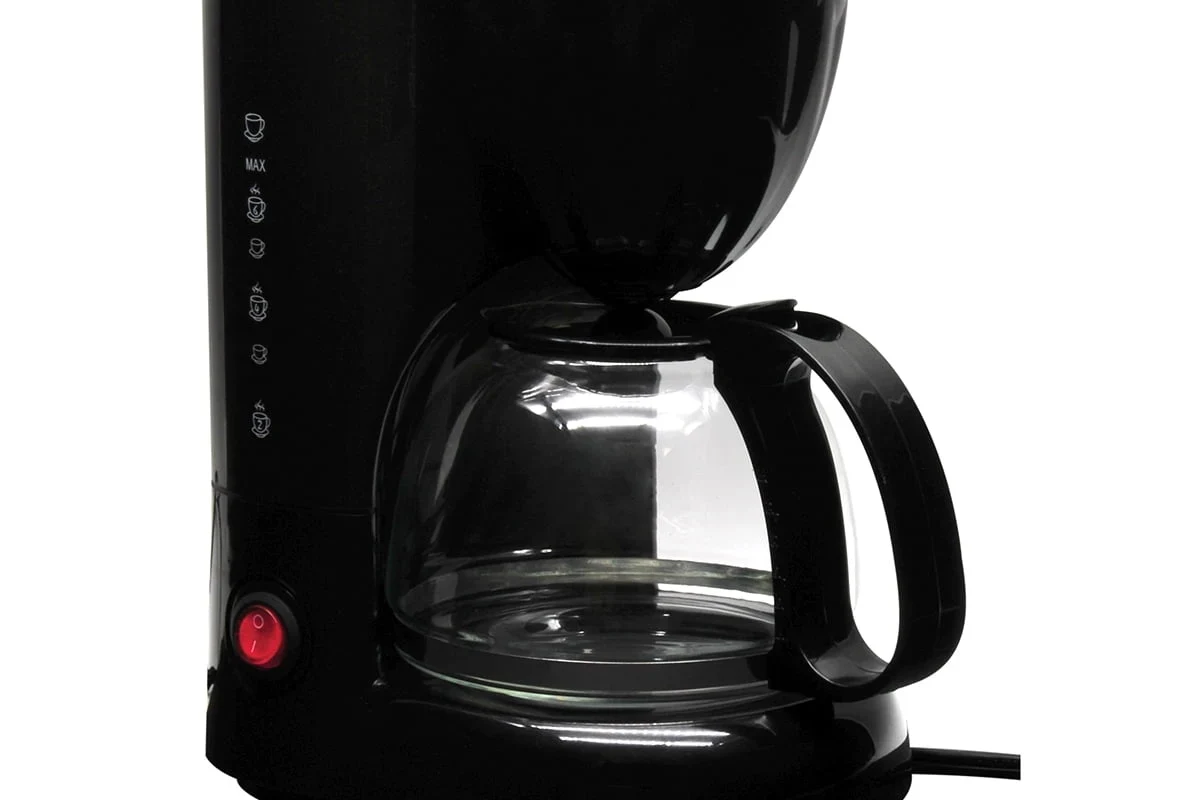
If you drink cold brew a few times a week, a cold brew coffee maker can be worth it. It helps you steep coffee in a clean, easy way and makes straining less annoying.
If you only want cold coffee once in a while, a basic jar and filter may be enough. In that case, paying more for a special brewer may not add much value.
Buy a cold brew coffee maker if you want easier cleanup, steadier results, and regular use. Skip it if you only make cold brew now and then.
What a Cold Brew Coffee Maker Does and How It Works
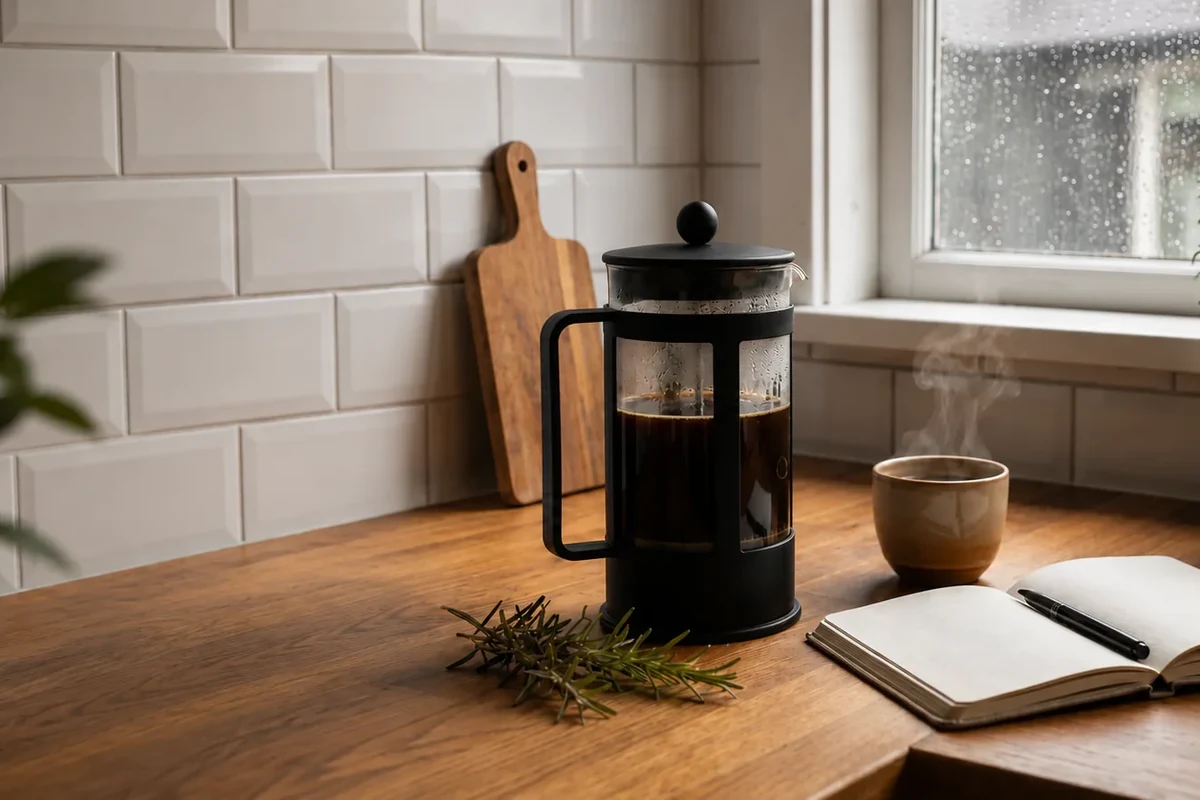
A cold brew coffee maker soaks ground coffee in cool or room-temperature water for many hours. The brewer then keeps the grounds separate from the finished drink.
That long soak pulls flavor from the coffee in a slow, gentle way. It usually gives you a smooth drink with less sharp bite than hot-brewed coffee.
Basic parts and setup
Most cold brew makers have a container, a filter basket or mesh insert, and a lid. Some also include a spout for easy pouring.
Setup is usually simple. Add coffee, add water, wait, then remove the grounds or lift out the filter.
How steeping time changes flavor
Steeping time changes both taste and strength. A shorter steep can taste lighter and brighter.
A longer steep usually gives a bolder cup. But too much time can make the brew taste flat or bitter.
Cold brew often tastes less acidic than hot coffee because heat is not part of the process.
Types of Cold Brew Coffee Makers to Consider in 2026
In 2026, you can choose from several cold brew styles. The best one depends on your space, budget, and how much coffee you make.
Jar and pitcher styles
These are the most common options. They look like a simple pitcher or jar with a built-in filter.
They work well for many homes because they are easy to store and easy to use. They also fit well in most fridges.
Mesh filter and immersion systems
Immersion brewers let coffee and water sit together during steeping. A fine mesh filter then helps separate the grounds.
These systems often make cleanup easier than loose grounds in a plain jar. They can also help keep the brew clearer.
Compact and travel-friendly options
Some cold brew makers are made for small kitchens or single servings. These can be useful if you live alone or have little fridge space.
Travel-friendly brewers may also work for dorms or offices. Just check the lid, seal, and material before you buy.
Best for small fridges and tight counters.
Best for regular batch brewing at home.
How to Choose the Right Cold Brew Coffee Maker
The best cold brew coffee maker is the one you will actually use. Start with size, cleanup, and storage, then look at price.
Capacity and batch size
Think about how much cold brew you drink in a week. A single person may want a small brewer, while a family may need a larger pitcher.
Big brewers can be handy, but they also take more fridge space. Small brewers are easier to store but may need more frequent refills.
Filter quality and cleanup
Filter quality matters more than many buyers expect. A better filter can keep grit out of your cup and make the drink smoother.
Cleanup matters too. If a brewer has too many parts, you may stop using it.
Material, durability, and storage space
Glass, plastic, and stainless steel all have trade-offs. Glass can feel sturdy and clean, but it may be heavier and easier to break.
Plastic is often lighter and cheaper. Stainless steel can be durable, but it may cost more and hide the brew inside.
Price, value, and long-term use
Value is not just about the sticker price. It also includes cleanup time, part quality, and how long the brewer lasts.
If you make cold brew often, a better-made model may pay off over time. If not, a basic option may be the smarter choice.
- Check capacity and fridge fit
- Look at filter design and cleanup
- Review materials, lid fit, and storage space
- Read the warranty and manual first
Benefits and Limits of Using a Cold Brew Coffee Maker
Cold brew makers can make home coffee easier and more repeatable. Still, they are not the best fit for every kitchen.
Why home cold brew can save money
Making cold brew at home usually costs less than buying it from a shop. You control the coffee amount, the water, and the batch size.
That can be a real win for daily drinkers. Over time, even small savings can add up.
Flavor, strength, and ease of use
Cold brew often tastes smooth and mellow. Many people like it because it feels less harsh than hot coffee.
It is also easy to make once you learn your ratio. The main work happens at the start, then the brewer does the rest.
- Simple batch brewing at home
- Less mess than loose jar steeping
- More consistent flavor from one batch to the next
When a maker may not be worth it
You may not need a special brewer if you make cold brew only once a month. A mason jar and strainer can do the job.
It may also be a poor fit if your fridge is tiny or your counter is already crowded.
How to Make Better Cold Brew at Home
Good cold brew starts with simple habits. Use the right grind, give it enough time, and keep your setup clean.
Coffee-to-water ratios that work well
There is no single perfect ratio. Many home brewers start with a strong ratio and adjust from there.
If the brew tastes too strong, add more water when serving. If it tastes weak, use more coffee next time.
- Write down your ratio so you can repeat it
- Dilute only when serving if you want a stronger concentrate
- Taste the first batch before changing too many things
Grind size, steep time, and water choice
A coarse grind usually works best. Fine grounds can slip through filters and make the drink muddy.
Water quality also matters. If your tap water tastes odd, your cold brew may taste odd too.
Exact steep times vary by brewer, coffee type, and taste. Follow the manual if your maker gives a time guide.
Simple add-ins and serving ideas
You can serve cold brew over ice, with milk, or with a splash of sweetener. Some people like vanilla, cinnamon, or a little chocolate syrup.
Keep add-ins simple at first. That makes it easier to taste the coffee itself and adjust next time.
Common Mistakes, Safety Tips, and Cleaning Advice
Most cold brew problems come from grind size, steep time, or weak cleanup habits. A few small fixes can improve the result fast.
Grind too fine or steep too long
Too-fine coffee can clog filters and leave sediment in the cup. It can also make cleanup much harder.
Steeping too long can push the flavor in the wrong direction. If that happens, shorten the next batch.
Your cold brew tastes muddy or bitter.
Use a coarser grind and shorten the steep time on the next batch.
Food safety and storage basics
Cold brew should go into a clean container and into the fridge after steeping, unless your manual says otherwise. Do not leave brewed coffee out too long.
If it smells off, looks strange, or tastes wrong, throw it out. When in doubt, make a fresh batch.
Follow your brewer manual and food-safety guidance. Stop using any container with cracks, leaks, or damaged seals.
Cleaning filters, pitchers, and lids
Rinse parts soon after use so coffee oils do not build up. A quick wash is easier than scrubbing dried residue later.
Check whether the parts are dishwasher safe before you load them. Not every brewer can handle the same cleaning method.
Dump grounds, rinse parts, and wash with mild soap.
Check seals, lids, and filters for wear or buildup.
Final Verdict: Who Should Buy a Cold Brew Coffee Maker?
A cold brew coffee maker makes sense if you want easy, repeatable cold coffee at home. It is especially useful if you drink it often and want less mess.
If you only brew now and then, a simple jar may be enough. That choice can save money and storage space.
Best for daily drinkers
Daily drinkers usually get the most value from a dedicated maker. The convenience and cleaner filtering can make the routine much easier.
Best for budget shoppers and small kitchens
Budget shoppers should look for a basic, easy-clean model. Small kitchens should focus on compact size, simple parts, and fridge fit.
Best alternatives if you do not need a maker
If you want to keep things simple, use a jar, a large pitcher, or a reusable mesh filter. Those options can make good cold brew without adding another appliance.
So, is there a cold brew coffee maker you should buy? Yes, if you value ease and regular use. If not, a simple home setup may be the better fit.
Choose a cold brew coffee maker if you want cleaner brewing, easier cleanup, and regular cold coffee at home. Skip it if you only make cold brew sometimes or need the simplest possible setup.
Frequently Asked Questions
No, you do not need one. A jar, pitcher, and filter can make cold brew well if you want a simple setup.
A coarse grind usually works best. Fine grounds can make the drink cloudy and harder to filter.
Steep time varies by brewer and taste. Many people start with a long steep, then adjust the next batch if the flavor is too weak or too strong.
Rinse the parts soon after use, then wash them with mild soap. Check the manual first to see which parts are dishwasher safe.
Usually, yes. Home cold brew often costs less than shop-bought cold brew, especially if you drink it often.
Check capacity, fridge fit, filter quality, cleanup, material, and warranty. Also review the manual so you know how the brewer should be used and cleaned.