Is Toaster Safe to Use? Must-Have Tips for Safe, Effortless Toasting

Is Toaster Safe to Use? Must-Have Tips for Safe, Effortless Toasting
Slug: is-toaster-safe-to-use
Toasters are generally safe to use when operated properly, with basic precautions like keeping them clean, avoiding metal objects inside, and using them on stable surfaces. Following simple safety tips ensures you enjoy perfect toast without risks like fire or electric shock.
Using a toaster seems straightforward, but many wonder, “Is toaster safe to use?” This question comes up because small kitchen appliances can cause accidents if misused. Toasters, in particular, involve heat and electricity—two things that need respect. Whether you’re a first-time buyer or just want safer kitchen habits, it’s smart to understand how to operate your toaster safely. This guide will walk you through step-by-step instructions, common mistakes, and expert tips to keep your toasting experience safe and hassle-free.
Step-by-Step Guide to Using Your Toaster Safely
- Place the toaster on a flat, stable surface. Ensure it’s away from water sources and not near curtains or flammable materials to reduce fire risk.
- Check the toaster’s cord and plug before use. Look for any damage or fraying. Using a damaged cord can cause electrical hazards.
- Insert bread slices properly. Place bread in the slots without forcing them. Avoid oversized or wet bread that can jam or cause sparks.
- Set the browning control to your preference. Start with a medium setting to avoid burning, which can cause smoke and odors.
- Never insert metal objects inside the toaster. Using forks or knives can cause electric shock or damage heating elements.
- Stay nearby while the toaster is operating. Keep an eye on the toasting process to prevent overheating or fire hazards.
- Unplug the toaster after use. This prevents accidental activation and saves energy, following Energy Star efficiency guidelines.
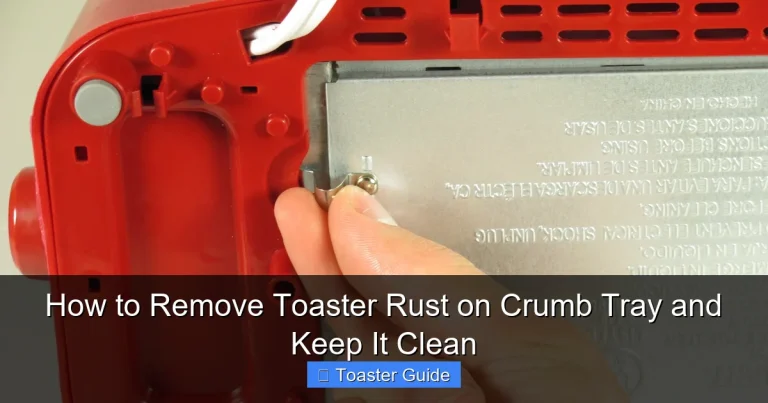
- Clean the crumb tray regularly. Remove crumbs to prevent buildup, which can ignite and cause fires.
Essential Lists for Safe and Easy Toasting
Tools and Materials Needed
- Toaster (preferably with safety certifications)
- Heat-resistant surface or mat
- Soft brush or small vacuum for crumb cleaning
- Non-metallic kitchen tongs (for removing stuck bread)
- Lint-free cloth for exterior cleaning
- Timer or kitchen alarm (optional for extra safety)
Common Mistakes to Avoid
- Ignoring damaged cords and plugs
- Inserting oversized or wet bread
- Using metal utensils inside the toaster slots
- Leaving the toaster unattended while in use
- Not cleaning crumbs regularly
- Placing the toaster too close to water or flammable items
Pro Tips for Safe and Effortless Toasting
- Choose a toaster with automatic shut-off features for added safety
- Use a crumb tray liner to make cleaning easier and faster
- Keep a fire extinguisher or baking soda nearby in the kitchen
- Test different browning levels to find your perfect toast without burning
- Use the “cancel” button if you notice smoke or smell burning
- Refer to your toaster’s manual for specific safety instructions, like this Breville toaster user manual
Tables for Quick Reference
| Common Toaster Problems | Causes | Solutions |
|---|---|---|
| Burnt Toast | High browning setting or leaving toast unattended | Start with medium settings; monitor toasting process |
| Toast Stuck Inside | Oversized bread or crumbs buildup | Use non-metal tongs to remove; clean crumb tray regularly |
| Toaster Not Heating | Damaged cord or faulty heating element | Inspect cord; consult support or replace toaster |
| Smoke or Burning Smell | Crumbs buildup or food debris | Clean crumb tray; unplug and avoid using until cleaned |
| Feature | Maintenance Tip | Safety Advice |
|---|---|---|
| Crumb Tray | Empty after every few uses | Prevents fire hazards from crumb buildup |
| Heating Elements | Do not touch; clean exterior only | Avoid metal objects to prevent electric shock |
| Power Cord | Check regularly for damage | Replace immediately if frayed or damaged |
| Exterior Surface | Wipe with damp cloth; avoid water inside | Keep dry to prevent electric hazards |
Frequently Asked Questions
Is it safe to leave a toaster unattended?
It’s best not to leave a toaster unattended while it’s in use. Even modern toasters can malfunction or overheat, posing a fire risk. Staying nearby allows you to stop the toaster immediately if you smell smoke or see any issues. For extra safety, choose models with automatic shut-off features.
Can I put metal objects inside the toaster to retrieve stuck bread?
No, inserting metal objects like forks or knives inside the toaster is dangerous. It can cause electric shock or damage the heating elements. Instead, unplug the toaster and use non-metallic kitchen tongs to carefully remove stuck bread. Always follow your toaster’s safety instructions.
How often should I clean my toaster?
Cleaning the crumb tray after every few uses is ideal to prevent buildup that can cause fires. Wipe the exterior with a damp cloth regularly, but never immerse the toaster in water. Refer to your model’s specific cleaning guidelines, like those on the Philips appliance support page.
Are toaster ovens safer than traditional toasters?
Both appliances are safe when used properly. Toaster ovens offer more cooking options but generally require more space and attention. Traditional toasters are simpler and often have fewer parts that can malfunction. Choose based on your needs and always follow safety guidelines for either.
What should I do if my toaster sparks or smokes?
If your toaster sparks or emits smoke, immediately unplug it. Allow it to cool before inspecting for crumbs or food debris that might be causing the issue. Clean thoroughly before next use. If problems persist, consult the manufacturer’s support or consider replacing the unit.
Is it safe to use a toaster near water sources?
Toasters should never be used near water sources like sinks or wet countertops. Water and electricity create a serious shock hazard. Always place your toaster on a dry, stable surface away from any moisture to ensure safe operation.
Can using a toaster increase energy bills significantly?
Toasters are generally energy-efficient appliances, especially those with Energy Star ratings. Using your toaster for short periods consumes minimal power compared to ovens or stovetops. For more energy-saving tips, check the Energy Star efficiency guidelines.
Conclusion
Toasters are safe kitchen helpers when used with care and attention. By placing them on stable surfaces, avoiding metal utensils, and cleaning crumb trays regularly, you reduce risks like fire or electrical hazards. Choose models with safety features and always inspect cords before use. Remember, staying nearby while toasting and unplugging afterward adds extra peace of mind. With these simple steps and pro tips, you can enjoy warm, crispy toast every day without worry. Feel confident in your toaster’s safety and make it a reliable part of your busy kitchen routine.
[Related Article: Best Toaster Ovens]
[Related Article: How to Clean Kitchen Appliances Safely]
[Related Article: Energy-Efficient Small Kitchen Appliances]