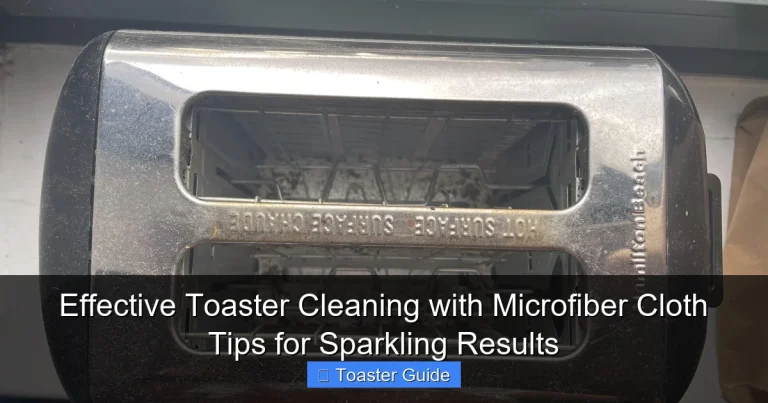
Toaster Crumbs Attract Ants: The Must-Have Guide to Stop Them Effortlessly

Toaster Crumbs Attract Ants: The Must-Have Guide to Stop Them Effortlessly
Toaster crumbs attract ants because they provide a steady food source in your kitchen. Regularly cleaning toaster trays and crumbs away stops ants from invading. Simple daily habits and a few natural repellents keep your toaster crumb problem—and ants—under control without harsh chemicals.
Ants invading your kitchen can be frustrating, especially when the culprit is something as small as toaster crumbs. These tiny food particles often go unnoticed but become a magnet for ants looking for easy snacks. If you’ve ever found ants crawling around your toaster or kitchen counters, you’re not alone. Luckily, managing this issue doesn’t require complicated pest control or expensive products. With a few straightforward steps, you can keep your toaster crumb problem—and ants—under control. This guide will walk you through practical cleaning tips, preventive measures, and natural deterrents that anyone can easily follow.
Why Do Toaster Crumbs Attract Ants?
Understanding why ants are drawn to toaster crumbs is the first step to stopping them. Ants are opportunistic feeders that search for sugar, starches, and other food particles. Crumbs from bread, bagels, and pastries often fall into toaster trays or onto countertops, creating an inviting food source.
Here’s why toaster crumbs are such a problem:
- Easy access: Crumbs fall into hard-to-reach toaster trays, making them a hidden food stash.
- Consistent supply: Daily toaster use means new crumbs accumulate regularly, attracting ants over time.
- Warm environment: The warmth of the toaster can attract ants seeking shelter and food.
Ants communicate through pheromones, leaving trails to guide others to food. Once they find your toaster crumbs, they’ll keep coming back, and you may start to see ants elsewhere in your kitchen.
Common Ant Species Found in Kitchens
In the USA, several ant species commonly invade kitchens:
- Odorous house ants—attracted to sweets and greasy foods.
- Argentine ants—known for forming large colonies and invading homes.
- Pavement ants—feed on crumbs and other food debris.
Knowing which ants you’re dealing with can help tailor prevention and treatment, but the strategies below work well across species.
Step-by-Step Guide: How to Stop Toaster Crumbs Attracting Ants
Stopping ants starts with eliminating their food source. Here’s a clear, beginner-friendly process to keep your toaster crumb situation—and ants—under control.
- Unplug your toaster: Always unplug before cleaning for safety.
- Remove the crumb tray: Most toasters have a removable tray at the bottom—pull it out carefully.
- Empty and clean the crumb tray: Dispose of crumbs in a sealed trash can immediately to avoid attracting ants.
- Wipe down the tray: Use warm, soapy water and a soft cloth or sponge to remove residue.
- Clean inside the toaster: Turn the toaster upside down and gently shake to dislodge crumbs. Use a soft brush or a clean, dry toothbrush to sweep inside carefully.
- Wipe exterior surfaces: Clean the outside of the toaster with a damp cloth to remove crumbs and sticky residues.
- Dry all parts completely: Moisture can attract ants and cause rust.
- Replace the crumb tray: Slide the clean tray back into place.
- Regular maintenance: Repeat this cleaning weekly or more often if you use your toaster daily.
Following these steps consistently cuts off the ants’ food supply, making your kitchen less inviting.
Pro Tips for Cleaning Toasters Safely
- Use a soft brush: Avoid metal tools that can damage your toaster’s heating elements.
- Never immerse your toaster in water: This can ruin the appliance and pose an electric hazard.
- Consult your toaster’s user manual: For model-specific cleaning instructions, refer to the Breville toaster user manual or manufacturer’s website.
- Schedule deep cleans: Every few months, unplug and carefully inspect for stuck crumbs or buildup.
Additional Tips to Prevent Ants in Your Kitchen
Cleaning your toaster is essential, but stopping ants requires a kitchen-wide approach.
Keep Your Kitchen Clean and Dry
Ants look for food and water. Wipe down counters, sweep floors, and clean up spills immediately. Avoid leaving dirty dishes or food containers out overnight.
Store Food Properly
Seal bread, cereals, and snacks in airtight containers. This denies ants access to other food sources, reducing their incentive to explore your kitchen.
Seal Entry Points
Inspect your kitchen for cracks, gaps, or openings where ants can enter. Use caulk or weather stripping to seal these areas. Check around windows, doors, and baseboards.
Use Natural Ant Deterrents
Some household items can discourage ants naturally:
- Vinegar: Wiping surfaces with a mixture of equal parts vinegar and water disrupts ant scent trails.
- Lemon juice: Spraying lemon juice near entry points or on countertops repels ants.
- Cinnamon or coffee grounds: Sprinkle near toaster or suspected entry points to deter ants.
Set Up Ant Baits if Needed
If ants persist, consider placing ant baits near their trails. These baits attract ants, which then carry poison back to their colonies. Always follow label instructions and keep baits away from children and pets.
Common Mistakes to Avoid When Dealing with Toaster Crumbs and Ants
Even with the best intentions, some habits can make your ant problem worse.
- Ignoring crumbs: Letting crumbs build up inside or around the toaster invites ants.
- Using harsh chemicals inside the toaster: This can damage your appliance and pose health risks.
- Not drying cleaned parts: Moisture attracts ants and can cause appliance damage.
- Leaving food out: Ants are opportunistic; exposed food anywhere in your kitchen encourages more ants.
- Improper bait placement: Placing baits far from ant trails or in unreachable spots reduces effectiveness.
Proven Tools and Products for Maintaining a Crumb-Free Toaster
Besides regular cleaning, a few tools can make the job easier and more effective:
- Crumb catchers: Silicone mats or trays placed under the toaster catch falling crumbs for easy cleanup.
- Small handheld vacuum: A compact kitchen vacuum with a narrow nozzle can suck up crumbs inside your toaster safely.
- Soft-bristled brushes: Designed for appliance cleaning, these brushes reach crevices without damage.
| Tool | Purpose | Pros | Cons |
|---|---|---|---|
| Silicone crumb catcher mat | Collects crumbs under toaster | Easy to clean, reusable, inexpensive | Needs regular emptying |
| Handheld vacuum | Removes crumbs inside toaster | Effective, quick, versatile | Requires charging or batteries |
| Soft-bristled cleaning brush | Clears crumbs from tight spaces | Non-damaging, affordable | Manual effort needed |
How to Maintain Your Toaster and Kitchen to Avoid Ant Problems Long-Term
Stopping ants permanently means making crumb control and kitchen cleanliness part of your routine.
- Weekly toaster cleaning: Empty crumb trays and wipe down surfaces.
- Daily countertop wipe-down: Remove crumbs and spills immediately.
- Food storage check: Keep all pantry items sealed and inspect for any openings.
- Regular pest inspection: Look for ant trails or nests around your kitchen and entry points.
- Seasonal deep clean: Every few months, unplug appliances and clean thoroughly.
Consistent habits reduce ant attraction and keep your kitchen hygienic and safe.
Frequently Asked Questions (FAQ)
Why do ants keep coming back even after cleaning toaster crumbs?
Ants leave pheromone trails that guide others to food sources. If crumbs remain or trails aren’t disrupted, more ants will follow. Regular cleaning and wiping surfaces with vinegar or lemon juice help erase trails and discourage ants.
Can I use insecticides inside or near my toaster?
It’s not safe to spray insecticides inside or directly on kitchen appliances due to health risks and potential damage. Instead, focus on cleaning and natural deterrents. If insecticides are necessary, use baits placed away from food and appliances.
How often should I clean my toaster to prevent ants?
Weekly cleaning of the crumb tray and wiping down the toaster exterior is ideal, especially with daily use. More frequent cleaning helps prevent crumbs from building up and attracting ants.
Are natural remedies like vinegar and lemon juice effective against ants?
Yes, vinegar and lemon juice disrupt ant scent trails and deter them from entering treated areas. They are safe, inexpensive, and easy to use regularly as part of kitchen cleaning.
What’s the best way to store bread and other toaster foods to avoid ants?
Store bread and snacks in airtight containers or resealable bags. Keep them in cool, dry places away from potential ant entry points to reduce the chances of infestation.
Can ants damage my toaster or other kitchen appliances?
While ants don’t usually damage appliances structurally, their presence can cause hygiene issues and may lead to short circuits if they nest inside electrical devices. Keeping appliances crumb-free and clean protects both your kitchen and devices.
Where can I find detailed cleaning instructions for my specific toaster model?
Manufacturer websites often provide user manuals and cleaning guides. For example, you can find detailed instructions on the Cuisinart appliance support page or the Philips appliance support page.
Conclusion
Toaster crumbs may seem harmless, but they can quickly become a magnet for ants if left unchecked. The good news is that preventing and managing this issue is straightforward with consistent cleaning and simple kitchen habits. Regularly emptying crumb trays, wiping down surfaces, and sealing food containers cut off ants’ food supply, while natural repellents like vinegar and lemon juice discourage their return. Avoid harsh chemicals inside your toaster and focus on safe, effective maintenance.
By making these steps part of your routine, you’ll keep your toaster crumb problem—and ants—under control effortlessly. A clean kitchen not only protects your appliances but also creates a healthier, more pleasant cooking environment for your family. For additional tips, always check your appliance’s user manual, such as the Breville toaster user manual or manufacturer support pages, to ensure safe and effective care.