Top Toaster Settings FAQ Answers for Perfect Toast Every Time

Getting perfect toast is easier than you think! This guide answers the most common toaster settings FAQs, helping you understand each setting and how to use them for flawless results. Master your toaster and enjoy perfect toast every time you press the lever.
Key Takeaways
- Understanding toaster settings: Learn what each dial and button does for better control.
- Choosing the right setting: Different breads and preferences need different toasting levels.
- Timer vs. browning control: Know how the toaster timer impacts your toast’s color and texture.
- Special features explained: Defrost, bagel, and reheat modes and when to use them.
- Common troubleshooting: Tips to fix uneven toasting or toaster malfunctions.
- Maintenance tips: Keep your toaster clean and safe for the best performance.
- Safety first: Avoid common toaster hazards by following simple safety guidelines.
📑 Table of Contents
Introduction
Toasters are kitchen staples, yet many of us use them without fully understanding their settings. Have you ever wondered what the numbers on your toaster dial really mean? Or why your toast sometimes comes out too light or burnt? The truth is, mastering toaster settings can transform your morning routine and help you enjoy perfect toast every time.
Whether you prefer a light golden crisp or a deep brown crunch, knowing how to adjust your toaster’s settings is key. In this comprehensive guide, we’ll answer the most frequently asked questions about toaster settings, explain the purpose of each function, and share practical tips for flawless toasting. Ready to become a toast pro? Let’s dive in!
Understanding Toaster Settings Basics
What Do The Numbers Mean?
Most toasters feature a numbered dial, typically ranging from 1 to 7 or 1 to 9. These numbers represent the toasting time or browning level. Lower numbers mean shorter toasting with lighter color, while higher numbers increase the duration for darker and crispier toast. However, the exact heat and time may vary between brands and models.
For example, setting your toaster to 3 might give you a light golden toast perfect for delicate breads, while a setting of 6 or 7 produces a deep brown crisp for hearty slices.
Timer vs. Browning Control
It’s important to understand that the dial actually controls the toaster’s timer. The timer determines how long the heating elements stay on, which then affects the toast’s color and texture. Some modern toasters have browning control that adjusts power intensity instead of time. Understanding your toaster’s control type helps you better predict results.
For a more detailed explanation, check out our guide on how toaster timers work.
How Heat Is Distributed
Most toasters use heating elements on both sides of the bread slice to toast evenly. However, uneven toasting can occur due to bread thickness or toaster design. If you notice dark spots or uneven browning, adjusting your settings or bread placement may help.
Common Toaster Settings Explained
Defrost Setting
The defrost setting is designed to thaw frozen bread before toasting. It extends the toasting time to allow the bread to warm up and then toast without burning the surface. Use this setting when toasting frozen slices to get evenly browned toast without cold or soggy spots.
Bagel Setting
The bagel setting toasts only one side of the bread, usually the cut side of a bagel, while gently warming the other side. This prevents burning the outer crust and gives the interior a nice crisp. If you love bagels, this setting is indispensable.
Reheat Setting
The reheat function warms your toast without further browning it. This is perfect when your toast has cooled but you don’t want to risk burning it by running the toaster again. It uses low heat for a short time to bring toast back to temperature.
Cancel Button
If you want to stop toasting mid-cycle, press the cancel button. This immediately pops the toast up and turns off the heating elements. It’s useful if you see the toast getting too dark or if you need to pause for any reason.
Tips For Choosing The Right Setting
Consider Bread Type
Different breads toast differently. Thin white bread toasts quickly and can burn easily, so use a lower setting. Thick or dense breads like rye or whole grain need longer toasting times to get crispy. Sweet breads with sugar content might brown faster, so adjust accordingly.
Adjust For Bread Freshness
Fresh bread toasts differently than day-old bread. Fresh slices tend to have more moisture and may require a slightly higher setting to get crisp. Stale bread can toast quicker but may become too dry if overdone.
Personal Preference Matters
Everyone has their ideal toast color and crunch level. Experiment with settings from light (2-3) to medium (4-5) to dark (6-7) to find what suits your taste. Keep notes if needed!
Using Frozen Bread
Frozen bread requires the defrost setting or an increased timer setting to toast properly. Avoid using the highest settings to prevent burning the outside while the inside remains cold. For best results, thaw bread slightly before toasting or use the defrost mode.
Troubleshooting Common Toaster Issues
Uneven Toasting
If your toast is browning unevenly, check if the bread is placed properly and if the slots are clean. Sometimes crumbs or debris interfere with heat distribution. Also, try rotating the bread halfway through if possible. For more tips, see our guide on fixing uneven toasting.
Toast Stuck Inside
If bread gets stuck, unplug the toaster immediately. Use a wooden or plastic tool to carefully dislodge the bread—never use metal utensils to avoid electric shock. Regular cleaning can help prevent this issue.
Toaster Not Heating Properly
If your toaster isn’t heating or toasting correctly, verify it’s plugged in and the outlet works. A malfunctioning heating element may require professional repair or replacement. Learn more about repair options in our toaster repair guide.
Maintaining Your Toaster For Best Performance
Regular Cleaning
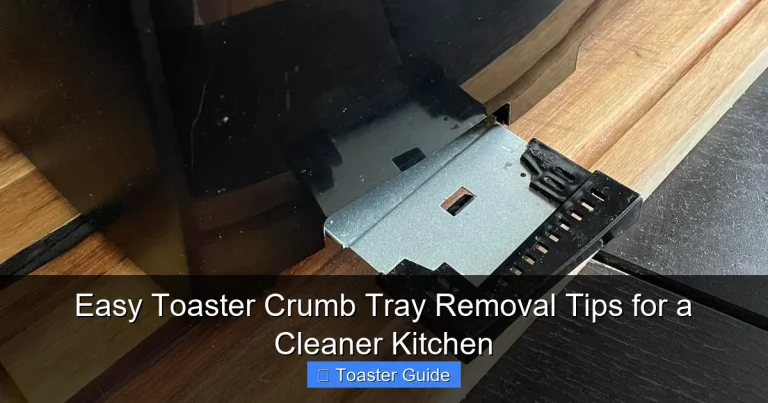
Cleaning your toaster regularly prevents crumb buildup, which can cause uneven heating or fire hazards. Remove the crumb tray and empty it often. Wipe down the exterior and interior gently to keep your toaster in top shape.
For detailed cleaning steps, refer to our ultimate toaster cleaning guide.
Safe Usage Practices
Always use your toaster on a flat, stable surface away from flammable materials. Do not insert metal objects or oversized items. Be cautious with buttered or sticky breads as they can cause smoke or fires. For safety tips, see our article on what not to put in your toaster.
When To Replace Your Toaster
If your toaster frequently malfunctions, gets uneven, or shows signs of wear, it might be time to replace it. Newer models often offer advanced features like digital controls and safety enhancements. Check out our guides on signs your toaster needs replacing for more info.
Conclusion
Perfect toast isn’t just luck—it’s a combination of understanding your toaster’s settings and a little practice. By knowing what each dial and button does, choosing the right setting for your bread type, and keeping your toaster clean and safe, you can enjoy delicious toast every morning without fail.
Remember, the key is experimentation and paying attention to how your toaster reacts to different settings. With this guide and some trial and error, you’ll soon become a toast master, impressing family and friends with perfectly browned slices every time.
Frequently Asked Questions
What does the toaster dial number mean?
The dial number usually represents the toasting time or browning level. Lower numbers produce lighter toast, while higher numbers result in darker, crispier slices.
When should I use the defrost setting on my toaster?
Use the defrost setting for frozen bread. It extends toasting time to thaw the bread first, ensuring even browning without burning the outside.
Why is my toast unevenly browned?
Uneven toasting can occur due to improper bread placement, crumb buildup, or toaster design. Cleaning the toaster and adjusting bread position can help.
Can I put buttered bread in my toaster?
It’s generally not recommended to put buttered bread directly in the toaster as melted butter can cause smoke or damage. For safe tips, refer to specialized guides on this topic.
What is the bagel setting for?
The bagel setting toasts only the cut side of the bagel while gently warming the other side, preventing burning and enhancing flavor.
How often should I clean my toaster?
Clean your toaster’s crumb tray and interior regularly, ideally once a week or after heavy use, to maintain performance and safety.