What Does an Electric Milk Frother Do and Why Use One

An electric milk frother adds air to milk and makes foam or a creamy texture. It’s a simple way to improve coffee drinks at home, especially if you want fast results.
An electric milk frother whips milk into foam or a light, creamy texture for coffee drinks. It can also heat milk in many models, which makes it handy for lattes, cappuccinos, and hot chocolate.
- Main job: It turns milk into foam or a smoother, creamier texture.
- Best use: It works well for lattes, cappuccinos, and cold foam drinks.
- Buying focus: Check capacity, cleaning, and hot or cold settings first.
- Big trade-off: Frothers are easier than steam wands, but foam quality varies.
What an Electric Milk Frother Does: The Simple Answer
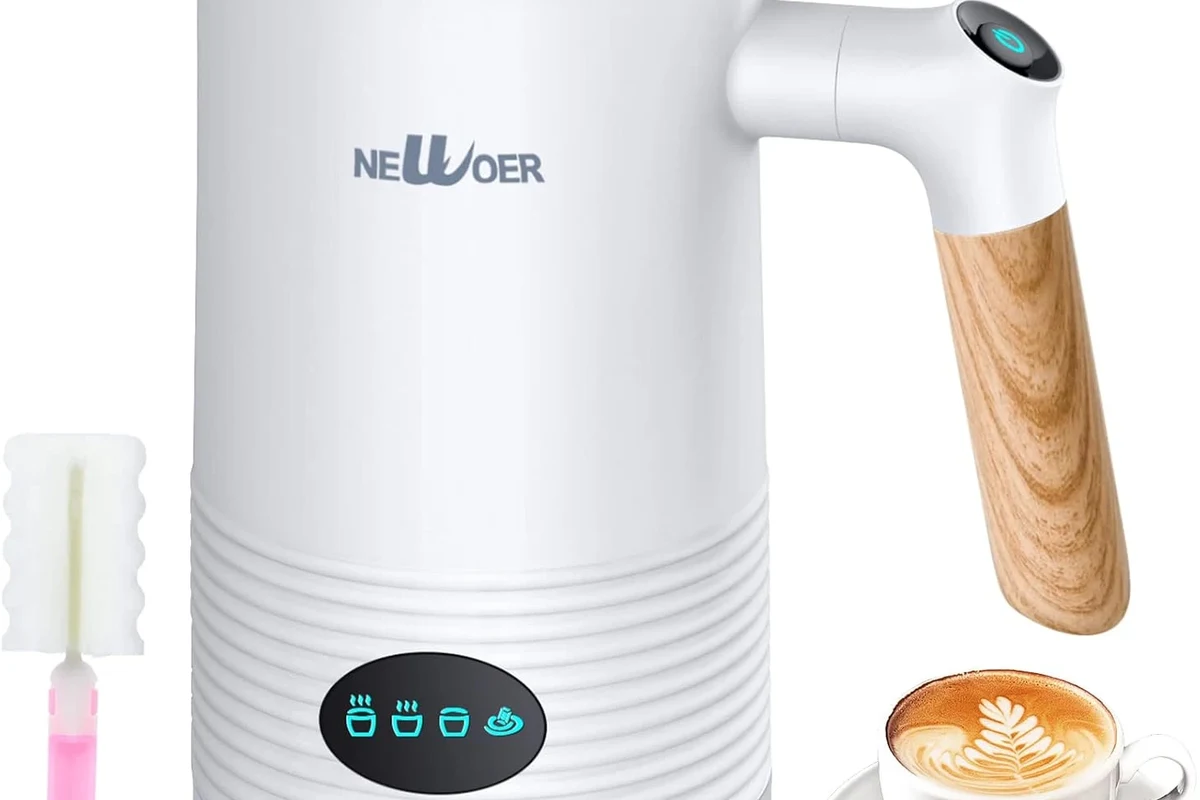
In plain terms, an electric milk frother adds air to milk. That air turns plain milk into foam, so your drink feels richer and looks more like a café drink.
Some frothers make thick foam. Others make a softer, silkier milk texture. Many models can also warm the milk at the same time.
That means one small tool can do a few jobs. It can top a cappuccino, smooth out a latte, or warm milk for a bedtime drink.
How an Electric Milk Frother Works
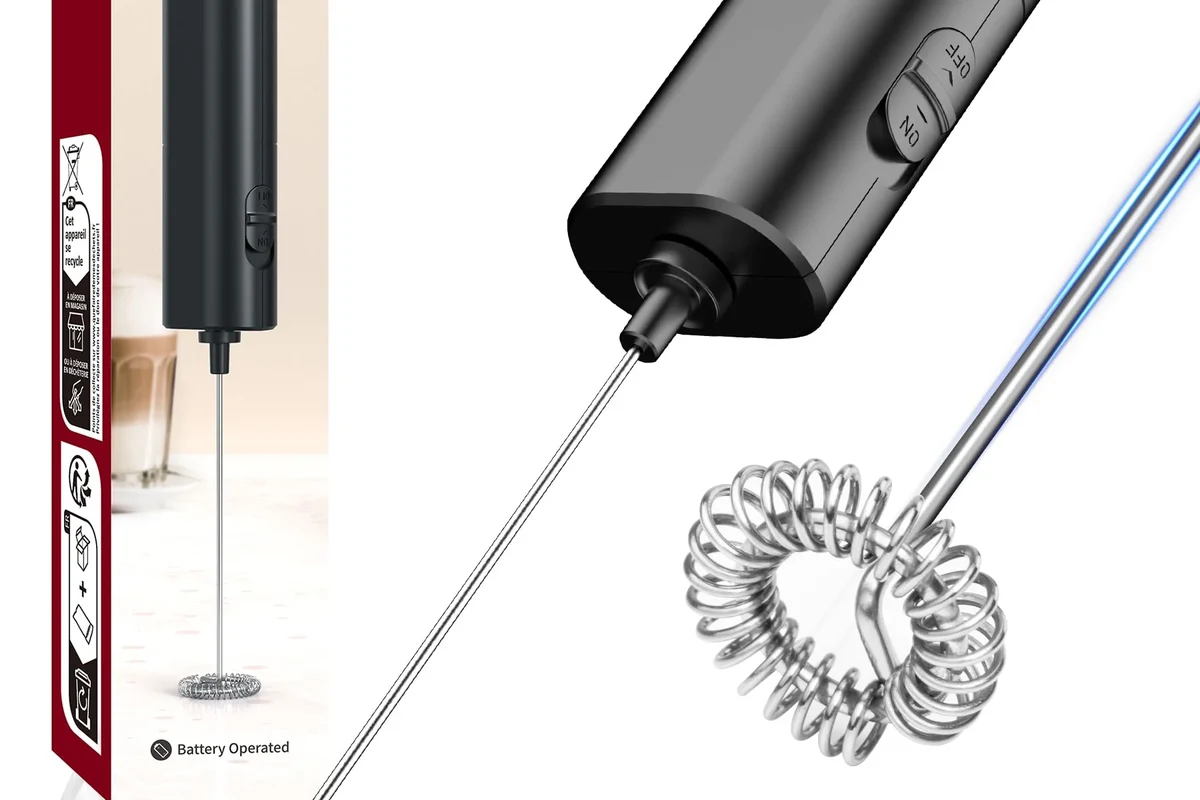
Most electric frothers use a small spinning whisk or disk. That part moves fast and pulls air into the milk.
As the milk moves, tiny bubbles form. Those bubbles create foam. The result depends on the milk, the fill level, and the frother’s design.
Milk foam stays more stable when the bubbles are small and even.
Frothing with a whisk or spinning disk
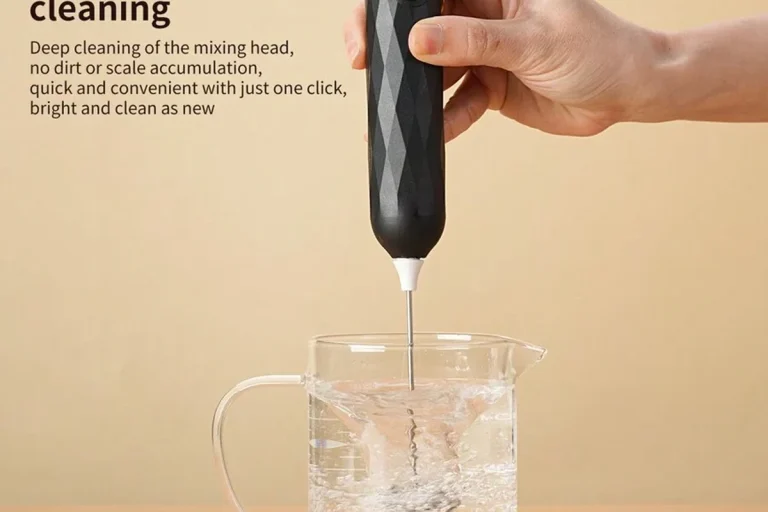
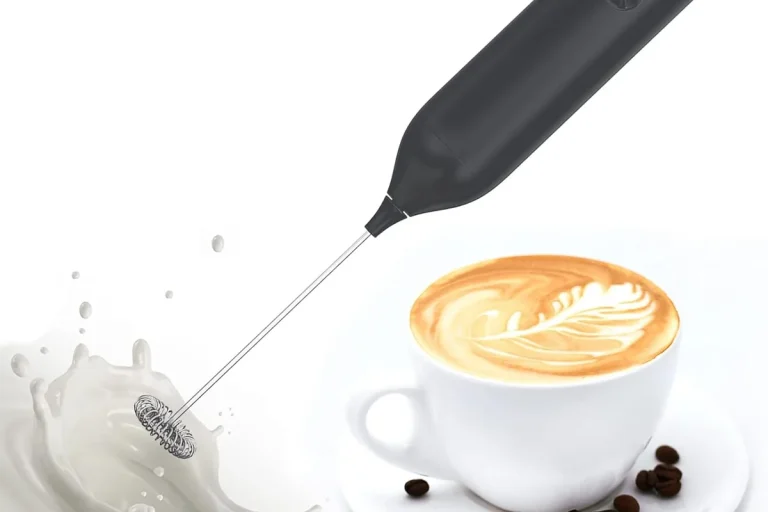
Many countertop frothers use a whisk at the bottom of the jug. Handheld frothers usually use a small spinning disk on the end of a wand.
The whisk or disk breaks up the milk and adds air fast. That is why frothers can make foam in less time than shaking milk by hand.
Countertop models often do more work for you. Handheld models give you more control and take up less space.
Adds air and builds foam quickly in moving milk.
Works well for small amounts and fast cleanup.
Why heat matters for foam and texture
Heat changes how milk feels and how foam forms. Warm milk can taste smoother and feel softer in coffee drinks.
But too much heat can hurt flavor and make foam less pleasant. That is why many frothers have hot and cold settings.
Follow your model’s manual for safe filling and heating limits. Hot milk can burn skin fast.
When to Use an Electric Milk Frother
An electric milk frother makes sense any time you want a drink with foam or a creamy top layer. It is especially useful when you want café-style drinks without a full espresso setup.
It also helps when you want speed. You can froth milk while your coffee brews, which keeps mornings simple.
Best drinks for foam and light creaminess
Frothers work well for drinks that need a soft top or light foam. They are also good for drinks where you want milk to feel smoother.
- Cappuccinos with thicker foam
- Lattes with light, silky milk
- Macchiatos with a small foam cap
- Hot chocolate with a creamy finish
- Iced coffee drinks with cold foam
They can also help with matcha, chai, and milk-based dessert drinks. Results vary by milk type and the frother’s power.
How it helps at home, in the office, and in small kitchens
At home, a frother gives you a quick coffee upgrade without much mess. In an office, it can make a basic drink feel more special.
In a small kitchen, size matters. A frother can do the job of a bigger milk setup without taking much counter space.
Some frothers are better for one cup at a time. Check the jug size before you buy if you often make drinks for more than one person.
Key Features to Look For Before You Buy
The best frother for you depends on how you drink coffee and how much space you have. A few simple features matter more than flashy extras.
Hot and cold froth settings
Hot froth suits lattes, cappuccinos, and warm drinks. Cold froth works well for iced coffee and cold foam drinks.
If you like both styles, a dual setting adds more value. If you only drink hot coffee, a basic hot-only model may be enough.
Capacity, speed, and ease of use
Capacity tells you how much milk the frother can handle at once. This matters a lot if you serve more than one cup.
Speed also matters, but faster is not always better. A good frother should make foam well without splashing or overflowing.
Materials, power, and cleanup design
Stainless steel and coated jugs often clean more easily than bare plastic. A removable whisk or a nonstick interior can also help.
Power and motor design vary by model, so check the maker’s specs. Some frothers are built for light home use, while others handle more frequent use better.
- Check capacity and footprint for your counter
- Look for hot and cold settings if you want both
- Review cleaning steps in the manual
- Confirm warranty terms and safety instructions
Benefits and Limits of Electric Milk Frothers
Electric frothers save time and make drinks feel more polished. They are easy to use, even if you do not have barista skills.
Still, they do have limits. They cannot fully replace every espresso tool, and results vary by milk and model.
Why they save time and improve drinks
A frother can turn plain milk into a better drink in seconds or minutes. That makes it useful on busy mornings.
It also helps with consistency. Instead of guessing by hand, you get a more repeatable result from cup to cup.
- Faster than manual frothing
- Easy for beginners to use
- Improves texture and presentation
- Works well in small spaces
Where they fall short compared with steam wands
Steam wands can create very fine foam and strong heat control when used well. That makes them a better fit for some espresso drinks.
Electric frothers are simpler, but they do not always match the texture from a steam wand. They also may not heat milk as evenly in every model.
- Simple and quick for daily use
- Good for small kitchens and easy storage
- Less skill needed than steaming by hand
- Not always as fine as steam-wand foam
- Capacity can be limited
- Cleanup still matters after every use
Common Mistakes People Make
Most frother problems come from simple user errors. The good news is that many of them are easy to avoid.
Using the wrong milk or filling past the line
Different milks foam in different ways. Dairy milk often foams well, while many plant milks vary a lot by brand.
Filling past the max line can cause overflow. That can make a mess and may also affect how the frother works.
Foam spills over or looks thin and wet.
Use the fill line, and try a milk type made for frothing.
Overheating, underfilling, or skipping cleaning
Too much heat can flatten foam and dull the taste. Too little milk can also lead to weak results or poor whisk action.
Skipping cleaning can leave milk residue behind. That can hurt taste and may shorten the life of the frother.
- Clean the jug and whisk after each use
- Use the right milk level for your model
- Let hot parts cool before washing
- Do not run the frother empty
- Do not ignore burnt milk smells
- Do not soak parts the manual says to keep dry
How to Clean and Maintain an Electric Milk Frother
Good cleaning is part of good frothing. Milk residue can build up fast, so a quick routine helps a lot.
Always follow the manual first. Model designs differ, and some parts can go in water while others cannot.
Daily cleaning steps
Unplug the frother before cleaning if the manual calls for that. Let hot parts cool before you touch them.
Wash the jug, lid, and whisk as directed. Wipe the base with a damp cloth only if the maker says that is safe.
Rinse or wash milk-contact parts right away.
Check for milk film, buildup, or worn parts.
Inspect seals, whisk parts, and the power cord for wear.
Long-term care for better foam and longer life
Dry parts fully before storing them. That helps prevent smells and keeps buildup from sticking.
If foam quality drops, check for residue first. A dirty whisk or jug often causes weak results before the motor does.
Stop using the frother if the cord is damaged, the base smells burnt, or the unit acts oddly.
Is an Electric Milk Frother Worth It? Final Recommendation
For most coffee drinkers, yes, an electric milk frother is worth it. It is a simple way to get better texture, faster mornings, and more café-style drinks at home.
The best choice depends on your habits. A basic model works well for occasional use, while a more durable model makes sense for daily coffee.
Who should buy one and who can skip it
Buy one if you like lattes, cappuccinos, or cold foam drinks. It is also a smart pick if you want a small, easy coffee upgrade.
You can skip it if you never use milk drinks. You may also skip it if you already have a steam wand and like manual control.
Electric Milk Frother
Best for people who want quick foam, simple controls, and less mess. The main trade-off is that results vary by model and milk type.
Best value tips for 2026 shoppers
In 2026, the best value usually comes from a model that fits your drink style, cleans easily, and matches your space. Do not pay extra for features you will not use.
Before you buy, check the manual, the capacity, the cleaning steps, and the warranty. That small bit of homework can save a lot of hassle later.
- An electric milk frother adds air and changes milk texture.
- It works best for coffee drinks, hot cocoa, and cold foam.
- Capacity, cleaning, and settings matter more than flashy extras.
- Steam wands can make finer foam, but frothers are easier.
Frequently Asked Questions
It adds air to milk and turns it into foam or a creamy texture. Many models can also heat the milk for hot drinks.
It works well for lattes, cappuccinos, macchiatos, hot chocolate, and cold foam drinks. Results vary by milk type and frother design.
A steam wand can make finer foam and gives more control in skilled hands. A frother is easier to use and better for quick home drinks.
Dairy milk often froths well, but many plant milks vary by brand and recipe. Check the label for frothing or barista-style options.
Clean milk-contact parts after each use and follow the manual for safe washing. Do not soak or wet any base parts unless the maker says it is safe.
Check capacity, hot and cold settings, cleaning steps, and warranty terms. Also confirm the size fits your counter and your usual drink routine.