What Is a Good Cold Brew Coffee Maker for Your Kitchen

A good cold brew coffee maker is one that fits your fridge, cleans up easily, and strains coffee well. For most homes, a simple pitcher-style brewer with a fine filter is the best choice.
A good cold brew coffee maker is easy to fill, easy to clean, and fits your fridge well. The best one for you depends on batch size, filter style, and how much cleanup you want to do.
- Best overall: Pitcher-style brewers suit most home kitchens.
- Top priority: Choose a fine filter and easy cleanup.
- Capacity matters: Buy for your real weekly coffee use.
- Common mistake: Coarse grind works better than fine grind.
What Is a Good Cold Brew Coffee Maker? A Quick Answer
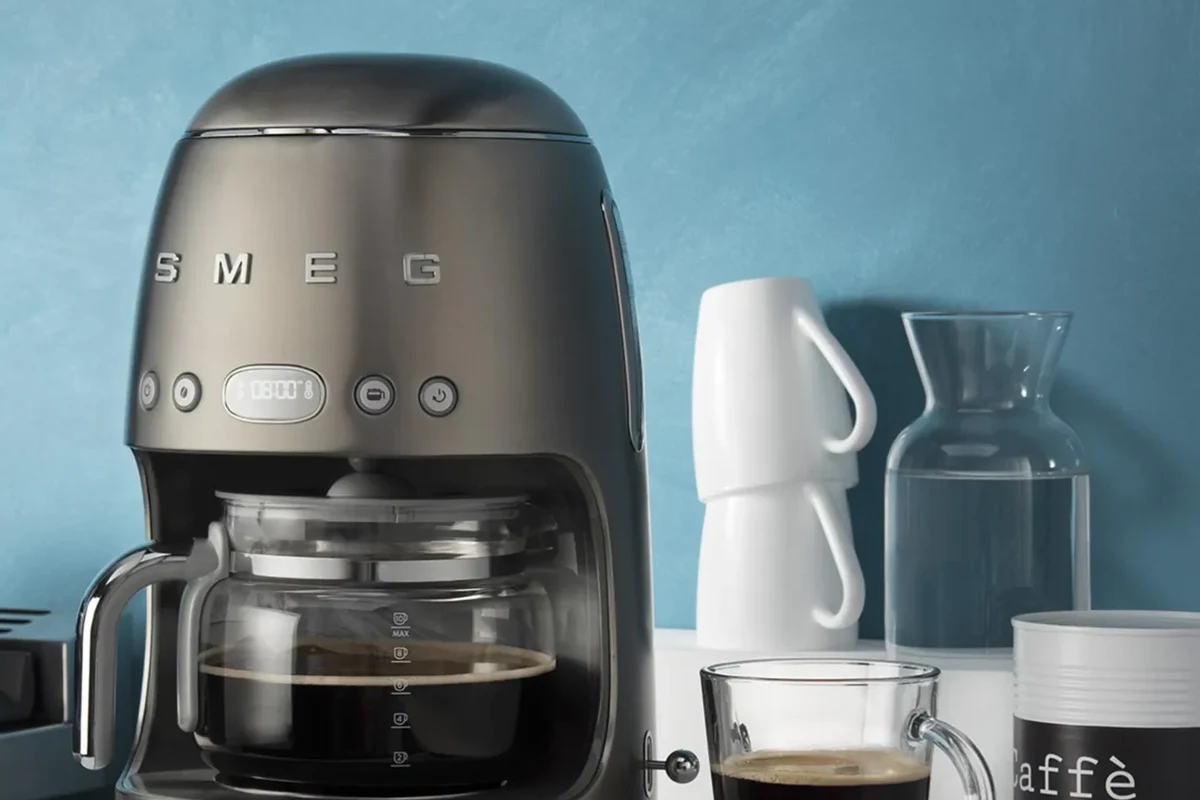
A good cold brew coffee maker makes smooth coffee with little fuss. It should hold enough grounds and water for your routine, strain well, and store neatly in the fridge.
For most homes, the best choice is a brewer with a fine filter, a sturdy jar or pitcher, and a lid that seals well. If you want less mess, look for removable parts and wide openings for cleaning.
In short: a good cold brew maker should match your daily habits, not just look nice on the counter.
How a Cold Brew Coffee Maker Works
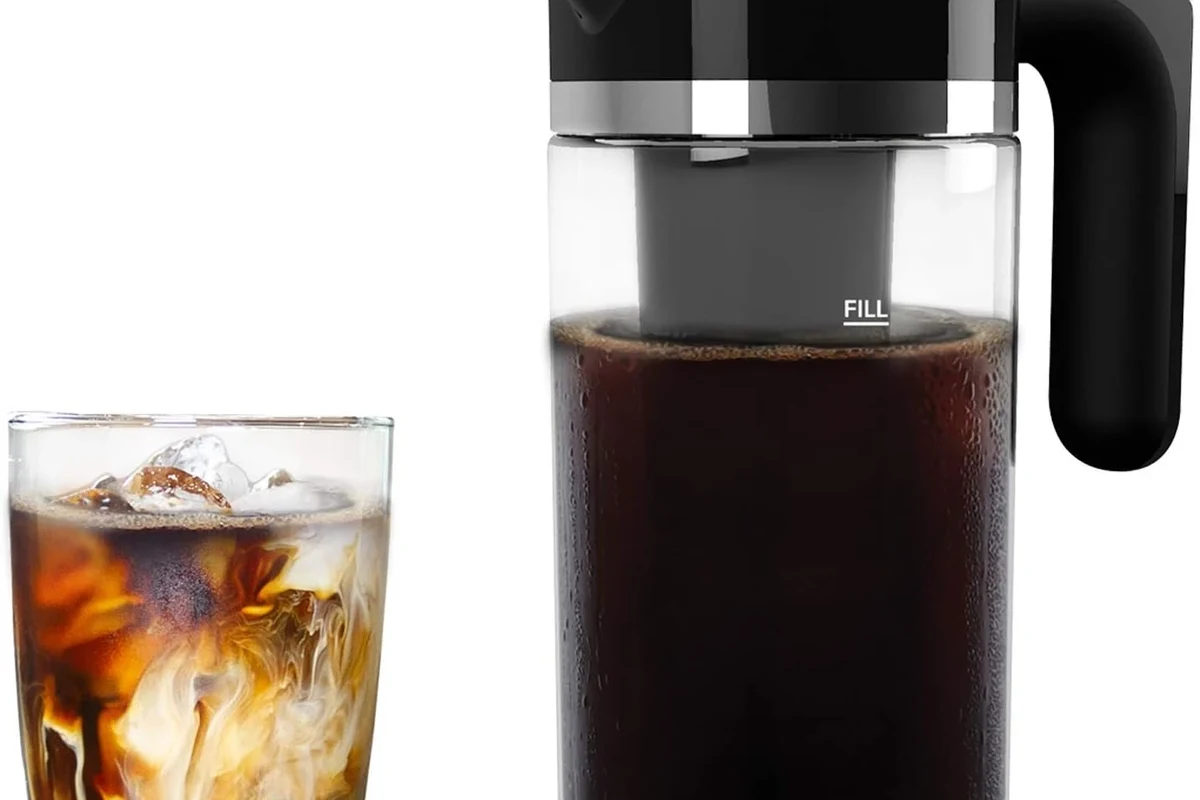
Cold brew makers steep coffee grounds in cold or room-temperature water for many hours. The slow soak pulls flavor from the grounds without heat.
Most brewers use a jar, pitcher, or basket with a filter. After steeping, you remove the grounds and keep the coffee concentrate or ready-to-drink brew in the fridge.
Cold brew often tastes less sharp than hot-brewed coffee because heat changes how acids and oils extract.
That simple process is why these brewers are so popular. They make it easier to prep coffee ahead of time.
In short: cold brew makers trade speed for smooth taste and easy make-ahead brewing.
What to Look for Before You Buy
The best cold brew coffee maker for your kitchen should fit your space, your routine, and your cleanup style. A model that works for one person may feel awkward for a family.
- Capacity and dimensions
- Controls, cleaning, warranty, and safety
Brew size and batch capacity
Capacity matters more than many shoppers expect. A small brewer works well if you drink one or two cups a day.
If you share coffee or want several days of brew ready, choose a larger pitcher or system. Just make sure it still fits your fridge shelves.
In short: pick the smallest size that still covers your real weekly use.
Filter type and ease of use
Filter design changes both taste and cleanup. Fine mesh filters usually catch more grounds, while paper filters can make cleanup easier.
Some brewers use built-in baskets. Others use removable stainless steel filters or reusable bags. The right one depends on how much sediment you can live with.
- Choose a fine filter if you want a cleaner cup.
- Choose removable parts if you want faster cleanup.
In short: better filters usually mean less grit, but they can take more care to clean.
Material, durability, and cleanup
Glass, plastic, and stainless steel all have trade-offs. Glass can feel nicer and not hold smells, but it can break more easily.
Plastic is light and practical, but quality varies by model. Stainless steel lasts well and looks clean, though it may cost more.
Material choice can affect taste, weight, and how careful you need to be during washing.
Look for wide openings, simple parts, and smooth surfaces. Those details make daily cleanup much easier.
In short: durable materials help, but easy cleaning often matters more in real kitchens.
Storage, lid design, and fridge fit
A brewer should store well in a crowded fridge. Tall shapes, awkward handles, and wide lids can get in the way fast.
A tight lid helps protect flavor and reduce spills. If you pour often, a good spout or tap can save time.
In short: the best brewer is the one that actually fits where you plan to keep it.
Best Types of Cold Brew Coffee Makers for Different Needs
There is no single best style for everyone. The best type depends on how often you brew and how much cleanup you want.
Best for limited counter and fridge space.
Best for bigger batches and shared use.
Jar-style brewers for simple home use
Jar-style brewers are simple and often budget friendly. They usually use a jar, basket, or insert with a lid.
These work well if you want a basic setup with few parts. They are also easy to store when not in use.
Pitcher brewers for everyday fridge storage
Pitcher brewers are a smart pick for regular use. They often slide into a fridge door or shelf more easily than a bulky jar.
Many people like them because they let you brew and pour from the same container. That cuts down on extra dishes.
Press-style brewers for faster cleanup
Press-style brewers use a plunger or mesh filter to separate grounds. They can feel familiar if you already use a French press.
Cleanup is often quick, since you remove the grounds in one step. Still, some models leave more fine sediment behind.
System brewers for larger batches
System brewers are built for bigger amounts and more regular use. They may include a larger tank, tap, or dedicated brew chamber.
These are useful for families, offices, or anyone who drinks cold brew every day. The trade-off is more space and more parts to clean.
Choose the Right Style for Your Kitchen
Match the brewer type to your fridge space, cleaning comfort, and how much coffee you make each week.
Pros and Cons of Using a Cold Brew Coffee Maker
Cold brew makers are handy, but they are not perfect for every coffee drinker. It helps to know both sides before you buy.
- Smooth flavor with low effort.
- Easy make-ahead brewing.
- Good for fridge storage.
- Many styles fit different budgets.
- Brewing takes many hours.
- Some filters need careful cleaning.
- Larger brewers can waste fridge space.
- Flavor can turn muddy if you overbrew.
For most people, the pros win if they drink cold coffee often. If you want coffee in minutes, though, a cold brew maker is the wrong tool.
In short: cold brew makers are best for patience, planning, and simple daily use.
Common Mistakes That Ruin Cold Brew
Cold brew is easy, but a few small mistakes can hurt the taste. The good news is that most of them are easy to fix.
Using the wrong grind size
Grind size matters a lot. Very fine coffee can make the brew cloudy and bitter.
A coarse grind usually works better for cold brew. It helps the water flow and makes straining easier.
Brewing too long or too short
Steeping time changes the flavor. Too short can taste weak, while too long can taste harsh.
Exact timing varies by coffee, water, and brewer design. Follow the manual if it gives a time range, then adjust to taste.
Skipping the filter or straining step
If you skip proper straining, you may end up with gritty coffee. That can also leave more sludge at the bottom of the cup.
Use the brewer’s filter system or strain carefully before serving. A second filter pass can help if your coffee tastes muddy.
Storing it the wrong way
Cold brew should stay covered in the fridge. Leaving it open can hurt flavor and invite spills.
Use a clean container and label the brew date if needed. If it smells off or looks unusual, throw it out.
Follow the manual and food-safety guidance for your brewer. Stop using any cracked, damaged, or badly stained container.
In short: good grind, good timing, and good storage make the biggest difference.
Cleaning, Safety, and Maintenance Tips
Cleaning is one of the biggest reasons people love or hate a cold brew maker. A brewer that cleans up fast gets used more often.
Dump grounds, rinse parts, and wash removable pieces right away.
Check seals, lids, filters, and any spots that hold stains or odor.
Use mild soap and warm water unless the manual says otherwise. Some parts may be top-rack safe, but that varies by model.
Let parts dry fully before storing them. That helps prevent smells and keeps seals in better shape.
Follow the appliance manual and stop using damaged equipment.
Check plastic parts for cracks, clouding, or warping. Replace worn filters or seals if the maker offers them.
In short: simple care keeps cold brew makers cleaner, safer, and easier to trust.
Final Recommendation: Which Cold Brew Coffee Maker Is Worth It in 2026?
In 2026, the best cold brew coffee maker is usually a simple pitcher or jar-style brewer with a fine filter. That gives most home cooks the best mix of taste, cleanup, and fridge fit.
If you make coffee every day for several people, a larger system brewer may be worth the extra space. If you only make cold brew once in a while, a compact jar-style model is often the smarter buy.
Best overall cold brew maker style
A pitcher-style brewer with a removable fine filter is the most balanced choice for most kitchens. It keeps brewing simple, stores well, and usually cleans up faster than more complex systems.
If you want the shortest path to a good choice, start with your fridge space, then check filter type and cleaning steps. Those three details usually matter more than fancy extras.
- Choose a brewer that fits your fridge and routine.
- Fine filters and easy cleanup matter most.
- Coarse grind and proper steep time improve taste.
- Pitcher styles suit most homes best in 2026.
Frequently Asked Questions
Pick the smallest size that still covers your weekly coffee use. A small brewer works for one or two drinkers, while larger pitchers suit families or frequent brewing.
Fine filters usually give a cleaner cup with less grit. Removable filters and wide openings can also make cleanup much easier.
A coarse grind usually works best for cold brew. Fine grounds can make the coffee cloudy, bitter, and harder to strain.
Steeping time varies by brewer, coffee, and taste. Follow the manual if it gives a range, then adjust based on whether you want a stronger or lighter brew.
Rinse parts after each use and wash removable pieces with mild soap and warm water. Check the manual for dishwasher safety and inspect seals, lids, and filters often.
Check capacity, fridge fit, filter design, cleanup steps, and material quality. It also helps to review the warranty and the manufacturer’s safety instructions before you buy.