Where Did French Press Coffee Originate: A Brief History

The basic French press began in Europe in the mid-1800s and was refined in the 20th century.
I’ve spent years studying and brewing coffee, and I’ll walk you through where did french press coffee originate with clarity and friendly detail. Expect a clear timeline, the key inventors and patents, cultural context, and practical tips from my own French press tests. Read on to learn how this simple device moved from workshop sketches to kitchen counters worldwide and why its origin story still matters to the cup you drink today.

A short history: where did french press coffee originate?
The question of where did french press coffee originate points to Europe. Early versions of the plunger coffee device appeared in the 1800s in France. Inventors kept improving the design across decades. By the 1920s and 1950s, patent filings in Europe refined the filter and frame we recognize now.

The earliest designs and patents
Histories show several milestones that explain where did french press coffee originate.
Early patents from the mid-1800s in France described a pot with a press. Later, designers in Italy and Switzerland improved the mesh filter and seal. These legal filings helped standardize a design that made brewing simple and repeatable.
- 1850s: Basic press concepts appear in patent records in France.
- 1920s: Designers refine the filter and plunger mechanism in Europe.
- 1950s: Further patents improve seals and mesh screens, making the device more practical.
Why multiple countries claim its origin
When people ask where did french press coffee originate, they find competing claims. Different inventors made useful changes at different times. Patents and national pride complicate the story. It’s fair to say the method evolved across Europe rather than springing from a single inventor.

How the French press works (simple explanation)
Understanding where did french press coffee originate helps you appreciate how it works. The method steeps coarse coffee grounds in hot water. Then a metal or mesh filter pushes the grounds to the bottom. The result is a full-bodied cup that retains more oils and flavors than paper-filter methods.

Names and cultural spread
The phrasing where did french press coffee originate also explains its many names. People call it French press, press pot, cafetière, or plunger pot. The name “French press” stuck in many English-speaking countries, but other regions use local terms. The device spread through cafes, shops, and export of European kitchenware in the 20th century.

Flavor profile and why people love it
Knowing where did french press coffee originate shows why the method suits those who like bold coffee. The metal filter allows oils and fine particles into the cup. This creates a heavier body and richer mouthfeel. Many drinkers find it more satisfying than drip coffee.
:max_bytes(150000):strip_icc()/Tips-for-Better-French-Press-FT-DGTL0126-05-af46d615d7cd45f187c75150c7f87f8a.jpg)
Practical brewing tips from my experience
I’ve brewed French press daily for years. Here are simple tips based on hands-on testing and mistakes I learned from.
- Use a coarse, even grind to prevent over-extraction and clogging.
- Heat water to about 195–205°F (just off boil).
- Steep for 4 minutes as a starting point, then adjust by 30-second steps.
- Press gently and serve immediately to avoid bitterness.
- Clean the mesh and carafe after each use to keep flavors pure.
These tips reflect what I learned about where did french press coffee originate and how best to use the device today.

Common limitations and how to avoid them
Answers to where did french press coffee originate often include caveats. The method has trade-offs. It leaves sediment in the cup. It can become bitter if you over-steep. It requires attention to grind size and water temperature. To avoid issues, follow the basic tips above and experiment with small changes.
Variations and modern designs
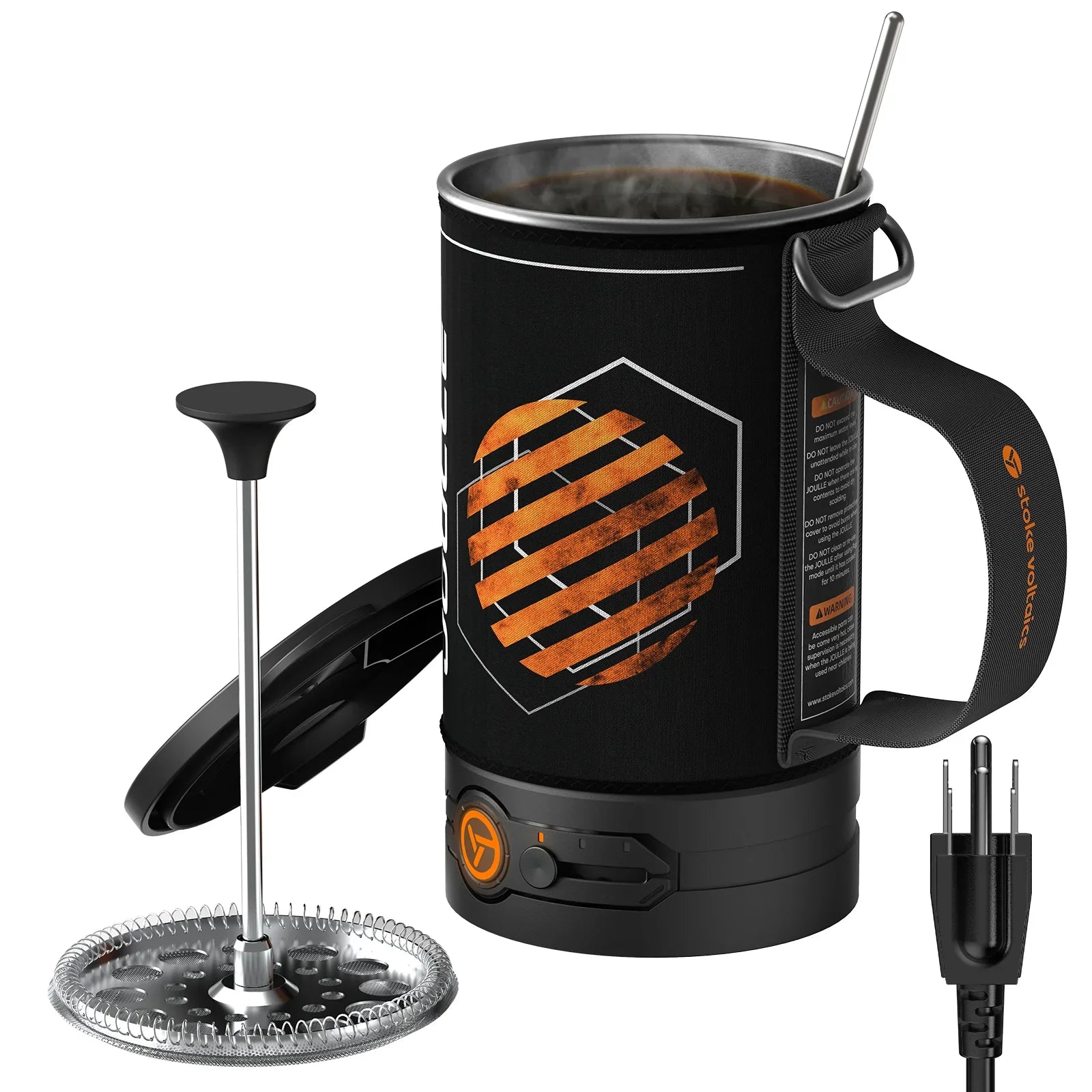
Manufacturers continued to innovate after early patents tied to where did french press coffee originate. Modern models include insulated carafes, finer meshes, and improved seals. Some use double screens to reduce sediment. Others merge French press with travel or electric designs for convenience.
Sustainability and cost
The French press design rooted in where did french press coffee originate is simple and low-waste. It does not need paper filters. It lasts for years if cared for. For many home brewers, it’s a cost-effective, eco-friendly choice.
People Also Ask style questions
What is the oldest claim about where did french press coffee originate?
Early mid-1800s patent filings in France describe a plunger-style pot, which is often cited as the earliest claim. Later 20th-century patents refined the device into the modern shape we know.
Did one person invent the French press?
No single inventor owns the full story. Multiple designers across Europe added vital improvements over decades.
Why is it called French press if it was improved elsewhere?
The name probably stuck due to early French patent records and adoption in English-speaking markets, but the device evolved across countries.
Does French press coffee taste different from drip coffee?
Yes. French press retains more oils and fine particles, giving a fuller body and stronger taste than paper-filter drip coffee.
Can I use a French press for espresso?
No. French press makes strong coffee but not true espresso. Espresso requires high pressure and fine grind, which the press does not provide.
Frequently Asked Questions of where did french press coffee originate
Where exactly did the French press first appear?
Early plunger-style coffee makers were documented in France in the mid-1800s, though later refinements came from other European inventors.
Who improved the French press into the modern form?
Designers in the early and mid-20th century in Europe improved the mesh filter and seals, creating the practical shape used today.
Why is the origin disputed?
Multiple patents and regional improvements over time mean no single inventor can claim the entire concept, which leads to debate.
How did the French press become popular worldwide?
Export of kitchenware, cafe culture, and a growing interest in home brewing helped spread the design across continents in the 20th century.
Is the French press a French invention?
It has strong ties to France in early records, but it’s best described as a European evolution rather than a single-nation invention.
Conclusion
The story of where did french press coffee originate is one of gradual invention. Early French patents set the scene. Later European designers refined the build. Today’s French press is a practical result of many small improvements. Try using a coarse grind, correct water temp, and a 4-minute steep to taste the history in your cup. If you enjoyed this deep dive, try a batch with my brewing tips, leave a comment with your results, or subscribe for more coffee guides.