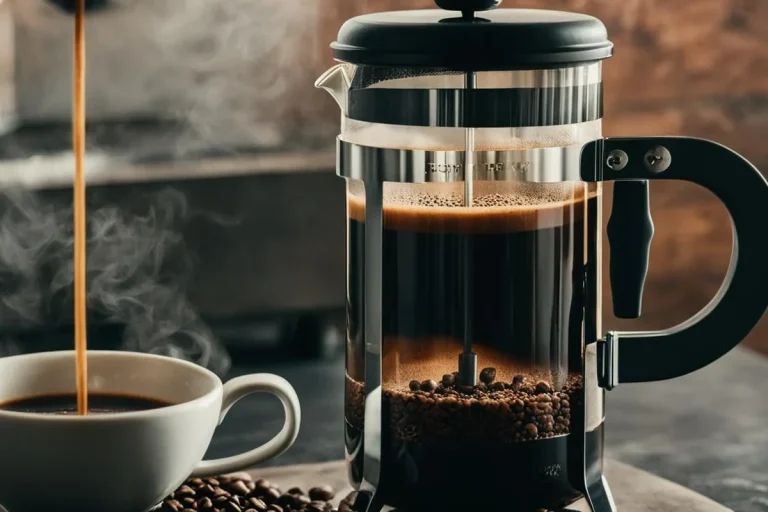
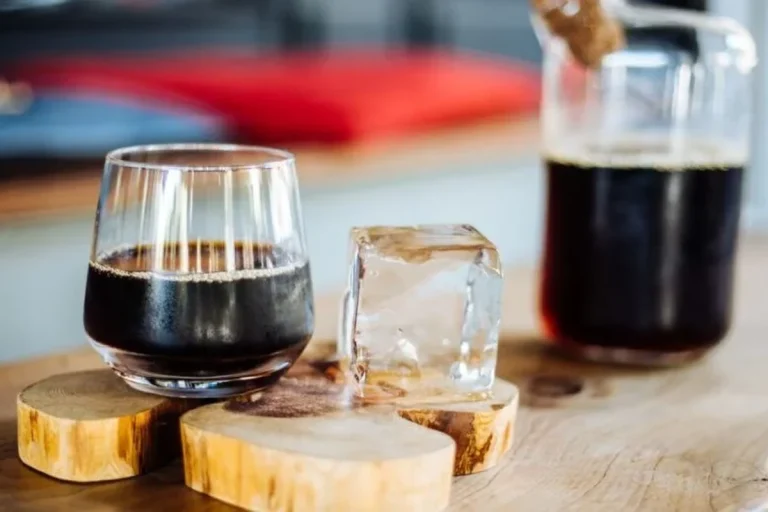
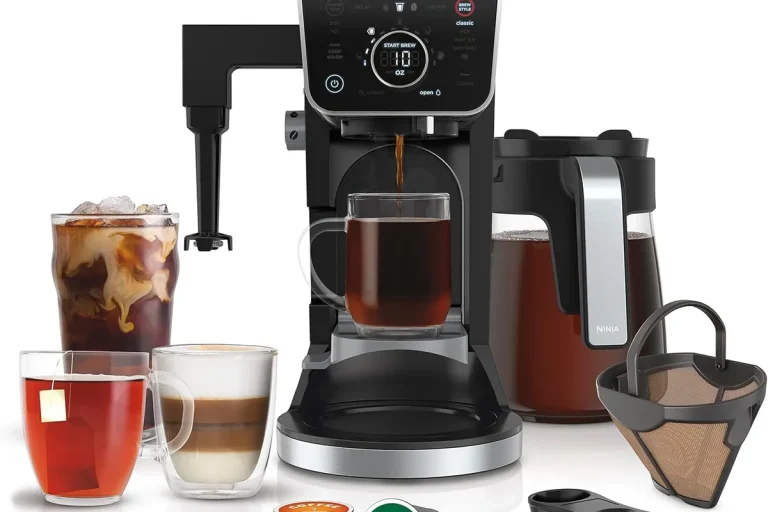
Who Drinks Cold Brew Coffee and Why Its So Popular

Cold brew coffee is popular with people who want smooth flavor and easy make-ahead convenience. It’s best for busy drinkers, but it’s not ideal if you want fast brewing.
Cold brew coffee appeals to a wide range of people, but it’s especially popular with readers who want smooth flavor, lower bitterness, and an easy make-ahead drink. If you’re asking who drinks cold brew coffee, the short answer is this: busy people, caffeine fans, and anyone who likes a gentler cup often reach for it.
It’s not just a trend for coffee shops. Many home drinkers like cold brew because it fits real life. You can make it ahead, store it in the fridge, and pour it when you need it.
- Cold brew suits people who want smooth, low-bitter coffee.
- It works well for make-ahead routines and busy mornings.
- The best setup depends on batch size, cleanup, and storage needs.
- Strong or weak results usually come from grind, ratio, and steep time.
- Best audience: Busy coffee drinkers who want a smooth, mellow cup.
- Main appeal: It’s easy to prep ahead and store in the fridge.
- Flavor factor: Coarse grind and long steeping shape taste and strength.
- Buying tip: Choose based on capacity, cleanup, and storage fit.
Who Drinks Cold Brew Coffee and Why It Appeals to So Many People
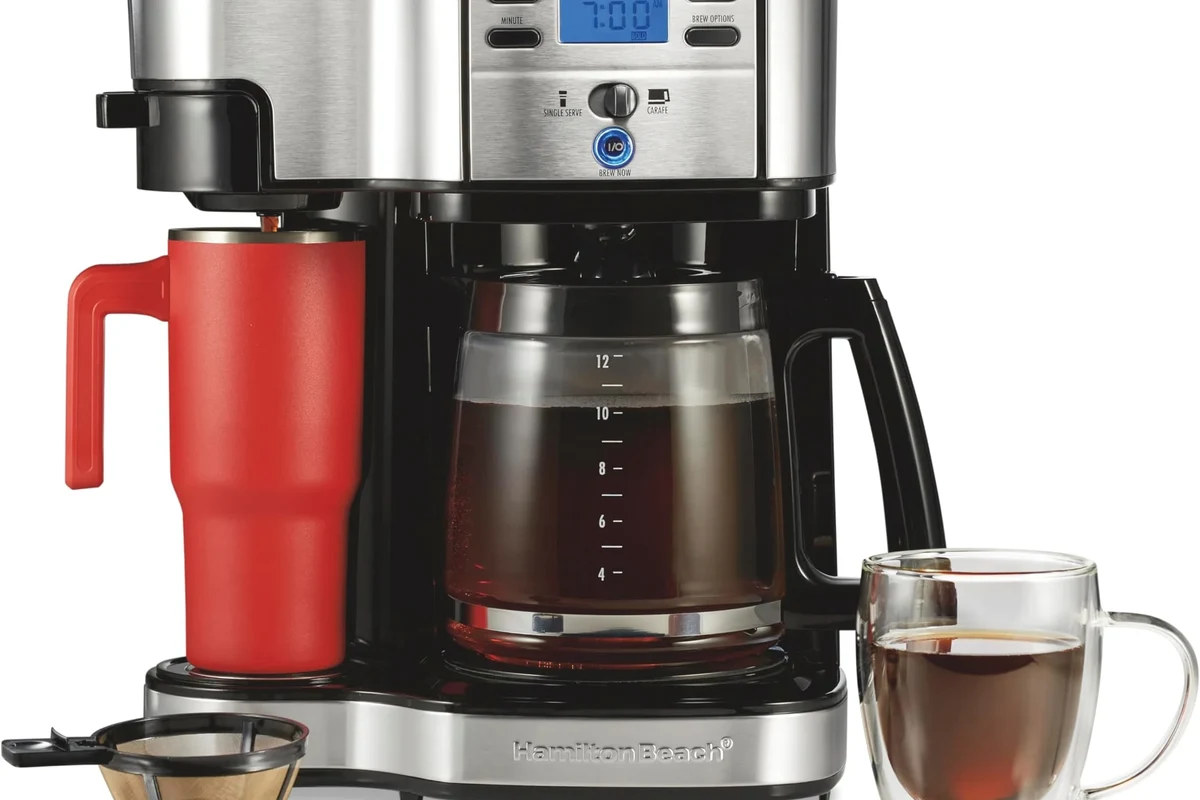
Cold brew has a broad fan base. Some people drink it for taste. Others drink it because it saves time later in the week.
The quick answer for busy readers
Cold brew coffee is popular with people who want a smooth cup with less sharp bite. It also fits people who like to prep drinks ahead of time.
That includes students, office workers, parents, shift workers, and home coffee fans. In short, cold brew works well for people who want coffee ready when they are.
Common drinker types, from students to office workers
Students often like cold brew because it can be kept in the fridge and grabbed fast. Office workers like it for the same reason.
It also appeals to people who drink coffee on the go. A cold bottle or jar is easier to carry than a hot cup.
Cold brew usually tastes less acidic than hot-brewed coffee because heat changes how compounds move into the water.
Some people also choose cold brew because they want a coffee base for milk, cream, or sweeteners. The smoother taste can stand up well to add-ins.
Why the taste and low acid matter
Many people find cold brew easier to drink because it tastes softer and less bitter. That can matter a lot if hot coffee feels too harsh.
Low acid is another reason people choose it. Still, taste and stomach comfort are personal. What feels gentle to one person may not feel the same to another.
Cold brew is not the same as acid-free coffee. It may taste smoother, but results vary by beans, roast, and brew method.
How Cold Brew Coffee Works and What Makes It Different
Cold brew uses time instead of heat. Coffee grounds steep in cold or room-temperature water for many hours.
Steep time, water ratio, and grind size
Most cold brew starts with a coarse grind. That helps reduce sludge and makes filtering easier.
Steep time and water ratio matter a lot. A longer steep or stronger mix can make the drink bolder. A shorter steep or more water can make it lighter.
- Use a coarse grind for easier filtering.
- Start with a simple ratio, then adjust next batch.
- Keep notes on steep time and taste.
Cold brew vs iced coffee vs hot coffee
Cold brew and iced coffee are not the same thing. Iced coffee is usually hot-brewed coffee that gets chilled.
Hot coffee also tastes different because heat pulls flavor from the grounds faster. That often gives hot coffee a brighter, sharper profile.
| Option | Best For | Key Consideration |
|---|---|---|
| Cold brew | Smooth, make-ahead coffee | Needs long steep time |
| Iced coffee | Fast chilled coffee | Can taste more acidic |
| Hot coffee | Quick brewing and bold aroma | Not ideal for fridge storage |
What the brewing method changes in flavor and strength
Cold brew often tastes smoother because it extracts flavor slowly. That can lower bitterness and reduce the sharp notes some people dislike.
Strength depends on the recipe, not just the method. A concentrate can taste very bold. A ready-to-drink batch can taste much lighter.
Who Cold Brew Is Best For and Who May Want Something Else
Cold brew is a great match for some drinkers. It is not the best fit for everyone.
Best for people who want smooth, less bitter coffee
If you dislike harsh coffee, cold brew is worth a try. It often tastes rounder and softer than hot coffee.
That makes it a good pick for people who add milk or sweetener. It also helps if you sip coffee slowly and want a mellow drink.
Best for caffeine drinkers who like make-ahead options
Cold brew works well for people with busy mornings. You can make a batch, chill it, and pour it when needed.
That convenience is a big reason people keep buying it. It cuts down on morning steps and makes coffee feel easier.
Not ideal for people who want fast brewing or lighter flavor
If you want coffee in minutes, cold brew may feel too slow. It usually needs hours, not minutes.
It may also not suit people who want a light, bright cup. Some drinkers miss the lively taste they get from hot brewing.
Best for one or two drinkers with small fridge space.
Best for households that drink coffee daily.
What to Look for in a Cold Brew Coffee Maker or Ready-to-Use Option
The best choice depends on how you drink coffee. It also depends on how much cleanup you can handle.
Capacity, filter type, and ease of cleaning
Capacity matters because cold brew is often made in batches. A small jar may work for one person. A larger brewer may suit a family.
Filter type matters too. Fine filters can help reduce grit, but they may take longer to clean. Simple mesh parts can be easier to rinse.
- Capacity and dimensions
- Filter design and cleanup
- Storage fit in your fridge
- Manual instructions and warranty terms
Glass, plastic, and stainless steel choices
Glass can feel sturdy and clean-looking, but it may be heavier and more breakable. Plastic is usually lighter and often easier to move.
Stainless steel can be durable and good for storage. Still, the best material depends on the model and your daily routine.
Flavor control, drip rate, and storage features
Some brewers let you control drip speed or steeping style. That can help if you like to fine-tune flavor.
Storage features also matter. A brewer that fits neatly in the fridge can make daily use much easier.
Benefits, Limits, and Common Mistakes People Make
Cold brew has real strengths. It also has a few traps that can ruin the cup.
Main benefits like convenience, smooth taste, and flexibility
The biggest benefit is convenience. You do the work once, then enjoy several servings.
It also gives you flexibility. You can drink it plain, with milk, or as a concentrate mixed with water.
- Easy make-ahead coffee
- Smoother taste for many drinkers
- Flexible serving styles
Common mistakes with grind size, steep time, and dilution
One common mistake is using a fine grind. That can make the brew muddy and hard to filter.
Another mistake is steeping too long or too short. Too little time can taste weak. Too much can taste harsh or flat.
The cold brew tastes watery or thin.
Use more grounds next batch or reduce the final dilution.
When cold brew can taste weak, muddy, or too strong
Weak coffee often comes from too much water or too short a steep. Muddy coffee often comes from a grind that is too fine.
Too-strong coffee can happen when a concentrate is not diluted enough. If that happens, add water, milk, or ice in small steps.
Safety, Storage, Cleaning, and Maintenance Tips
Cold brew is easy to make, but food safety still matters. Clean tools and cold storage help protect flavor and quality.
How long cold brew lasts in the fridge
Storage time can vary by recipe, ingredients, and fridge temperature. Many people keep cold brew in the fridge for a few days.
When in doubt, follow the brewer manual or recipe guidance. If it smells off or tastes strange, throw it out.
Use clean containers and keep cold brew refrigerated. Do not leave coffee with milk or cream out for long periods.
Basic cleaning steps for brewers, jars, and filters
Rinse parts soon after use. That helps keep coffee oils from building up.
Wash removable parts with warm, soapy water if the manual allows it. Let everything dry fully before storing.
Empty grounds, rinse parts, and wash removable pieces.
Check seals, filters, and any wear that affects fit.
Food safety tips for milk, sweeteners, and add-ins
Milk, cream, and some flavored add-ins can spoil faster than plain coffee. Keep them chilled and use clean spoons or pour spouts.
If you make a sweetened batch, store it carefully and watch the fridge time. When in doubt, make smaller batches more often.
Follow the appliance manual and stop using damaged equipment.
Cost, Value, and Final Recommendation for 2026 Buyers
Cold brew gear can be simple or more polished. The right choice depends on how often you drink it and how much cleanup you want.
When a budget brewer makes sense
A budget brewer makes sense if you are new to cold brew. It also works well if you only make it once in a while.
Simple jars, pitchers, and basic filter systems can be enough for many homes. The key is choosing one that is easy to use and easy to wash.
When a premium model is worth the price
A premium model may be worth it if you make cold brew often. Better materials, tighter filters, and easier storage can save time.
It can also help if you care about drip control or a cleaner cup. Just remember that more features do not always mean better taste.
Transparent verdict on who should buy cold brew gear now
If you want smooth coffee, make-ahead convenience, and flexible serving options, cold brew gear is a smart buy. It’s especially useful for busy households and daily coffee drinkers.
If you want fast brewing or a brighter cup, you may prefer iced coffee or hot coffee instead. In short, cold brew is best for people who value ease and a mellow taste more than speed.
Cold brew coffee suits people who want a smooth, low-bitter drink they can prep ahead. Choose a simple brewer if you want value and easy cleaning. Pick a premium model only if you’ll use it often and want better control or storage features.
Frequently Asked Questions
Busy people, students, office workers, and anyone who likes smooth coffee often choose cold brew. It also suits drinkers who want a make-ahead option in the fridge.
Cold brew steeps in cold or room-temperature water for many hours. Iced coffee usually starts as hot coffee, then gets chilled.
A coarse grind usually works best because it filters more easily and keeps the brew from turning muddy. A fine grind can make the drink cloudy or bitter.
Use more or less water, change the steep time, or adjust dilution after brewing. Small changes can make the drink stronger, lighter, smoother, or less bitter.
Rinse parts soon after use and wash removable pieces with warm, soapy water if the manual allows it. Let everything dry fully before storing it.
Check capacity, filter type, storage fit, and how easy it is to clean. Also review the manual, warranty terms, and any safety guidance from the maker.