How Toaster and Heat Transfer Work Together For Perfect Toast

Understanding how a toaster uses heat transfer is key to achieving the perfect toast. This article breaks down the science behind toasting, explains the types of heat transfer involved, and shares practical tips to help you get golden, crispy toast every time.
Key Takeaways
- Heat transfer is the core process: Toasters use radiation and conduction to toast bread evenly.
- Infrared radiation heats the bread: The toaster’s heating elements emit infrared waves that brown the bread’s surface.
- Conduction affects texture: Direct contact with heated wires or surfaces adds crispness to the toast.
- Even heat distribution matters: Uneven heat can cause burnt or undercooked spots, so toaster quality is important.
- Proper maintenance improves performance: Cleaning crumbs and checking parts prevent uneven toasting and fire risks.
- Adjusting settings tailors results: Toasting time and heat levels let you control browning and crunchiness.
- Understanding heat transfer helps troubleshoot: Knowing how your toaster works guides you in fixing common issues like uneven toasting.
📑 Table of Contents
Introduction
There’s nothing quite like the smell of freshly toasted bread in the morning. But have you ever wondered how your toaster transforms a simple slice of bread into a golden, crispy delight? The secret lies in the fascinating science of heat transfer. Understanding how a toaster and heat transfer work together can help you get perfect toast every time, and even troubleshoot when things don’t go as planned.
In this guide, we’ll dive into the different ways heat moves inside a toaster, explore how this affects your bread, and share practical tips to help you master the art of toasting. Whether you’re a breakfast enthusiast or just curious about kitchen science, you’ll find plenty of useful information here.
How Toasters Work: The Basics
What Happens Inside a Toaster?
At its core, a toaster is a simple appliance designed to apply heat to bread slices, drying the moisture and causing the surface to brown and crisp. When you push down the lever, the toaster’s heating elements turn on, usually made of nichrome wire. These wires heat up rapidly due to electrical resistance, glowing red-hot and emitting infrared radiation.
The Role of Heating Elements
The heating elements are key to creating the heat necessary for toasting. They emit radiant heat that directly impacts the bread’s surface. As the bread absorbs this energy, chemical changes occur — specifically, the Maillard reaction — which causes the bread to turn golden brown and develop that delicious toasted flavor.
Mechanical Components
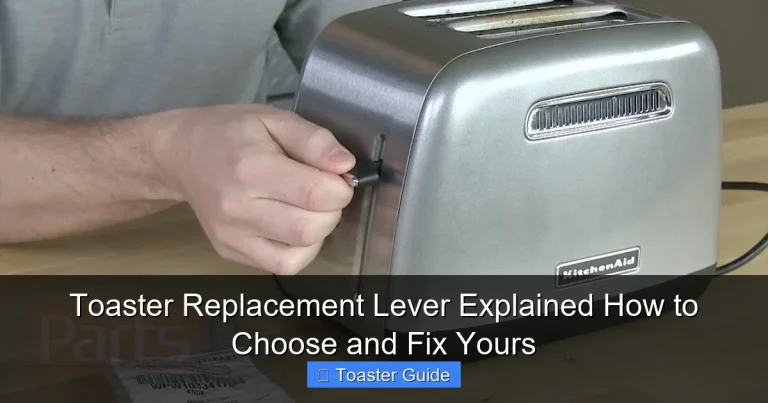
Besides the heating elements, a toaster has mechanical parts like the lever, timer, and thermostat. These control how long the bread is toasted and prevent burning by switching off the heat at the right time. Understanding these parts is useful if you want to learn more about maintaining your toaster or troubleshooting common problems. For a deeper dive, check out our detailed article on toaster parts and functions.
The Science of Heat Transfer in Toasters
Types of Heat Transfer
Heat transfer is how heat energy moves from one place to another. In toasters, three main types of heat transfer are involved:
- Radiation: Infrared radiation from the heating elements directly warms the bread’s surface.
- Conduction: Heat moves from the hot toaster parts that touch the bread, transferring warmth by contact.
- Convection: Hot air circulates inside the toaster, though it plays a smaller role compared to radiation and conduction.
Radiation: The Primary Heat Transfer Method
Infrared radiation is the main way a toaster cooks your bread. The glowing heating wires emit infrared waves that penetrate the bread’s surface, exciting the molecules and causing them to heat rapidly. This radiant heat is efficient and fast, allowing the outside of the bread to brown while the inside stays soft and warm.
Conduction and Its Effect on Toast Texture
Some parts of the toaster physically touch the bread—especially in certain models with warming racks or metal guides. Heat transfers through direct contact, crisping edges and contributing to an even texture. This is why sometimes your toast has those perfectly crisp edges where the bread touched the toaster walls.
Convection: The Lesser Player
Inside the toaster, hot air circulates a bit, but convection is less significant because the toaster slots are narrow and the air movement is limited. However, this small amount of hot air helps maintain an overall warm environment, preventing the bread from cooling too quickly during toasting.
Why Heat Transfer Matters for Perfect Toast
Even Heat Distribution Prevents Burnt Spots
If heat isn’t evenly transferred, you might end up with toast that’s burnt on one side and barely toasted on the other. Toasters with poor heating element design or malfunctioning parts often cause uneven heat distribution. If you notice this, it might be time to check your toaster or read our guide on how to fix uneven toaster.
The Maillard Reaction: Flavor and Color
Heat transfer triggers the Maillard reaction, a chemical process where proteins and sugars in the bread react under heat to create the complex flavors and the golden-brown color we love. Proper heat transfer ensures this reaction happens evenly, giving you that perfect toast flavor.
Controlling Toast Crispness and Warmth
By understanding how heat moves, you can adjust your toaster’s settings to get the toast texture you prefer. Longer exposure to radiant heat will deepen browning, while conduction helps add crisp edges. Adjusting time and temperature settings can balance these effects to your liking.
Practical Tips For Using Heat Transfer To Your Advantage
Choose Quality Bread
Different breads toast differently because of moisture content and thickness. Thicker slices may need longer toasting for heat to penetrate fully, while thin slices toast quickly. Using fresh bread with moderate moisture ensures good heat absorption and browning.
Adjust Settings Based on Bread Type
Use your toaster’s settings to control heat intensity and time. For frozen bread, longer toasting times help heat transfer through the frozen core. For delicate breads like brioche, lower heat prevents burning. If you want expert tips, see our article on putting frozen bread in toaster.
Clean Your Toaster Regularly
Crumbs and residue inside the toaster can block heat transfer and cause uneven toasting or even fire hazards. Regular cleaning keeps the heating elements exposed and working well. For safe and effective cleaning methods, explore our comprehensive guide on how to clean a toaster.
Monitor Your Toaster for Issues
If your toaster stops heating properly or toasts unevenly, it may be a sign of faulty heat transfer. Electrical issues or damaged elements can reduce radiant heat output. Knowing this helps you decide whether to repair or replace your toaster. For troubleshooting, check our helpful article on how to fix toaster not heating.
Common Problems Related to Heat Transfer and How to Fix Them
Uneven Toasting
Uneven browning often results from faulty heating elements or accumulated crumbs blocking heat. Fix this by cleaning the toaster and inspecting the heating wires. If the problem persists, professional repair or replacement may be needed.
Burnt Toast on One Side
This happens when one heating element is hotter or closer to the bread than the other. Adjust the bread’s position, or check for mechanical issues. You can learn more about this problem in our article on why toaster burns one side.
Toaster Not Heating Enough
If your toast stays pale or cold, the heating elements might be failing or electrical connections might be loose. Test your toaster carefully and consider repair options if necessary.
Conclusion
Understanding how your toaster uses heat transfer to create perfect toast can transform your breakfast routine. By knowing the roles of radiation, conduction, and even convection, you can better appreciate the science behind every crispy bite. Paying attention to your toaster’s condition, cleaning it regularly, and adjusting settings based on bread type will help you enjoy golden, delicious toast every time.
Next time you pop a slice into your toaster, remember the fascinating heat dance happening inside. It’s not just an appliance — it’s a little heat transfer machine working hard to make your mornings better!
Frequently Asked Questions
How does heat transfer work in a toaster?
Heat transfer in a toaster primarily occurs through infrared radiation emitted by the heating elements, which heats the bread’s surface. Conduction also plays a role where the bread contacts hot surfaces, while convection inside the toaster slot is minimal.
Why is my toast burning on one side?
Burning on one side usually means uneven heat distribution due to a faulty heating element, poor bread positioning, or mechanical issues. Adjusting the bread or having the toaster checked can help fix this.
Can cleaning my toaster improve heat transfer?
Yes, removing crumbs and residue ensures that the heating elements are exposed and can radiate heat evenly, preventing uneven toasting and reducing fire risks.
What type of heat transfer is most important for making toast?
Infrared radiation is the most important type of heat transfer in toasting because it efficiently heats the bread’s surface, triggering browning and crispness.
Does the type of bread affect how heat transfers in a toaster?
Yes, moisture content, thickness, and density of bread affect heat absorption and transfer. For example, thicker or denser breads may require longer toasting times for even heat penetration.
How can I fix a toaster that isn’t heating properly?
Check for electrical issues, clean the toaster thoroughly, and inspect the heating elements. If problems continue, consult repair guides or consider professional service to restore proper heat transfer.