Why Bread Turns Brown in Toaster: Stunning Guide to the Best Results

When you drop a slice of bread into the toaster and press the lever down, you’re not just making breakfast—you’re triggering a fascinating set of chemical reactions. Many people wonder why bread turns brown in toaster slots so predictably and how to control that browning for the best flavor and texture. Behind that simple color change lies physics, chemistry, and a bit of culinary art.
This guide will walk you through exactly what’s happening to your bread, why it browns, how different settings and toaster types affect the process, and how to get consistently stunning results every time.
—
Understanding What Happens Inside Your Toaster
Before you can control browning, it helps to know what’s going on in that little metal box on your counter.
The Basics: How a Toaster Works
Most pop-up toasters share the same basic components:
– Heating elements (usually nichrome wires) that glow red-hot
– Bread slots that hold slices at the right distance from the heat
– A timing or thermostat mechanism that controls how long it runs
– A spring-loaded carriage that pops the toast up when it’s done
When you press the lever:
1. The carriage locks in place.
2. Electricity flows through the heating elements.
3. The elements resist the current and convert electrical energy to heat.
4. Radiant heat (infrared energy) flows from the elements to the bread surface.
5. The moisture begins to evaporate, the bread dries, then chemical reactions kick in—leading to browning.
The magic is in those last steps.
—
Why Bread Turns Brown in the Toaster: The Core Science
So, why does bread change from pale and soft to golden and crisp? Two key processes explain why bread turns brown in toaster conditions:
1. Moisture evaporation and drying
2. The Maillard reaction
Step 1: Moisture Evaporation and Texture Change
Bread contains a significant amount of water—even if it feels dry to the touch. When you first put it into a toaster:
– The surface temperature quickly rises.
– Water inside the bread starts to heat and evaporate.
– Steam moves toward the surface and escapes.
As moisture leaves:
– The outer layer becomes drier and firmer.
– The crumb (interior) becomes slightly lighter but remains soft.
– The crust forms a crisp shell.
This drying stage is necessary before deep browning can occur. If the surface is too moist, its temperature doesn’t rise enough to trigger the browning reactions.
Step 2: The Maillard Reaction – Browning’s Main Act
The most important chemical process behind that rich brown color is the Maillard reaction.
In simple terms:
– Bread contains amino acids (from proteins) and reducing sugars (like glucose).
– When heated to the right temperature (typically above ~280°F / 140°C), these compounds start reacting.
– The reaction produces hundreds of new flavor and aroma compounds and causes the surface to darken.
This Maillard reaction is the same general process that:
– Browns steak on a grill
– Creates the golden crust on baked bread
– Gives roasted coffee and seared vegetables their complex flavors
In the toaster:
– Once the bread surface is dry enough and hot enough, Maillard reactions accelerate.
– The color shifts from pale to light golden.
– Continued heating deepens the color to medium brown, then dark brown, and eventually black (burnt).
This explains why toast changes so dramatically in a relatively short time once browning begins: the reactions are temperature-dependent and can escalate quickly.
—
The Difference Between Browning and Burning
It’s useful to distinguish between browning (what you want) and burning (what you usually don’t).
Browning: Flavor and Aroma Boost
When browning is controlled:
– The result is a golden to medium brown surface.
– Flavors become nutty, toasty, and slightly sweet.
– Aromas intensify and become more complex.
– Texture contrasts: crisp outside, tender inside.
Maillard browning is highly desirable in cooking because it adds depth and complexity.
Burning: When Browning Goes Too Far
If you let toast go too long:
– The Maillard reaction gives way to pyrolysis—thermal decomposition of organic material.
– Sugars and starches start to carbonize.
– The color moves from dark brown to black.
– Flavor becomes bitter, acrid, and unpleasant.
– Smoke may appear; carbon particles form.
This shift can happen quickly, which is why the difference between perfect toast and ruined toast may be just 30–60 seconds at a high setting.
—
Factors That Affect How Bread Browns in a Toaster
Not all bread toasts the same way. Several variables influence both the rate and quality of browning.
1. Bread Type
Different breads respond differently to the same toaster setting.
White Bread
– Typically browns fastest.
– Contains more available sugars from refined flour.
– Usually has a softer crumb and thin crust.
– Ideal for light to medium toast at lower or medium settings.
Whole Wheat or Whole Grain Bread
– May brown more slowly than white bread.
– Higher fiber content and different sugar profile.
– Can darken unevenly if the crumb is dense.
– Often does best at slightly higher settings than you’d use for white bread.
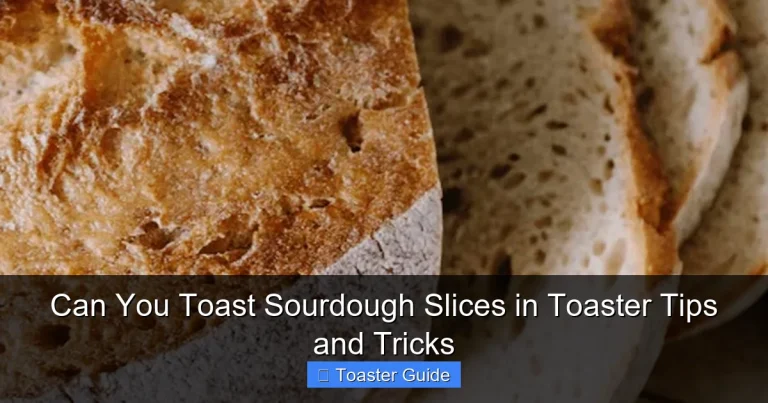
Sourdough
– Acidity and fermentation byproducts affect browning.
– Crust tends to toast more quickly than the interior.
– Can develop excellent flavor and crispness with medium to high settings.
– Watch carefully—well-fermented sourdough can go from golden to dark quickly.
Rye or Dark Bread
– Natural color makes it look darker sooner, even before heavy browning.
– May already have significant Maillard products from the baking process.
– Use your nose and texture, not just color, to judge doneness.
Sweet or Enriched Breads (Brioche, Cinnamon Swirl, Raisin Bread)
– Contain added sugars, fats, eggs, and sometimes milk.
– Browning accelerates because of the higher sugar content and rich ingredients.
– Very prone to quick darkening or burning.
– Choose lower settings and shorter toasting times.
2. Bread Thickness
Slice thickness has a major impact.
– Thin slices
– Heat quickly and dry out faster.
– Brown sooner and risk over-crisping.
– Best with lower settings or shorter cycles.
– Thick slices
– Take longer for heat to penetrate.
– May brown outside while staying soft or even moist inside.
– Often need higher settings or a second cycle.
3. Bread Moisture Content and Age
Fresh Bread
– Contains more moisture.
– Needs more time to dry before browning fully.
– May stay softer inside while the crust crisps.
Slightly Stale Bread
– Often produces excellent toast.
– Lower moisture content allows the surface to brown more predictably.
– May brown slightly faster than fresh bread.
Very Dry or Old Bread
– Browns and even burns quickly.
– Little moisture remains to moderate temperature rise.
– Use low to medium settings and watch closely.
4. Toaster Temperature and Time (Settings)
Most toasters don’t show actual temperature—they use time as a proxy, often controlled by a bimetallic strip or electronic timer.
– Low setting: shorter time → lighter browning.
– High setting: longer time → deeper browning.
Different toasters vary; a “3” on one may be a “5” on another in terms of heat delivered. This is why getting to know your specific toaster matters.
5. Orientation and Position in the Slot
The position of the bread in the slot affects how evenly it browns:
– If the bread is tilted or too close to one side, one face may be closer to the heating element.
– That side will brown faster.
– Some toasters have uneven heat distribution by design or wear.
Placing the bread centered and straight improves consistency.
—
How Toasting Changes Flavor and Texture
The visual change from white to brown is obvious, but some of the most important changes are invisible.
Flavor Development
Browning reactions create a complex mix of flavor molecules:
– Nutty and malty notes
– Caramel-like sweetness (though not true caramelization)
– Subtle roasted tones
– Reduced perception of yeastiness or raw flour
Light toast has gentle flavor enhancement; darker toast has stronger roasted and bitter notes.
Texture Contrast
Toasting transforms the structure of bread:
– Starch gelatinization reverses somewhat at high heat, making the outer layer crisper.
– The crust becomes rigid and crunchy.
– The interior may remain soft and springy if not overdone.
This contrast—crisp outside, soft inside—is a key part of why toast is so satisfying.
—
Myths and Misconceptions About Toast Browning
Several common beliefs about toasting don’t quite match reality.
Myth 1: The Toaster “Knows” When the Toast Is Brown
Most basic toasters do not use sensors to detect color. Instead, they:
– Run for a pre-set time, which creates an approximate browning level.
– Some advanced models use temperature or optical sensors, but they are exceptions, not the rule.
If your kitchen is very cold or your bread starts out frozen, browning will differ even at the same dial setting.
Myth 2: Re-Toasting Doubles the Browning
Re-toasting does not simply “continue where you left off” in a linear way. After the first round:
– The bread is already drier.
– Its surface temperature will risen more quickly the second time.
– Browning accelerates because moisture no longer dampens the heat rise.
A short second toasting cycle can produce much more browning than the same time in a first cycle.
Myth 3: Dark Toast Has Fewer Carbs
Darkening does not significantly reduce starch content:
– Browning/reaction products form on the surface.
– Carbohydrates may break down or char at the very surface.
– The total carbohydrate in a slice changes minimally unless much of it is actually burnt and discarded.
Toast may be slightly easier to digest, but it’s not a reliable way to “lower carbs.”
—
How To Control Browning for Perfect Toast Every Time
Now that you know why bread turns brown in toaster conditions, here’s how to harness that understanding for consistent results.
1. Start by Knowing Your Toaster
Toasters differ. To dial in your ideal setting:
1. Use a standard white bread as a baseline.
2. Toast a slice at each setting (1–2–3–4 etc.), noting:
– Color achieved
– Time taken
– Evenness of browning
3. Use this as your reference chart for all other breads.
Once you know that “3” equals light golden and “4.5” equals medium brown for white bread, you can adjust intelligently:
– Whole grain: maybe +0.5 setting.
– Sweet bread: –1 setting.
– Frozen bread: same setting but expect a little lighter result or slight time lag.
2. Match the Setting to the Bread Type
Use this as a general guide (adjust for your machine):
– Soft white sandwich bread:
– Light toast: low to medium-low
– Medium toast: medium
– Dark toast: medium-high
– Whole wheat / multigrain:
– Light toast: medium
– Medium toast: medium-high
– Dark toast: high (watch closely)
– Sourdough / artisan breads:
– Light toast: medium
– Medium toast: medium-high
– Dark toast: high (often better in two shorter cycles)
– Sweet or enriched breads:
– Light toast: low
– Medium toast: low to medium-low
– Avoid very dark; they burn easily.
3. Control Moisture for More Predictable Browning
If you want more consistent, controlled browning:
– Avoid very wet toppings (like butter or jam) before toasting.
– Apply them after toasting.
– If bread is very fresh and moist, accept that:
– It may need a slightly higher setting.
– Or a longer single cycle.
– If bread is stale and dry:
– Use a lower setting or short bursts.
– Re-toast in small increments rather than one long cycle.
4. Pay Attention to Color and Smell
Color alone can deceive you, especially with darker breads. Use multiple cues:
– Color: aim for the shade you enjoy—light gold, honey, or chestnut brown.
– Smell: the aroma shifts noticeably as browning starts; when it becomes intense, you’re nearing your sweet spot.
– Sound & texture: a gentle tap should sound crisper and feel firm on the surface.
If you can, stay close for the last minute of toasting—those final moments matter most.
—
Achieving Even Browning: Practical Tips
Uneven toast is common, but a few adjustments can improve results.
1. Center the Bread
– Make sure the slice is straight and centered in the slot.
– If one side is consistently darker, try rotating the toaster or swapping slots to see if one element is stronger.
2. Don’t Overload or Jam the Slots
– Very wide or oddly shaped slices may press against the elements.
– Contact or extreme proximity means hot spots and uneven browning.
– Trim or cut large slices in half so they sit comfortably.
3. Use the Right Toaster for the Job
Different toaster designs influence browning:
– Standard pop-up toaster
– Best for slices and thin pieces.
– May struggle with large, artisan loaves without wide slots.
– Toaster oven
– Offers more control over temperature and time.
– Often browns more slowly and may need preheating or manual monitoring.
– Convection toaster oven
– Fan circulates hot air.
– Can brown more evenly, especially for multiple slices.
If you regularly toast thick rustic slices, a toaster oven may give more uniform results than a narrow pop-up model.
—
Special Cases: Frozen, Refrigerated, and Buttered Bread
Certain situations change how browning works.
Toasting Frozen Bread
When bread is frozen:
– It contains ice, which must first melt, then evaporate.
– The early phase absorbs heat, slowing browning.
For frozen slices:
– Many modern toasters have a “frozen” or “defrost” setting that adds time.
– If you lack that option, use:
– A slightly higher setting than you would for fresh.
– Or run a short defrost pass on low, then toast normally.
Toasting Refrigerated Bread
Refrigerated bread is cold but not frozen:
– Starts from a lower temperature.
– Needs slightly more time than room-temperature bread for the same result.
You can:
– Use the same setting, knowing it may come out slightly lighter; or
– Nudge the dial up a fraction of a step.
Toasting with Butter or Oil Applied First
Applying butter or oil to bread before toasting changes the browning dynamics:
– Fats conduct heat differently and raise the surface temperature.
– Browning can accelerate, similar to pan-frying.
– Areas with more fat may brown or burn faster.
If you like pre-buttered toast:
– Use a lower setting than usual.
– Watch closely to avoid burnt spots.
—
Safety Considerations: When Browning Becomes a Problem
The normal browning process is safe, but extremely dark toast and burning raise a few concerns.
Acrylamide and Very Dark Toast
At high temperatures and deep levels of browning, particularly in carbohydrate-rich foods, a compound called acrylamide can form.
– Research has linked high acrylamide intake in animals to potential health risks.
– In everyday human diets, toast is just one modest contributor.
Simple precautions:
– Aim for golden to medium brown, not charcoal black.
– Avoid habitually eating heavily burnt toast.
– Scraping off the darkest charred bits reduces exposure.
Fire and Smoke Risks
Toasters can cause kitchen mishaps if misused:
– Crumbs accumulate in the bottom tray and can ignite.
– Buttered bread can drip fat onto heating elements.
– Items too large for the slot can get stuck and burn.
Best practices:
– Clean the crumb tray regularly.
– Never wedge utensils into a working toaster.
– Unplug the toaster before trying to dislodge stuck bread.
– Keep flammable items (paper towels, curtains) away from the toaster.
—
Advanced Tips for Toast Enthusiasts
If you treat toast as more than a quick snack, you can fine-tune your method further.
1. The Two-Step Toasting Method
For the best combination of crispness and tenderness:
1. Use a lower setting to dry and lightly brown the bread.
2. Let it rest for 20–30 seconds.
3. Run a short second cycle at a slightly higher setting.
This staged approach:
– Encourages even drying and more controlled Maillard reactions.
– Minimizes the risk of burnt surfaces and underdone interiors.
2. Pre-Warming for Very Thick Slices
For thick artisan slices that brown outside but stay too soft inside:
– Place them in the toaster on low first to gently warm and begin drying.
– Then toast a second time at your preferred browning level.
Alternatively, use a toaster oven and toast at a moderate temperature for longer, rather than blasting at full power.
3. Matching Toast Level to Toppings
Different toppings work best with specific browning levels:
– Light to medium toast
– Ideal for delicate toppings: butter, jam, honey, soft cheese.
– Keeps some softness, making bites gentler.
– Medium to dark toast
– Stands up well to wet or heavy toppings: avocado, fried eggs, beans, hearty spreads.
– Stronger flavor complements savory ingredients.
By thinking about the final dish, you can adjust browning to balance taste and texture.
—
Recap: The Science and Art Behind Browning in a Toaster
When you ask why bread turns brown in toaster environments, the answer blends science and everyday cooking wisdom:
– Heat from the toaster dries the bread and raises its surface temperature.
– Once hot and dry enough, the Maillard reaction between amino acids and sugars kicks in.
– This reaction produces the brown color, complex flavors, and toasty aroma we love.
– Factors like bread type, moisture level, thickness, and toaster setting all affect the rate and degree of browning.
– Understanding these variables helps you control the result, whether you prefer a gentle golden toast or a bold, dark crunch.
By experimenting with settings, paying attention to cues like color and smell, and matching your approach to the bread you’re using, you can transform a simple slice into consistently excellent toast—every single time.