Steamed Rice Best Rice to Water Ratio for Rice Cooker

For most white rice in a rice cooker, start with 1 cup rice to 1.25 cups water. Then adjust slightly for the rice type, cooker model, and the texture you prefer.
Getting steamed rice right in a rice cooker usually comes down to one thing: the rice-to-water ratio. In 2026, most home cooks still want the same result every time—fluffy, tender rice that is neither mushy nor dry.
- Start here: Use 1:1.25 for most white rice in a rice cooker.
- Rice matters: Brown rice needs more water than jasmine, basmati, or white rice.
- Measure consistently: Use the cooker cup and pot markings together when possible.
- Resting helps: Let rice sit after cooking for better texture and even moisture.
- Fine-tune slowly: Change water in small amounts, not big jumps.
Steamed Rice Best Rice to Water Ratio for Rice Cooker: What Most Home Cooks Search For in 2026
Search intent: quick, reliable rice cooker ratios for fluffy steamed rice
Most people searching for the steamed rice best rice to water ratio rice cooker want a simple answer they can trust on a busy weeknight. The goal is not just “more water” or “less water,” but a ratio that matches the rice type, the cooker style, and the texture you want.
Rice cookers are forgiving, but they are not identical. A basic on/off cooker, a micom model, and a fuzzy logic unit can all behave a little differently, so the best ratio is usually a starting point rather than a universal rule.
Which rice types this guide covers: white rice, jasmine, basmati, sushi rice, brown rice, and short-grain
This guide focuses on the rice types most people cook in a rice cooker: long-grain white rice, jasmine, basmati, sushi rice, brown rice, and short-grain rice. These varieties absorb water differently, which changes both texture and cook time.
If you use mixed grains, parboiled rice, or specialty rice, expect to fine-tune the water slightly. The same applies if your cooker has a “quick cook,” “white rice,” or “brown rice” setting that changes the heating pattern.
What “best ratio” means in a rice cooker versus stovetop cooking
On a stovetop, evaporation is less controlled, so ratios often need more adjustment. In a rice cooker, the sealed environment traps steam and keeps the process more consistent, which is why many home cooks can use a tighter ratio range.
That said, the “best” ratio is the one that fits your rice, your cooker, and your taste. If you prefer firmer grains, you may use slightly less water; if you like softer rice, you may add a small amount more.
Core Rice-to-Water Ratios for Rice Cooker Steamed Rice
Standard ratio for long-grain white rice
A reliable starting point for long-grain white rice in a rice cooker is about 1 cup rice to 1.25 cups water. This usually produces fluffy, separate grains without excess stickiness.
If your cooker tends to run hot or your rice is very fresh, you may need a touch more water. If the rice comes out soft or clumps too much, reduce the water slightly on the next batch.
Jasmine rice ratio for soft, aromatic steamed rice
Jasmine rice usually does well with about 1 cup rice to 1.1 to 1.25 cups water in a rice cooker. It is naturally soft and fragrant, so too much water can make it lose its light texture.
For a more tender result, stay near the higher end of that range. For drier, more separate grains, stay closer to the lower end.
Basmati rice ratio for separate, fluffy grains
Basmati rice often performs best at around 1 cup rice to 1.25 cups water, sometimes a little less depending on the brand and age of the rice. The goal is to keep the grains long and distinct.
Older basmati may need slightly more water because it has dried out in storage. If you soak basmati first, reduce the added water a bit because the grains will already have absorbed some moisture.
Sushi rice and short-grain ratio for sticky texture
Sushi rice and other short-grain rice types usually need more water than long-grain rice, often around 1 cup rice to 1.1 to 1.2 cups water. The extra moisture helps create the sticky texture that short-grain rice is known for.
For sushi rice, the final texture should be cohesive but not wet. If it turns gummy, the next batch likely needs a little less water or a slightly shorter resting period after cooking.
Brown rice ratio and why it needs more water
Brown rice needs more water because the bran layer slows absorption. A common rice cooker starting point is about 1 cup brown rice to 1.75 to 2 cups water.
Brown rice also takes longer to cook, so do not compare it directly with white rice. If your cooker has a brown rice setting, use it, since the cycle is usually designed for the longer hydration time brown rice requires.
Quick comparison table concept: rice type, water ratio, cook time, texture result
| Option | Best For | Watch Out For |
|---|---|---|
| Long-grain white rice | Fluffy, everyday steamed rice | Too much water can make it soft and heavy |
| Jasmine rice | Soft, fragrant rice | Overwatering can reduce its light texture |
| Basmati rice | Separate, fluffy grains | Soaking changes the water needed |
| Sushi/short-grain rice | Sticky, cohesive texture | Too much water can turn it gummy |
| Brown rice | Hearty, chewy rice | Needs more water and longer cooking time |
How to Measure Rice and Water Correctly in a Rice Cooker
Using the rice cooker cup versus a standard measuring cup
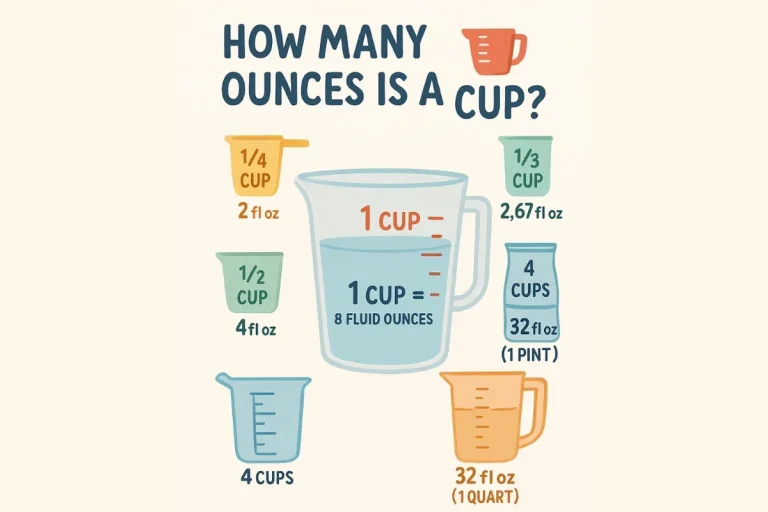
Many rice cookers come with their own cup, and that cup is often smaller than a standard U.S. measuring cup. This matters because the water markings inside the pot are usually designed to match the cooker’s included cup, not a kitchen measuring cup.
If you mix cup systems, your ratio can drift without you realizing it. For the most consistent results, use the rice cooker cup and the inner pot markings together whenever possible.
Rinsing rice and how it affects the final water amount
Rinsing removes excess surface starch, which can make rice less sticky and help it cook more evenly. But rinsed rice may also carry a little extra surface moisture, so the exact water needed can change slightly.
For most white rice, rinse until the water looks less cloudy, then drain well before adding the cooking water. If the rice is soaked or left wet in the strainer, reduce added water a little.
Adjusting for soaked rice, fresh rice, and older rice
Soaked rice usually needs less added water because the grains have already begun absorbing moisture. Older rice often needs a little more water because stored grains can dry out over time.
Freshly milled rice or very soft rice varieties may also cook differently. Small changes of 1 to 2 tablespoons can make a noticeable difference in a rice cooker, especially for smaller batches.
Practical step-by-step method for adding rice, water, and starting the cycle
Use the rice cooker cup or a consistent measuring tool, and add the amount you actually plan to cook.
Rinse if desired, then drain well so extra rinse water does not throw off the ratio.
Use the ratio for your rice type, or fill to the manufacturer’s line for your cooker and cup system.
Cook on the correct setting, then let the rice rest before opening and fluffing it gently.
Rice Cooker Compatibility: Why Model Type Changes the Best Ratio
Basic on/off rice cookers versus fuzzy logic or micom models
Basic rice cookers use a simpler heating cycle, so they often depend more on exact water ratios. Fuzzy logic and micom cookers can adjust heat and timing more flexibly, which may make them more forgiving with small ratio errors.
Even so, no cooker can fully correct a large measuring mistake. If the rice is consistently off, the first fix should still be your ratio, not just the cooking mode.
Small, medium, and large rice cooker capacity considerations
Smaller cookers can be more sensitive to tiny changes in water because there is less total volume to buffer the result. Larger cookers may distribute heat more evenly, but a very small batch can still cook unevenly if the pot is not designed for it.
Always stay within the minimum and maximum fill lines. Overfilling can lead to boil-over, uneven cooking, or steam vent issues.
Nonstick inner pot markings and what they really mean
The lines inside the inner pot are there for convenience, but they are only accurate when you use the matching rice cup system. If you use a different cup size, the marks may no longer reflect the intended ratio.
Nonstick coatings also need gentle care. Scratched pots can cook less evenly over time and may make cleanup harder, which can subtly affect future batches.
When the manufacturer’s rice line markings should override a generic ratio
If your cooker’s manual gives a specific line-marking method, that should usually come before a generic online ratio. Manufacturer guidance is often tailored to the heating profile and pot shape of that exact model.
When in doubt, use the machine’s markings for your first test batch, then fine-tune by a small amount on later batches if needed.
Cooker performance can vary by brand, model, age, and how tightly the lid seals. A ratio that works perfectly in one rice cooker may need a small adjustment in another.
Common Mistakes That Cause Mushy, Dry, or Burned Steamed Rice
Too much water, too little water, and inconsistent measuring
Too much water usually leads to mushy, heavy rice. Too little water can leave the center undercooked, dry, or crunchy.
Inconsistent measuring is just as common as using the wrong ratio. If you eyeball the water one day and measure carefully the next, your results will vary even if the cooker is working normally.
Skipping rinsing or over-rinsing the rice
Skipping rinsing can leave extra starch on the grains, which may make the rice sticky or gummy. Over-rinsing, especially with delicate rice, can wash away too much surface starch and affect texture.
Rinse enough to remove cloudiness, but do not aggressively scrub the grains unless the rice type calls for it. Gentle handling helps keep the final texture balanced.
Opening the lid too early during cooking
Opening the lid releases steam and interrupts the cooking cycle. That can leave the top layer undercooked while the bottom continues to absorb heat.
Unless your cooker manual says otherwise, avoid lifting the lid until the cycle is finished. Rice cookers are designed to work as a sealed system.
Ignoring the resting time after the cook cycle ends
Resting time is part of the cooking process. It lets moisture redistribute through the pot so the top and bottom layers finish evenly.
If you fluff immediately, the rice may seem wetter or denser than it really is. A short rest often improves texture more than changing the ratio by a large amount.
Using the wrong setting for white rice, brown rice, or mixed grains
Different settings change heat, timing, and sometimes steam release. Brown rice on a white rice setting can stay too firm, while white rice on a brown rice cycle may become too soft.
If your cooker has a dedicated setting for the rice type you are using, start there. It is one of the easiest ways to improve consistency without changing your recipe.
Time, Cost, and Texture Tradeoffs: Choosing the Right Ratio for Your Meal
How rice variety affects cooking time in a rice cooker
White rice cooks faster than brown rice because it has less outer bran to soften. Short-grain rice may also finish differently depending on how much moisture you want left in the final texture.
If you are cooking a meal on a schedule, choose the rice type that matches your time window. A ratio that works in theory still needs the right cook cycle to deliver the best result.
Budget-friendly rice choices and how they behave differently in water ratio tests
Budget rice can be perfectly fine, but it may be less consistent from bag to bag than premium rice. That means you may notice small changes in texture even when you keep the same ratio.
Cheaper rice can also be older or drier, which may require a little more water. The best approach is to test one batch, then adjust by small amounts rather than changing the ratio dramatically.
Texture goals: fluffy, tender, chewy, or sticky steamed rice
Fluffy rice usually needs a slightly lower water ratio and careful resting. Tender rice often lands in the middle, while chewy rice may need a touch less water and a firmer setting.
Sticky rice is more about the rice type than extra water alone. If you want sushi-style texture, use short-grain rice and the proper setting instead of simply adding more water to long-grain rice.
When to slightly increase or reduce water for meal prep, fried rice, or sushi
For meal prep, slightly firmer rice often reheats better, so reducing water a little can help. For fried rice, drier rice is usually easier to separate after chilling.
For sushi, the goal is cohesive rice that holds together without becoming wet. In that case, follow the short-grain ratio closely and avoid overwatering.
Safety, Maintenance, and Final Quality Checks for Better Rice Cooker Results
Steam vent, lid seal, and inner pot safety basics
Rice cookers release hot steam, so keep hands and face clear of the vent when the cycle ends. A loose or damaged lid seal can also affect cooking consistency and may make the cooker vent more than expected.
Let the appliance cool before cleaning around the steam area. Never force the lid open if the cooker is still actively pressurized or releasing steam.
Cleaning residue to prevent odor, scorching, and uneven cooking
Leftover starch or residue can create odor and affect how evenly the next batch cooks. Clean the lid, inner pot, steam vent, and any removable parts according to the manual.
A clean cooker is not just about hygiene. It helps the machine heat more predictably and reduces the chance of scorching or sticky buildup on the bottom.
Checking doneness without damaging the cooker or overhandling the rice
If the rice looks underdone, first let it rest a few minutes before making a judgment. Opening and stirring too early can make the texture seem worse than it is.
If your cooker has a keep-warm cycle, resist the urge to leave rice there for too long after cooking. Extended warm holding can dry out the edges and change the final texture.
When to recalibrate your ratio based on altitude, humidity, or appliance wear
Altitude can affect boiling behavior, and humidity can change how dry stored rice feels before cooking. Over time, appliance wear can also affect how tightly the lid seals or how evenly heat is distributed.
If your usual ratio suddenly stops working, do a small recalibration before assuming the rice itself is the problem. A minor adjustment is often enough to restore the result you want.
Final Recap: The Best Steamed Rice Ratio to Start With in 2026
Best all-purpose starting ratio for steamed rice in a rice cooker
For most white rice in 2026, a good all-purpose starting point is about 1 cup rice to 1.25 cups water in a rice cooker. That ratio is a solid baseline for fluffy steamed rice without being overly wet.
From there, adjust in small steps based on your rice type, cooker model, and texture preference.
Quick adjustment rules for different rice types and cooker models
Use a little less water for firmer long-grain rice and basmati. Use a little more for brown rice, and stay close to the manufacturer’s markings if your cooker provides them.
If your rice cooker is a basic on/off model, precision matters more. If it is a micom or fuzzy logic cooker, you may have a bit more flexibility, but the ratio still matters most.
Simple takeaway for achieving consistent fluffy rice every time
Start with the right ratio, measure consistently, and let the rice rest after cooking. Those three habits solve most texture problems before they start.
For the steamed rice best rice to water ratio rice cooker question, the best answer is not one single number for every grain—it is a reliable starting ratio plus small, careful adjustments.
Frequently Asked Questions
A common starting point is 1 cup rice to 1.25 cups water for white rice. Adjust slightly based on the rice type, cooker model, and your preferred texture.
Rinsing is usually helpful because it removes excess surface starch and improves texture. Drain well after rinsing so extra water does not throw off the ratio.
Brown rice keeps its bran layer, which slows water absorption and lengthens cooking time. It usually needs about 1 cup rice to 1.75 to 2 cups water in a rice cooker.
Use the rice cooker cup with the pot markings whenever possible, because those markings are designed to match that cup size. Mixing cup systems can change the ratio and affect the result.
Mushy rice usually means too much water, while dry or undercooked rice usually means too little water or the wrong setting. Inconsistent measuring and skipping the resting time can also cause texture problems.
If the cooker has electrical issues, a damaged cord, a failing lid seal, or repeated overheating, stop using it and have it checked. For any high-voltage appliance repair, contact a qualified appliance technician.