Sticky Rice Rice Cooker Water Ratio for Perfect Results

Start with about 1 cup sticky rice to 1 to 1.25 cups water after soaking and draining. Adjust slightly for rice age, soak time, and your rice cooker model.
If you want sticky rice that turns out soft, chewy, and evenly cooked, the water ratio is the first thing to get right. In 2026, the best results usually come from starting with a modest amount of water, then adjusting for rice type, soak time, and cooker style.
- Start point: Use 1 cup rice to 1–1.25 cups water after soaking.
- Best prep: Rinse well, soak, then drain before measuring water.
- Texture control: Less water gives firmer rice; more water softens it.
- Cooker tip: Rest the rice 10–15 minutes after cooking.
Sticky Rice Rice Cooker Water Ratio: What Readers Are Really Trying to Solve
Search intent: achieving soft, chewy, evenly cooked sticky rice without mushiness
Most people searching for a sticky rice rice cooker water ratio are not looking for a complicated formula. They want a dependable starting point that keeps the grains tender and cohesive without turning the pot into a starchy paste.
Sticky rice is less forgiving than regular white rice. A small change in water, soak time, or rice variety can shift the texture from pleasantly chewy to soggy or underdone.
Why the right water ratio matters more for sticky rice than regular white rice
Sticky rice, especially glutinous rice, absorbs water differently from long-grain rice. It needs enough moisture to cook through, but not so much that the grains collapse and lose their distinct bite.
With regular rice, slight overwatering may still produce an acceptable result. With sticky rice, too much water quickly creates a dense, gummy texture that is hard to fix after cooking.
What “perfect results” means for different dishes: sushi-style sides, mango sticky rice, and savory bowls
“Perfect” depends on how you plan to serve it. For a side dish or savory bowl, you may want rice that is tender but still holds shape. For mango sticky rice, a softer, richer texture is often preferred.
If you are aiming for sushi-style serving, use sticky rice carefully because sushi rice is usually seasoned short-grain rice, not true glutinous rice. The ratio target changes depending on whether you want clingy grains or a more structured finish.
Best Sticky Rice Rice Cooker Water Ratio by Rice Type and Cooker Style
Standard sticky rice ratio for a rice cooker: starting point and adjustment range
A practical starting point for sticky rice in a rice cooker is about 1 cup rice to 1 to 1.25 cups water after soaking and draining. That range works as a baseline, but the exact amount depends on the rice and your cooker.
If you prefer firmer grains, stay closer to the lower end. If your rice is older or your cooker tends to run dry, you may need a little more water.
Short-grain glutinous rice vs. regular short-grain rice: why the ratio changes
True glutinous rice is starch-heavy and naturally sticky. It usually needs soaking and a careful water level, because it can become overly soft if treated like ordinary rice.
Regular short-grain rice contains different starches and often behaves more like sushi rice. It may need slightly more water than glutinous rice in the same cooker, especially if you want a moist but separate grain structure.
Electric rice cooker vs. multi-cooker vs. basic cooker: compatibility and performance differences
An electric rice cooker is usually the simplest option because its heat cycle is designed for consistent absorption. A multi-cooker can also work well, but some models use stronger pressure or different sensor logic that changes the final texture.
A basic cooker with a simple on/off switch may need more manual checking. If your appliance does not have a sticky rice or grain mode, the water ratio matters even more because the machine will not compensate as precisely.
| Option | Best For | Watch Out For |
|---|---|---|
| Basic rice cooker | Simple sticky rice batches | May need manual rest time and careful measuring |
| Multi-cooker | Flexible grain cooking | Mode settings can change texture more than expected |
| Steamer setup | Traditional sticky rice texture | Requires more attention and separate soaking |
Small batch vs. large batch scaling: how water absorption changes with volume
Small batches can dry out faster because there is less thermal mass in the pot. Large batches may cook more evenly, but they can also trap more steam and become heavier if the water is too generous.
When scaling up, do not simply double the water without checking your cooker’s fill marks and maximum capacity. The best result often comes from keeping the same ratio, then making a small correction based on previous batches.
How to Measure Sticky Rice and Water Correctly in 2026
Rinsing, soaking, and draining: the prep steps that affect the final water ratio
Rinsing removes loose surface starch that can make the rice cloudy and overly sticky. Soaking helps the grains hydrate before cooking, which means you usually need less added water in the cooker.
After soaking, drain thoroughly before measuring the cooking water. If excess soak water is left in the pot, your ratio becomes inaccurate and the rice may end up too soft.
Soaked rice behaves differently from dry rice, so a “perfect” ratio only works if you measure the cooking water after draining.
Measuring by cups, rice cooker markings, and weight for better consistency
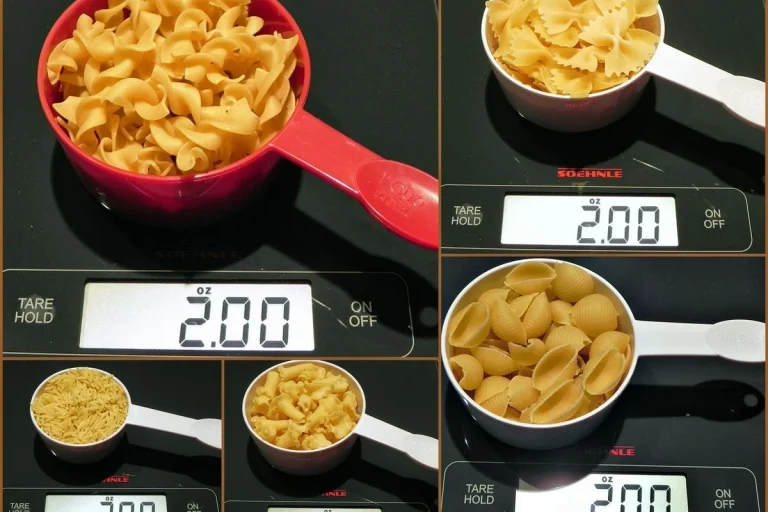
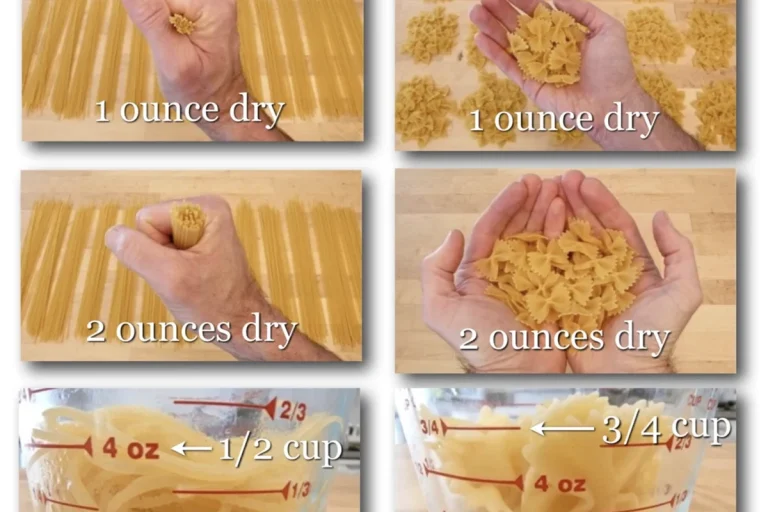
Cups are convenient, but they are not always precise across brands and regions. If you cook sticky rice often, weight-based measuring gives more repeatable results because it reduces variation from packing and cup size.
Rice cooker water lines can help, but they are not universal. Treat them as a starting guide, not a guarantee, especially if you are using a different rice type than the cooker’s default setting assumes.
Soak time recommendations and how they reduce the need for extra water
A moderate soak usually improves texture and shortens the amount of water needed in the cooker. Many cooks find that 30 minutes to 4 hours works well, depending on the rice variety and freshness.
Longer soaking can reduce the cooking water requirement, but over-soaking may make the grains too fragile. If the rice has already absorbed a lot of water, keep the cooker water on the lower end of the range.
When to use less water for fresher rice and when to use slightly more for older rice
Fresh rice often holds moisture better and can cook nicely with less added water. Older rice tends to dry out in storage, so it may need a small increase to reach the same soft, chewy result.
This is one reason the best sticky rice rice cooker water ratio is not a single number. It is a starting point that should be adjusted for the age of the rice, the length of the soak, and the cooker’s heat pattern.
- Match rice type to the cooking method
- Check cooker markings against your batch size
- Compare soak time, drain time, and final water level
Step-by-Step Rice Cooker Method for Perfect Sticky Rice
Preparing the rice: washing until the water runs mostly clear
Rinse the rice several times until the water looks mostly clear. You do not need perfectly clear water, but reducing surface starch helps prevent a heavy, glue-like finish.
After rinsing, let the rice drain well before adding it to the cooker. That small step makes the water ratio more reliable and the final texture more even.
Setting the water level and selecting the correct cooking mode
Add your measured water using the ratio range that fits your rice type. If your cooker has a sticky rice, white rice, or grain setting, choose the one that best matches glutinous rice or short-grain rice.
When in doubt, choose the gentler setting rather than the fastest one. Sticky rice usually benefits from steady cooking and a short resting period after the cycle ends.
Wash the rice, then soak it long enough to hydrate the grains before cooking.
Drain thoroughly, then add the measured cooking water based on your chosen ratio.
Run the cycle, then let the rice sit before opening the lid and fluffing gently.
Resting after cooking: why 10–15 minutes improves texture
Resting gives steam time to redistribute through the pot. That helps finish any slightly firmer grains and reduces the chance of wet spots near the bottom.
Ten to fifteen minutes is often enough for sticky rice. Opening the lid too early can release steam before the texture settles, which may leave the top dry and the center uneven.
Fluffing and serving without crushing the grains
Use a rice paddle or silicone utensil to lift and turn the rice gently. Pressing too hard can mash the grains and make the texture denser than intended.
Serve soon after fluffing for the best chew. If you need to hold it for later, keep the pot covered so the surface does not dry out.
Common Sticky Rice Rice Cooker Mistakes and How to Fix Them
Too much water: soggy, gummy, or collapsed rice
Too much water is the most common cause of sticky rice that feels mushy instead of pleasantly chewy. The grains may still taste fine, but the texture becomes heavy and hard to separate.
If this keeps happening, reduce the water in small steps and shorten the soak slightly. You may also need to drain the rice more thoroughly before cooking.
Too little water: dry centers and uneven cooking
Too little water can leave the center of the grains firm or chalky. This is more likely with older rice, a longer soak, or a cooker that loses more steam than expected.
If the rice finishes too dry, add a little more water next time rather than trying to rescue it during the same cycle. Overcorrecting can swing the texture in the opposite direction.
Skipping the soak: undercooked texture even when the cooker finishes
When sticky rice is cooked without soaking, the outside may soften before the center fully hydrates. The result can be uneven grains that feel tough in the middle.
Soaking is especially helpful if you want a consistent result from a standard rice cooker. It reduces the need to guess at a higher water ratio and usually improves the overall finish.
Using the wrong rice variety or mixing sticky rice with regular rice
Mixing rice types can make the cooking result unpredictable. Glutinous rice and regular short-grain rice absorb water at different rates and do not always finish at the same time.
If you want reliable texture, cook one rice type at a time. That is the easiest way to keep the ratio accurate and repeatable.
Overfilling the cooker and causing boil-over or uneven heat
Overfilling can cause starch foam, boil-over, or uneven heating near the top of the pot. It also makes it harder for steam to circulate properly through the grains.
Stay within the cooker’s maximum fill line, especially if the rice expands a lot during cooking. This is a simple safety and quality step that prevents messy cleanup and poor texture.
Do not exceed the cooker’s max fill line. Overflow can block vents, create a mess, and affect the way the rice cooks.
Time, Cost, and Equipment Considerations for Better Results
Typical total cook time including soak, cook, and rest phases
Sticky rice is not a quick-cook grain if you want consistently good texture. The full process often includes soaking, cooking, and resting, so plan extra time beyond the cooker cycle itself.
Even though the active work is small, the total time can be significant. That is normal, and it is one reason many cooks prepare sticky rice ahead of the main meal.
Budget rice cooker vs. premium multi-cooker: which is best for sticky rice
A budget rice cooker can be enough if it heats evenly and has a reliable keep-warm function. A premium multi-cooker may offer more settings, but more features do not always mean better sticky rice.
The best choice depends on how often you cook sticky rice and how much control you want. For occasional use, a simple cooker may be the most practical option.
- Simple cookers are easy to use
- Multi-cookers offer more setting flexibility
- Both can work well with the right ratio
- Simple cookers may need more manual adjustment
- Multi-cookers can overcomplicate the process
- Not every model handles sticky rice equally well
Accessory comparison: steamer basket, measuring cup, and rice paddle
A steamer basket can produce excellent texture, especially for traditional sticky rice, but it requires more attention and a separate setup. A measuring cup is useful for consistency, while a rice paddle helps prevent crushing after cooking.
If you cook sticky rice regularly, these simple tools can improve repeatability more than an expensive appliance upgrade. Consistent measuring is often more valuable than chasing a perfect machine.
When a rice cooker is enough and when a steamer setup may outperform it
A rice cooker is usually enough for home cooks who want convenience and dependable results. A steamer setup may outperform it if you want a more traditional texture or if your cooker tends to over-soften the rice.
Choose the method that fits your routine. The best sticky rice rice cooker water ratio is only part of the result; the cooking method matters too.
Safety, Maintenance, and Cleanup Tips for Sticky Rice Cooking
Preventing overflow, steam burns, and lid pressure buildup
Open the lid carefully after cooking because steam can escape quickly. Keep your hands and face away from the vent area, especially if the cooker has just finished a cycle.
If the pot is very full or the rice foams heavily, let it settle before removing the lid completely. This reduces the chance of burns and keeps hot starch from splattering.
Cleaning starch buildup from the inner pot and steam vent
Sticky rice leaves more starch behind than many other grains. Wash the inner pot, lid, and steam vent area soon after use so residue does not harden.
Use warm water, a soft sponge, and mild soap. Avoid letting starch dry on the appliance, because it becomes harder to remove and can affect future cooking.
Protecting nonstick coatings and avoiding abrasive tools
Many rice cooker inner pots have nonstick surfaces that scratch easily. Use soft utensils and avoid metal tools that can damage the coating.
Once the coating is scratched, rice can stick more and cleanup becomes harder. Gentle care helps the cooker perform better over time.
Storage and reheating notes to maintain texture and food safety
Cool leftover sticky rice quickly and store it in a sealed container. Reheat only what you plan to eat, because repeated warming can dry out the grains and affect food safety.
When reheating, add a little moisture and cover the rice so steam can soften it again. This works better than blasting it uncovered and hoping the texture recovers.
Final Recap: The Most Reliable Sticky Rice Rice Cooker Water Ratio Strategy
The simplest ratio to start with in 2026
For 2026, the most reliable starting point is about 1 cup sticky rice to 1 to 1.25 cups water after soaking and draining. That range gives you a practical baseline without pushing the rice toward mushiness.
If your rice is very fresh, well-soaked, or cooked in a humid environment, start lower. If it is older or your cooker runs dry, move slightly higher next time.
How to adjust for rice brand, soak time, and cooker type
Different brands absorb water differently, and cooker design can change how much steam stays in the pot. That is why the same ratio may work beautifully in one kitchen and need a small tweak in another.
Adjust one variable at a time. Change the soak, then the water, then the cook setting if needed, so you can tell what improved the result.
Key takeaways for consistently soft, sticky, and evenly cooked rice
The best results come from rinsing well, soaking before cooking, measuring carefully, and resting after the cycle ends. Those steps matter as much as the water ratio itself.
If you keep notes on your rice type, soak time, and cooker setting, you will get more consistent sticky rice with every batch. In practice, that is what “perfect results” really means.
Frequently Asked Questions
A good starting point is about 1 cup sticky rice to 1 to 1.25 cups water after soaking and draining. Adjust slightly based on rice age, soak time, and cooker type.
Yes, soaking usually improves texture and helps the rice cook more evenly. It also reduces the need for extra water in the cooker.
Mushy sticky rice is usually caused by too much water, too little draining, or overcooking. Try reducing the water slightly and draining the soaked rice more thoroughly.
Yes, most regular rice cookers can make sticky rice well if you use the right ratio and soak the rice first. Results may vary by model, so small adjustments may be needed.
A rest time of about 10 to 15 minutes usually helps the texture settle. It lets steam redistribute and finish any slightly firm grains.
Check whether the cooker has a grain or sticky rice setting, a reliable keep-warm function, and a size that fits your usual batch. Also compare your budget, counter space, and how often you plan to cook sticky rice.