De Cecco Pasta Review Why It Stands Out Today

De Cecco pasta stands out for its firm texture and strong sauce grip. It’s a smart pick if you want better everyday pasta and don’t mind paying a little more.
De Cecco pasta stands out because it balances texture, flavor, and reliable cooking. It feels like a step up from many basic supermarket pastas, yet it still fits normal home cooking.
In this Red Kitchen Project guide, we’ll explain what makes it different, how it’s made, and when it’s worth buying. We’ll also cover the best shapes, cooking tips, and the limits to know before you spend more.
- Texture matters: De Cecco usually cooks up firmer than basic pasta.
- Good sauce grip: Its surface helps sauce cling better.
- Best for everyday use: It fits weeknight meals, baked pasta, and soups.
- Value depends on use: Worth it for frequent pasta cooks, less so for rare meals.
What De Cecco Pasta Is and Why It Gets So Much Attention
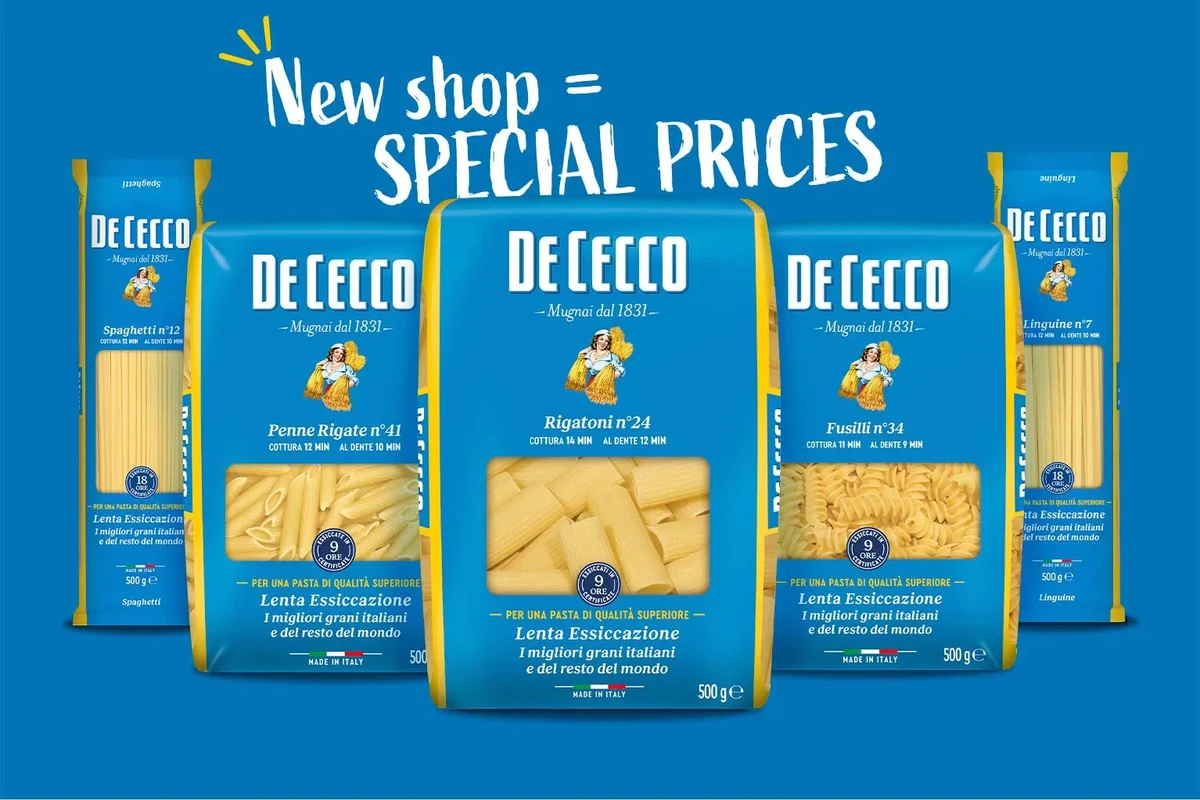
De Cecco is a long-running Italian pasta brand with a strong reputation for quality. Many home cooks choose it because it has a firm bite and a surface that grips sauce well.
That matters more than people think. Good pasta should taste clean, hold its shape, and help the sauce cling instead of sliding off.
Quick answer: what makes De Cecco different
The short answer is simple. De Cecco often feels more textured and sturdy than many lower-cost pastas.
That texture helps it cook into a better final dish. It can make a plain tomato sauce or olive oil sauce taste more complete.
Brand background and reputation in 2026
In 2026, De Cecco still has a strong place in the pasta aisle. It is often seen as a dependable mid-to-premium choice.
Its reputation comes from consistency. Shoppers often return to it because the results feel predictable and solid.
That said, availability and exact product lines can vary by store and region. Always check the package details if you need a specific shape or ingredient list.
Who this review is for
This guide is for home cooks who want better pasta without getting too fancy. It also helps shoppers who are tired of pasta that turns soft or bland too fast.
If you cook quick weeknight meals, bake pasta dishes, or make simple sauces, this brand may fit well.
Results can change by shape, sauce, and cooking time. Even a good pasta can turn mushy if you overcook it.
How De Cecco Pasta Is Made
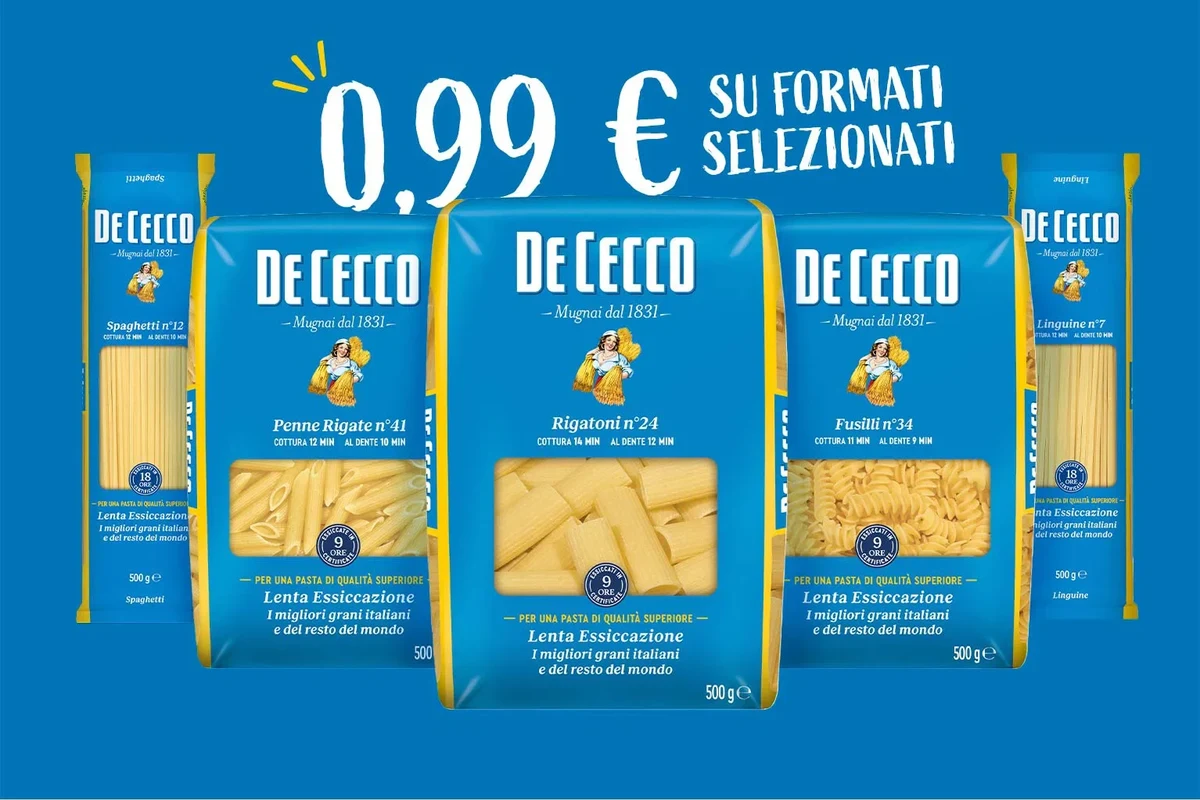
Most of De Cecco’s appeal comes from how it’s made. The brand focuses on wheat quality, texture, and drying methods that support a firmer result.
Those details sound small, but they change how the pasta cooks and tastes.
Key ingredients and wheat quality
De Cecco pasta is typically made from durum wheat semolina. That wheat is common in quality dry pasta because it gives structure and a firm bite.
Better wheat does not make pasta magical. But it can help the noodles stay pleasant after boiling and saucing.
Bronze-cut texture and why it matters
Many De Cecco shapes are bronze-cut, or made with a similar rough surface process. A rough surface helps sauce stick better.
That is useful in real meals. Think of a simple garlic and oil dish, where you want every strand or tube coated, not slick and bare.
Rough pasta surfaces usually hold sauce better than very smooth ones.
Drying process and its effect on taste
Drying matters because it helps set the pasta’s final texture. Slower, more careful drying can support a cleaner bite and better cooking stability.
It also affects flavor in a quiet way. Well-made dry pasta often tastes more like wheat and less like plain starch.
Texture, Taste, and Cooking Performance
This is where De Cecco earns most of its praise. The pasta usually cooks into a firm, springy texture that feels better than average.
Of course, cooking method still matters. Even great pasta can turn soft if you leave it in the pot too long.
How it holds sauce
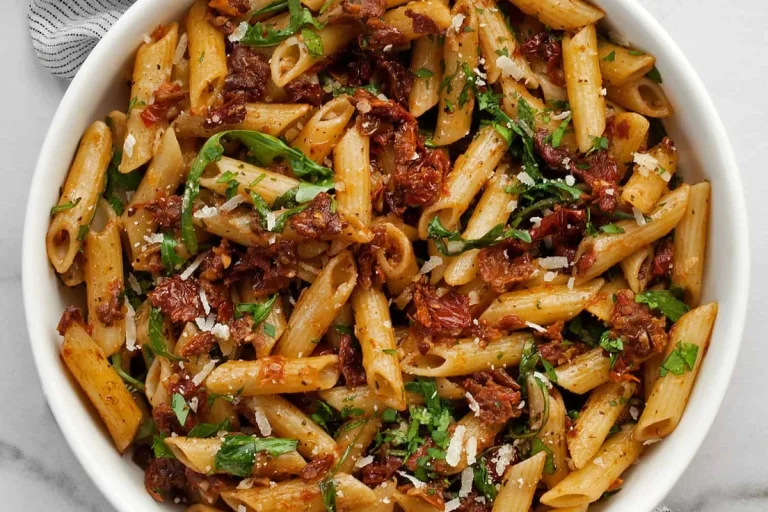
De Cecco tends to hold sauce well because of its surface texture. That helps both thick and light sauces cling more evenly.
For example, penne works well with meat sauce, while spaghetti can handle tomato sauce or pesto nicely.
Rough texture helps sauce stay on the pasta.
Good structure helps the pasta feel satisfying.
Reliable shapes help reduce weak or gummy spots.
How well it keeps shape after cooking
Good dry pasta should keep its shape, and De Cecco usually does that well. It can stay pleasant even after a short rest.
That matters if you serve family-style meals. Pasta often sits for a few minutes while the sauce finishes or the table gets ready.
Best pasta shapes for different dishes
Shape choice changes the whole meal. Some shapes catch sauce, while others work better in broth or baked dishes.
| Option | Best For | Key Consideration |
|---|---|---|
| Spaghetti | Simple tomato, olive oil, or seafood sauces | Best when you want a classic, clean twirl |
| Penne | Chunky sauces and baked pasta | Holds sauce inside the tubes |
| Rigatoni | Heavier meat sauces | Good for bold, thick sauces |
| Fusilli | Pesto and vegetable sauces | Spirals catch small bits well |
| Small shapes | Soups and light broths | Cook fast and should stay firm |
De Cecco Pasta Review: Benefits and Limits
No pasta brand is perfect for every kitchen. De Cecco has real strengths, but it also has a few trade-offs.
That balance matters if you shop with a budget or cook often.
Main strengths for home cooks
The biggest strength is consistency. You can usually expect a solid texture and a good sauce hold.
It also works in many types of meals. That makes it a smart pantry staple for cooks who want one reliable brand.
- Firm texture that feels better than basic pasta
- Good sauce grip for many recipes
- Wide shape range for everyday cooking
- Reliable choice for simple meals
- Usually costs more than store-brand pasta
- Not every shape suits every sauce
- Results still depend on careful cooking
- Availability can vary by store
Common drawbacks to know before buying
The main drawback is value. If you only need basic pasta for a cheap weeknight meal, a store brand may be enough.
Also, some shoppers may not notice a huge difference in every dish. A heavy sauce can hide some of the texture gap.
How it compares with budget and premium brands
Compared with budget pasta, De Cecco usually feels more refined and holds up better. Compared with some premium boutique brands, it may be easier to find and more practical for daily use.
That middle ground is what makes it appealing. It gives you a quality step up without becoming too niche.
De Cecco Pasta
A strong all-around choice for cooks who want better texture, better sauce grip, and dependable results. The main limit is price, which may not suit every pantry.
How to Choose the Right De Cecco Pasta for Your Meal
The best shape depends on the sauce, the cooking style, and how much time you have. Picking the right one can make a simple dinner taste more balanced.
Best shapes for weeknight dinners
For quick meals, choose shapes that cook evenly and pair with many sauces. Spaghetti, penne, and fusilli are easy picks.
They work well with jarred sauce, olive oil, butter, or a fast vegetable mix.
Best shapes for baked pasta and soups
For baked dishes, choose sturdy shapes that can handle oven time. Penne and rigatoni are both good choices.
For soups, use small shapes that stay firm in broth. Tiny pasta shapes can make a soup feel fuller without taking over the bowl.
When to pick De Cecco over other brands
Choose De Cecco when texture matters and you want a dependable result. It is a good fit for cooks who notice the difference between soft pasta and firm pasta.
If price is your top concern, a budget brand may make more sense. If you want a specialty shape or a local artisan product, another brand may suit you better.
How to Cook De Cecco Pasta the Right Way
Good pasta can still fail with bad technique. The good news is that the basics are simple.
Use enough water, salt it well, and watch the timing closely.
Water, salt, and timing basics
Start with a large pot of water so the pasta can move freely. Salt the water so the pasta has flavor from the inside out.
Check the package for timing, then taste a minute or two before the end. That is the safest way to avoid overcooking.
Salt
Tongs or spoon
Timer
Sauce
Common cooking mistakes to avoid
The most common mistake is overcooking. Pasta keeps softening a little after draining, especially if it sits in hot sauce.
Another mistake is rinsing it unless the recipe asks for it. Rinsing removes starch that helps sauce cling.
- Taste the pasta before draining it
- Keep some pasta water for the sauce
- Finish the pasta in the pan with sauce
- Do not overfill the pot with pasta
- Do not rinse unless the recipe needs it
- Do not walk away during the last minutes
Tips for finishing pasta in sauce
Finishing in sauce is one of the easiest ways to improve a meal. Add the drained pasta to the pan and let it cook for a short time with the sauce.
Use a splash of pasta water if the sauce feels too thick. That helps the sauce coat the noodles more evenly.
- Save a little pasta water before draining.
- Use a pan wide enough to toss the pasta well.
- Pair thin sauces with long shapes and heavy sauces with tubes.
Always follow the package directions and your cookware safety guidance. Hot water and steam can burn fast, so drain carefully.
Price, Value, and Final Verdict
De Cecco usually sits above the cheapest pasta brands, but it is not a luxury splurge. That middle position helps explain why so many cooks keep buying it.
The value depends on how much you care about texture and sauce grip.
Is De Cecco worth the cost in 2026
In 2026, De Cecco is worth it for many home cooks who want better everyday pasta. If you cook pasta often, the better texture can make the extra cost feel justified.
If pasta is just a side dish once in a while, a lower-cost option may be enough.
Best buyer types and final recommendation
De Cecco is a strong pick for cooks who want a reliable upgrade from basic pasta. It is especially good for simple sauces, family dinners, and recipes where texture matters.
If you want the cheapest possible pasta, look elsewhere. But if you want a pantry staple that usually performs well, De Cecco is easy to recommend.
De Cecco pasta stands out because it delivers firm texture, good sauce grip, and broad everyday use. It is best for home cooks who want dependable quality, while budget shoppers may prefer a lower-cost brand.
- De Cecco is known for texture and sauce grip.
- It works well in many everyday pasta dishes.
- It costs more than budget pasta, but often feels worth it.
- Cooking it well is still the key to good results.
Frequently Asked Questions
De Cecco often has a firmer bite and a rougher surface than many basic pastas. That helps sauce cling better and can improve the final dish.
Spaghetti works well with smooth sauces, while penne and rigatoni suit thicker sauces. Fusilli is a good pick for pesto and small bits of vegetables.
It can be worth it if you care about texture and cook pasta often. If you only want a cheap side dish, a store brand may be enough.
Use plenty of salted water and taste the pasta before the package time ends. Finish it in the sauce for better flavor and a smoother texture.
Yes, sturdy shapes like penne and rigatoni work well in baked pasta. Small shapes are better for soups because they stay easy to eat.
Check the shape, ingredient list, and package size, since these can vary by store and region. If you need a specific recipe match, verify the exact cut before you buy.