How Much Dry Pasta Per Person for Perfect Portions

Use 2 ounces of dry pasta per adult for a main dish, or about 1 ounce for a side. Adjust up or down based on the pasta shape, sauce, and appetite.
For most adults, the best answer is about 2 ounces of dry pasta per person for a main dish. That usually gives you a solid, filling serving without leaving a huge pile of leftovers.
If pasta is only a side dish, you can cut that amount in half. The right portion still depends on the pasta shape, the sauce, and who is eating dinner.
- Main dish rule: Start with 2 ounces of dry pasta per adult.
- Side dish rule: Use about 1 ounce per person for a side.
- Shape matters: Spaghetti, penne, and large shapes measure differently.
- Meal matters: Add-ins and sauce can make smaller portions feel enough.
How Much Dry Pasta Per Person: The Quick Answer

The simple rule is easy to remember. Use 2 ounces of dry pasta per adult for a main course, or about 1 ounce for a side.
That works well for most long pasta, like spaghetti and linguine. It also gives a good starting point for short shapes, like penne and rotini.
Standard serving sizes for adults
For most home meals, here’s the usual guide:
- 2 ounces dry pasta for a main meal
- 1 ounce dry pasta for a side dish
- About 1 cup cooked pasta for a lighter serving
These are starting points, not strict rules. A hungry teen may need more, while a small eater may need less.
When to use more or less pasta
Use more pasta when the sauce is light or the meal has few extras. Use less when you add meat, beans, vegetables, or bread on the side.
In short, think about the whole plate. Pasta is only one part of the meal.
If you cook pasta often, pick one standard portion and stick with it. That makes weeknight meals faster and cuts down on waste.
What Affects the Right Pasta Portion

Not all pasta portions work the same way. Shape, type, and meal style all change how much you should cook.
Pasta shape and size
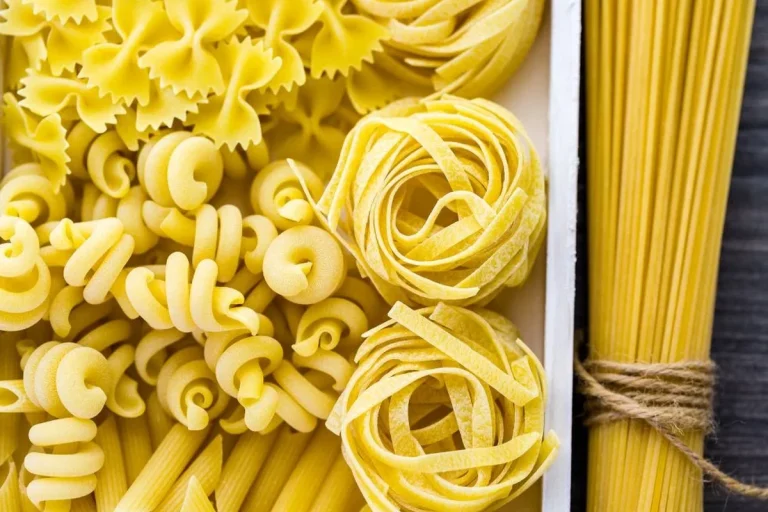
Long pasta and short pasta can look very different before cooking. A small nest of spaghetti may seem tiny, but it can expand a lot in the pot.
Large shapes, like rigatoni or shells, often feel more filling. They can hold sauce and add-ins, so you may not need as much.
Dry pasta versus fresh pasta
Dry pasta and fresh pasta are not measured the same way. Fresh pasta has more water and cooks faster, so the portion size can feel different on the plate.
For that reason, always check the package if you switch types. The label usually gives the best starting point.
Side dish or main course?
This is one of the biggest portion questions. If pasta shares the plate with protein and vegetables, you usually need less.
If pasta is the star of the meal, use the full adult serving. A simple noodle bowl with sauce often needs more than a pasta side with chicken and salad.
Package serving sizes can vary by brand and pasta style. Treat the label as a guide, then adjust for your table.
How to Measure Dry Pasta Without a Scale
You do not need a kitchen scale to get close. Cups, handfuls, and package clues can help you portion pasta at home.
Using cups, handfuls, and package clues
A scale is the most exact tool, but many cooks do fine without one. For everyday meals, you can use simple visual cues.
Try these rough guides:
- Long pasta: a small bundle about the width of a quarter
- Short pasta: about 1 cup dry for a main serving, depending on shape
- Very small pasta: measure by volume, not by eye
Many pasta boxes also list servings per package. That can help when you cook for two, four, or a crowd.
Measuring spaghetti, penne, and other shapes
Spaghetti is often the easiest to measure by bundle. Hold the dry strands together and compare them to a coin-sized circle.
Penne, rotini, and similar shapes work better with cups. Since the shapes vary, a cup can be more useful than a handful.
Dry pasta usually expands as it cooks, so a small amount can become a full bowl fast.
How Much Dry Pasta Per Person for Different Meals
The best amount changes with the meal. A quick family dinner has different needs than meal prep or leftovers.
Family dinners and weeknight meals
For a normal family dinner, 2 ounces per adult is a good place to start. For kids, you can often serve less and let them ask for more.
If you serve bread, salad, or a rich sauce, the pasta can stay on the smaller side. That keeps the meal balanced and less heavy.
Meal prep and leftovers
Meal prep calls for a little extra planning. If you want leftovers for lunch, cook a bit more than the usual serving.
Still, don’t overdo it. Pasta can get soft after storage, so it helps to leave some room for sauce and reheating.
Big appetites, kids, and light eaters
Big eaters may need 3 ounces or more, especially for a pasta-only meal. Light eaters may be happy with 1 to 1.5 ounces.
Kids usually need less than adults, but age alone does not decide it. Appetite, side dishes, and the rest of the meal matter too.
- Start with less pasta if you’re unsure.
- Add more after cooking if the meal needs it.
- Keep extra sauce ready for dry pasta plates.
Common Pasta Portion Mistakes to Avoid
Most pasta problems come from guessing too fast. A few simple mistakes can lead to wasted food or a skimpy meal.
Cooking too much or too little
Too much pasta can crowd the pan and leave you with leftovers you did not want. Too little can leave everyone still hungry.
The fix is simple. Measure first, then adjust after you know what else is on the table.
Ignoring sauce and add-ins
Heavy sauce, cheese, meat, and vegetables all change the final portion. A rich baked pasta needs less dry pasta than a plain noodle bowl.
Think of pasta as the base, not the whole meal. That mindset helps you portion better.
Forgetting pasta expands when cooked
Dry pasta looks small, but it grows a lot in water. That’s why a tiny pile can turn into several servings.
In short, always measure the dry amount before cooking. It’s much easier than trying to fix too much cooked pasta later.
Use a large enough pot and follow the package directions. Overcrowding can lead to uneven cooking and sticky pasta.
Best Practices for Better Pasta Portions in 2026
Good portioning does not need fancy tools. A few simple habits can make pasta nights easier and more consistent.
Simple tools that help with accuracy
A kitchen scale gives the best control if you want repeatable portions. Measuring cups also help, especially for short pasta.
Pasta portion tools can be useful too, but they are not required. The best tool is the one you’ll actually use.
Budget tips and value for home cooks
Buying dry pasta in the right amount saves money and cuts waste. It also helps you plan sauces and sides more accurately.
If you cook for a family, learn your household’s usual serving size. That small habit can make grocery trips simpler.
- Decide if pasta is the main dish or a side
- Check the pasta shape before measuring
- Match the amount to sauce, sides, and appetite
Final Recommendation: The Best Pasta Amount for Most People
For most adults, 2 ounces of dry pasta per person is the best default for a main meal. It is simple, flexible, and easy to scale up or down.
When to follow the standard rule
Use the standard rule when you want a reliable dinner portion. It works well for weeknight meals, simple sauces, and mixed family tables.
If you cook for guests, it also gives you a safe starting point. You can always make a little extra sauce or side salad.
When to adjust for your table
Adjust the amount when your meal has lots of extras or when your eaters have very different appetites. Kids, big eaters, and leftover fans all change the math.
So, if you want the short answer, start with 2 ounces dry pasta per person. Then adjust based on the shape, the sauce, and how full you want everyone to feel.
Two ounces of dry pasta per person is the best all-around rule for a main dish. Use less for a side, and adjust up for big appetites or pasta-heavy meals.
Frequently Asked Questions
For most adults, start with 2 ounces of dry pasta for a main dish. Use about 1 ounce if pasta is only a side.
Yes, shape can change how filling the meal feels. Long pasta, short pasta, and large shapes all measure a little differently.
Yes, you can use cups, handfuls, or package serving clues. A kitchen scale is more exact, but it is not required for everyday cooking.
Make a little more than the usual serving if you want leftovers. Just avoid overcooking too much pasta, since it can soften after storage.
Yes, rich sauces, meat, beans, and vegetables can make the meal more filling. You can usually serve a smaller pasta portion when the dish has more add-ins.
The biggest mistake is guessing without thinking about the whole meal. Pasta expands when cooked, so measuring the dry amount first helps a lot.