Is Chickpea Pasta Healthy A Simple Nutrition Guide

Yes, chickpea pasta is healthy for many people because it usually has more protein and fiber than regular pasta. It works best when you want a filling, plant-based meal and you cook it carefully.
Yes, chickpea pasta can be a healthy choice for many people. It often gives you more protein and fiber than regular white pasta, which can help you feel full longer.
That said, it’s not magic food. The best choice still depends on the brand, your diet needs, and how you cook it.
- More protein: Chickpea pasta often beats wheat pasta on protein.
- More fiber: It can help you feel full longer.
- Label matters: Ingredients, sodium, and allergens vary by brand.
- Cook gently: It can turn mushy if overcooked.
- Best use: It shines in balanced meals with sauce and vegetables.
Is Chickpea Pasta Healthy? The Short Answer

For most home cooks, chickpea pasta is a smart swap when you want more nutrition in a simple dinner. It can fit well into balanced meals, especially if you want more plant protein.
It also works well for people who want a pasta that feels hearty without leaning only on refined wheat flour. In short: it’s healthy for many eaters, but it still needs a good sauce and a balanced plate.
What makes chickpea pasta different from regular pasta
Regular pasta usually starts with wheat flour. Chickpea pasta uses chickpea flour, either alone or with a few added ingredients.
That change matters because chickpeas bring more protein and fiber than refined wheat pasta. They also tend to have a different taste and a firmer texture.
Chickpeas are legumes, so chickpea pasta often has a more bean-like nutrition profile than classic pasta.
In short: the big difference is the flour source, and that changes both nutrition and texture.
Who may benefit most from it
Chickpea pasta can be a good pick for people who want more protein in a meat-free meal. It may also help if you want a pasta that feels more filling.
It can be useful for busy families, meal prep, and anyone trying to build a more balanced bowl of pasta. In short: it’s often best for people who want a more filling, higher-protein pasta option.
What Chickpea Pasta Is Made Of

Most chickpea pasta starts with chickpea flour. Some brands keep the ingredient list short, while others add extra flours or binders.
That’s why the label matters. Two boxes can look similar on the shelf and still act very differently in the pot.
Main ingredients you’ll usually see on the label
The simplest versions often use chickpea flour and water. Some brands add lentil flour, pea protein, or tapioca starch.
You may also see salt or gums in some products. Those ingredients can change texture and cooking behavior.
Ingredient lists vary a lot by brand. Always check the box if you need gluten-free, low-sodium, or simple ingredients.
In short: the shorter the ingredient list, the easier it is to know what you’re buying.
How chickpea flour changes the nutrition profile
Chickpea flour brings more plant protein and fiber than refined wheat flour. That usually makes the pasta more filling.
It also changes the carb mix. Many people like that because it can feel steadier in a meal with vegetables and protein.
In short: chickpea flour upgrades the nutrition profile, but the exact numbers still vary by brand.
What to check for in store-bought brands
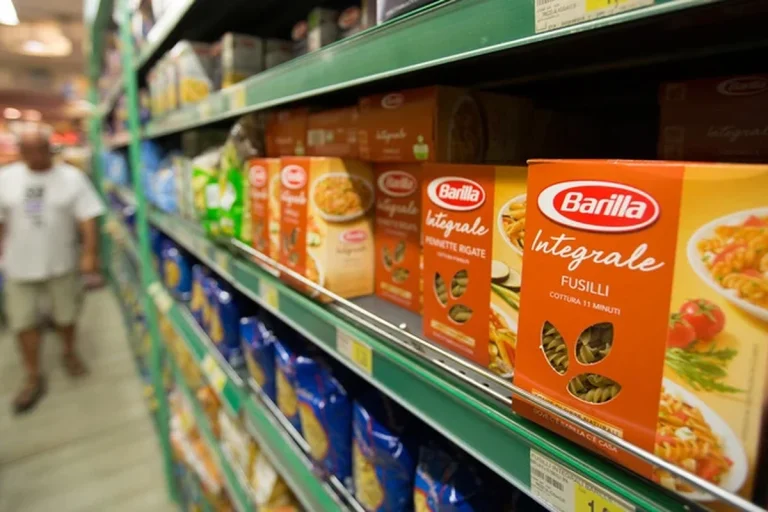
Start with the ingredient list. If you want a simple product, look for chickpea flour near the top.
Then check serving size, protein, fiber, sodium, and any allergen notes. If you need gluten-free pasta, look for a clear gluten-free claim and read the full label.
- Check the ingredient list first
- Compare protein and fiber per serving
- Look for gluten and allergen notes
- Review sodium if you watch salt
In short: the label tells you far more than the front of the box.
Chickpea Pasta Nutrition: What Matters Most
The healthiest pasta is the one that fits your needs and your meal. For chickpea pasta, the biggest points are protein, fiber, carbs, and serving size.
Those details matter more than the brand name. They help you compare it with regular pasta in a fair way.
Protein, fiber, and carbs compared with wheat pasta
Chickpea pasta usually gives you more protein than standard wheat pasta. It also tends to have more fiber.
That can make a real difference at dinner. A bowl of pasta with more protein and fiber may keep you satisfied longer.
Regular pasta often has more refined carbs and less fiber. Chickpea pasta shifts that balance in a better direction for many people.
In short: chickpea pasta often wins on protein and fiber, while wheat pasta is usually more plain and simple.
Calories, fat, and sodium in plain terms
Calories can be similar between chickpea pasta and wheat pasta, but that depends on the brand. The bigger change is usually the protein and fiber.
Fat is often low in both types. Sodium can vary more than people expect, especially if the brand adds salt.
If you watch sodium, compare labels carefully. A small difference per serving can add up fast once sauce and cheese enter the picture.
In short: don’t judge only by calories. Protein, fiber, and sodium matter just as much.
How serving size affects the real numbers
Serving size can make a pasta look healthier or less healthy on paper. Some boxes list dry servings that are smaller than what most people eat.
If you cook for a family, the numbers on the label can be easy to misread. A second helping changes the math quickly.
In short: always compare the numbers per same-size serving, not by eyeballing the bowl.
Health Benefits of Chickpea Pasta
Chickpea pasta can do more than just replace wheat pasta. For many people, it adds useful nutrition without making dinner feel complicated.
That makes it a nice pantry staple when you want something quick but still balanced.
Why it can help with fullness and steady energy
Protein and fiber both help meals feel more satisfying. Chickpea pasta often has more of both than regular pasta.
That may help some people avoid the hungry-again feeling an hour later. It can also make a simple pasta bowl feel more like a full meal.
- More protein than many wheat pastas
- More fiber for better fullness
- Easy swap in familiar pasta dishes
In short: it can help you stay full longer, especially when paired with vegetables and protein.
How it fits into high-protein and plant-based meals
Chickpea pasta fits neatly into plant-based eating. It gives you a base that already contributes protein before you add anything else.
That makes it handy for meatless dinners. For example, you can pair it with tomato sauce, roasted vegetables, and tofu or beans.
It also works well for people who want more protein without relying on meat at every meal. In short: it’s an easy plant-based dinner base.
Possible blood sugar benefits for some eaters
Some people find that higher-fiber foods feel gentler on blood sugar than refined grains. Chickpea pasta may help with that for some eaters.
Still, your full meal matters more than the pasta alone. Sauce, portion size, and side dishes all affect the result.
If you manage blood sugar, it’s smart to ask a dietitian or doctor how chickpea pasta fits your plan. In short: it may help some people, but it’s not a cure-all.
Limits, Downsides, and Who Should Be Careful
Chickpea pasta is not perfect for everyone. Some people love it right away, while others need time to adjust.
Knowing the downsides can save you from a disappointing dinner.
Digestive issues and how fiber can affect you
More fiber is a plus for many people, but it can also cause gas or bloating. That’s especially true if you’re not used to high-fiber foods.
Start with a smaller serving if your stomach is sensitive. Drinking water and eating slowly can also help.
If a food regularly causes pain, swelling, or strong digestive trouble, stop eating it and ask a health professional for advice.
In short: fiber helps many people, but too much too fast can feel rough.
Allergy concerns and gluten-free label checks
Chickpeas are legumes, so anyone with a legume allergy should be careful. That includes people who react to chickpeas or related foods.
Many chickpea pastas are gluten-free, but not all are made in the same way. Cross-contact can matter if you have celiac disease or strong gluten sensitivity.
Follow the package allergen statement and stop using any food that seems unsafe for your diet.
In short: read the allergen label every time, even if you bought the same brand before.
When chickpea pasta may not be the best choice
Chickpea pasta may not be ideal if you want a very mild taste or a soft, classic pasta texture. Some people notice a bean-like flavor right away.
It may also be a poor fit if your diet already has plenty of fiber and protein from other foods. In that case, regular pasta might be simpler and cheaper.
In short: choose it for nutrition and fullness, not because it tastes exactly like wheat pasta.
How to Cook Chickpea Pasta the Right Way
Chickpea pasta cooks a little differently from wheat pasta. The best results usually come from close timing and careful draining.
If you rush it, the texture can turn soft fast.
Best cooking times and texture tips
Always start with the package directions. Different brands can cook at different speeds.
Check the pasta a minute or two before the listed time ends. You want it tender but still firm enough to hold sauce.
- Stir early to prevent sticking
- Taste often near the end of cooking
- Drain as soon as it reaches your preferred bite
In short: test early, because chickpea pasta can go from firm to soft quickly.
Common mistakes that lead to mushy pasta
Overcooking is the biggest problem. Chickpea pasta can lose its best texture if it stays in hot water too long.
Using too little water can also cause sticking and uneven cooking. Heavy stirring near the end can break the pasta apart.
The pasta turns soft, sticky, or breaks apart.
Use plenty of water, stir gently, and pull it from heat early.
In short: treat it gently and don’t walk away from the pot.
Sauces and add-ins that work well
Chickpea pasta pairs well with bold sauces. Tomato sauce, pesto, garlic oil, and creamy vegetable sauces all work nicely.
It also tastes better with texture. Add roasted vegetables, greens, beans, chicken, shrimp, or tofu for a fuller meal.
For a quick dinner, I’d keep it simple. A bright sauce and one or two add-ins usually beat a heavy, crowded bowl.
In short: strong flavors and simple toppings help chickpea pasta shine.
How to Choose the Best Chickpea Pasta
The best chickpea pasta depends on what you care about most. Taste, texture, ingredients, and value all matter.
A “healthy” choice still has to work in your real kitchen.
Ingredient quality, taste, and texture
If you want the cleanest label, look for a short ingredient list. That can make the product easier to trust and easier to understand.
Taste and texture are personal. Some brands stay firm better, while others feel softer or more earthy.
In short: pick the brand that tastes good enough to eat again next week.
Price, value, and package size
Chickpea pasta often costs more than basic wheat pasta. That doesn’t mean it’s a bad buy, but value matters.
Look at how many servings you’ll get and how often you’ll use it. A pricier box can still be worth it if your family eats it often.
In short: value depends on how much you’ll actually use, not just the sticker on the shelf.
Best use cases for weeknight meals, meal prep, and families
Chickpea pasta works well for busy weeknights because it cooks fast and feels filling. It also packs well for meal prep, as long as you avoid overcooking it.
Families may like it when they want a simple nutrition boost without changing the whole meal. Kids may need a little time to get used to the flavor.
Best when you want fast cooking and a filling plate.
Best when you cool and store it before sauce so it stays firmer.
In short: it’s most useful when you want convenience plus better nutrition.
Final Verdict: Should You Eat Chickpea Pasta?
For most readers, yes, chickpea pasta is a healthy option worth trying. It brings more protein and fiber than many regular pastas, and that can make meals more satisfying.
It’s not the best choice for everyone, though. If you need a very mild taste, have a chickpea allergy, or want the cheapest pasta, another option may fit better.
Chickpea pasta is a strong everyday choice for people who want more protein, more fiber, and a filling plant-based meal. Pick it when nutrition matters most, and choose another pasta if you care more about price, taste, or a classic wheat texture.
Best overall recommendation for most readers
If you’re looking for a healthier pasta swap, chickpea pasta is a solid place to start. It gives you a better nutrition profile without making dinner hard.
That said, the best brand is the one you enjoy enough to keep using. Health only helps if the food actually gets eaten.
In short: for most people, it’s a smart pantry staple.
When to pick chickpea pasta over other pasta options
Choose chickpea pasta when you want more protein, more fiber, or a more filling meal. It’s also a good pick for meatless bowls.
Choose regular pasta when you want a softer texture, a lower price, or a more neutral flavor. In short: chickpea pasta wins on nutrition, while wheat pasta wins on classic comfort.
Simple takeaway for the Red Kitchen Project audience
Chickpea pasta is healthy for many people, but it works best when you read the label and cook it carefully. Pair it with vegetables, sauce, and a protein source for the best result.
If you want a simple, filling pasta with more nutrition than standard noodles, it’s a very good option. In short: yes, chickpea pasta can be healthy, and for many kitchens, it’s a smart swap.
Frequently Asked Questions
Often, yes. Chickpea pasta usually has more protein and fiber than regular wheat pasta, which can help with fullness.
It can have a mild bean-like taste. The flavor varies by brand and is often less noticeable with strong sauces.
It may help some people feel fuller, but no food guarantees weight loss. Portion size and the rest of the meal still matter.
Many chickpea pastas are gluten-free, but you should always check the package. Look for clear gluten-free labeling and allergen statements.
It can overcook quickly, especially if you leave it in hot water too long. Check it early and drain it as soon as it reaches the right texture.
It works well with tomato sauce, pesto, roasted vegetables, beans, chicken, shrimp, or tofu. Bold sauces help balance the flavor and texture.