Can You Freeze Dry Pasta Noodles for Long Term Storage

Yes, you can freeze dry pasta noodles, especially if they are cooked plain and packed well. The best results usually come from firm pasta, careful drying, and airtight storage.
Yes, you can freeze dry pasta noodles. It works best with cooked, plain pasta, and it can help you store meals for a long time if you package them well. The big trade-off is texture. Some noodles rehydrate nicely, while others turn soft or a little uneven.
Results vary by pasta shape, sauce, moisture level, and the freeze dryer model you use.
- Best choice: Plain, al dente pasta usually dries and stores best.
- Main limit: Texture can soften or turn uneven after rehydrating.
- Storage rule: Seal only fully dry pasta in airtight packaging.
- Safety point: Cool cooked pasta fast and follow your machine manual.
- Smart use: Freeze drying helps most for long-term storage and travel meals.
Can You Freeze Dry Pasta Noodles? The Short Answer and What It Means

Freeze drying pasta noodles is possible, but it is not the same as storing dry box pasta. Freeze drying removes water from cooked pasta after it has been frozen. That makes the noodles shelf stable when they are packed the right way.
For long-term storage, plain cooked pasta is the easiest place to start. Sauced pasta can also work, but sauces add fat, salt, and moisture. Those things can change drying time and final texture.
In short: yes, it can be done, but plain noodles usually give the best results.
Should you freeze dry already dry pasta from the pantry?
Usually, no. Dry pasta already stores well in a cool, dry place, so freeze drying it adds little value.
How Freeze Drying Works for Pasta Noodles

Freeze drying starts by freezing the food. Then the machine pulls out water through a process called sublimation. That means ice turns into vapor without becoming liquid first.
For pasta, that process keeps the shape better than simple air drying. Still, the noodle’s final texture depends on how much water it held before drying and how thick it was.
What freeze drying removes from cooked and dry pasta
Cooked pasta holds a lot of water in its starch structure. Freeze drying removes most of that moisture. That helps stop spoilage and slows down quality loss.
Dry pasta already has very little water. Freeze drying it does not offer much benefit unless you are building a special emergency food stash.
In short: freeze drying helps cooked pasta most, not pantry pasta.
Why pasta shape, thickness, and sauce matter
Thin noodles dry faster than thick ones. Small shapes also tend to freeze dry more evenly. Large stuffed pasta can trap moisture inside and dry unevenly.
Sauce matters too. Tomato sauce, cream sauce, and cheese sauce all behave differently. Thick sauces can coat the noodles and slow drying. Rich sauces can also leave a stronger flavor that changes over time.
Pasta that is slightly undercooked often rehydrates better than pasta cooked very soft.
Best Pasta Types for Freeze Drying and Long-Term Storage
Some pasta types hold up better than others. The best choices are usually simple shapes with a firm bite. These tend to dry and rehydrate more evenly.
Plain noodles vs. filled pasta vs. egg noodles
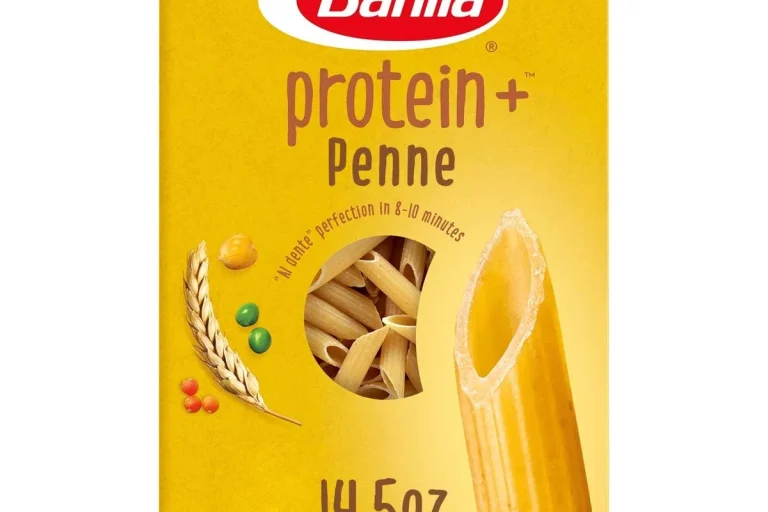
Plain noodles, like spaghetti, penne, and rotini, are the easiest to freeze dry. They dry fairly evenly and are easy to portion later.
Filled pasta, like ravioli or tortellini, is harder. The filling may hold moisture and slow the process. That can leave the center less dry than the outside.
Egg noodles can work, but they can be more delicate. They may break more easily during packing and storage.
- Plain noodles dry evenly and store well
- Small shapes rehydrate with less fuss
- Simple meals are easy to portion later
- Filled pasta can trap hidden moisture
- Soft noodles may turn mushy after rehydrating
- Sauced pasta needs more care and space
Which pasta styles hold texture best after rehydrating
Short, sturdy shapes often do best. Think penne, rotini, shells, and elbows. These shapes keep their form and are easy to stir into a meal.
Long noodles can still work, but they may clump more. Very soft pasta often comes back a little mushy. If texture matters most, start with pasta cooked just to al dente.
Step-by-Step Guide to Freeze Dry Pasta Noodles at Home
If you have a home freeze dryer, the process is simple in theory. The tricky part is prep. Good prep helps the noodles dry evenly and store safely.
Cooking, cooling, and portioning before freeze drying
Stop at al dente or just before it gets soft. This helps the noodles hold shape later.
Remove extra water so the machine has less moisture to pull out.
Let it reach room temperature before loading the trays. Warm food can add extra moisture and slow the process.
Spread them in thin, even layers. Keep portions small if you want faster, more even drying.
Follow your freeze dryer manual for load size, tray use, and food placement. Overloading can leave moisture behind.
Packaging, sealing, and label tips for storage
Once the pasta is fully dry, package it right away. Use airtight storage made for long-term food storage. Many people use mylar bags with oxygen absorbers or sealed jars, depending on the food and storage plan.
Label each package with the food name and date. If you freeze dry mixed meals, add a short note about sauce type or serving size. That makes future meal prep much easier.
In short: dry it fully, seal it fast, and label it clearly.
- Break up clumps before loading trays.
- Keep sauce layers thin and even.
- Store in a cool, dark place.
- Check for moisture before sealing.
Benefits and Limits of Freeze Drying Pasta Noodles
Freeze drying can be a smart way to store pasta meals. It cuts down on weight and can keep food ready for later use. That is handy for camping, outages, and emergency prep.
Storage life, weight savings, and meal prep value
Freeze dried pasta is light and compact. That makes it easy to store in bins, packs, or pantry shelves. It also works well for batch meal prep when you want fast dinners later.
For campers and preppers, the weight savings matter a lot. You can carry more food with less bulk. For home cooks, it can turn leftovers into ready-to-use backup meals.
- Long storage potential when packed well
- Light weight for travel and emergency kits
- Easy to portion into single meals
Texture loss, cost, and equipment limits
The biggest downside is texture. Some pasta comes back close to normal. Other batches turn softer, drier, or a little uneven.
Freeze dryers are also a big investment for many homes. They take space, power, and cleaning time. If you only want to save a few pasta meals, the machine may be more than you need.
Common Mistakes When Freeze Drying Pasta
Most pasta problems come from too much moisture or poor storage. A few simple habits can prevent most of them.
Overcooking, poor drying, and bad storage containers
Overcooked pasta often turns mushy after rehydrating. That is true even if it dries well. Start with firmer noodles for better results.
Poor drying is another common issue. If the pasta still feels cool, soft, or damp, it is not ready for storage. Bad containers can also let in air and moisture later.
Pasta feels soft or sticky after drying.
Dry it longer, spread it out better, and check for hidden moisture before sealing.
How to avoid clumping, moisture, and stale flavor
To avoid clumps, freeze dry pasta in thin layers and shake trays gently if your machine setup allows it. For sauced pasta, keep the coating light and even.
To reduce stale flavor, store the food in airtight packaging and keep it away from heat and light. Fatty sauces can lose quality faster than plain noodles, so use those sooner.
- Use firm pasta and cool it fully
- Package only when the food is fully dry
- Store in airtight, labeled containers
- Do not freeze dry very wet sauce in thick layers
- Do not seal warm pasta in storage bags
- Do not keep damaged packages for long-term storage
Safety, Cleaning, and Maintenance for Freeze Drying Pasta
Food safety matters just as much as texture. Cooked pasta can spoil if it sits out too long before drying. Sauced pasta needs even more care because some sauces hold moisture and fat.
Food safety rules for cooked pasta and sauces
Cool cooked pasta quickly and do not leave it out for long. Follow safe food handling rules for your kitchen and your machine manual. If a sauce contains meat, dairy, or eggs, be extra careful with cooling and drying.
When in doubt, use safer, simpler recipes. Plain pasta is easier to manage than a rich casserole or cream sauce. If food smells off, looks wrong, or feels damp after drying, do not store it.
Follow the appliance manual and stop using damaged equipment.
Cleaning the machine and preventing odor buildup
Clean trays, liners, and any removable parts after each batch. Pasta sauce can leave a sticky film that builds up fast. That residue can cause smell, flavor transfer, and poor drying over time.
Check your manual for the right cleaning method. Some parts may be dishwasher safe, while others need hand washing. Let all parts dry fully before you store the machine.
Wash trays, remove food bits, and wipe the chamber area if the manual allows it.
Inspect seals, doors, and gaskets for wear, smell, or buildup.
Final Verdict: Is Freeze Dried Pasta Worth It for Long-Term Storage?
Freeze dried pasta can be worth it if you want light, shelf-stable meals for emergencies, camping, or long storage. It works best with plain, cooked pasta that is not overdone.
If you care most about perfect texture, pantry dry pasta may be the better choice. If you want ready-to-heat meals with less weight and more shelf life, freeze drying makes sense.
Best use cases for home cooks, preppers, and campers
Home cooks may like it for batch meals and leftovers. Preppers may like the long storage potential. Campers may like the low weight and simple packing.
In short: it is a smart tool for the right job, not a must-have for every kitchen.
When to choose freeze drying, dehydration, or pantry storage instead
Choose freeze drying when shelf life and light weight matter most. Choose dehydration when you want a lower-cost preservation method and can accept more texture change.
Choose pantry storage when the pasta is already dry and you just need a simple, low-effort solution. For most households, that is still the easiest answer.
Freeze drying pasta noodles can work well for long-term storage, especially with plain, firm-cooked shapes. If you want the best balance of safety, shelf life, and ease, start with simple noodles and store them in airtight packaging.
- Yes, you can freeze dry pasta noodles.
- Plain, al dente pasta usually works best.
- Good drying and airtight storage matter most.
- Pantry pasta may not need freeze drying at all.
Frequently Asked Questions
Yes, you can freeze dry pasta noodles at home if you have a freeze dryer. Plain cooked pasta usually gives the best results, while sauced or filled pasta takes more care.
Usually, no. Dry pasta already stores well in a cool, dry place, so freeze drying adds little value for most homes.
Short, sturdy shapes like penne, rotini, shells, and elbows often work best. They dry more evenly and rehydrate with less clumping.
Yes, but sauce makes the job harder. Thin, even layers dry better than thick or creamy sauces, and rich sauces may change texture over time.
Store it in airtight packaging in a cool, dark place. Many people use mylar bags with oxygen absorbers or sealed jars, depending on the food and storage plan.
It can be safe if the pasta was cooked, dried, and stored correctly. If it smells off, feels damp, or shows signs of spoilage, do not eat it.