Is Barilla Pasta Vegan A Clear Guide for Shoppers

Yes, many Barilla pasta products are vegan, especially plain dry shapes. But you still need to check the exact box, because egg, milk, cheese, and filled pasta can make some versions non-vegan.
Yes, many Barilla pastas are vegan. But not every Barilla product is, so you still need to check the box and ingredient list.
The good news is simple. Most classic dry pasta made with durum wheat and water fits a vegan diet. The tricky part is Barilla also sells egg pasta, filled pasta, and special blends that may include animal ingredients.
- Plain dry shapes: Usually the easiest vegan Barilla choices.
- Label check: Always read the exact ingredient list before buying.
- Watch for dairy: Egg, milk, cheese, whey, and casein are not vegan.
- Filled pasta: Often contains animal ingredients and needs extra care.
- Best use: Barilla works well as a budget-friendly vegan pantry base.
Is Barilla Pasta Vegan? The Short Answer and What It Means

For most shoppers, Barilla is a solid vegan pantry brand. The safest rule is this. If the ingredient list shows only wheat, water, and maybe salt, it is usually vegan.
That said, vegan status depends on the exact shape and recipe. A blue box of dry spaghetti may be vegan, while a filled tortellini or egg noodle is not.
Which Barilla products are usually vegan
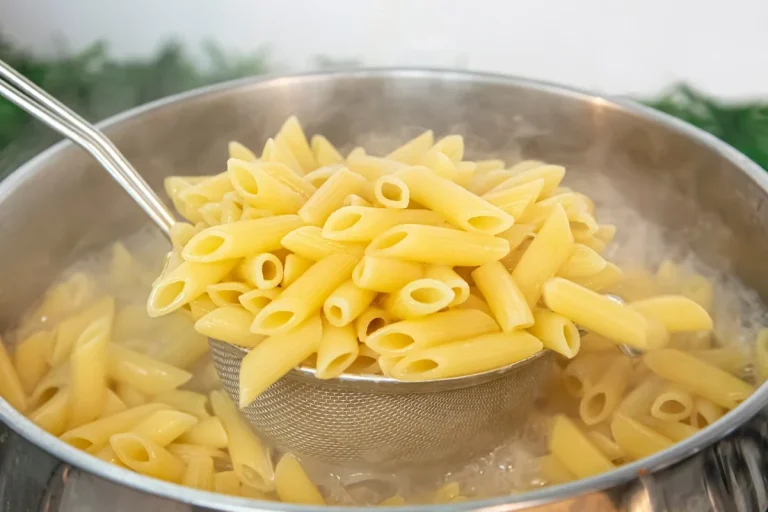
Classic dry pasta shapes are usually the easiest choice. These often include spaghetti, penne, fusilli, rigatoni, and similar shapes made from durum wheat semolina.
In many cases, these products use very short ingredient lists. That makes them simple to scan and easy to trust when you are shopping fast.
Dry pasta made from wheat and water is often naturally vegan, but filled pasta is a different story.
Which Barilla products need a closer look
Some Barilla products need extra care. Look closely at egg pasta, protein pasta, fresh pasta, and any filled shape.
Also check flavored or specialty lines. A product can look plain on the shelf and still include milk, egg, or cheese.
Always read the ingredient panel on the exact package you plan to buy. Recipes can change without much notice.
How to Check Barilla Ingredients the Right Way

Ingredient checks do not need to be hard. You just need a quick habit that catches the common non-vegan items.
Start with the front of the box, then move to the back. The front may say “protein” or “special blend,” but the ingredient list gives the real answer.
Reading the label without getting confused
Look for the shortest list first. Plain pasta usually lists semolina or durum wheat semolina, plus water.
If you see a long list, slow down. Extra ingredients often mean a more processed product, and that raises the chance of eggs or dairy.
- Check the exact product name
- Read the full ingredient list
- Watch for egg, milk, and cheese
- Confirm on the package you hold
Common non-vegan ingredients to watch for
These are the main ingredients that can make pasta non-vegan:
- Egg
- Milk
- Cheese
- Whey
- Casein
- Butter
Some labels use less obvious names. Whey and casein both come from milk, so they are not vegan.
Why recipes can change by shape and country
Barilla sells different products in different markets. A pasta shape in one country may use a different recipe in another.
Even within one country, the ingredients can vary by shape. So a safe habit is to check every package, every time.
Country rules, factory lines, and local recipes can all affect the final ingredient list.
Barilla Pasta Types: Vegan, Usually Vegan, and Not Always Vegan
A simple category guide helps a lot. It keeps you from assuming every Barilla product fits the same diet.
Classic dry pasta shapes
These are usually the best vegan picks. They often have the cleanest ingredient list and the least risk of hidden dairy or egg.
Examples often include:
- Spaghetti
- Penne
- Fusilli
- Rotini
- Rigatoni
Still, always verify the exact box. A shape name alone is not enough.
Protein pasta and special blends
Protein pasta deserves a closer look. Some versions use legumes, while others may include egg or other non-vegan ingredients.
Whole grain pasta is often vegan, but not always. The grain itself is fine, yet the full recipe still matters.
How to sort Barilla pasta by vegan fit
Use the product type to narrow your choices before you read the label.
Usually the easiest vegan choice.
Check ingredients with extra care.
Fresh, filled, and ready-to-cook products
Fresh pasta is more likely to contain egg. Filled pasta is also more likely to include cheese, milk, or meat.
Ready-to-cook meals and sauced pasta bowls need extra attention too. The sauce or filling may be the part that breaks vegan status.
- Plain dry pasta is often vegan
- Short ingredient lists are easy to check
- Many shapes work in fast meals
- Not every Barilla product is vegan
- Filled pasta often contains dairy or egg
- Recipes can vary by country
What Makes Barilla a Good Vegan Pantry Choice
Barilla works well for many vegan kitchens because it is familiar, easy to find, and simple to cook. That matters when you want dinner without a long label hunt.
Simple ingredients and easy cooking
Plain pasta is one of the easiest vegan base foods. It cooks fast, pairs with many sauces, and does not need special prep.
That makes it useful for busy nights. You can keep a few boxes on hand and build meals around them.
Easy to store and quick to cook on busy nights.
Works with tomato sauce, oil, beans, veggies, and herbs.
Cost, value, and store availability
Barilla is often a value-friendly choice, but exact price depends on the store and region. The bigger value is convenience.
You can usually find it in many supermarkets. That makes it easier to stock up without planning a special trip.
How it fits into quick vegan meals
Barilla pasta works well with low-effort meals. Think pasta with marinara, garlic oil, roasted vegetables, or white beans.
If you keep a few pantry staples nearby, dinner comes together fast. For example, pasta plus jarred sauce plus spinach can be enough on a weeknight.
- Keep two vegan sauces in the pantry
- Add frozen peas or spinach for color
- Save a little pasta water for better sauce
Limits, Risks, and Common Mistakes Shoppers Make
The biggest mistake is trust by brand name alone. A vegan shopper needs to think product by product.
Assuming every Barilla box is vegan
That is the fastest way to make a mistake. Barilla makes many pasta styles, and not all of them share the same recipe.
One box can be vegan while the next one is not. So the label check matters every time.
Missing egg, milk, or cheese in filled pasta
Filled pasta can hide animal ingredients in the filling or dough. Cheese ravioli is the obvious example, but other fillings can be less clear.
When in doubt, skip the product until you can read the full ingredient list. If the package mentions cheese, cream, or egg, it is not vegan.
Cross-contact and shared factory concerns
Some vegans also think about shared equipment or factory lines. That is a personal choice and not always listed in the same way.
If cross-contact matters to you, check the package and contact the company. For allergy concerns, follow the label and official food-safety guidance.
If a product has a damaged package, odd smell, or signs of spoilage, do not cook or eat it.
How to Cook and Serve Barilla Pasta in Vegan Meals
Once you find a vegan Barilla pasta, the rest is easy. The real trick is building flavor without dairy or meat.
Best sauces and add-ins for a vegan plate
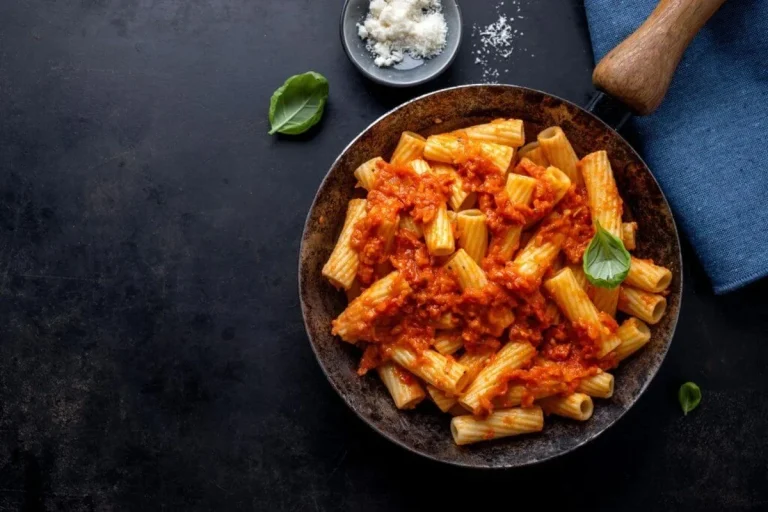
Tomato sauce is the easiest match. Olive oil, garlic, lemon, basil, and chili flakes also work well.
You can add vegetables for texture and color. Mushrooms, zucchini, spinach, peas, and roasted peppers are all easy wins.
Easy meal ideas for busy weeknights
Try pasta with marinara and chickpeas. Or make a quick garlic oil pasta with broccoli and white beans.
Another easy option is pasta salad. Use olive oil, lemon, herbs, cucumbers, and tomatoes for a cold meal.
How to boost protein and fiber
Plain pasta is not the highest-protein meal on its own. You can fix that with beans, lentils, tofu, or edamame.
For more fiber, choose whole grain pasta when it fits your needs. You can also add vegetables and legumes to make the bowl more filling.
Choose a classic dry Barilla shape and pair it with sauce, beans, and vegetables.
Pick a legume-based pasta or add lentils, tofu, or chickpeas.
Final Verdict: Should Vegans Buy Barilla Pasta?
Yes, vegans can buy many Barilla pasta products. The safest picks are the plain dry shapes with short ingredient lists.
Barilla is a good pantry choice for budget cooks and busy homes. It is widely available, easy to prepare, and simple to pair with vegan sauces.
Best for budget cooks and pantry stocking
If you want a reliable box to keep on hand, Barilla is a smart option. It gives you a quick base for many vegan meals.
Better alternatives if you want extra protein or whole grains
If protein matters more, look at lentil, chickpea, or bean pasta. If whole grains matter more, choose a pasta that clearly says whole wheat or whole grain.
Clear recommendation for Red Kitchen Project readers
Our clear answer is yes, but with one big rule. Buy Barilla only after you check the exact ingredient list on the package in front of you.
Barilla is a good vegan pantry pick when you choose plain dry pasta. Skip filled, egg, and specialty products unless the label clearly confirms they fit your diet.
- Many Barilla dry pastas are vegan.
- Filled, egg, and specialty products need close label checks.
- Classic shapes are the safest and easiest pantry choice.
- Always verify the exact package before you buy.
Frequently Asked Questions
Many Barilla dry pasta shapes are vegan, especially plain pasta made with durum wheat and water. But some products, like egg pasta, filled pasta, and specialty blends, are not vegan.
Plain dry shapes like spaghetti, penne, and fusilli are usually the safest choices. Still, check the exact ingredient list on the box before you buy.
Avoid egg, milk, cheese, whey, casein, and butter. These ingredients mean the pasta is not vegan.
Yes, recipes can vary by shape and by country. That is why you should read the label on every package, even if the product name looks familiar.
Usually not. Filled pasta often contains cheese, milk, egg, or meat, so it needs a careful label check.
Check the exact product name, the full ingredient list, and any allergen statements. If you want to avoid cross-contact concerns, contact the company or review the package details.