How to Prepare Garlic Paste at Home Fast and Easy

Garlic paste is easy to make with fresh cloves, salt, and a simple tool like a grater or mortar. Keep the heat low when cooking it, and store it cold for the best flavor and safety.
Garlic paste is one of the fastest ways to add bold flavor to pasta, sauces, and pan dishes. If you want a smooth, fresh paste at home, you only need a few cloves, a basic tool, and a minute or two. The trick is to chop well, use the right moisture, and avoid overworking the garlic.
- Fresh cloves: Firm garlic gives the best flavor and texture.
- Simple tools: A grater, knife, or mortar can make smooth paste.
- Low heat: Garlic burns fast, so cook it gently.
- Storage: Keep paste sealed and cold, or freeze small portions.
How to Make Garlic Paste for Everyday Cooking
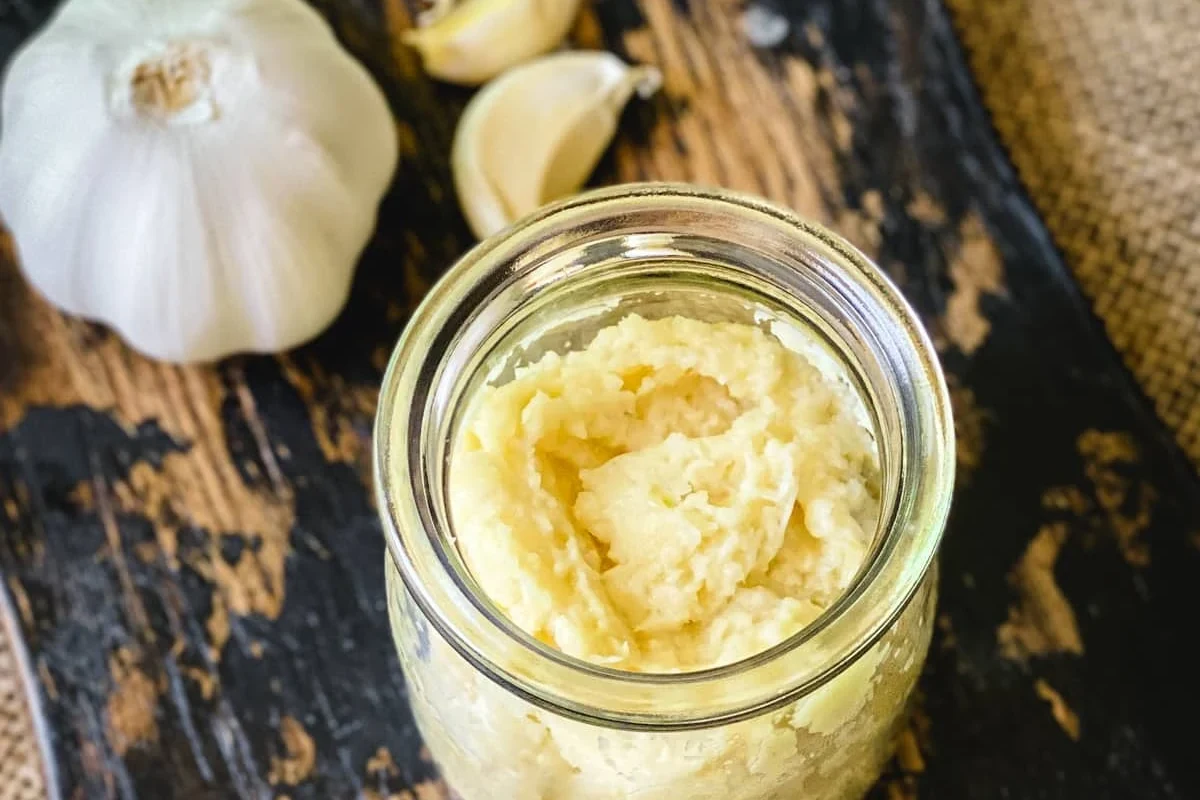
Use this simple method when you want fast prep, clean flavor, and better control than jarred garlic.
What Garlic Paste Is and Why Home Cooks Use It
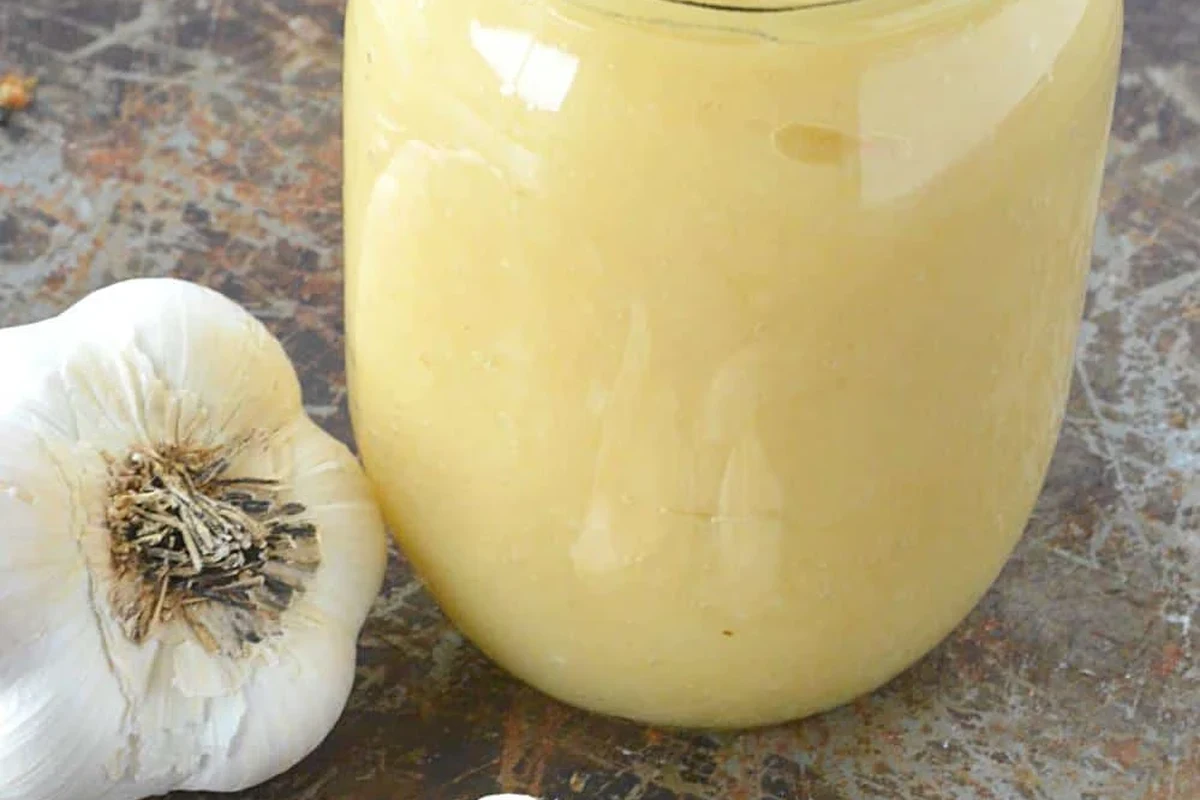
Garlic paste is fresh garlic that has been crushed or blended into a thick, smooth mix. It spreads through food more evenly than chopped garlic. That makes it handy for pasta sauces, stir-fries, marinades, and quick skillet meals.
Many home cooks like garlic paste because it saves time at the stove. It also gives a softer texture in smooth sauces. In short, it helps garlic flavor blend in fast.
Crushed garlic often tastes sharper at first because more of its natural compounds are released.
For pasta recipes, garlic paste can be a smart middle ground. It gives you more control than garlic powder. It also feels fresher than most jarred options. In short, it works well when you want garlic flavor without visible chunks.
How to Prepare Garlic Paste Step by Step
Here’s the easiest way to make it at home. You can do it with a knife, a grater, a mortar and pestle, or a small blender. The best method depends on how smooth you want the paste.
Best Garlic to Use for Fresh Paste
Use firm garlic bulbs with dry, tight skin. The cloves should feel heavy for their size. Skip cloves that look soft, shriveled, or moldy.
Fresh garlic gives the cleanest flavor and the best texture. Older garlic can taste flat or bitter. If a clove has a green shoot, remove it before you mash it.
Simple Tools You Need at Home
You do not need fancy gear. A microplane gives a very fine paste. A knife and salt work well too. A small blender can help with bigger batches, but it can also add too much liquid.
Quick Method for Smooth Garlic Paste
Crack the skins with the flat side of a knife, then peel them cleanly.
Cut away any dry tips or green sprouts you see inside the clove.
Sprinkle on a small pinch to help break the garlic down.
Mash with a knife, grind in a mortar, or grate until smooth.
Add a few drops of water or oil if the paste feels too dry.
For a very smooth paste, keep pressing and scraping the garlic together. If you use a blender, stop often and scrape the sides. That helps keep the paste even instead of chunky.
Key Ingredients, Ratios, and Texture Tips
Garlic paste is simple, but small changes matter. Too much liquid makes it thin. Too little makes it hard to spread or mix. The best texture depends on how you plan to cook with it.
Water, Oil, or Salt: What Helps Most
Salt helps break down garlic and makes mashing easier. Water can loosen the paste, but use only a tiny amount. Oil can make the paste smoother and help it store a bit better in the fridge.
If you want a fresh, strong paste for cooking, salt is usually enough. If you want a spoonable paste, add oil drop by drop. Use only what you need. In short, less liquid gives you more control.
Exact texture changes with garlic age, clove size, and the tool you use. A blender may need a small splash of liquid, while a grater may need none.
How Fine the Paste Should Be for Pasta Recipes
For pasta sauces, aim for a fine paste with no hard bits. That helps the garlic cook evenly in oil or butter. It also lowers the chance of burning small pieces.
If you like a stronger bite, keep it a little coarse. If you want a smooth sauce, make it almost creamy. The right choice depends on the dish. For example, a garlic butter sauce often works best with a very fine paste.
Best Ways to Use Garlic Paste in Pasta and More
Garlic paste shines in fast cooking. It blends into oil, cream, tomato sauce, and butter with little effort. It also works in dressings, roasted vegetables, and simple meat marinades.
When to Add It to Sauces and Pan Dishes
Add garlic paste after your fat warms up, but before other wet ingredients. Stir it for a short time so it softens and loses its raw edge. Keep the heat medium or lower.
Do not let it sit too long in a hot pan. Garlic can turn bitter fast if it browns too much. If you’re making pasta sauce, add it early enough to bloom, but not so early that it burns.
Garlic burns quickly. If the paste turns dark brown, stop and start again. Burned garlic can make the whole dish taste bitter.
How Much to Use for Mild or Strong Flavor
Start small if you’re unsure. One small clove can go a long way in a simple pasta dish. For a stronger garlic taste, add more after tasting.
As a rough guide, use less paste than you would chopped garlic at first. Paste spreads more evenly, so it can taste stronger in the final dish. In short, taste as you go.
- Add garlic paste early for mellow flavor.
- Add it later for a sharper garlic note.
- Mix it well so it cooks evenly.
Common Mistakes When Making Garlic Paste
Most problems come from heat, too much liquid, or poor garlic quality. The good news is that most of them are easy to avoid. A few small habits make a big difference.
Why Paste Turns Bitter or Too Watery
Garlic turns bitter when it burns or cooks too hard. That happens fast in a hot pan. It can also taste harsh if the cloves are old or sprouted.
Paste turns watery when you add too much water or use a wet blender jar. If that happens, cook it down gently or add more crushed garlic. A thick paste is easier to use and store.
The paste smells sharp and tastes bitter.
Lower the heat, use fresh cloves, and stop cooking as soon as the garlic softens.
How to Fix Grainy or Uneven Paste
If the paste feels grainy, keep crushing it with a little salt. Scrape the sides often. A flat knife, mortar, or microplane can help smooth out the last bits.
If you use a small blender, pulse instead of running it nonstop. That gives a more even result. You may also need to stop and stir. In short, short bursts work better than long blending.
Storage, Safety, and Cleaning Tips
Fresh garlic paste is useful, but it needs careful storage. Garlic mixed with oil can raise food-safety concerns if it sits too long at room temperature. Keep it cold and use clean tools.
How to Store Garlic Paste in the Fridge or Freezer
Store garlic paste in a clean, sealed container in the fridge. Use it soon, and do not leave it out for long. If you want to keep it longer, freeze small portions in an ice cube tray.
Frozen garlic paste is handy for pasta night. Pop out one cube when you need it. Label the container so you know what it is and when you made it. If it smells off or looks strange, throw it out.
Follow safe food-storage guidance. Garlic in oil can be risky if stored badly, so keep it cold and use clean containers.
How to Clean Tools After Garlic Prep
Wash knives, boards, bowls, and grinders with hot soapy water right away.
Check small tools for stuck bits, odors, or worn parts before the next use.
Garlic smell can cling to plastic, so clean tools soon after use. Stainless steel and glass usually hold odors less. If a tool still smells strong, rub it with baking soda and rinse well.
Benefits, Limits, and Final Recommendation
Homemade garlic paste is great when you want fresh flavor and fast cooking. It gives you more control than a jar. It also helps you adjust taste for each dish.
When Homemade Garlic Paste Is Worth It
Make it at home when you cook pasta often, like a smooth sauce or garlic butter dish. It is also a good choice when you want to avoid extra additives or control the salt level. If you already have fresh garlic on hand, the payoff is even better.
Homemade paste also works well for small batches. You can make just what you need. That cuts waste and keeps the flavor bright. In short, it’s a smart everyday kitchen skill.
- Fast flavor for pasta and sauces
- Easy to adjust for mild or strong taste
- Simple tools and low prep time
When Store-Bought Garlic Paste May Be Better
Store-bought paste can be easier on busy nights. It may also help if you want a longer shelf life or a very exact flavor every time. That said, the taste and salt level can vary by brand.
Choose the store-bought version if convenience matters most. Choose homemade if you want fresher taste and more control. For most home cooks, homemade wins for flavor, while store-bought wins for speed.
If you want the best balance of flavor and control, make garlic paste at home with fresh cloves, a little salt, and low heat. If you need the fastest option on a busy weeknight, a good store-bought paste can still do the job.
- Use fresh, firm garlic for the best paste.
- Keep the texture fine for smooth pasta sauces.
- Cook garlic gently so it does not turn bitter.
- Store it cold and use clean tools.
Frequently Asked Questions
Peel fresh cloves, add a small pinch of salt, then crush or grate them until smooth. A mortar and pestle, microplane, or small blender all work well.
For most pasta sauces, a smooth paste works best because it cooks evenly. A slightly grainy paste is fine if you want a stronger garlic bite.
Yes, but keep it in a clean, sealed container and use it soon. If you want longer storage, freeze it in small portions.
Garlic turns bitter when it burns or cooks too hard. Keep the heat medium or lower and stir it briefly in oil or butter.
Yes, you can make it with just garlic and a little salt. Add water only if you need a looser texture.
Start with a small amount, then taste and add more if needed. Paste spreads flavor fast, so it often tastes stronger than chopped garlic.