Can You Make Latte Art with an Electric Milk Frother

Yes, you can make simple latte art with an electric milk frother. It works best for hearts and basic designs, not detailed cafe-style art.
Yes, you can make latte art with an electric milk frother. The results are usually simpler than what you get from a steam wand, but you can still make hearts and basic swirls with the right milk and pour.
- Simple art works: Hearts and basic swirls are realistic goals.
- Foam texture matters: Smooth, glossy milk pours better than dry foam.
- Milk choice helps: Whole milk and barista-style milk often work best.
- Steam wands win: They give more control for detailed designs.
Can You Make Latte Art with an Electric Milk Frother?
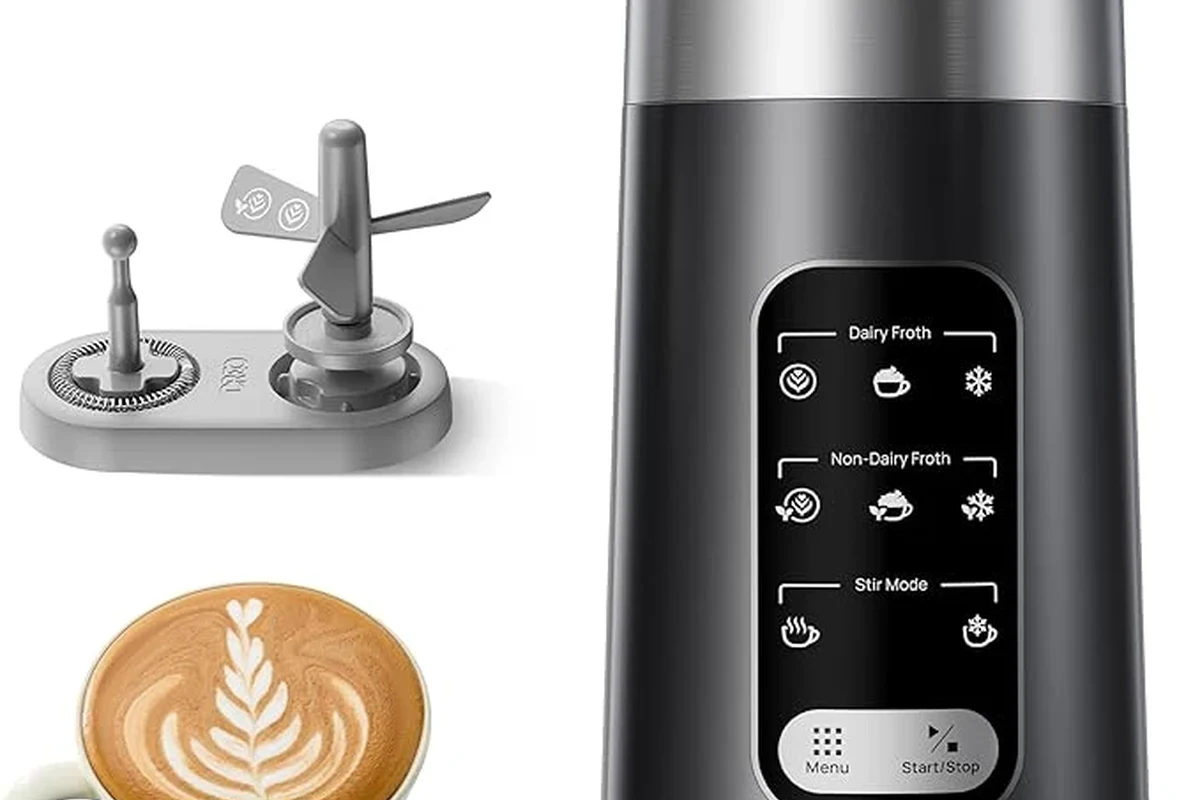
Electric milk frothers can make decent foam for home coffee drinks. They work best for simple latte art, not detailed cafe-style patterns.
If you want a clean heart on top of a latte, a frother can help. If you want sharp rosettas or tulips, a steam wand still has the edge.
The short answer and what to expect
The short answer is yes, but with limits. A frother can create foam that floats on coffee and lets you pour basic shapes.
What you should expect depends on the frother, the milk, and your pour. Some models make foam that is too stiff for art. Others make a smoother texture that works well enough for home use.
Can a frother replace a steam wand for latte art?
Not fully. A frother can handle simple designs, but a steam wand gives you finer control over milk texture.
When a frother can work well for latte art
A frother works best when it makes fine foam, not big bubbles. That kind of foam can sit on espresso and move just enough for a heart or a basic pattern.
It also helps when you use a small cup and pour slowly. In that setup, even a modest frother can give you a nice-looking drink at home.
Latte art depends more on milk texture than on fancy tools alone.
When it falls short compared with a steam wand
Frothers often make foam that is too thick for detailed pouring. That makes it hard to draw thin lines or shape a clean leaf pattern.
Steam wands also let you stretch and swirl milk more freely. That control matters when you want milk that pours like wet paint instead of spoonable foam.
- Easy to use for home drinks
- Can make simple latte art
- Works without an espresso machine
- Less control over foam texture
- Harder to make detailed designs
- Results vary by model and milk type
How Electric Milk Frothers Create Milk Foam
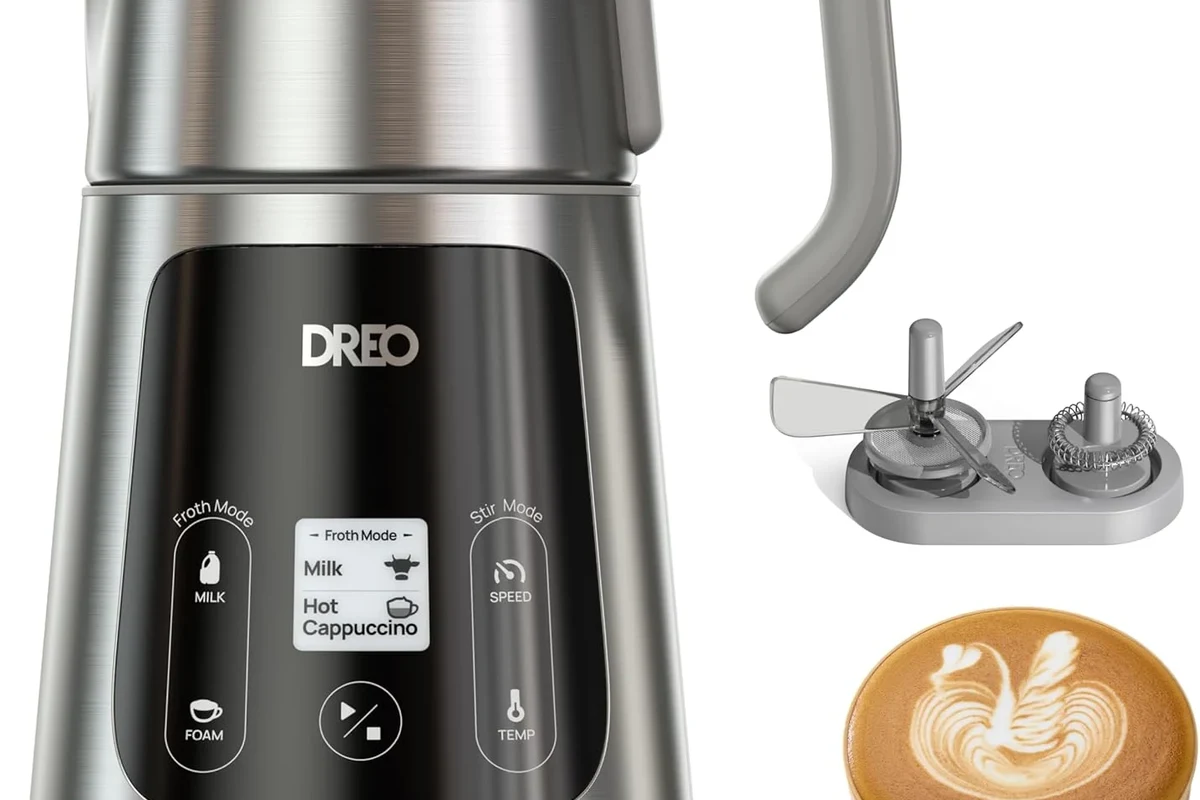
Most electric frothers use a spinning whisk or blade. Some also warm the milk at the same time.
That mix of heat and motion adds air to the milk. The goal is a smooth foam with tiny bubbles, not a dry pile of froth.
Frothing blades, heat, and foam texture
The whisk pulls air into the milk and breaks up larger bubbles. Heat can help the milk feel smoother and pour better.
But too much air makes foam stiff. Too much heat can hurt texture and make the milk taste flat.
Foam texture varies by model. Check your manual for froth and heat settings before you begin.
Why foam quality matters for pouring art
Latte art needs milk that blends with espresso for a few seconds before settling. That gives you time to shape the design.
If the foam is too airy, it stays on top like whipped cream. If it is too thin, it disappears into the drink too fast.
Hot foam vs cold foam for different drinks
Hot foam works best for classic lattes and cappuccinos. It pours better and blends with espresso more naturally.
Cold foam is better for iced drinks. It can look nice, but it usually does not give you the same room for latte art.
You need smooth, pourable foam, not stiff bubbles.
What You Need for Better Latte Art Results
The frother matters, but the rest of the setup matters too. Milk choice, temperature, cup shape, and espresso strength all affect the final look.
The best milk types for smooth pouring
Whole milk often gives the easiest results because it foams well and pours smoothly. That said, some barista-style oat milks also work nicely.
Low-fat milk can make lighter foam, but it may feel less creamy. Plant milks vary a lot, so read the carton if it says it is made for frothing.
- Use fresh milk for better foam texture.
- Choose a milk marked for frothing when possible.
- Shake plant milk before pouring it into the jug.
Milk temperature and why it matters
Milk that is warm, not scalding, usually pours best. Overheated milk can taste worse and lose smooth texture.
Cold milk also gives you more time to work before it gets too thick. That is one reason many home users start with chilled milk.
Cup shape, espresso strength, and pour control
A wide cup gives you more room to draw a design. A narrow cup makes it harder to place the foam where you want it.
A strong espresso base also helps. If the coffee is too weak, the milk can sink or mix too fast.
Fresh milk or barista-style plant milk
Small wide cup
Espresso or strong coffee
How to Make Simple Latte Art with a Frother
Start with a simple goal. A heart is much easier than a rosetta, and it still looks great in a home kitchen.
Step-by-step method for beginners
Make espresso or a strong coffee and pour it into a wide cup.
Use the frother’s warm setting if it has one, and stop when the foam looks smooth.
Gently tap out large bubbles, then swirl the milk so it looks glossy.
Begin high, then move close to the coffee surface as the cup fills.
How to pour rosetta-style or heart-style designs
For a heart, pour a small stream into the center, then finish with a short line through the middle. That simple move often works better than trying to draw from far away.
For a rosetta-style look, wiggle the pitcher gently as you pour near the surface. Keep in mind that frother foam may not be fine enough for a crisp leaf shape.
Tips for improving your hand control
Use a small pitcher or measuring cup if your frother jug feels awkward. A smaller container often gives you better control.
Practice on water and milk foam if needed. Short, calm pours work better than fast, shaky ones.
- Keep the spout close to the coffee surface
- Move the cup instead of only moving your wrist
- Practice one design at a time
- Pouring from too high above the cup
- Using foam that looks dry or stiff
- Rushing the finish line on the design
Common Mistakes That Ruin Latte Art
Most bad latte art comes from foam problems, not from bad luck. The good news is that these mistakes are easy to spot.
Foam that is too thick or too dry
Thick foam sits on top and refuses to spread. Dry foam can look fluffy, but it does not pour in a clean stream.
If that happens, use less froth next time or stop the frother sooner. You want milk that looks silky and shiny.
The foam looks stiff and mounded.
Use a shorter froth cycle and tap the jug to break large bubbles.
Milk that is too hot or too cool
Milk that is too hot can taste scorched and lose its smooth feel. Milk that is too cool may not blend well with the coffee.
Because frother models differ, follow the manual for heat settings. Do not guess if the jug has a max fill line or a warm limit.
Hot milk can burn skin fast. Always handle the jug carefully and stop if the milk smells scorched.
Pouring too fast or from too high
A high pour drives the milk under the coffee instead of on top. That hides the design before it can form.
A fast pour can also flood the cup. Slow down near the end and let the foam rise to the surface.
Best Electric Milk Frother Features for Latte Art
If latte art matters to you, look beyond the basic froth button. A few small features can make a big difference.
Froth settings, heating options, and jug size
Multiple froth settings help because you can choose lighter or thicker foam. A warm setting also helps with latte drinks.
Jug size matters too. A very large jug can make small drinks harder to control.
Helps you aim for smoother foam and less stiff texture.
Useful if you make both hot lattes and iced drinks.
Makes it simpler to aim the stream at the cup center.
Often easier to handle for single drinks and small kitchens.
Stainless steel vs nonstick interiors
Stainless steel can feel sturdy and may handle regular use well. Nonstick interiors can make cleanup easier, depending on the design.
What matters most is how easy the jug is to rinse and dry. Foam residue can build up fast if cleaning feels annoying.
Which specs matter most for home users
For most people, the best features are simple. Look for easy cleaning, steady froth, and clear controls.
Fancy settings are nice, but they do not matter if the foam comes out too dry. In latte art, texture beats extras.
- Check froth levels and heat options
- Confirm the jug size fits your drink routine
- Read the cleaning steps in the manual
- Review warranty terms and safety guidance
Cleaning, Safety, and Long-Term Use
A clean frother works better and lasts longer. Leftover milk can change foam quality and create odd smells.
How to clean a frother after each use
Let the jug cool first. Then wash the parts the manual says are safe to clean.
Wipe the base dry and remove milk residue right away. That helps prevent buildup around the whisk and inside the jug.
Rinse or wash the jug, whisk, and lid as directed by the manual.
Check for buildup, worn parts, or weak froth performance.
Safety tips for hot milk and electrical parts
Keep the base dry and never submerge electrical parts unless the manual says they are washable. If the cord, plug, or base looks damaged, stop using the unit.
Also, never overfill the jug. Milk expands as it froths, and overflow can make a mess or create a slip risk.
Follow the appliance manual and stop using damaged equipment.
How maintenance affects foam quality over time
Old milk film can change how well the whisk moves. That can lead to weaker foam or odd clumps.
Regular cleaning helps the frother stay consistent. It also makes each cup taste cleaner, which matters more than many people think.
Is an Electric Milk Frother Worth It for Latte Art?
For many home coffee drinkers, yes. An electric milk frother is a simple way to make better-looking coffee without buying a full espresso setup.
Best for casual home coffee drinkers
If you want a nice heart on your morning latte, a frother is a smart choice. It is also helpful if you make cappuccinos, hot chocolate, or iced foam drinks.
You do not need perfect cafe skills to enjoy it. A little practice goes a long way.
Best alternatives for serious latte art fans
If you want detailed art, a steam wand or a dedicated espresso machine is usually better. Those tools give you more control over milk texture and flow.
A manual frothing pitcher can also help some users. It depends on how much control you want and how much space you have.
Electric milk frother with adjustable foam settings
This is the best type for most home users who want easy latte art. It gives you more control than a basic one-button frother, but it still has limits compared with a steam wand.
Final recommendation and buying guidance
If you mainly want simple designs, an electric milk frother is worth it. Choose one with good froth control, easy cleaning, and a jug size that fits your usual drinks.
If latte art is your main hobby, look at a steam wand machine instead. That gives you better milk texture and more room to improve.
You can make latte art with an electric milk frother, especially hearts and other simple designs. For the best results, pick smooth milk, pour slowly, and keep your foam soft, not dry.
- Yes, an electric frother can make simple latte art.
- Smooth foam and good pouring matter more than fancy tools.
- Whole milk or barista-style milk usually works best.
- Steam wands still win for detailed cafe-style designs.
Frequently Asked Questions
Yes, it can make simple latte art like hearts and basic swirls. It usually cannot match the fine control of a steam wand.
Whole milk often gives the smoothest pour and the easiest foam. Some barista-style oat milks also work well, but results vary by brand.
The frother may be adding too much air or running too long. Try a shorter cycle and tap the jug gently to break large bubbles.
Warm milk usually pours better than very hot milk. Follow your frother manual, and stop before the milk smells scorched.
Clean it after each use based on the manual’s directions. Rinse or wash removable parts, and keep the base and electrical parts dry.
A frother is enough for casual home drinks and simple art. If you want detailed latte art often, a steam wand machine is the better choice.