How Many Oz of Pasta in a Cup

A cup of dry pasta usually weighs about 2 to 4 ounces, but the exact amount depends on the shape. For the most accurate result, use a kitchen scale instead of cups.
If you’re asking how many oz of pasta in a cup, the short answer is that it depends on the pasta shape and whether it’s dry or cooked. For dry pasta, a cup often weighs about 2 to 4 ounces, but the exact amount can shift a lot.
That’s why a kitchen scale gives the best answer. Cups work well for quick cooking, but pasta shape changes the result more than most people expect.
- Dry vs cooked: Cooked pasta weighs more because it absorbs water.
- Shape matters: Long, short, and small pasta pack into cups differently.
- Best accuracy: A kitchen scale beats cups for repeatable results.
- Everyday cooking: Cups work fine when you need a quick estimate.
How Many Oz of Pasta in a Cup: The Quick Answer
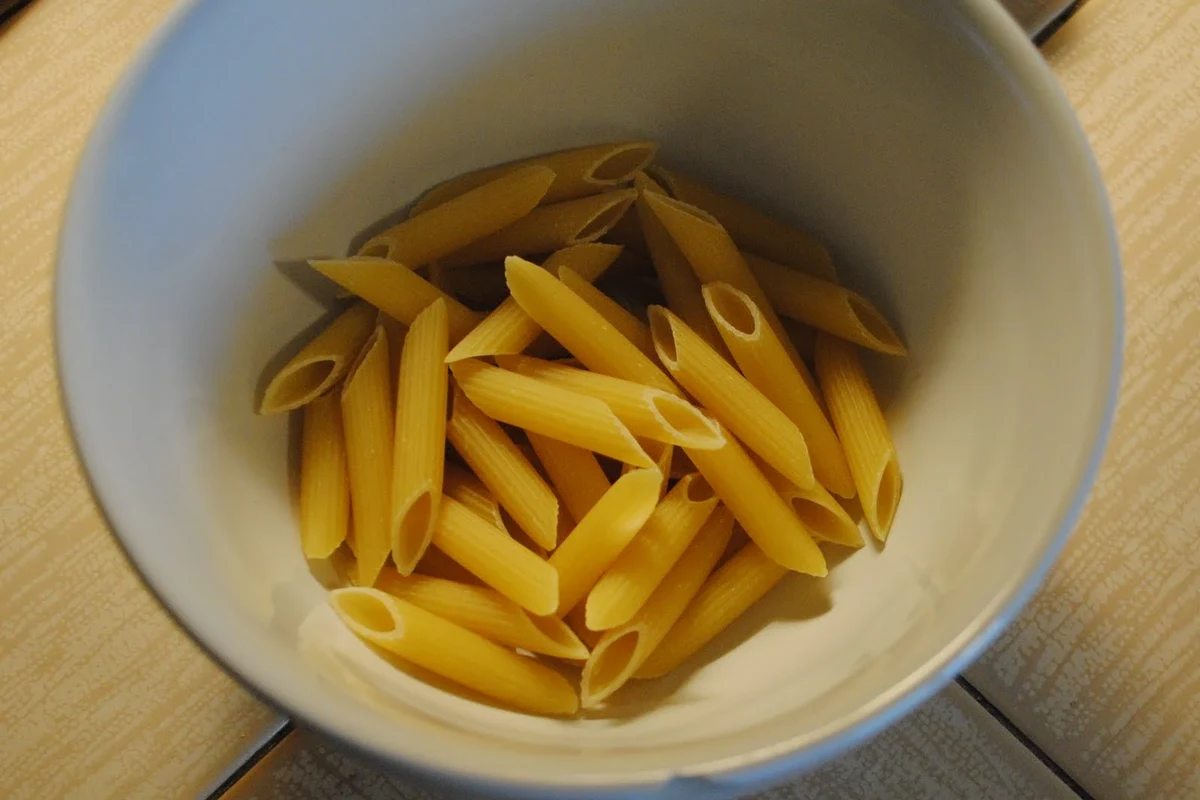
There is no single number that fits every pasta. A cup of dry pasta usually lands somewhere around 2 to 4 ounces by weight.
Cooked pasta is different. One cup of cooked pasta often weighs about 4 to 6 ounces, because water adds weight and changes the volume.
Dry pasta vs cooked pasta measurements
Dry pasta is light and airy. It fills space in a cup, but the weight can vary a lot.
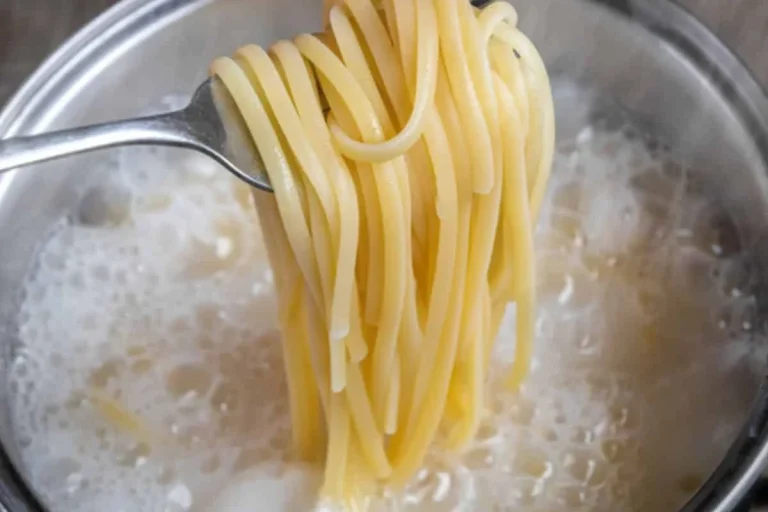
Cooked pasta absorbs water. That makes it heavier and softer, so the same cup now means something else.
Exact weight changes by brand, shape, and how tightly the pasta sits in the cup.
In short, dry pasta and cooked pasta should not be measured the same way.
Why the answer changes by pasta shape
Shape changes how much air sits between the pieces. Long noodles, short tubes, and tiny shapes all pack differently.
That means one cup of spaghetti does not weigh the same as one cup of rotini.
Some shapes nest together tightly. Others leave more gaps. That is why the same cup can hold different ounce totals.
How Pasta Volume and Weight Work

Cups measure space. Ounces usually measure weight. Those are not the same thing.
When you ask how many oz of pasta in a cup, you are really asking how much weight fits into a set volume.
What a cup really measures
A cup is a volume tool. It tells you how much space the pasta takes up.
It does not tell you how dense that pasta is. Two foods can fill the same cup and weigh very different amounts.
Why ounces and cups do not match one-to-one
An ounce of flour, pasta, and rice do not fill the same space. Each food has its own density.
Pasta also changes shape as it cooks. That makes the cup-to-ounce link even less exact.
How density affects different pasta types
Dense pasta shapes weigh more in the same cup. Loose or airy shapes weigh less.
Long pasta can also break or bend. That changes how much fits into the cup and how the pieces settle.
Pasta brands often print serving sizes by weight, not by cups, because weight is more reliable.
Common Pasta Shapes and Their Cup to Ounce Estimates
These are useful home-cooking estimates, not exact lab numbers. Think of them as a practical guide for everyday meals.
Long pasta like spaghetti and linguine
Long pasta often measures differently because the strands create air gaps. A cup of dry spaghetti may weigh less than a cup of short pasta.
Broken strands can pack more tightly. Whole strands can sit loosely and take up more space.
| Option | Best For | Key Consideration |
|---|---|---|
| Dry spaghetti | Quick dinner portions | Weight changes with strand length and packing |
| Dry linguine | Flat noodle dishes | Usually similar to spaghetti, but not exact |
Short pasta like penne, rotini, and elbow macaroni
Short pasta usually packs more evenly. That makes cup estimates a bit easier.
Still, the shape matters. Tubes, spirals, and elbows all trap different amounts of air.
- Shake the cup gently to settle short pasta.
- Do not press pasta down hard.
- Use the same cup each time for repeat results.
Small pasta like orzo, ditalini, and shells
Small pasta often behaves more like grains. It can settle tightly and weigh more per cup.
Small shells can also trap air if they are scooped loosely. That makes the estimate less stable than many people expect.
How to Measure Pasta the Right Way
If you want the most accurate answer, use weight. If you want speed, use cups with care.
Using a kitchen scale for best accuracy
A scale removes most guesswork. You can follow the pasta box or recipe by ounces or grams.
This helps a lot when you cook for guests, track portions, or repeat a recipe later.
Measuring with cups when you do not have a scale
Cups still work for many home meals. Just treat them as an estimate, not a perfect rule.
Scoop gently and level the top if possible. Do not cram pasta into the cup.
For recipes that depend on exact portions, check the package serving size and use a scale when you can.
Portion sizes for one, two, and four servings
Many dry pasta recipes use about 2 ounces per person for a main dish. That is a common starting point, not a strict rule.
For a side dish, you may want less. For hungry eaters or sauce-heavy meals, you may want more.
- Use weight for precision.
- Use cups for speed.
- Adjust portions by appetite and sauce.
When Cup Measurements Work Best and When They Do Not
Cup measurements are handy in a busy kitchen. They are not the best choice for every job.
Best uses for quick home cooking
Cups work well when you just need dinner on the table. They also help when the recipe is flexible.
For a simple family meal, a close estimate is often good enough.
Limits for meal prep and recipe precision
If you prep meals for the week, weight is better. It keeps portions more even.
It also helps when you want the same result every time you cook the dish.
Why brands and shapes can give different results
Different brands cut and dry pasta in different ways. That changes shape, thickness, and how tightly pieces sit together.
Even two boxes of the same style may not fill a cup the same way.
Common Mistakes People Make With Pasta Measurements
A lot of pasta mistakes come from treating cups like a perfect scale. They are not.
Packing pasta too tightly in the cup
Pressing pasta down makes the cup hold more than it should. That can lead to oversized portions.
It also makes repeat cooking harder, because each scoop may end up different.
Mixing up dry and cooked pasta
Dry pasta and cooked pasta do not swap one-to-one. A cup of dry noodles expands after boiling.
If a recipe asks for cooked pasta, do not measure dry pasta the same way.
Guessing instead of checking serving size
Many people pour pasta straight from the box. That often leads to too much food.
Check the package or recipe first. Then measure with cups or a scale.
- Level the cup without compressing pasta.
- Check whether the recipe wants dry or cooked pasta.
- Use package serving sizes as a guide.
- Do not pack pasta down hard.
- Do not assume all shapes weigh the same.
- Do not mix cup and ounce rules without checking.
Practical Tips for Better Pasta Portions
Good pasta portions are less about perfection and more about consistency. A few small habits make a big difference.
How to estimate pasta for family meals
Start with a standard portion per person. Then adjust for the rest of the meal.
If you serve bread, salad, or a rich sauce, people may need less pasta.
How to adjust for sauce-heavy or light dishes
Heavy sauces coat pasta well, so a smaller portion may feel filling. Light sauces may need a bit more pasta to feel complete.
For example, a simple oil sauce often needs less pasta than a thick meat sauce.
Simple storage and cleanup tips for dry pasta
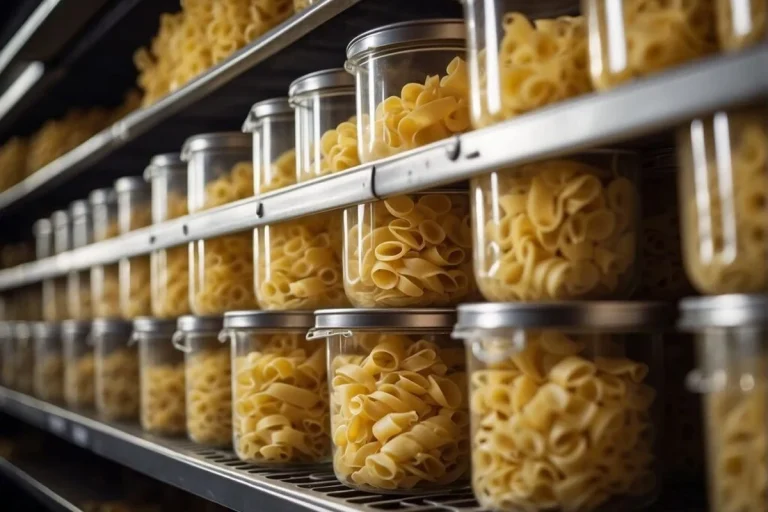
Store dry pasta in a sealed container if you use it often. That helps keep it neat and easy to grab.
After measuring, wipe up stray noodles right away. Small pasta pieces can spill fast and make a mess.
If your pantry is humid, sealed storage helps keep pasta dry and easier to measure.
Final Recommendation: The Easiest Way to Measure Pasta at Home
The easiest method is simple. Use a kitchen scale when you want accuracy, and use cups when speed matters more.
For most home cooks, that balance works well. Cups are fine for weeknight dinners, but weight is better for repeatable results.
Best method for accuracy, speed, and value
If you cook pasta often, a scale gives the best value. It helps with portions, recipes, and leftovers.
If you only cook pasta now and then, a measuring cup is still useful. Just remember that the answer changes by shape.
When to use cups, when to use a scale, and what to trust
Use cups for quick, flexible meals. Use a scale for exact servings and recipe control.
When in doubt, trust the package serving size and the recipe method. That gives you the most reliable result at home.
Frequently Asked Questions
A cup of dry pasta usually weighs about 2 to 4 ounces. The exact amount depends on the shape and how tightly it sits in the cup.
One cup of cooked pasta often weighs about 4 to 6 ounces. Cooking adds water, so the weight goes up.
Different shapes pack with different amounts of air. Long noodles, short tubes, and small shapes all fill a cup in different ways.
Yes, a scale is more accurate because it measures weight directly. Cups are fine for quick cooking, but they are less exact.
A common starting point is about 2 ounces of dry pasta per person for a main dish. You can adjust up or down based on appetite and sauce.
Brands use different cuts, thicknesses, and drying methods. That changes how much pasta fits in a cup and how it cooks.