How Long Can Pasta Sit Out Before It Goes Bad

Cooked pasta should sit out no longer than 2 hours, or 1 hour in hot conditions. If you’re unsure how long it sat out, it’s safer to throw it away.
Cooked pasta should not sit out for long. As a rule, keep it at room temperature for no more than 2 hours. If the room is warm, or the pasta has meat, cream, or cheese, move it sooner.
- 2-hour rule: Keep cooked pasta out of the fridge for no more than 2 hours.
- Hot rooms: Cut that limit to 1 hour when the room is warm.
- Storage: Use shallow containers and refrigerate leftovers fast.
- Warning signs: Slimy texture, sour smell, or mold mean toss it.
- Safety first: If timing is unclear, don’t risk eating it.
How Long Can Pasta Sit Out Before It Goes Bad
The short answer is simple. Cooked pasta is safest when you refrigerate it within 2 hours.
That time drops to 1 hour if the room is hot, such as during a summer cookout. The same rule applies to plain pasta and pasta with sauce.
In short: if you’re unsure how long it sat out, it’s safer to toss it.
The short answer for cooked pasta at room temperature
Plain cooked pasta can sit out for about 2 hours at normal room temperature. After that, bacteria can grow fast enough to make it unsafe.
If the pasta stayed in a warm kitchen, on a buffet, or near a stove, don’t push the limit. Heat speeds up spoilage.
What changes the safe time limit
Several things can shorten the safe window. The biggest one is temperature.
Other factors matter too:
- How hot the room is.
- Whether the pasta has sauce or meat.
- How much pasta is in the bowl.
- How long it stayed covered or uncovered.
Small changes can matter more than people think. A deep pan of pasta cools slowly, which can keep it in the danger zone longer.
Why Pasta Spoils So Fast After Cooking
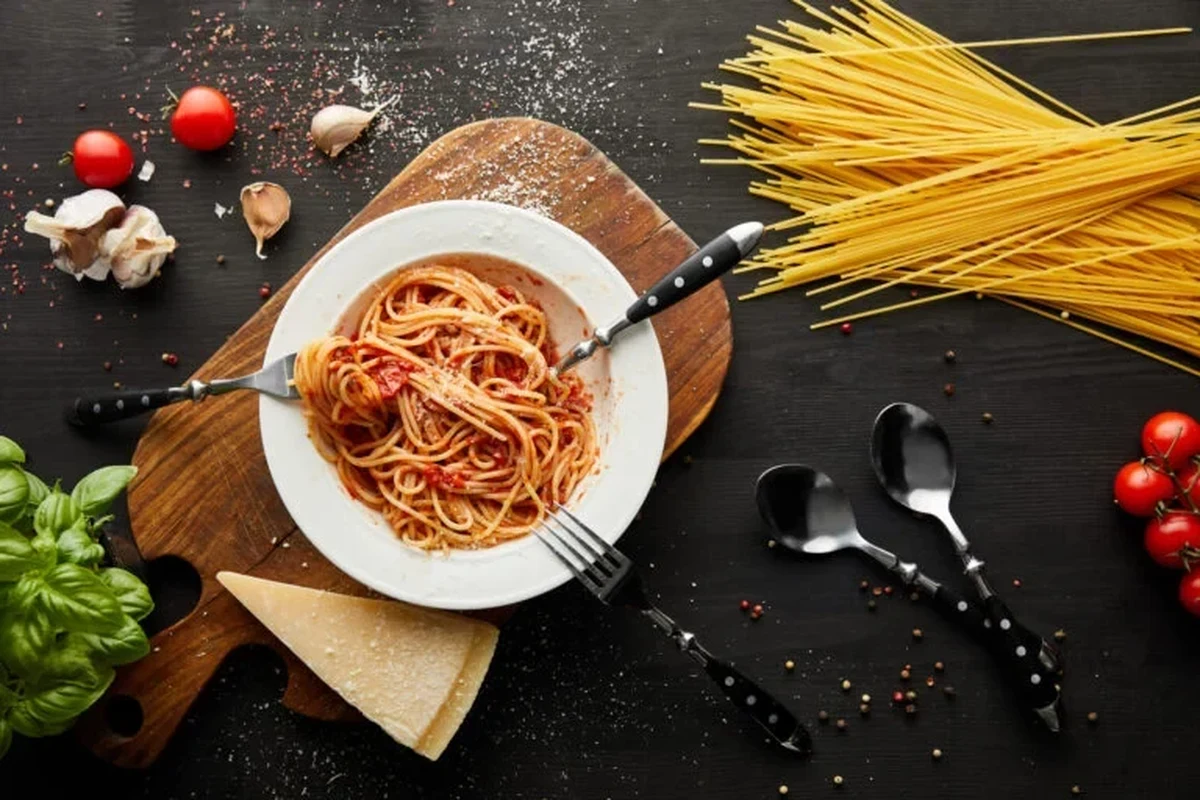
Cooked pasta holds water. That makes it a good place for bacteria to grow if it stays warm too long.
It may look fine for a while. But food can become unsafe before you see or smell a problem.
How moisture and warmth help bacteria grow
Bacteria like warm, wet food. Cooked pasta gives them both.
When pasta sits out, it slowly cools through the temperature range where germs grow best. That’s why timing matters so much.
Why sauce, cheese, and meat raise the risk
Sauce, cheese, and meat add more moisture and protein. That can help bacteria grow faster.
Rich pasta dishes also take longer to cool. A thick lasagna or creamy pasta stays warm in the center much longer than plain noodles.
Do not rely on smell alone. Unsafe pasta can still smell normal.
Safe Time Limits for Different Types of Pasta
The safest answer depends on the dish. Plain pasta and saucy pasta do not always cool the same way.
When in doubt, use the shortest safe time.
Plain cooked pasta without sauce
Plain cooked pasta is usually safe for up to 2 hours at room temperature. After that, it should go into the fridge or be thrown out.
If it’s sitting in a hot room, cut that time to 1 hour. That’s a smart rule for outdoor meals too.
Pasta with tomato sauce, cream sauce, or meat
Pasta with sauce should also follow the 2-hour rule. Creamy sauces and meat sauces deserve extra care because they spoil faster.
If the dish stayed warm in a slow cooker, buffet tray, or covered pot, watch the time closely. Warm holding can be safe only when the food stays at a proper hot temperature.
Cold pasta salad and chilled leftovers
Cold pasta salad needs to stay cold. If it sits out for more than 2 hours, toss it.
If the room is hot, use the 1-hour rule. That matters at picnics, potlucks, and backyard parties.
Food safety rules can vary slightly by local guidance, but the 2-hour rule is a solid home standard.
How to Tell If Pasta Has Gone Bad
Bad pasta often gives signs, but not always. Some unsafe food still looks normal.
Use your senses, but don’t trust them alone.
Smell, texture, and color changes
Sour, stale, or odd smells are warning signs. Slimy noodles or a sticky feel are also red flags.
Look for dull color, dry crusts, or mold. Any of these can mean the pasta should be thrown out.
Signs you should throw it out right away
Throw it away if it sat out too long, even if it looks fine. That’s the safest choice.
Also toss it if the pasta was left in a hot car, outside at a party, or near direct sun. Those conditions raise risk fast.
Reheating pasta later does not always make unsafe food safe again. Some bacteria can leave toxins behind.
How to Store Pasta the Right Way
Good storage starts before the pasta goes into the fridge. Fast cooling helps limit bacteria growth.
A few simple steps make leftovers much safer.
Cooling pasta before it goes in the fridge
Let pasta cool a little before refrigerating it. But don’t leave it out for hours.
Spread it into a shallow container if you can. That helps it cool faster and more evenly.
Best containers and storage steps
Use clean, shallow containers with tight lids. Shallow containers cool faster than deep bowls.
Here’s a simple method:
Split large batches into smaller containers.
Let steam fade, but refrigerate within 2 hours.
Cover the container and place it in the fridge.
How long cooked pasta lasts in the fridge and freezer
Cooked pasta usually lasts 3 to 5 days in the fridge. That time can vary with the sauce and how cold your fridge runs.
For longer storage, freeze it. Frozen pasta keeps longer, though the texture may soften after thawing.
- Label leftovers with the date.
- Store sauce and pasta separately when possible.
- Reheat only the amount you plan to eat.
Common Mistakes People Make With Leftover Pasta
Leftover pasta usually goes bad because of simple habits. The good news is that these habits are easy to fix.
Most mistakes happen after dinner, when everyone is tired and cleanup feels rushed.
Leaving it out too long after dinner
This is the biggest mistake. People often forget the bowl on the table while chatting or cleaning up.
Set a timer if you need one. That small step can save the leftovers.
Putting away hot pasta without cooling it first
Hot pasta in a deep container cools slowly. That can keep the center warm for too long.
It’s better to portion it out first. Smaller containers cool faster in the fridge.
Reheating pasta the wrong way
Reheat pasta until it’s steaming hot all the way through. Stir it so the heat spreads evenly.
Don’t keep reheating the same batch over and over. Each round adds more time in the danger zone.
Follow the food safety guidance for your home and toss pasta if you cannot confirm safe timing.
Food Safety Tips for Serving Pasta at Home
Serving pasta for guests brings extra risk. Buffets, parties, and potlucks often leave food out longer than planned.
A little planning keeps everyone safer.
How to handle pasta for parties and buffets
Serve small batches and refill often. That helps keep the main pot from sitting out too long.
If you use a buffet setup, watch the clock. Food that sits too long should be replaced, not refreshed on top of old food.
When to keep pasta hot or cold
Hot pasta should stay hot. Cold pasta should stay cold.
That means a warm serving dish or a chilled bowl can help, but only for a limited time. Don’t let food drift into the middle.
Why leftovers need fast action
Leftovers are safest when they cool and get stored quickly. The longer they sit out, the less safe they become.
If guests are still eating, keep a fresh serving aside and refrigerate the rest. That’s easier than guessing later.
Final Recommendation for Safe Pasta Storage
The simplest rule is this. Keep cooked pasta out for no more than 2 hours, or 1 hour if it’s hot.
After that, refrigerate it right away or throw it out. That’s the safest habit for plain pasta, sauced pasta, and pasta salad.
Simple rules to follow every time
Use shallow containers. Cool leftovers quickly. Label the date. Reheat only what you need.
If you’re serving pasta at a party, keep a close eye on time and temperature.
When it’s better to toss the pasta
Toss it if you can’t tell how long it sat out. Toss it if it smelled odd, felt slimy, or sat in a hot room too long.
When food safety is unclear, the safer choice is usually the one with the least risk.
- Cooked pasta should sit out no longer than 2 hours.
- Use 1 hour in hot rooms or outdoor settings.
- Store leftovers in shallow containers as soon as possible.
- When timing is uncertain, throw the pasta out.
Frequently Asked Questions
Cooked pasta is safest for no more than 2 hours at room temperature. If the room is hot, use 1 hour instead.
Sauce does not make pasta safe for longer. Creamy sauces and meat sauces can spoil faster, so keep the same short time limit.
No. Pasta that sat out overnight should be thrown away because it may no longer be safe.
Cool it quickly, place it in shallow containers, and refrigerate it within 2 hours. Label the container so you know when it was made.
Cooked pasta usually lasts 3 to 5 days in the fridge. If it smells off or looks slimy, throw it out sooner.
No. Reheating does not always make unsafe pasta safe again, so it is better to discard it if the time limit was missed.