How Many Cups Is 4 Oz of Pasta Easy Guide

Four ounces of dry pasta is usually about 1 to 2 cups, depending on the shape. A kitchen scale gives the most accurate result.
If you’re asking how many cups is 4 oz of pasta, the short answer is usually about 1 to 2 cups dry, depending on the shape. For most long pasta, 4 ounces is close to 2 cups, while small shapes often measure closer to 1 cup.
- Best answer: 4 oz of pasta is usually about 1 to 2 cups dry.
- Shape matters: Long pasta takes more space than small pasta.
- Most accurate method: Use a kitchen scale for exact results.
- Cup estimates: Fill cups loosely and avoid packing pasta down.
- Dry vs cooked: Always measure dry pasta before cooking unless told otherwise.
How Many Cups Is 4 Oz of Pasta? The Quick Answer

There is no single cup answer for every pasta shape. Pasta changes size, shape, and air space, so the same weight can fill a cup in different ways.
So what should I remember first?
Use weight when you can. If you only have cups, treat the result as an estimate, not an exact rule.
Why the answer changes by pasta shape
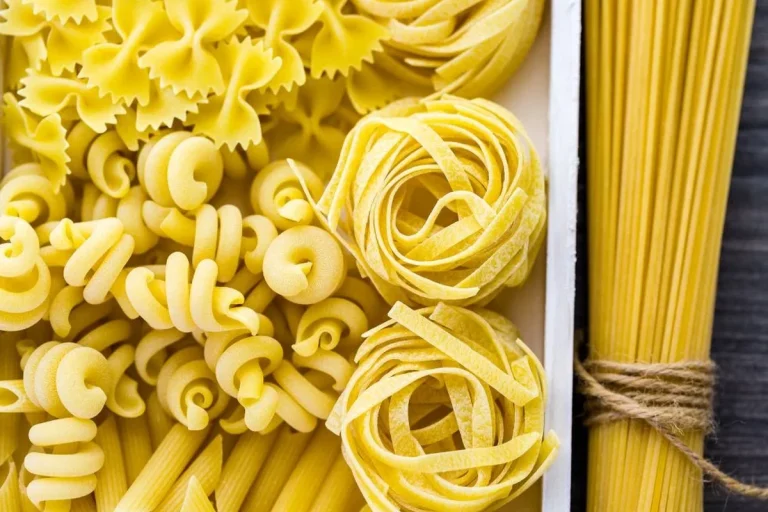
Long pasta like spaghetti leaves more open space in a cup. Short pasta like penne settles more tightly. Small pasta like orzo can pack into a cup even more.
That is why 4 ounces of one pasta may look bigger than 4 ounces of another. The weight stays the same, but the shape changes the volume.
Dry pasta vs cooked pasta measurements
Dry pasta and cooked pasta are not measured the same way. Four ounces dry pasta is a starting amount before cooking.
After cooking, pasta absorbs water and gets heavier and larger. So 4 ounces dry pasta may turn into several cups cooked, depending on the shape and how long you cook it.
Do not mix up dry measuring cups with cooked pasta portions. The numbers will not match, and the result can be way off.
How Pasta Weight Turns Into Cups

Weight tells you how much pasta you have. Cups tell you how much space it takes up.
Those are close for some foods, but pasta is not one of the easiest foods to measure by volume.
What 4 ounces means in kitchen terms
In kitchen terms, 4 ounces usually means 4 ounces by weight. That is the same as one quarter pound.
It does not mean 4 fluid ounces. Fluid ounces measure liquid volume, not dry food weight.
Why cups are less exact than a scale
Cups can vary based on how you fill them. A loose cup and a packed cup can hold very different amounts.
A kitchen scale removes that guesswork. If a recipe says 4 ounces, the scale is the cleanest answer.
Different brands and pasta cuts can change the cup estimate a little. That is normal, so use the range as a guide.
How density affects different pasta shapes
Density matters because pasta shapes do not sit the same way in a cup. Wide shapes, hollow shapes, and tiny shapes all fill space differently.
That is why a cup of elbow pasta does not weigh the same as a cup of spaghetti pieces. The shape changes how much air stays between the pieces.
Common Pasta Types and Their 4 Ounce Cup Estimates
These estimates are useful for home cooking. They are not perfect, but they help when you do not have a scale.
| Option | Best For | Key Consideration |
|---|---|---|
| Long pasta | Spaghetti, linguine | Usually takes more cup space |
| Short pasta | Penne, rotini, elbows | Often lands near 1 to 1.5 cups |
| Small pasta | Orzo, ditalini | Can pack tightly in a cup |
Long pasta like spaghetti and linguine
Long pasta usually measures by bundle, not by scooping. Four ounces dry spaghetti is often about 2 cups, give or take.
That estimate works because the strands leave a lot of open space. If the strands are broken, the cup count may shift a little.
Short pasta like penne, rotini, and elbows
Short pasta often lands around 1 to 1.5 cups for 4 ounces dry. The exact amount depends on the shape and size.
Penne with hollow centers may sit differently than rotini or elbows. Even so, these shapes usually feel easier to measure by cup than long pasta.
Small pasta like orzo and ditalini
Small pasta can fit into a cup very tightly. Four ounces may look closer to 1 cup for some small shapes.
That is one reason tiny pasta can surprise people. It looks like less food than it really is.
Stuffed or specialty pasta
Stuffed pasta, like ravioli or tortellini, does not follow the same simple cup rule. The filling changes the weight and shape.
Specialty pasta also varies a lot by brand. For these, the package label or scale matters more than a cup guess.
Two pasta shapes can weigh the same and still look very different in a measuring cup.
How to Measure 4 Oz of Pasta at Home
You have a few good ways to measure pasta at home. The best one depends on your tools and how exact you need to be.
Using a kitchen scale for the best accuracy
A kitchen scale is the easiest way to measure 4 ounces of pasta. Place a bowl on the scale, reset it, and add pasta until it reaches 4 ounces.
This works well for any shape. It also helps when you cook for recipes that need exact portions.
Using measuring cups when you do not have a scale
If you only have cups, use a loose fill and do not press the pasta down. For long pasta, measure by bundle or by a rough cup estimate.
For short pasta, pour it into the cup and level the top lightly. Do not shake the cup hard, or the pasta will settle too much.
- Measure pasta before cooking, not after.
- Use the same cup each time for better consistency.
- Check the package if the brand gives serving info.
Using your hand or pasta tools as a backup
Some people use hand portions or pasta measuring tools when they cook often. These can help for quick meals, but they still vary by shape.
A hand measure works best as a rough guide. It is handy, but it is not as accurate as a scale.
When 4 Oz of Pasta Is the Right Amount
Four ounces of dry pasta works well in many kitchens. It is a common amount for one person or for a recipe base.
Single servings and portion control
For one adult, 4 ounces dry pasta is often a full meal portion. It can feel generous once cooked, especially with sauce and vegetables.
If you want smaller portions, you may use less. If pasta is the main dish, some people prefer a bit more.
Family meals and recipe planning
For family cooking, 4 ounces is a useful building block. You can multiply it by the number of people you want to serve.
That makes planning easier for casseroles, pasta salads, and weeknight dinners. It also helps you avoid cooking too much or too little.
How many servings 4 oz usually makes
Four ounces usually makes one standard serving of dry pasta. That is the most common rule of thumb.
Still, serving size depends on appetite, sauce, and the rest of the meal. A side dish needs less than a main course.
Common Mistakes When Measuring Pasta
Most pasta mistakes are simple. They come from using the wrong unit or packing the pasta too tightly.
Packing pasta too tightly in a cup
Pressing pasta into a cup makes it look like you have more than you do. That can throw off the recipe.
Fill the cup gently and level it off. Keep the pasta loose unless the recipe says otherwise.
Measuring dry pasta like cooked pasta
Dry pasta and cooked pasta behave very differently. A cup of dry pasta is not the same as a cup of cooked pasta.
This is a common mix-up, especially for new cooks. Always check whether the recipe means dry or cooked pasta.
Mixing up ounces by weight and fluid ounces
Ounces by weight and fluid ounces are not the same. Pasta uses weight, not liquid volume.
If you use the wrong one, your amount can be far off. That can change the texture of the final dish.
- Measure dry pasta by weight when possible.
- Use loose cups if you need a quick estimate.
- Read the recipe for dry or cooked wording.
- Do not pack pasta into the cup.
- Do not use fluid ounces for dry pasta.
- Do not assume every shape measures the same.
Tips, Limits, and Best Practices for Better Pasta Results
Good pasta results start with the right measure. They also depend on the dish you are making.
How to adjust for sauce, soup, or baked dishes
For saucy pasta, a standard 4-ounce portion often works well. The sauce adds volume and helps the dish feel complete.
For soup, baked pasta, or pasta salad, you may want to adjust the amount. Those dishes often need more or less pasta based on the other ingredients.
When to trust a scale over cup estimates
Trust a scale when the recipe matters most. That includes baking, meal prep, and portion control.
Cup estimates are fine for casual cooking. But if you want repeatable results, the scale wins.
Simple storage and cleanup tips for dry pasta
Store dry pasta in a cool, dry place. Keep the bag sealed or move it to an airtight container.
After measuring, wipe up stray pieces right away. Small pasta can spill fast, and dry noodles can be slippery on the counter.
- 4 ounces of pasta is usually about 1 to 2 cups dry.
- Long pasta takes more space than small pasta.
- A kitchen scale gives the most accurate result.
- Cups work best as a quick estimate, not a perfect measure.
Final Recommendation: The Easiest Way to Measure 4 Oz of Pasta
The easiest accurate method is a kitchen scale. It removes guesswork and works for every pasta shape.
If you want speed and convenience, use cup estimates and keep the pasta loose. For most home cooks in 2026, that balance is practical and good enough for everyday meals.
For the best result, weigh 4 ounces of pasta on a scale. If you only have cups, expect about 1 to 2 cups dry, depending on the shape.
Frequently Asked Questions
It is usually about 1 to 2 cups of dry pasta, depending on the shape. Long pasta often measures closer to 2 cups, while small shapes can be closer to 1 cup.
No, dry pasta and cooked pasta are not the same. Dry pasta absorbs water as it cooks, so the volume changes a lot.
A kitchen scale is the most accurate tool. It measures weight directly, which is better than guessing with cups.
Yes, but treat it as an estimate. Fill the cup loosely and remember that different shapes will give different results.
Pasta shapes have different sizes and air gaps. That changes how much space 4 ounces takes up in a measuring cup.
Four ounces of dry pasta usually makes one serving. The exact amount depends on appetite and whether the pasta is a main dish or side dish.