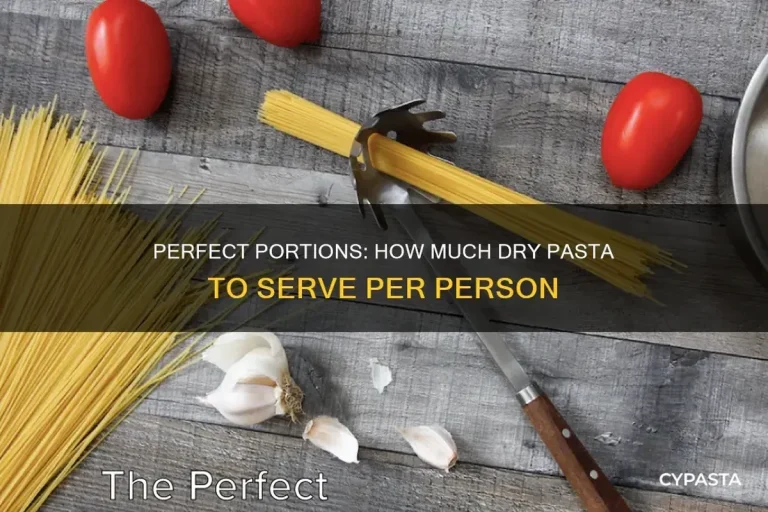
What Is Al Dente Pasta and Why It Matters

Al dente pasta is tender with a slight firm bite. It tastes better, holds sauce well, and avoids the mushy texture of overcooked pasta.
Al dente pasta means pasta that is cooked until it is tender, but still firm when you bite it. It should not feel hard or crunchy, and it should not turn soft and mushy either.
In simple terms, al dente is the sweet spot between raw and overdone. If you’ve ever wanted pasta with better texture and sauce grip, this is the style to aim for.
- Meaning: Al dente means cooked through, but still firm.
- Best test: Taste the pasta near the end of cooking.
- Why it matters: Firm pasta holds sauce and keeps better texture.
- Main rule: Use package times as a guide, not a guarantee.
What Is Al Dente Pasta?
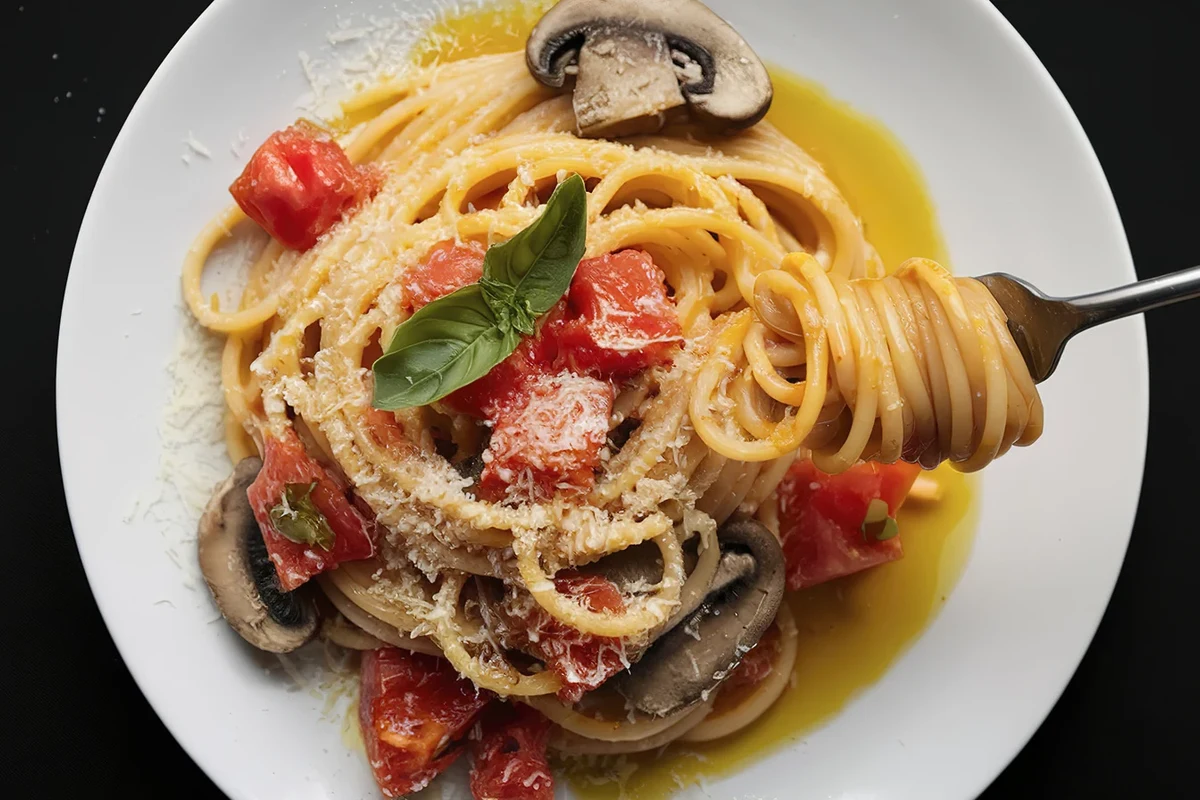
Al dente is an Italian phrase that means “to the tooth.” That sounds fancy, but the idea is simple. The pasta should have a slight bite in the center.
Most home cooks use the term to describe dry pasta cooked just right. It works for spaghetti, penne, rigatoni, and many other shapes.
The simple meaning of al dente
When pasta is al dente, the outside feels tender. The inside still has a little firmness. That small bit of resistance is what makes the texture feel right.
This matters because pasta keeps cooking for a short time after you drain it. So the best time to stop is often just before it feels fully done in the pot.
Pasta can keep softening after draining because heat and steam keep working for a bit.
How to tell when pasta is al dente
The best test is to taste it. Bite into a piece and check the center. It should feel tender, but still slightly firm.
You can also cut a piece in half. A thin pale line in the center can mean it still needs a little more time. That said, shape and brand can change the look.
Package times are only a guide. Different brands, pot sizes, and stove heat can change the real cooking time.
Why Al Dente Matters in Cooking
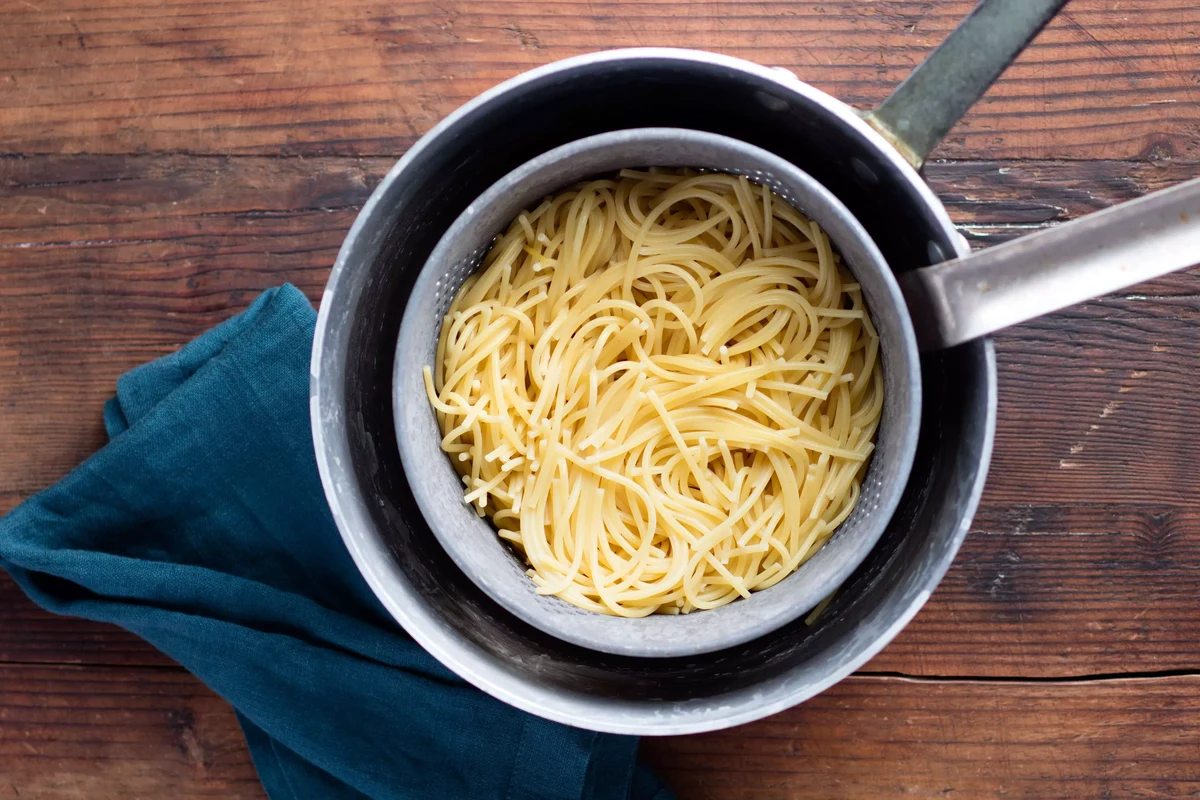
Al dente pasta gives you better texture, better flavor, and better control. It also helps pasta hold up once sauce gets involved.
If you’ve ever had pasta that turned soft and heavy, you already know why this matters. The right bite makes a big difference in a simple meal.
Texture, taste, and sauce grip
Firm pasta feels more lively in the mouth. It gives each bite a little snap instead of a dull, soft feel.
It also holds sauce better. The surface and shape can catch sauce, while the firm center keeps the pasta from collapsing.
Each bite feels firm, not limp.
Sauce clings more easily to the pasta.
Why it often beats mushy pasta
Overcooked pasta can turn soft, sticky, and heavy. It may still taste fine, but the meal loses shape and balance.
Al dente pasta usually gives a more pleasant result in everyday cooking. It works especially well when pasta will sit in sauce for a minute or two.
- Better bite and texture
- Holds sauce well
- Stays firm longer
- Needs close timing
- Easy to miss by a minute
- Not ideal for every dish
How to Cook Pasta Al Dente
The basic method is easy. Use enough water, salt it well, and taste near the end of cooking. That last step matters most.
For dry pasta, the package time gives you a starting point. Your job is to stop cooking when the pasta feels just firm enough.
Water, salt, and timing basics
Use a large pot with plenty of water. Pasta needs room to move so it cooks evenly.
Salt the water before adding pasta. This helps the pasta taste better from the inside out. It also reduces the need to over-salt the sauce later.
Step-by-step method for dry pasta
Use enough water so the pasta can move freely.
Season the water before the pasta goes in.
This helps stop sticking in the first minute.
Check a minute or two before the package time ends.
Stop when the pasta is tender with a slight firm center.
- Save a little pasta water before draining.
- Finish pasta in sauce for better flavor.
- Taste more than once near the end.
How fresh pasta changes the timing
Fresh pasta cooks much faster than dry pasta. In many cases, it only needs a short boil before it turns tender.
Because fresh pasta is softer from the start, it can go from firm to overdone very quickly. Watch it closely and taste often.
Fresh pasta can overcook fast. Stay near the stove and test it often during the last minute.
What Affects Al Dente Results
Not all pasta cooks the same way. Shape, thickness, brand, and heat all change the final result.
That’s why one box may reach al dente in the time listed, while another needs more or less time.
Pasta shape, thickness, and brand
Thin pasta cooks fast. Thick shapes take longer. Tubes, ribbons, and stuffed pasta all behave a little differently too.
Brand matters as well. Some pasta holds its shape better, while other pasta softens sooner. This is normal and not a sign that you cooked it wrong.
Heat level and stirring habits
A strong boil helps pasta cook evenly. If the water drops too low, the pasta may cook unevenly or take longer.
Stirring also helps. It keeps noodles from clumping and helps the heat reach each piece more evenly.
Why package times are only a guide
Package times assume a certain pot size, water amount, and heat level. Your kitchen may not match those conditions.
Altitude, stove strength, and how full the pot is can all change the timing. So use the box as a starting point, not a rule.
- Taste pasta before draining
- Use plenty of salted water
- Adjust for shape and brand
- Relying only on the timer
- Using a tiny pot
- Letting pasta sit too long in hot water
Common Mistakes When Cooking Al Dente Pasta
Most pasta mistakes are easy to fix once you know what to watch for. The main problems are cooking too long, cooking too little, or using poor water setup.
A few small changes can make a big difference in the final bowl.
Overcooking and undercooking
Overcooked pasta loses its bite and can turn gummy. Undercooked pasta feels hard in the center and can taste chalky.
The best fix is simple. Start tasting early, then taste again near the end. That way, you catch the right moment before it slips by.
Pasta feels soft and heavy after draining.
Cook for less time next round and taste a minute earlier.
Skipping salt or using too little water
Unsalted pasta water can leave the pasta bland. Too little water can also make the pasta stick and cook unevenly.
Use a pot that gives the pasta room. Then salt the water so the pasta starts with flavor, not just the sauce.
Rinsing pasta at the wrong time
Rinsing cooked pasta removes surface starch. That starch helps sauce cling to the noodles.
For most hot pasta dishes, skip the rinse. The main exception is when you need to stop cooking for a cold pasta salad or a make-ahead dish.
Cold pasta dishes are different. In those cases, rinsing can help cool the pasta and keep it from sticking.
Al Dente Pasta in Real Recipes
Al dente works best in dishes where pasta should stay distinct. It gives the plate structure and keeps the sauce from feeling too loose.
Still, not every recipe needs the same bite. Some meals call for a softer finish.
Best dishes for a firmer bite
Al dente pasta shines in red sauce dishes, olive oil sauces, and pasta with vegetables. It also works well in baked dishes that finish in the oven.
It’s a smart choice for pasta salads too, though those often need a slightly firmer start so they don’t go soft after chilling.
Al dente pasta keeps shape and texture in saucy meals.
Some casseroles and creamy pastas work better with a gentler bite.
When softer pasta may work better
Some dishes need softer pasta on purpose. Baked casseroles, creamy pasta bakes, and some kid-friendly meals may feel better that way.
If you prefer a softer texture, that’s fine. Cooking is personal, and the best doneness is the one your table enjoys.
Quick Kitchen Rule
For most everyday pasta, aim for firm but tender. Then finish in the sauce for the best texture and flavor.
Final Verdict: When to Aim for Al Dente
For most home cooks, al dente is the best default. It gives pasta better texture, better flavor, and better control in the bowl.
If you like softer pasta, adjust for the dish and your taste. The real goal is a meal that feels right to you.
Best for everyday cooks and home meals
Al dente is a smart target for weeknight dinners, simple sauces, and most classic pasta recipes. It helps even a basic meal feel more polished.
If you’re unsure, start with al dente. You can always cook pasta a touch longer next time, but you can’t undo mushy noodles.
When to adjust for personal taste
Some people like more bite. Others want softer pasta. Both are valid.
Use the recipe as a guide, then trust your own fork. That’s the best way to find your ideal doneness.
- Al dente means tender pasta with a slight firm bite.
- Taste near the end, since package times are only a guide.
- Use salted water and enough space for even cooking.
- Finish most pasta in sauce for the best texture.
Frequently Asked Questions
Al dente means pasta that is tender but still firm when you bite it. It should not feel hard in the center or turn mushy.
Taste a piece near the end of cooking. It should have a slight bite and feel cooked through without being soft.
It gives pasta better texture and helps sauce cling better. It also keeps the pasta from feeling heavy or overdone.
No, shape and thickness change cooking time. Thin pasta cooks faster, while thick or stuffed pasta usually takes longer.
Usually no, because rinsing removes starch that helps sauce stick. Rinse only for cold pasta dishes or when a recipe calls for it.
Yes, you can cook it a little longer if you prefer a softer texture. Some baked or creamy dishes also work better that way.