How to Make Date Paste at Home in Minutes

Make date paste by soaking pitted dates, then blending them until smooth. Add water slowly so the paste stays thick and useful for baking or sauces.
Date paste is a simple sweetener made from dates and water. If you want a fast, natural swap for sugar or syrup, you can make it at home in minutes.
- Simple method: Soak, blend, and adjust with small amounts of water.
- Best dates: Soft Medjool dates usually give the smoothest paste.
- Texture control: Less water makes a thicker paste for baking and spreads.
- Storage: Keep it sealed in the fridge or freeze small portions.
What Date Paste Is and Why Home Cooks Use It
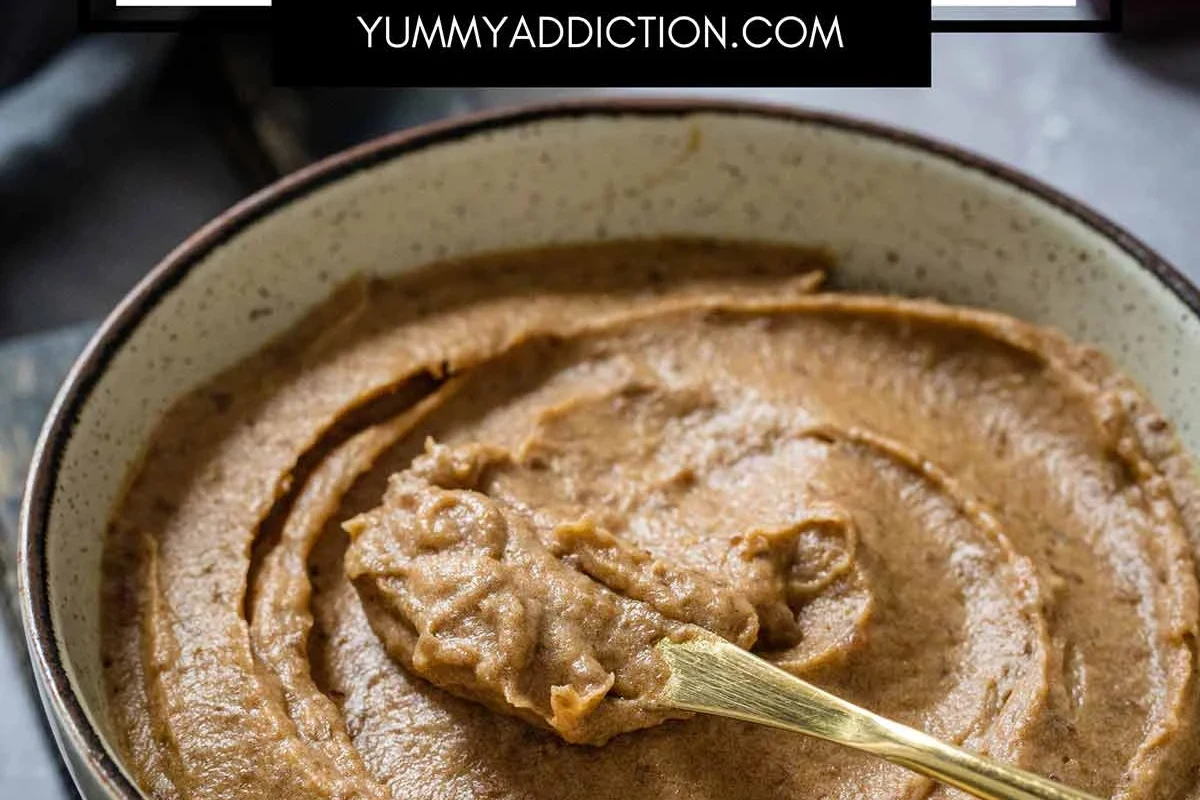
Date paste is just blended dates with a little water. It turns whole fruit into a thick, spreadable sweetener that works in both sweet and savory dishes.
Many home cooks like it because it adds sweetness plus a soft caramel taste. It also brings a bit more body than liquid sweeteners, which can help in baking and sauces.
In short: it’s a handy pantry staple when you want a less processed option that still tastes rich.
Date paste can often replace part of the sugar in muffins, bars, and sauces without making the recipe feel flat.
How to Make Date Paste at Home in Minutes
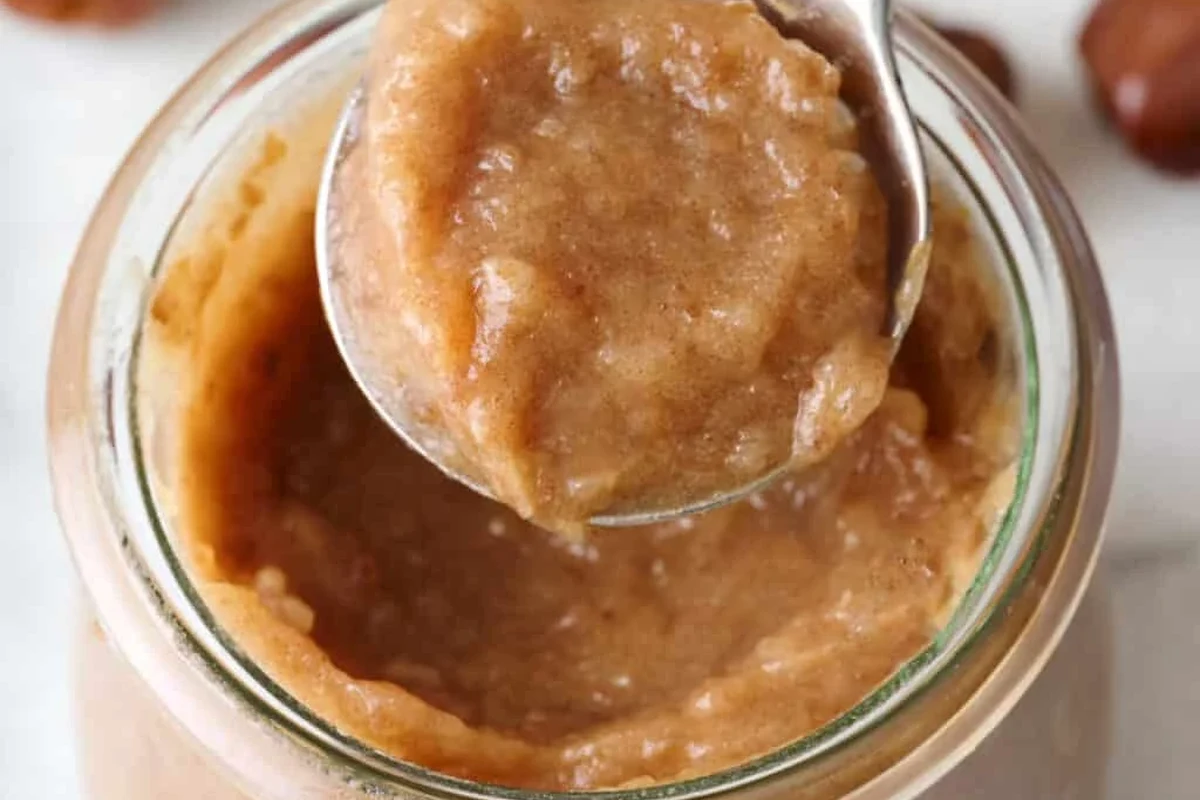
The basic method is easy. Soften pitted dates in warm water, then blend them until smooth. You can make it thick for spreading or thinner for stirring into recipes.
The exact texture depends on the date type, how long you soak them, and how much water you add. That means a little practice helps, but the process is very forgiving.
Simple ingredients and tools you need
Warm water
Blender or food processor
Spoon or spatula
Small bowl
Measuring cup
You only need a few basics. A high-speed blender gives a smoother paste, but a regular blender or food processor can still work well.
Use pitted dates to save time. If your dates still have pits, remove them first and check each one carefully.
In short: the shorter the ingredient list, the easier it is to make this recipe often.
Always remove date pits before blending. Hard pits can damage equipment and may create a safety risk.
Step-by-step method for a smooth paste
Place pitted dates in a bowl and cover them with warm water. Let them sit until they soften.
Keep a little soaking liquid nearby. You can add it later if the paste feels too thick.
Add the dates to a blender or food processor. Blend in short bursts, then scrape down the sides.
Add small splashes of soaking water only as needed. Stop when the paste looks smooth and thick.
For a very silky result, blend longer and pause to scrape the sides. If your machine struggles, add water one teaspoon at a time.
In short: start with less water than you think you need. It’s much easier to thin paste than to fix a runny batch.
- Use warm, not boiling, water for softer dates.
- Blend in short bursts to help the motor stay steady.
- Scrape the bowl often for a more even texture.
- Save the soaking liquid for small texture adjustments.
Best Dates to Use for the Right Texture and Flavor
Not all dates behave the same way. Some make a very smooth paste with a deep caramel taste, while others stay a little firmer and less sweet.
The best choice depends on your recipe and your budget. Softer dates usually blend faster, but firmer dates can still work well after soaking.
Medjool dates vs other common varieties
Medjool dates are soft, large, and rich in flavor. They usually make a smooth paste with less soaking time.
Other common dates, like Deglet Noor, are a bit firmer and drier. They can still make good date paste, but they may need more soaking and blending.
Medjool Dates vs Other Dates
Choose based on texture, flavor, and how fast you want the paste to come together.
Medjool dates
Best for creamy paste, deep sweetness, and faster prep.
VS
Other common dates
Best when you want a lower-cost option and don’t mind extra soaking.
Date size, moisture, and freshness vary by brand and harvest. That means your paste may need a little more or less water.
How Date Paste Works in Everyday Cooking and Baking
Date paste is useful because it does more than sweeten. It also adds thickness, color, and a mild fruit note that fits many recipes.
You can stir it into batter, fold it into oatmeal, or whisk it into sauces. It works especially well when you want sweetness plus some body.
Sweetening sauces, desserts, and pasta-inspired recipes
Date paste can help balance tomato sauce, barbecue-style sauce, and glaze recipes. In dessert recipes, it blends into brownies, cookies, energy bites, and bars.
For pasta-inspired dishes, a small spoonful can soften sharp tomato flavor in sauce. That said, use it lightly so the sauce stays savory.
Use date paste as a flavor helper, not a full sugar clone.
It’s also handy in breakfast foods. Try it in porridge, yogurt bowls, or baked oatmeal when you want a richer sweet note.
When date paste works better than sugar or syrup
Date paste works best when you want more texture and a deeper flavor. It can be a smart pick in thicker batters, fillings, and spreads.
It may work better than liquid syrup when you don’t want to add extra moisture. It may work better than white sugar when you want a more rounded taste.
- Adds sweetness with a soft caramel flavor.
- Helps thicken sauces and batters.
- Works in both sweet and savory dishes.
- Uses simple pantry ingredients.
Common Mistakes That Can Ruin Date Paste
Most date paste problems come from water control or blending time. The good news is that both are easy to fix.
If your paste looks grainy, runny, or stiff, don’t toss it yet. A small adjustment is often enough.
Too much water, not enough soaking, and blending issues
Too much water makes date paste loose and hard to use. Not enough soaking leaves the dates hard, which can strain your blender.
Blending issues often come from overfilling the jar or not scraping the sides. A small batch usually blends more evenly.
The paste looks chunky or won’t blend smoothly.
Soak the dates a little longer, then blend in smaller batches and scrape the sides often.
The paste turns watery after blending.
Add more dates and blend again, or simmer gently in a pan to reduce excess moisture.
How to fix paste that is too thick or too thin
If the paste is too thick, add a few drops of soaking water and blend again. Keep the additions small so you don’t overshoot.
If it’s too thin, add more dates. You can also chill it, since cold paste often firms up a bit.
In short: think of date paste like peanut butter. Small changes make a big difference.
- Add water slowly.
- Soak dates until soft.
- Blend in small batches.
- Dumping in lots of water at once.
- Leaving pits in the dates.
- Running a struggling blender too long.
Storage, Safety, and Cleaning Tips for Better Results
Date paste keeps well, but it still needs basic food-safe storage. Clean tools right away, and store the paste in a sealed container.
Good storage helps the flavor stay fresh and keeps the texture usable for longer.
How to store date paste in the fridge or freezer
Store date paste in an airtight container in the fridge. Use a clean spoon each time to help keep it fresh.
You can also freeze small portions for later use. An ice cube tray or small freezer-safe container works well for that.
Usually just a few minutes, plus soaking time
Varies by container, fridge use, and freezer use
Exact storage time can vary with freshness, moisture, and cleanliness. If you see mold, off smells, or odd color changes, throw it out.
Discard any paste that smells sour, shows mold, or was left out too long at room temperature.
Easy cleanup for blender, bowl, and spoon tools
Rinse tools soon after use so the sticky paste does not dry on them. Warm water helps loosen the residue fast.
If a blender jar has stuck bits, fill it with warm water and a drop of soap. Let it sit briefly, then wash as usual.
Rinse the blender, bowl, and spoon right away.
Check blender blades, lids, and seals for wear or buildup.
Cost, Value, and Final Recommendation for Home Cooks
Homemade date paste is usually worth making if you already keep dates in the pantry. It gives you control over sweetness, thickness, and flavor.
It’s also a smart way to avoid extra packaging and use up dates before they dry out too much.
When homemade date paste is worth it
Make it at home if you bake often, like natural sweeteners, or want a thick fruit-based spread. It’s especially useful if you need only a small amount for a recipe.
Store-bought date paste can be convenient, but homemade paste lets you adjust the texture on the spot. That flexibility matters when you cook often.
Best use cases and final takeaway
Date paste is best for bakers, sauce makers, and anyone who wants a simple sweetener with more body than syrup. It also fits well in small-batch cooking because you can make only what you need.
If you want the easiest path, start with soft Medjool dates and add water slowly. That gives you the best chance at a smooth, rich paste on the first try.
Homemade date paste is quick, useful, and easy to adjust for your recipe. For the smoothest result, use soft dates, soak them well, and blend with only a little water at a time.
- Soak pitted dates until soft, then blend until smooth.
- Start with little water, since you can always add more.
- Medjool dates usually make the easiest, creamiest paste.
- Store the paste cold and discard it if it spoils.
Frequently Asked Questions
The blending part only takes a few minutes. Soaking time can vary based on the date type and how soft they are.
Yes, but softer dates usually blend faster and smoother. Firmer dates may need more soaking and a little extra water.
Add a small splash of soaking water and blend again. Keep the additions small so the paste does not turn runny.
Blend in more dates to thicken it. Chilling can also help it firm up a bit.
Keep it in an airtight container in the fridge and use a clean spoon each time. You can also freeze small portions for later.
Use it in baking, sauces, oatmeal, energy bites, and some savory dishes. It works best when you want sweetness plus a thicker texture.