How Much Pasta Per Person for the Perfect Meal Guide

Use 2 ounces of dry pasta per person for a side dish and 3 to 4 ounces for a main meal. Adjust up for big eaters and down when the sauce, protein, or sides make the meal more filling.
If you want a simple answer, plan on 2 ounces of dry pasta per person for a side dish and about 3 to 4 ounces for a main meal. Fresh pasta usually needs a little more by weight, but less by volume, since it is denser and cooks fast.
- Side dish rule: Start with 2 ounces of dry pasta per person.
- Main meal rule: Plan on 3 to 4 ounces of dry pasta per person.
- Fresh pasta: It often needs a different weight than dry pasta.
- Best accuracy: A kitchen scale gives the most consistent portions.
- Simple adjustment: Serve less when sauce and sides make the meal richer.
How Much Pasta Per Person: The Quick Answer
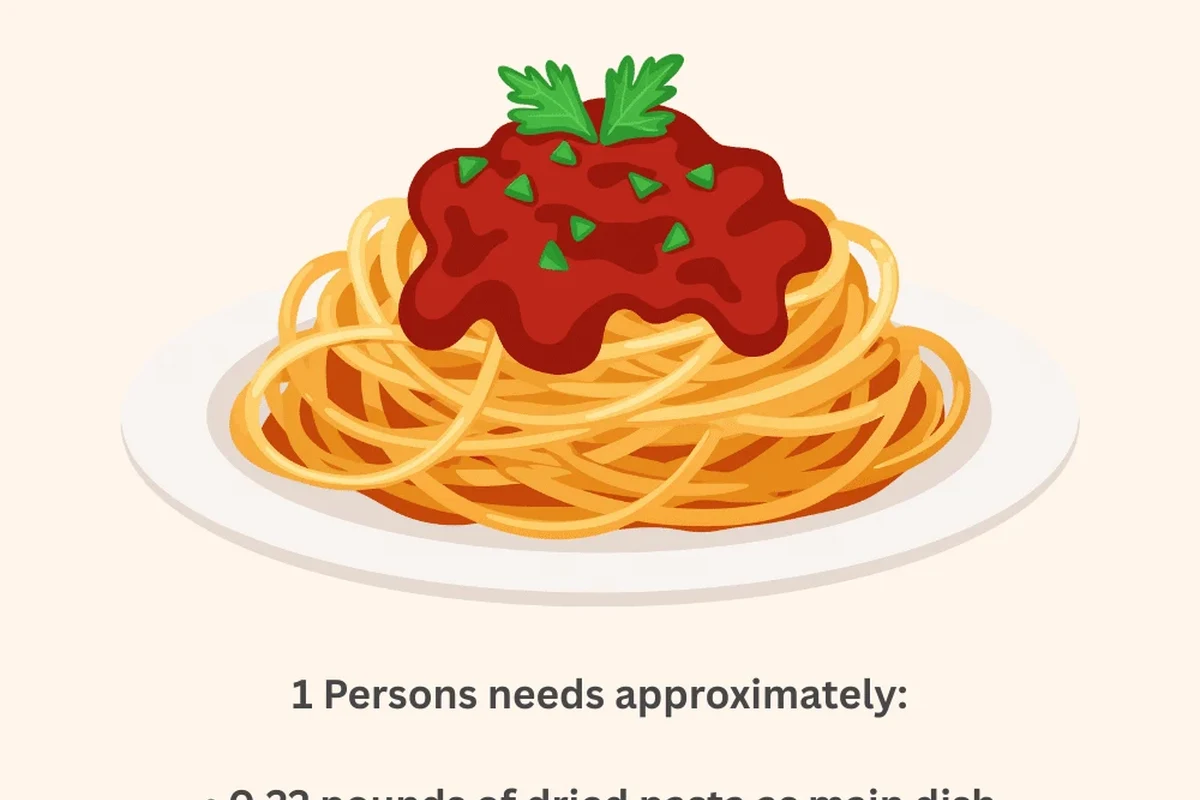
The best serving size depends on how you serve the pasta. A small side dish needs less. A hearty dinner plate needs more.
Dry pasta portions for one, two, and a crowd
For one person, start with 2 ounces for a side or 3 to 4 ounces for dinner. For two people, that means 4 ounces or 6 to 8 ounces total.
For a crowd, it helps to think in totals. One pound of dry pasta feeds about 4 people as a main dish, or about 8 people as a side.
That rule works well for most standard shapes. Still, a big appetite or a rich sauce can change the amount you need.
How portion size changes for main dishes and sides
When pasta is the star, serve more. When it sits next to chicken, salad, or vegetables, serve less.
A side portion often feels right at 2 ounces dry pasta per person. A main dish often lands closer to 3 to 4 ounces.
In a busy weeknight meal, I’d rather make a little extra than run short. Leftovers are easier to save than a hungry table is to fix.
Fresh pasta vs dry pasta serving sizes
Fresh pasta has more moisture, so it weighs more for the same amount of food. That means the dry-pasta rule does not convert perfectly.
As a rough guide, fresh pasta often needs a larger weight portion than dry pasta. But shape, filling, and sauce all matter too.
Fresh pasta brands vary a lot. Always check the package if the maker gives serving guidance.
What Affects the Right Pasta Amount
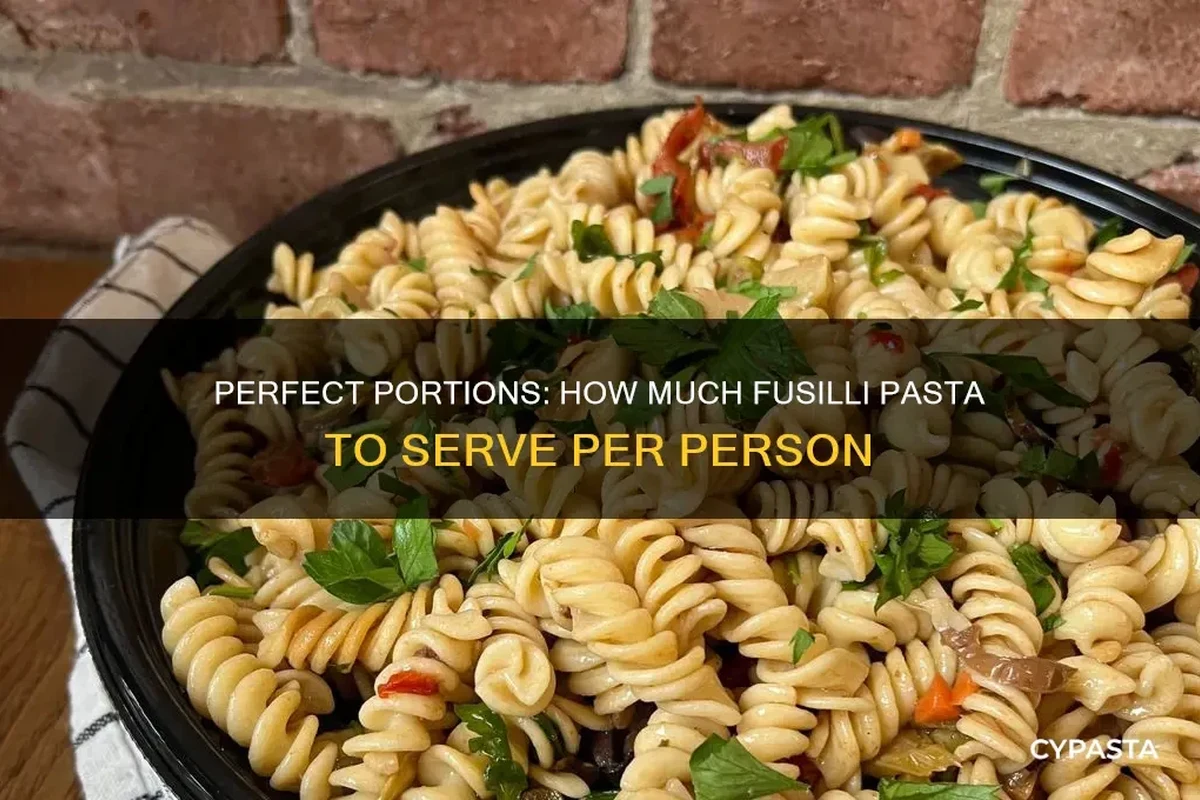
There is no single number that fits every meal. Appetite, age, shape, and sauce all change the final serving.
Appetite, age, and meal type
Kids usually need less than adults. Older guests may also prefer smaller portions, especially if the meal has several courses.
Big eaters, teens, and active people may want more. If pasta is the main comfort food at the table, plan for that.
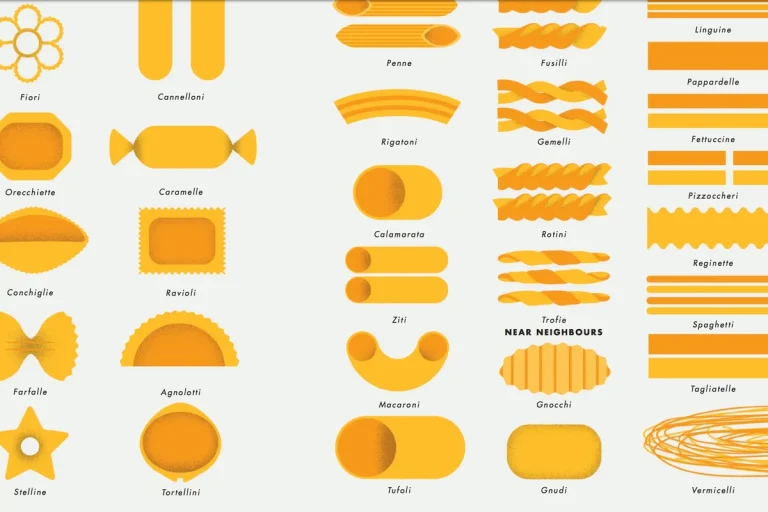
Shape matters: spaghetti, penne, fettuccine, and more
Long pasta and short pasta look different on the plate, but the dry weight rule stays similar. The real change comes from how full the pasta feels after cooking.
Thin spaghetti can seem lighter. Thick shapes like fettuccine or rigatoni can feel more filling with the same dry weight.
Sauce, protein, and extra ingredients
A heavy meat sauce or creamy sauce makes pasta feel richer. In that case, a smaller portion may be enough.
If you add vegetables, beans, chicken, or shrimp, the meal becomes more filling. You can often serve less pasta and still satisfy everyone.
Pasta often looks small before cooking because it absorbs water and expands as it cooks.
Simple Pasta Portion Guide by Type
Use the type of pasta as a quick starting point. Then adjust for appetite and sauce.
Long pasta serving guide
Long pasta includes spaghetti, linguine, and fettuccine. A good dry portion is usually 2 ounces for a side and 3 to 4 ounces for a main dish.
For long noodles, a bundle about the width of a quarter can be close to one serving. That trick works best for standard shapes, not very thick noodles.
Short pasta serving guide
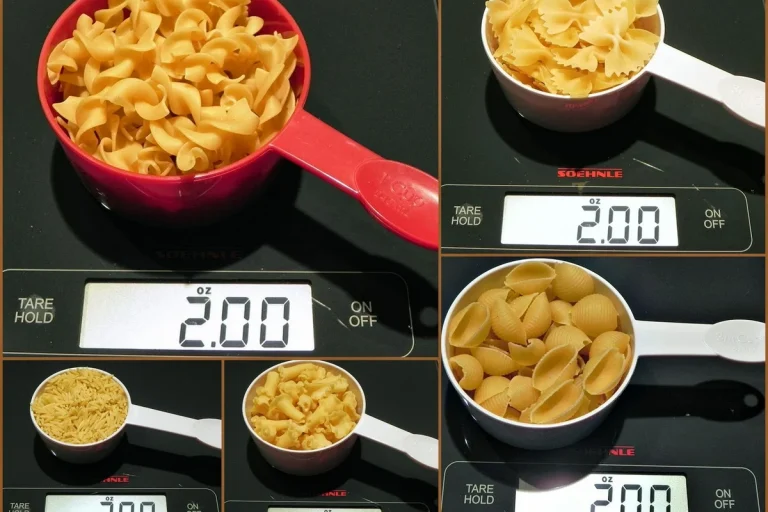
Short shapes like penne, rotini, and rigatoni are easy to overpour. They fill a measuring cup fast, so weight matters more than eye size.
Use the same dry weight rule. Then watch the sauce. Short pasta can hold more sauce, so a smaller amount may still feel satisfying.
Stuffed pasta serving guide
Stuffed pasta, like ravioli or tortellini, is usually richer and more filling. You often need less than you would with plain pasta.
For a main meal, a modest portion may be enough when the filling is dense and the sauce is rich. For a lighter meal, pair it with salad or vegetables.
| Option | Best For | Key Consideration |
|---|---|---|
| Long pasta | Simple dinners and classic sauces | Measure by weight for the best result |
| Short pasta | Thick sauces and baked dishes | It packs into cups quickly |
| Stuffed pasta | Rich meals and special dinners | It fills you up faster |
How to Measure Pasta Without a Scale
You do not need a scale every time. A few easy kitchen tricks can get you close.
Using cups, hands, and kitchen tools
Dry measuring cups help with short pasta. For long pasta, a bundle held between your fingers can work as a rough guide.
Many cooks also use a pasta server or a spoon with a center hole. These tools can help with one portion, but they are not exact.
Portion tips for families and meal prep
For families, portion the dry pasta before cooking. That keeps the pot from getting too full and helps you avoid waste.
For meal prep, cook a little less than you think you need. You can always add more sauce, protein, or vegetables later.
When to use a food scale for best accuracy
A food scale is best when you want repeatable results. It helps with diet tracking, recipe testing, and large dinner plans.
It is also useful when you cook for guests with different appetites. A scale takes the guesswork out of the job.
- Weigh dry pasta before cooking for the most accurate portions.
- Use the same method each time for more consistent meals.
- Keep a note of what your household usually finishes.
Common Pasta Portion Mistakes to Avoid
Most pasta mistakes are easy to fix. They usually come from guessing too fast.
Cooking too much and wasting food
It is easy to pour a huge pile into the pot. Pasta looks small when dry, so people often overdo it.
Start small if you are unsure. You can always cook more, but you cannot uncook waste.
Serving too little for hungry guests
Some meals need more than a basic serving. Holiday dinners, game nights, and cold-weather meals often call for larger portions.
If you know your guests love pasta, make extra sauce and a little extra pasta. That gives you room to adjust.
Forgetting that pasta grows when cooked
Dry pasta absorbs water and swells. A cup of dry pasta can become a much larger cooked portion.
That is why it helps to measure before boiling. Once the pasta is cooked, it is harder to correct the amount.
Use a large pot and plenty of water. Crowding the pot can lead to clumping and uneven cooking.
Best Practices for Cooking and Serving Pasta
Good portions work best with good cooking habits. Small details can make the whole meal feel better.
Salt, water, and timing basics
Use enough water so the pasta can move freely. Salt the water so the pasta has flavor from the start.
Check the package for timing, then taste near the end. Different shapes, brands, and altitudes can change the cook time.
How sauce changes the final serving size
Light sauce needs a bit more pasta to feel complete. Thick sauce can cover more pasta with less effort.
If you serve pasta with pesto, cream sauce, or meat sauce, the meal may feel richer. That often means smaller portions are fine.
How to build a balanced pasta plate
Try to include more than just noodles. Add vegetables, protein, or a salad on the side.
This makes the plate feel fuller without relying on a giant bowl of pasta. It also helps stretch the meal in a smart way.
Measure the dry amount first, then cook it in salted water.
Use sauce, vegetables, and protein to make the meal more filling.
Check the crowd and add more only if the table still looks short.
Cost, Value, and Meal Planning Tips
Pasta is one of the easiest foods to stretch. The right portion size helps you save money and reduce waste.
How pasta portions help stretch a budget
When you measure pasta well, you avoid overcooking extra food. That means fewer leftovers go bad in the fridge.
You also get more control over the full meal. A small amount of pasta can feed more people when you add vegetables or beans.
Planning servings for weeknight dinners
Weeknight meals work best when portions are simple. Use a basic rule, then build from there.
For a family dinner, portion the dry pasta first and keep sauce on the side. That makes it easier to serve each person the right amount.
Storing leftovers safely and using them well
Cool leftovers quickly and store them in the fridge in a sealed container. Use them within a safe time based on general food-safety guidance and your local rules.
Leftover pasta works well in soups, baked dishes, and cold pasta salad. Add a splash of sauce or water when reheating so it does not dry out.
Food safety rules can vary by dish and filling. Follow trusted food-safety guidance and use your best judgment with leftovers.
Final Recommendation for Home Cooks
If you want one rule to remember, use 2 ounces dry pasta per person for a side and 3 to 4 ounces for a main dish. Then adjust for sauce, appetite, and extra ingredients.
Easy portion rules to remember
Long pasta, short pasta, and most plain shapes follow the same starting point. Stuffed pasta usually needs less because it fills you up faster.
When in doubt, start a little low. You can always add more food to the plate.
When to adjust for guests, kids, or big eaters
Serve less for kids and more for hungry adults. Increase the amount when pasta is the main event or when the meal is simple.
For guests, it is smart to plan a little extra. That keeps the table relaxed and helps you avoid running short.
- Use 2 ounces dry pasta for a side dish.
- Use 3 to 4 ounces dry pasta for a main meal.
- Adjust for shape, sauce, and appetite.
- Measure before cooking to avoid waste.
The safest home-cook rule is simple: start with 2 ounces per person for sides and 3 to 4 ounces for mains. If your meal has rich sauce, protein, or stuffed pasta, you can usually serve a bit less.
Frequently Asked Questions
Use about 2 ounces for a side dish and 3 to 4 ounces for a main meal. Adjust up for big appetites and down for rich sauces or extra sides.
No, fresh pasta usually weighs more because it has moisture. Check the package when possible, and use the sauce and filling to guide the final amount.
Use a dry measuring cup for short shapes and a small bundle for long pasta. These methods are close, but a kitchen scale gives the best accuracy.
A side dish needs less pasta because other foods share the plate. A main dish needs more pasta because it has to carry the meal.
Measure the dry pasta before boiling and start with a smaller amount if you are unsure. It is easier to cook more than to deal with waste.
Cool it quickly, store it in a sealed container, and reheat it with a little sauce or water. Use safe food-handling habits and follow general food-safety guidance.