Where Did Pasta Come From History and Origins Explained

Pasta came from many ancient grain-food traditions, not one single inventor or place. Italy later shaped those traditions into the pasta most people know today.
Where did pasta come from? The short answer is that pasta grew from many old noodle-making traditions, then took its best-known form in Italy. It did not start from one single inventor or one neat moment in history.
That matters because pasta’s story explains why it comes in so many shapes, textures, and styles today. It also helps you understand the difference between pasta, noodles, and other grain foods.
- Ancient roots: Pasta grew from several old dough and noodle traditions.
- Italy’s role: Italian cooks refined pasta into a clear food tradition.
- Key difference: Dry pasta stores well, while fresh pasta cooks fast.
- Common myth: Marco Polo did not “bring” pasta to Italy.
Where Did Pasta Come From? The Short Answer and Why It Matters
Pasta has a mixed origin story. People made dough-based foods in several parts of the world long before modern Italy shaped pasta into the food we know now.
In simple terms, pasta came from a long chain of food ideas. Ancient cooks used grain, water, and sometimes eggs to make dough foods that could be dried, boiled, or served fresh.
Dry pasta became especially useful because it stored well and traveled easily.
That storage power helped pasta spread across regions and households. It made pasta a practical pantry food, not just a special meal.
The Early Roots of Pasta Across Ancient Cultures
When people ask where did pasta come from, history points to more than one root. Grain-based dough foods appeared in ancient cultures across Asia, the Middle East, and the Mediterranean.
These foods were not always pasta in the modern sense. Still, they show that the basic idea was old, useful, and easy to adapt.
What Ancient China Contributed to Noodle History
Ancient China has a strong place in noodle history. Archaeological finds and written records show early noodle-like foods made from grain dough.
Those foods were often long, thin, and boiled. That shape made them easy to eat and easy to share.
China’s role matters because it shows how early cooks learned to stretch simple grain dough into filling meals. It also reminds us that noodle history and pasta history overlap, but they are not the same thing.
Scholars often separate noodles from pasta by region, grain type, and cooking tradition.
How the Mediterranean Shaped Early Pasta Traditions
The Mediterranean also played a big role. Ancient Greeks and Romans used words and methods linked to dough sheets, baked pastes, and boiled grain foods.
These foods were not the same as modern spaghetti or penne. But they helped build the cooking habits that later supported pasta in Italy.
The region’s trade routes mattered too. Grain moved across ports and cities, and cooks borrowed ideas from each other.
How Pasta Evolved in Italy
Italy is where pasta became a true food tradition, not just a loose idea. Over time, Italian regions developed their own pasta styles, sauces, and cooking habits.
This is why pasta feels so tied to Italy today. Italian cooks refined it, named it, and made it part of daily life.
Dry Pasta, Fresh Pasta, and Regional Differences
Italy’s north and south developed different pasta styles. Fresh pasta often uses eggs and soft wheat, while dry pasta often uses durum wheat and water.
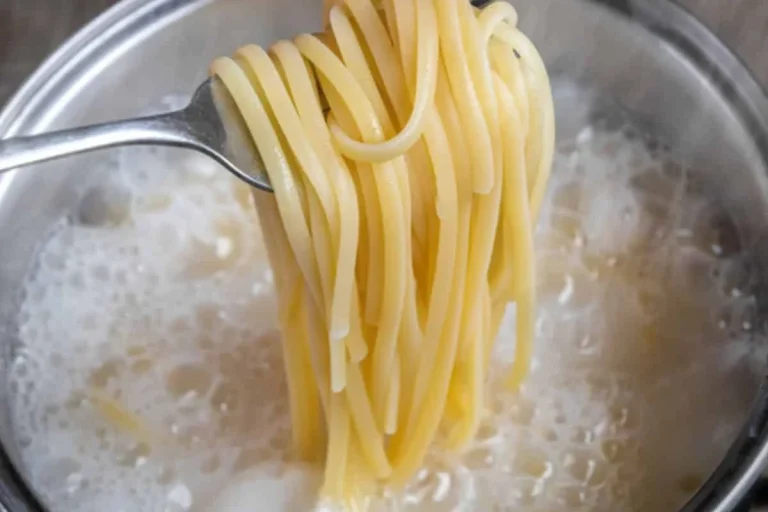
Fresh pasta cooks fast and feels tender. Dry pasta lasts longer and works well for pantry storage.
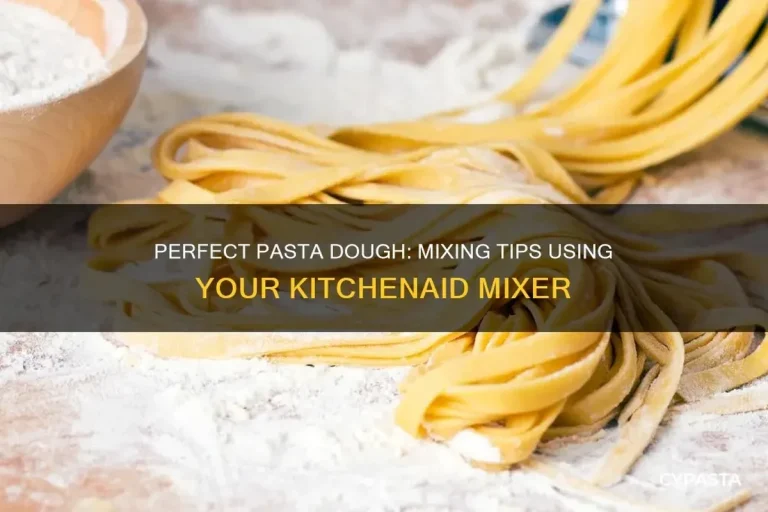
Best when you want a soft bite and quick cooking.
Best when you want shelf life and easy weeknight meals.
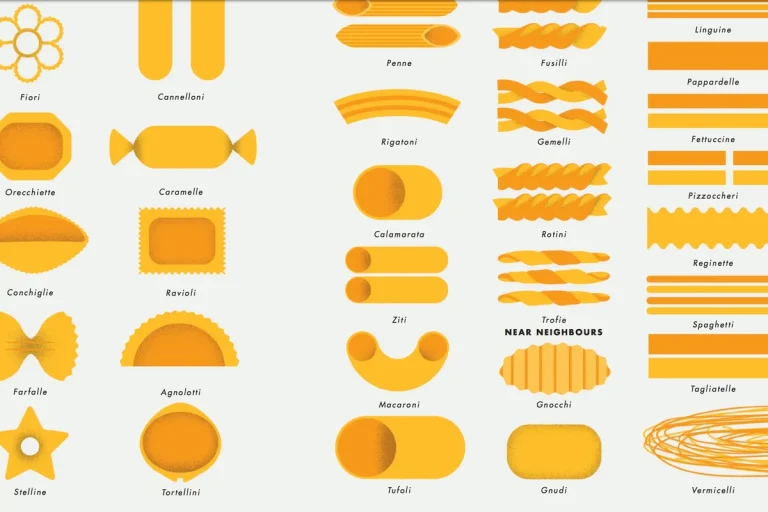
Regional shape choices also grew from local habits. Some areas favored ribbons, while others favored tubes, shells, or stuffed pasta.
How Trade, Climate, and Storage Changed Pasta Making
Climate shaped pasta history in a big way. Warm, dry areas made it easier to dry pasta safely and store it for later.
Trade also helped. As merchants moved ingredients and tools, pasta spread farther and became more common in city kitchens.
Storage changed everything. A dry food that could sit on a shelf gave families a cheap and steady meal base.
- Store dry pasta in a cool, dry cabinet.
- Keep fresh pasta chilled and use it quickly.
- Check package dates and package seals before cooking.
Key Ingredients and Methods That Define Pasta
Pasta looks simple, but the ingredients matter a lot. Small changes in flour, liquid, and shape can change the final texture.
That is why one pasta feels firm and another feels soft. The dough and drying method do most of the work.
Flour, Water, and Eggs: What Each One Does
Flour gives pasta its structure. Semolina or durum flour often makes pasta firm and sturdy.
Water helps the dough come together. Eggs add richness, color, and a softer bite.
Not every pasta uses the same mix. That is one reason pasta traditions vary so much from place to place.
Why Shape and Texture Matter in Cooking
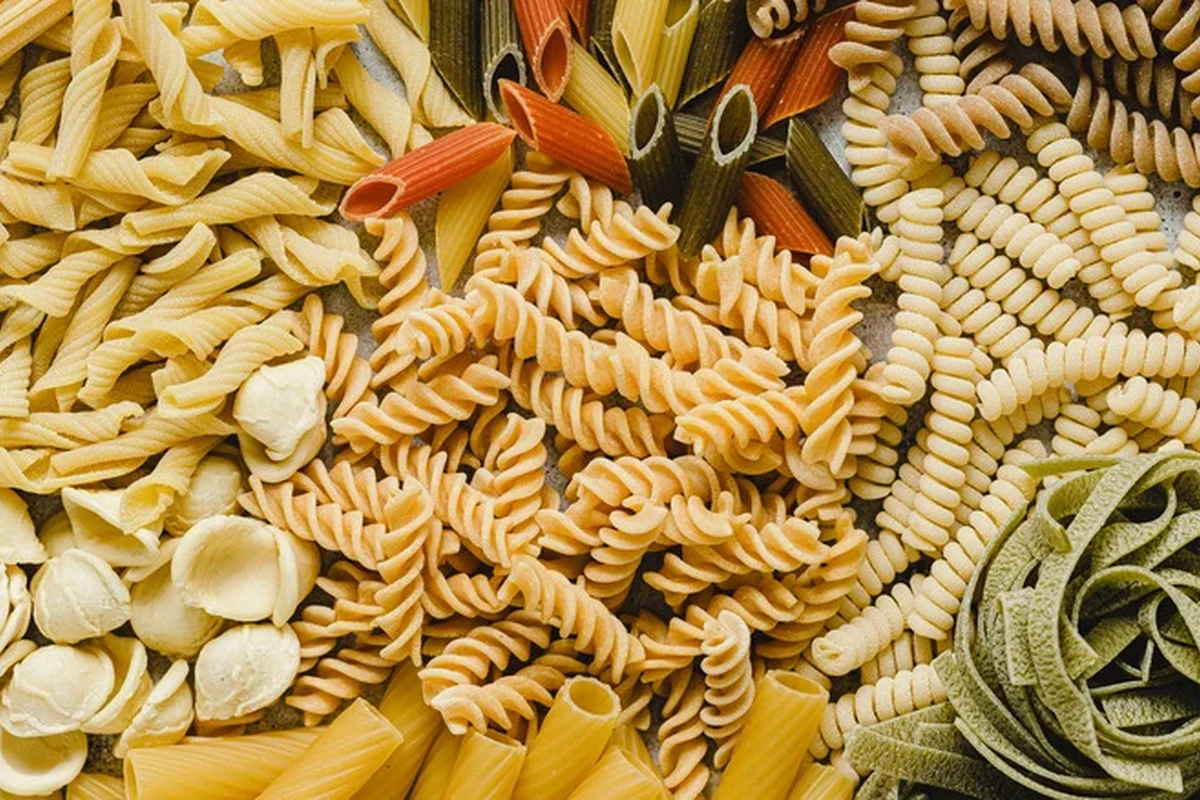
Shape changes how sauce clings to pasta. Thin noodles work well with light sauces, while ridged shapes catch thicker ones.
Texture matters too. A rough surface grabs sauce better than a smooth one.
That is why pasta shape is not just decoration. It changes the whole meal.
Benefits and Limits of Pasta as a Staple Food
Pasta became popular because it is filling, flexible, and easy to cook. It can work as a side dish, main dish, or meal base.
Still, pasta has limits. Like any staple food, it works best when you balance it with other ingredients.
Why Pasta Became So Popular Worldwide
Pasta spread because it fits busy kitchens. It cooks fast, stores well, and pairs with many flavors.
It also adapts to many budgets. A small amount of pasta can feed more than one person when you add vegetables, beans, or sauce.
- Easy to store and cook
- Works with many sauces and toppings
- Fits simple or more complex meals
Common Limits in Nutrition, Cost, and Diet Needs
Pasta is not a full meal by itself. It usually needs protein, vegetables, or healthy fats to feel balanced.
Some people also need gluten-free pasta or lower-carb options. Others may need to watch portion size for personal health reasons.
Cost can vary too. Specialty pasta often costs more than basic dried pasta.
If you have food allergies or medical diet needs, check labels closely and follow professional advice.
Common Myths and Mistakes About Pasta Origins
People often hear simple stories about pasta. The problem is that the real history is more mixed.
That does not make the story less interesting. It just makes it more honest.
The Marco Polo Myth and What History Actually Shows
One famous myth says Marco Polo brought pasta to Italy from China. That story is too simple.
Italian pasta traditions existed before Polo returned from Asia. China also had its own noodle history, which developed on a separate path.
So the myth misses the real point. Pasta grew through many food traditions, not one traveler’s trip.
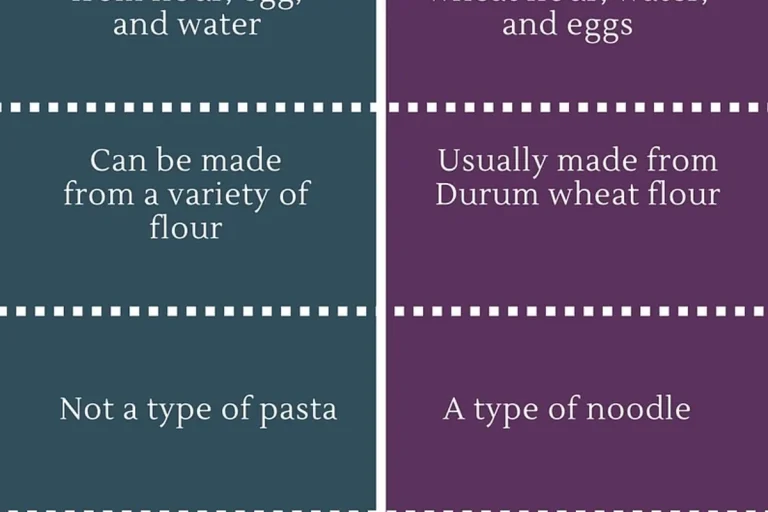
Mixing Up Noodles, Pasta, and Similar Foods
People often use the words noodle and pasta as if they mean the same thing. Sometimes that is fine in casual talk.
Still, food historians usually treat them as related but distinct. The grain, shape, region, and cooking method all matter.
That is why a dumpling wrapper, noodle, and pasta sheet may look alike but belong to different food families.
How to Choose and Use Pasta Well Today
Knowing where pasta came from can help you use it better now. Once you understand the shape, flour, and sauce match, dinner gets easier.
For home cooks, the best choice is the pasta that fits the meal, not just the recipe name.
Best Pasta Types for Sauces, Bakes, and Quick Meals
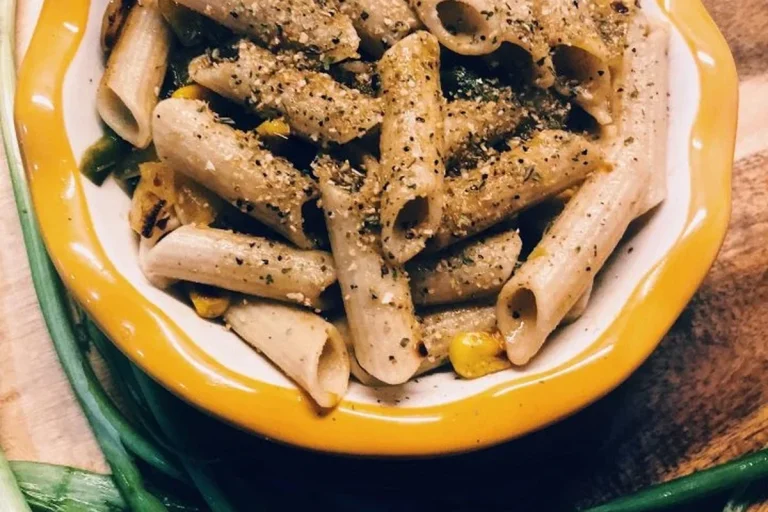
Long pasta like spaghetti works well with lighter sauces. Short shapes like penne or fusilli hold thicker sauces and baked dishes.
Stuffed pasta, like ravioli, works well when you want a richer meal. Fresh pasta is great for fast cooking, while dry pasta is better for pantry storage.
Choose dry pasta for easy weeknight cooking.
Choose fresh or stuffed pasta for a softer, richer dish.
Simple Buying Tips for Quality and Value
Start with the ingredient list. Short ingredient lists often signal a simple, classic pasta.
Look at the shape and cooking time too. Pick a shape that fits your sauce and your schedule.
For value, basic dried pasta often gives the best everyday deal. Specialty pasta makes sense when the recipe really needs it.
- Check the ingredient list
- Choose a shape that fits your sauce
- Compare shelf life and storage needs
- Pick gluten-free only when you need it
Final Verdict: What We Know About Pasta’s True Origins
Pasta did not come from one single place. It grew from many old grain foods, then took its best-known form in Italy.
If you want the cleanest answer, here it is: pasta is a shared food story, but Italy gave it its modern identity. That is why the world thinks of pasta as Italian, even though its roots run much deeper.
For most readers, the best answer is that pasta has ancient roots across several cultures, but Italian food history shaped the pasta we cook today. If you want to understand pasta well, focus on the mix of grain, shape, and regional tradition.
Frequently Asked Questions
Pasta has roots in several ancient food traditions, including China and the Mediterranean. Italy later developed the pasta styles most people know today.
Not exactly. They are related, but food history usually treats them as different traditions with different regional roots.
Italy refined pasta into many regional shapes and cooking styles. That made pasta a central part of everyday cooking and global food culture.
Fresh pasta usually uses eggs and cooks quickly. Dry pasta lasts longer and works well for pantry storage.
Match the shape to the sauce. Long, smooth pasta suits light sauces, while short or ridged pasta holds thicker sauces better.
Check the ingredients, shape, and whether it fits your diet needs. For special diets, read the label closely and choose trusted products.