Is Pasta Sauce Gluten Free What You Need to Know

Many pasta sauces are gluten free, but not all of them are safe. Check the label for wheat, barley, rye, thickeners, and cross-contact warnings.
Yes, pasta sauce can be gluten free, but not always. The answer depends on the ingredients, the brand, and how the sauce was made. Some sauces are safe by nature. Others hide gluten in thickeners, seasonings, or add-ins.
If you need a strict gluten free diet, the label matters just as much as the recipe. That is true for store-bought jars, restaurant sauces, and homemade versions. In short, pasta sauce is often gluten free, but you still need to check carefully.
- Simple sauces: Plain tomato and marinara are often the safest picks.
- Hidden gluten: Watch for flour, soy sauce, malt, and seasoning blends.
- Label reading: Check ingredients, allergen notes, and cross-contact warnings every time.
- Best control: Homemade sauce lets you manage ingredients and kitchen tools.
Is Pasta Sauce Gluten Free? The Short Answer and What It Really Means
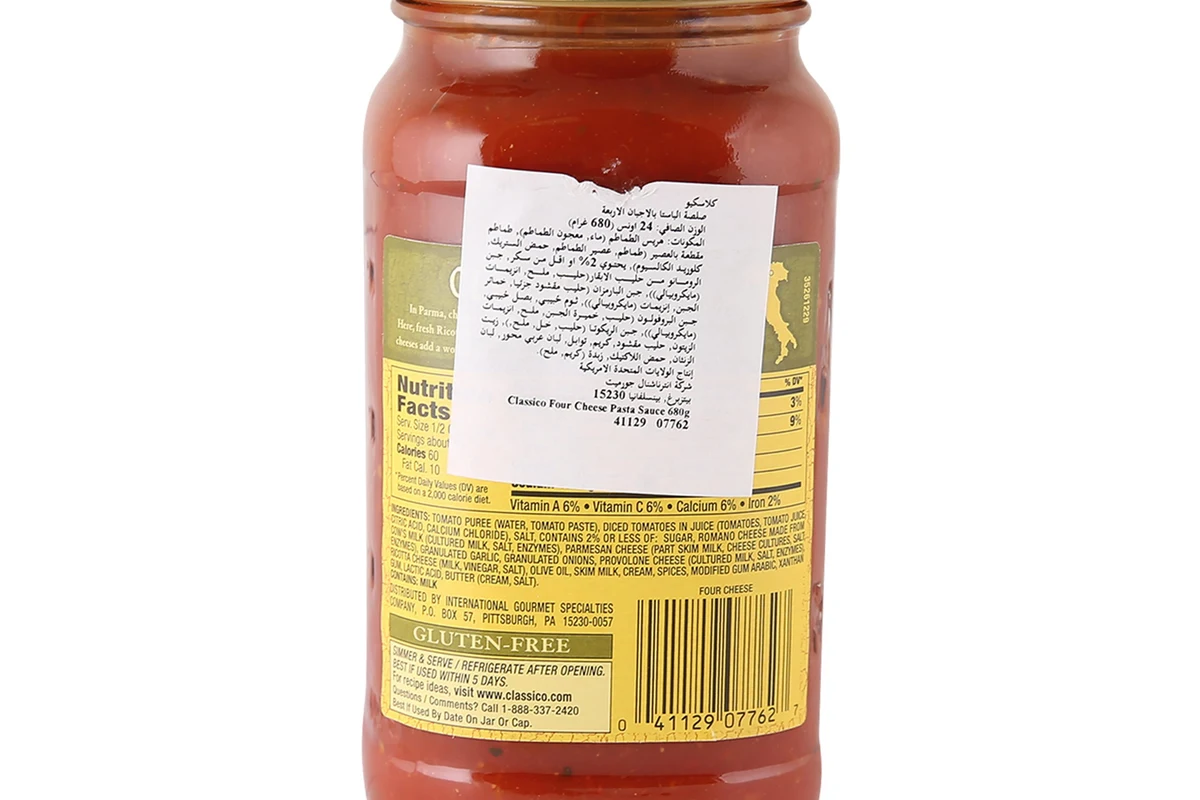
Many basic pasta sauces are gluten free. A simple sauce made from tomatoes, olive oil, garlic, herbs, and salt usually has no gluten. But once a company changes the recipe, the risk goes up.
Gluten can show up in sauces that use flour, wheat-based seasoning, or soy sauce. It can also appear through shared equipment or cross-contact during production. For people with celiac disease, that detail matters a lot.
Why some pasta sauces are gluten free and others are not
Gluten free sauces usually stay simple. The more processed the sauce, the more chances there are for hidden gluten. A plain marinara is often safer than a meat sauce or a creamy jarred sauce with many ingredients.
Brands also change formulas. A sauce that was safe last year may not be safe now. Always check the current label, even if you bought the same brand before.
Ingredient lists can change without much notice. The safest habit is to check every jar, every time.
Which sauce types are most likely to be safe
Some sauce types are more likely to be gluten free than others. These are usually the simplest ones with short ingredient lists.
- Plain tomato sauce with basic herbs
- Marinara with no flour or wheat-based flavoring
- Simple pesto made without added fillers
- Olive oil and garlic sauces with clear labels
Even then, you should still read the label. A simple recipe is a good sign, not a guarantee.
Common Ingredients That Can Hide Gluten in Pasta Sauce
Gluten does not always appear as “wheat.” It can hide in other ingredients that sound harmless. That is why label reading takes a little care.
Thickeners, flavor blends, and seasoning mixes
Some sauces use thickeners to make them richer or smoother. Those thickeners may come from wheat flour or other gluten sources. Seasoning mixes can also include gluten as a filler or binder.
Flavor blends are tricky because the label may sound simple. Words like “natural flavors” or “seasoning” can cover many ingredients. If the label is vague, look for a gluten free claim or contact the maker.
Short ingredient lists are easier to trust. Fewer ingredients usually mean fewer places for gluten to hide.
Watch for soy sauce, malt, and flour-based add-ins
Some pasta sauces include soy sauce for depth of flavor. Regular soy sauce often contains wheat. Malt is another red flag, since it usually comes from barley.
Flour-based add-ins can show up in meat sauces, white sauces, and some specialty jars. They help with texture, but they are not safe for every diet. If you see wheat flour, barley, or rye, skip it.
How to Read a Pasta Sauce Label the Right Way
Good label reading is the best way to lower risk. Start with the ingredient list, then check the allergen statement, then look for cross-contact notes. That order helps you catch the biggest issues fast.
Certified gluten free labels and what they mean
A certified gluten free label gives extra peace of mind. It means the product has met a specific standard from a certifying group. That does not make it perfect, but it does add another layer of review.
Not every safe sauce is certified. Still, certification can help when you need a stricter choice. It is especially useful for people with celiac disease or strong gluten sensitivity.
Ingredient lists, allergen notes, and cross-contact warnings
Read the ingredient list first. Then scan the allergen note for wheat. After that, look for statements about shared equipment or possible cross-contact.
Cross-contact warnings do not always mean a product contains gluten. They do mean the maker cannot promise it stayed separate. For strict diets, that warning may be enough to choose another sauce.
For celiac disease, do not rely on guesswork. Use labeled gluten free products and follow the manufacturer’s current guidance.
Store-Bought vs Homemade Pasta Sauce: Which Is Safer?
Both options can work. The safer choice depends on how much control you want and how strict your diet needs to be. Homemade sauce often gives you more control, but store-bought sauce can be very convenient.
Best options for strict gluten free diets
For strict diets, the best store-bought choices are usually certified gluten free sauces with short ingredient lists. Plain marinara and basic tomato sauces are often the easiest place to start.
Always check the jar and the current website if needed. A familiar brand is not enough on its own. In short, the safest store-bought sauce is the one with clear gluten free labeling.
When homemade sauce gives you more control
Homemade sauce lets you control every ingredient. You can keep it simple with tomatoes, olive oil, garlic, onion, and herbs. That makes it easier to avoid hidden gluten.
It also helps if you cook for a mixed household. You can make one sauce that works for everyone, then serve it with gluten free pasta. Just keep your tools clean and separate from wheat products.
Hidden risks in restaurant and jarred sauces
Restaurant sauces can be hard to trust unless the staff knows the recipe well. Sauces may be made in shared pans or finished with pasta water that contains gluten. That creates a real cross-contact risk.
Jarred sauces are easier to check, but they still need careful reading. A label can look safe while the manufacturing notes tell a different story. When in doubt, choose a sauce with clear gluten free labeling.
Best Gluten Free Pasta Sauce Choices for Everyday Cooking
The best everyday choice is usually the simplest one. You want a sauce that tastes good, fits your budget, and matches your safety needs. That balance matters more than chasing the fanciest jar.
Simple tomato sauces and marinara styles
Simple tomato sauces are often the easiest gluten free pick. Marinara usually uses tomatoes, herbs, onion, garlic, and oil. Those ingredients are naturally gluten free when nothing extra gets added.
These sauces also work in many meals. You can use them with pasta, baked dishes, or as a base for meatballs. If you want low risk and easy cooking, this is a smart place to start.
Creamy sauces, pesto, and specialty jarred sauces
Creamy sauces need more care. Some use flour for thickness or include seasoning mixes with gluten. Pesto can be safe, but some jarred versions use fillers or cheese blends that need a closer look.
Specialty sauces can be delicious, but they often have more ingredients. That means more chances for hidden gluten. If you choose one, read the label slowly and check the allergen note.
- Choose short ingredient lists when possible.
- Check every new jar, even from trusted brands.
- Use clean spoons and clean pans for serving.
- Keep gluten free pasta separate from wheat pasta.
What to avoid if you want the lowest risk
If you want the lowest risk, avoid sauces with wheat flour, regular soy sauce, malt, or unclear seasoning blends. Be careful with meat sauces and white sauces too. Those are more likely to include hidden gluten.
Also avoid sauces from bulk bins or unlabeled containers. You cannot verify the ingredients as easily. For a strict diet, clear labeling is worth a lot.
Common Mistakes People Make When Checking Pasta Sauce
People often make the same few mistakes when they shop for sauce. The good news is that they are easy to fix once you know what to watch for.
Assuming all tomato sauces are safe
Tomato sauce sounds simple, but not every tomato sauce is gluten free. Some brands add thickeners, seasoning blends, or flavor boosters. Others use shared lines that raise cross-contact concerns.
So do not stop at the front label. Turn the jar around and read the fine print. That quick step can save you trouble later.
Forgetting about shared tools and cross-contact
Cross-contact is a big issue in kitchens. A clean sauce can become unsafe if you stir it with a spoon used in wheat pasta. The same risk shows up with colanders, serving spoons, and shared pans.
That matters at home and in restaurants. Use separate tools when possible. If you are eating out, ask how the sauce is handled before you order.
Shared utensils, pasta water, and cooking pots can transfer gluten. Clean tools well and keep gluten free items separate.
Missing gluten in meat sauces and spice blends
Meat sauces can hide gluten in broth, seasoning, or binders. Spice blends can also include wheat-based fillers. Even a small amount can matter for sensitive eaters.
If the sauce lists a blend instead of clear spices, be cautious. The same goes for “seasoned meat” or “seasoning packet” labels. Those often need a closer look.
How to Make or Choose Pasta Sauce with Confidence in 2026
In 2026, the smartest approach is still simple. Check the label, keep the recipe short, and choose the level of risk that fits your needs. That works better than chasing trends or trusting the front of the jar.
Budget, taste, and safety trade-offs
Budget sauces can be fine if the label is clear. More expensive sauces are not always safer. Sometimes you pay for flavor, not better gluten control.
If taste matters most, try a few certified gluten free brands and compare them. If safety matters most, keep choosing the plainest option with the clearest label. That balance usually gives the best result at home.
Best choice for celiac disease, gluten sensitivity, and family meals
For celiac disease, choose certified gluten free sauce when possible. For gluten sensitivity, a clearly labeled sauce may be enough, depending on your needs. For family meals, homemade sauce can make life easier because you control the ingredients.
It also helps to build a short list of trusted brands. Once you find a few sauces that work, shopping gets much simpler. You spend less time guessing and more time cooking.
Final recommendation for Red Kitchen Project readers
If you are asking whether pasta sauce is gluten free, the safest answer is this: sometimes yes, sometimes no. Plain tomato and marinara sauces are often the easiest choices. Creamy, meat-based, and heavily seasoned sauces need more care.
For most home cooks, the best path is a simple sauce with a clear gluten free label. For strict diets, certification and cross-contact checks matter most. In short, read every label, trust the current ingredients, and choose the simplest safe sauce you can find.
Frequently Asked Questions
No. Some pasta sauces are naturally gluten free, but others use wheat-based thickeners, soy sauce, or seasoning blends. Always check the current label.
Simple tomato sauce or marinara with a clear gluten free label is often the safest choice. Certified gluten free products give extra peace of mind.
Yes. Some tomato sauces include flour, flavor blends, or cross-contact risks during production. Read the ingredient list and allergen notes.
It can be, as long as you use gluten free ingredients and clean tools. Homemade sauce gives you more control over cross-contact and hidden additives.
Watch for wheat flour, regular soy sauce, malt, barley, rye, and vague seasoning blends. These can hide gluten in sauces that seem simple.
Use clean pots, spoons, and serving tools. Keep gluten free sauce separate from wheat pasta, pasta water, and shared kitchen utensils.