How Many Ounces of Dry Pasta in a Cup Easy Guide

Many dry pastas are close to 2 ounces per cup, but the exact amount changes by shape. For the most accurate result, weigh the pasta instead of guessing by volume.
If you’re asking how many ounces of dry pasta are in a cup, the short answer is about 2 ounces for many common shapes. But the real answer can change a lot based on the pasta shape, how full the cup is, and whether you want dry or cooked pasta.
- Quick rule: Many dry pastas are close to 2 ounces per cup.
- Shape matters: Long, short, and small pasta pack differently.
- Best accuracy: A kitchen scale beats cup estimates.
- Common mistake: Dry and cooked pasta are not the same.
How Many Ounces of Dry Pasta in a Cup: The Quick Answer
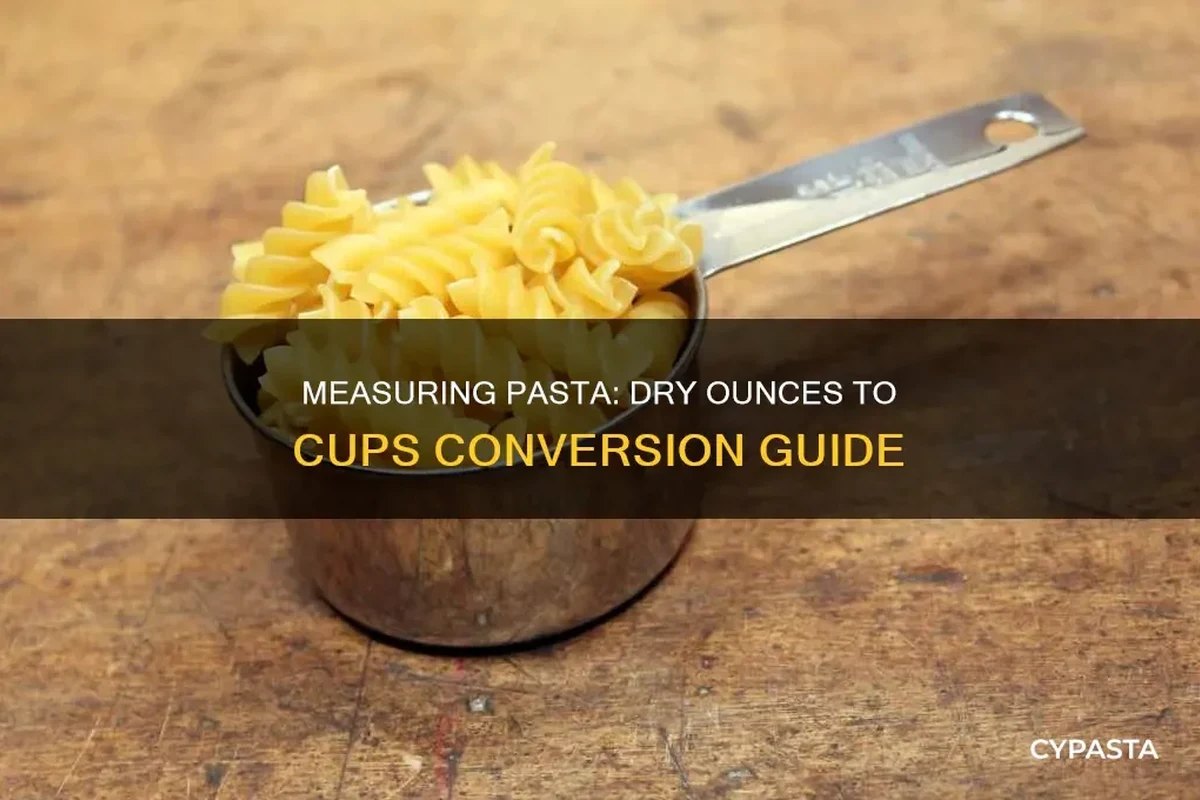
For many dry pasta shapes, 1 cup is close to 2 ounces by weight. That said, this is only a rough guide, not a perfect rule.
Long pasta, short pasta, and tiny pasta all fill a cup in different ways. A cup of spaghetti does not weigh the same as a cup of penne.
Why the answer changes by pasta shape
Pasta shape changes how much air sits between the pieces. Long noodles leave more space. Small shapes pack more tightly.
So, one cup can hold different weights even when the volume looks the same. That is why a cup measure works best as a quick kitchen shortcut.
Dry cups versus cooked cups
Dry pasta and cooked pasta are not the same thing. Dry pasta absorbs water and grows much heavier after cooking.
A cup of dry pasta usually makes more than a cup of cooked pasta. If a recipe asks for cooked pasta, do not swap in a dry cup without checking the directions.
Exact weight can vary by brand, shape, and how the pasta sits in the cup. When a recipe needs precision, use the package label or a scale.
How Pasta Volume and Weight Work
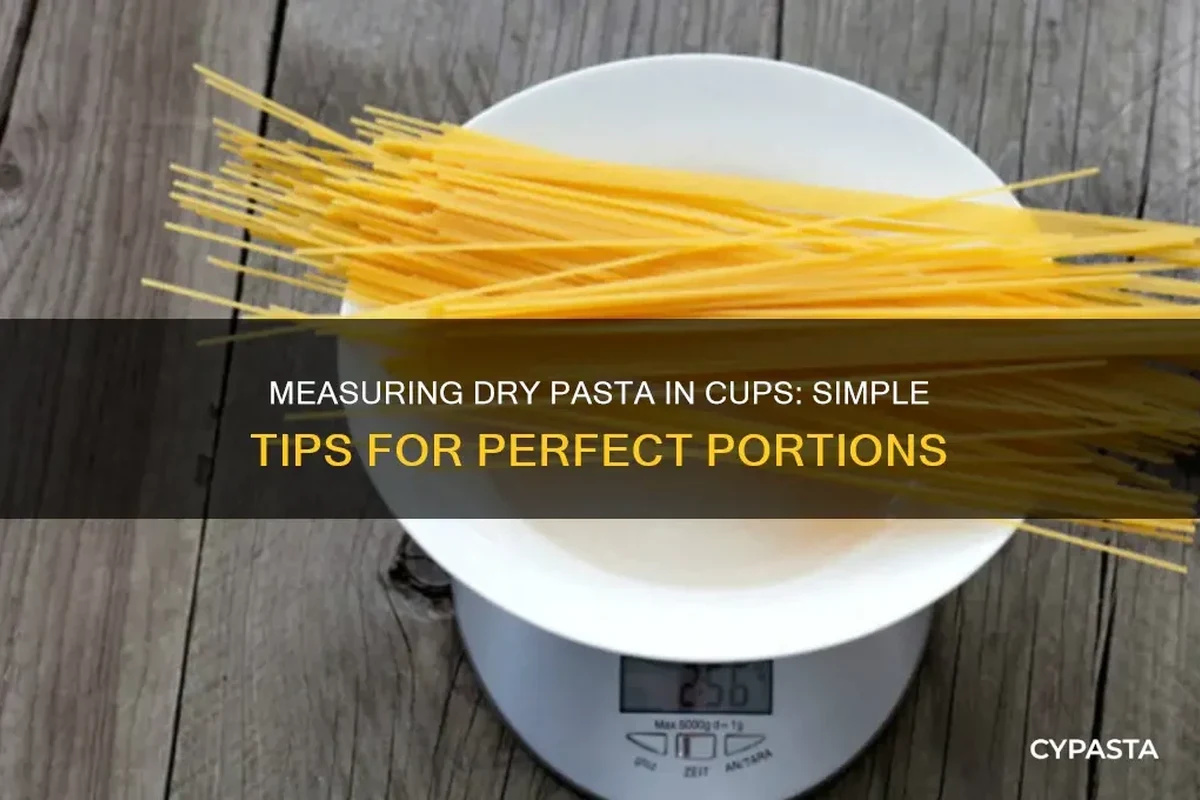
Volume tells you how much space pasta takes up. Weight tells you how much the pasta actually weighs.
Those two things are related, but they are not the same. That is the main reason pasta can feel tricky to measure.
Why a cup is not always the same as an ounce
A cup measures space. An ounce measures weight. A cup of feathers and a cup of rice do not weigh the same, and pasta works the same way.
Dry pasta also has gaps between pieces. The gaps change the final weight in the cup.
How shape, size, and cut affect the count
Thin pasta, like angel hair, settles differently than wide noodles. Short pasta pieces also stack and shift in a cup.
Broken pasta can throw off the count even more. The smaller the pieces, the easier they pack together.
Many dry pasta boxes list servings by weight, not by cups. That’s because weight gives a more reliable portion size.
Why kitchen scales give the best result
A kitchen scale removes the guesswork. You measure the pasta by weight, so the result stays steady from one shape to another.
This helps a lot with meal prep, sauces, and recipes that need the same result every time.
Dry Pasta Cup Chart by Common Shapes
Use this as a practical guide, not a strict lab rule. The numbers below are common kitchen estimates.
| Option | Best For | Key Consideration |
|---|---|---|
| Long pasta | Quick portioning | Shape and packing change the weight |
| Short pasta | Everyday cooking | More even cup-to-weight results |
| Small pasta | Soups and sides | Can pack tightly in a cup |
Spaghetti, linguine, and other long pasta
Long pasta is the hardest to measure by cup. The strands can line up loosely or break and settle more tightly.
A common kitchen estimate is that 1 cup of long dry pasta weighs around 2 ounces. But the result can shift if the strands are broken or bent.
- Use a pasta measure tool for long noodles when possible.
- Do not shake the cup hard, or the pasta will settle more.
- Measure the same way each time for steadier results.
Short pasta like penne, rotini, and elbows
Short pasta is easier to measure because the shapes are more even. Many cooks find it closer to the “2 ounces per cup” rule.
Still, the exact count depends on the shape. Elbows, shells, and rotini can all sit in the cup a little differently.
Small pasta like orzo and ditalini
Small pasta can pack down more than you expect. That means a cup may hold more weight than a cup of long noodles.
This matters most in soups and baked dishes. If you add too much, the dish can turn starchy or dry.
Small pasta can overflow fast if you scoop carelessly. Level the cup gently so you don’t add too much.
How to Measure Dry Pasta the Right Way
The best method depends on how exact you need to be. For a quick dinner, cups are fine. For a recipe with tight portions, a scale is better.
Using measuring cups for quick meals
Pour the pasta into the cup without pressing it down. Then level the top with a straight edge or your finger.
Try to use the same cup each time. That keeps your portions more consistent from meal to meal.
Fill the cup without packing the pasta down.
Remove extra pasta so the cup is even.
If needed, note the result for next time.
Using a kitchen scale for better accuracy
Set a bowl on the scale and tare it to zero. Then add pasta until you reach the weight your recipe wants.
This is the most reliable method for dry pasta. It also helps when you cook different shapes in the same week.
Keep your scale on a flat, dry surface. Wipe up spills right away so the surface stays safe and easy to read.
How to portion pasta for one, two, or a family
For one person, a small measured portion can work well with a light sauce or side dish. For two people, doubling the same amount is usually simple.
For families, weigh or measure all portions at once. That saves time and helps keep servings even.
Best when you want a small, exact portion.
Best when you want faster prep and even bowls.
When a Cup Measure Works and When It Does Not
Cups are useful for everyday cooking. They are fast, simple, and already in most kitchens.
But they are not the best choice for every job. Some recipes need tighter control.
Best uses for home cooking and simple recipes
Cups work well for weeknight pasta, soup, and casual meals. They also work when the sauce is flexible.
If the dish has room for a little extra or less pasta, a cup is usually good enough.
Limits for meal prep and strict recipes
Meal prep needs repeatable portions. So do recipes with fixed sauce ratios or calorie goals.
In those cases, a scale gives better control. It also makes shopping and batch cooking easier.
Why restaurant portions can look different
Restaurant plates often use larger portions than home cooks expect. They may also weigh pasta after cooking, not before.
That’s why a restaurant serving can look bigger than your measured cup at home.
Common Mistakes People Make with Dry Pasta
Most pasta measuring mistakes come from rushing. A few small habits can change the result a lot.
Packing pasta too tightly
Pressing pasta into the cup adds more weight than you may want. This is one of the most common mistakes.
Instead, let the pasta fall in loosely. Then level it off gently.
Confusing dry weight with cooked weight
Dry pasta absorbs water while it cooks. That means the weight changes a lot.
If a recipe says 2 ounces dry, do not swap in 2 ounces cooked. The results will not match.
Guessing portions from box labels alone
Box labels help, but they do not always match your shape or your measuring method. Some labels use dry weight, while others describe servings in a different way.
Always read the package closely. When in doubt, weigh the pasta.
The pasta looks right, but the dish comes out too dry or too heavy.
Check whether you measured by cup, by weight, or by cooked amount. Then use the same method next time.
Tips for Better Pasta Measuring and Storage
Good measuring starts with good storage. Dry pasta should stay clean, dry, and easy to scoop.
Keep pasta dry and sealed
Store pasta in a sealed container or the original package. Moisture can make it clump or soften before cooking.
That can make measuring less accurate and cooking less even.
Use tools that fit your cooking style
If you cook pasta once a week, cups may be all you need. If you cook often, a scale can save time and reduce waste.
Special pasta tools can help too, especially for long noodles and portions for two.
- Choose a scale if you want repeatable portions.
- Choose cups if you want fast, simple prep.
- Check that your storage keeps pasta dry.
Save money by reducing waste
Measuring pasta well helps you cook only what you need. That means fewer leftovers that go uneaten.
It also helps you avoid opening extra boxes or making more sauce than needed.
Final Recommendation: The Best Way to Measure Dry Pasta in 2026
In 2026, the best method still depends on your kitchen habits. Cups are fine for fast, casual cooking. A scale is better when you want accuracy.
Who should use cups
Use cups if you want a quick answer and you cook simple meals. They are easy, cheap, and already familiar.
They also work well when a recipe is forgiving.
Who should use a scale
Use a scale if you meal prep, follow strict recipes, or want steady portions. It gives the most reliable result for dry pasta.
It also helps when you switch between pasta shapes.
Simple closing advice for everyday cooks
If you just need a practical answer, start with 2 ounces per cup as a rough guide. Then adjust based on the pasta shape and the recipe.
For the most reliable result, weigh the pasta. That small habit makes dinner easier and cuts down on guesswork.
- Many dry pastas are close to 2 ounces per cup.
- Shape, size, and packing change the real count.
- Scales give the best accuracy for recipes and meal prep.
- Cups work well for fast, everyday cooking.
Frequently Asked Questions
Not always. Many dry pasta shapes are close to 2 ounces per cup, but the exact weight changes with shape and how tightly the pasta sits.
Different shapes leave different amounts of air in the cup. Long noodles, short pasta, and small pasta all pack in different ways.
Use cups for quick home cooking. Use a kitchen scale when you want the most accurate and repeatable result.
That depends on appetite and the recipe, but a small measured portion often works well for one serving. A scale gives the best control if you want the same amount each time.
Yes, but the weight may not match exactly. Spaghetti and penne settle differently, so the cup can hold a different amount of each.
Packing the pasta too tightly is a common mistake. Another big one is mixing up dry weight with cooked weight.