Is Gnocchi a Pasta The Truth You Need to Know

Gnocchi is usually served like pasta, but it is closer to a dumpling than classic pasta. For most home cooking, treat it like pasta for sauce and serving, but cook it more gently.
Yes, gnocchi is often treated like pasta, but it is not classic pasta in the strict sense. It sits in a gray area between pasta, dumpling, and potato dough, which is why people keep asking the question.
That matters in the kitchen. Once you know what gnocchi really is, you can pick the right sauce, avoid mushy results, and choose the best version for your meal.
- Bottom line: Gnocchi is pasta-like, but not classic pasta.
- Texture matters: Gnocchi is softer and cooks faster than most pasta.
- Best sauces: Light sauces, butter, sage, pesto, and simple tomato work well.
- Buying tip: Check ingredients, allergens, and storage instructions before you buy.
Is Gnocchi a Pasta? The Short Answer and Why It Matters
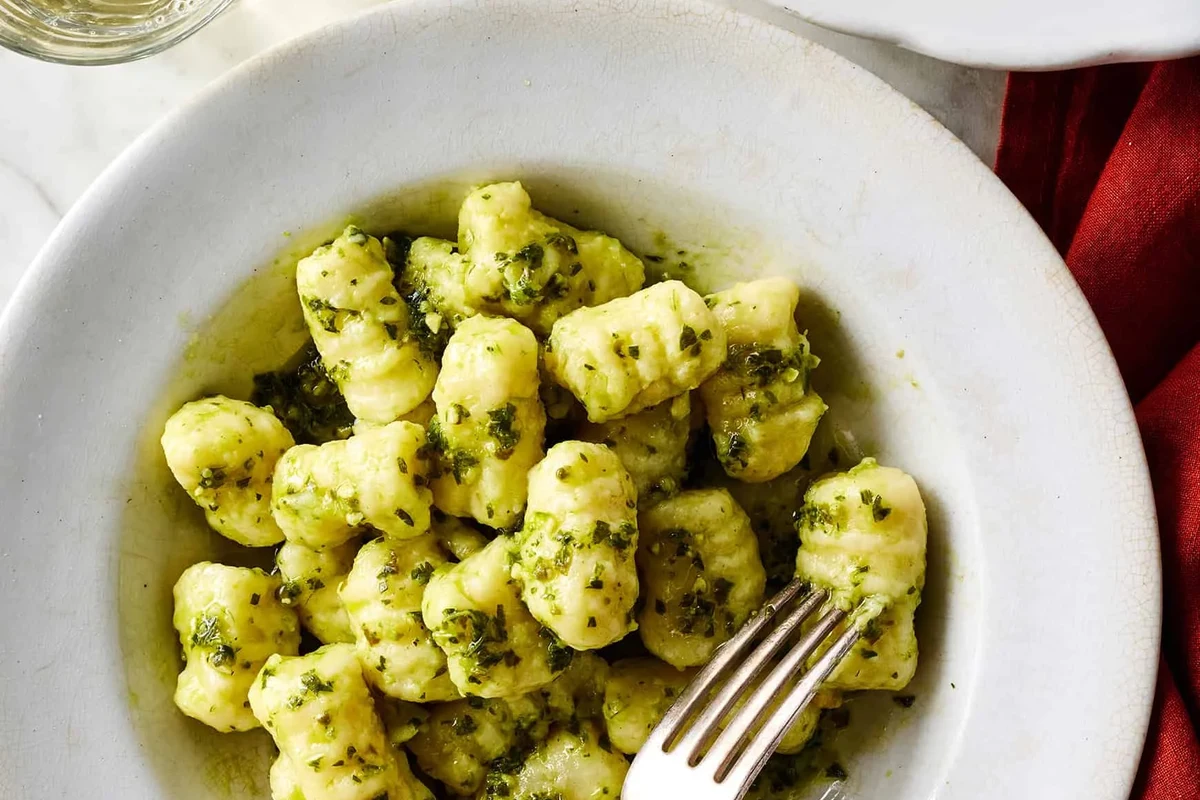
The short answer is this. Gnocchi is usually served like pasta, but many cooks and food writers do not call it true pasta.
Traditional pasta starts with wheat flour and water or eggs. Gnocchi often starts with potatoes, cheese, or other mashable ingredients.
What gnocchi is in plain terms
Gnocchi are small dough pieces that cook fast and taste soft and tender. The most common kind uses potato, flour, and sometimes egg.
Think of them as little pillows. They are heavier and softer than most dried pasta shapes.
The word gnocchi refers to a broad family of dumpling-like doughs, not just one recipe.
Why people confuse gnocchi with pasta
The confusion makes sense. You usually boil gnocchi, top it with sauce, and serve it in a pasta bowl.
It also shows up near pasta in grocery stores. For busy home cooks, that makes it feel like another pasta shape.
Quick answer for home cooks and shoppers
If you are cooking dinner, you can treat gnocchi like pasta for sauce and serving ideas. Still, you should cook it more gently than many pasta shapes.
If you are shopping, read the label. Some products use potato, some use wheat, and some use both.
Different brands can use different recipes. Always check the ingredient list if you need gluten-free, egg-free, or vegan options.
Gnocchi vs Pasta: Key Differences in Ingredients and Texture
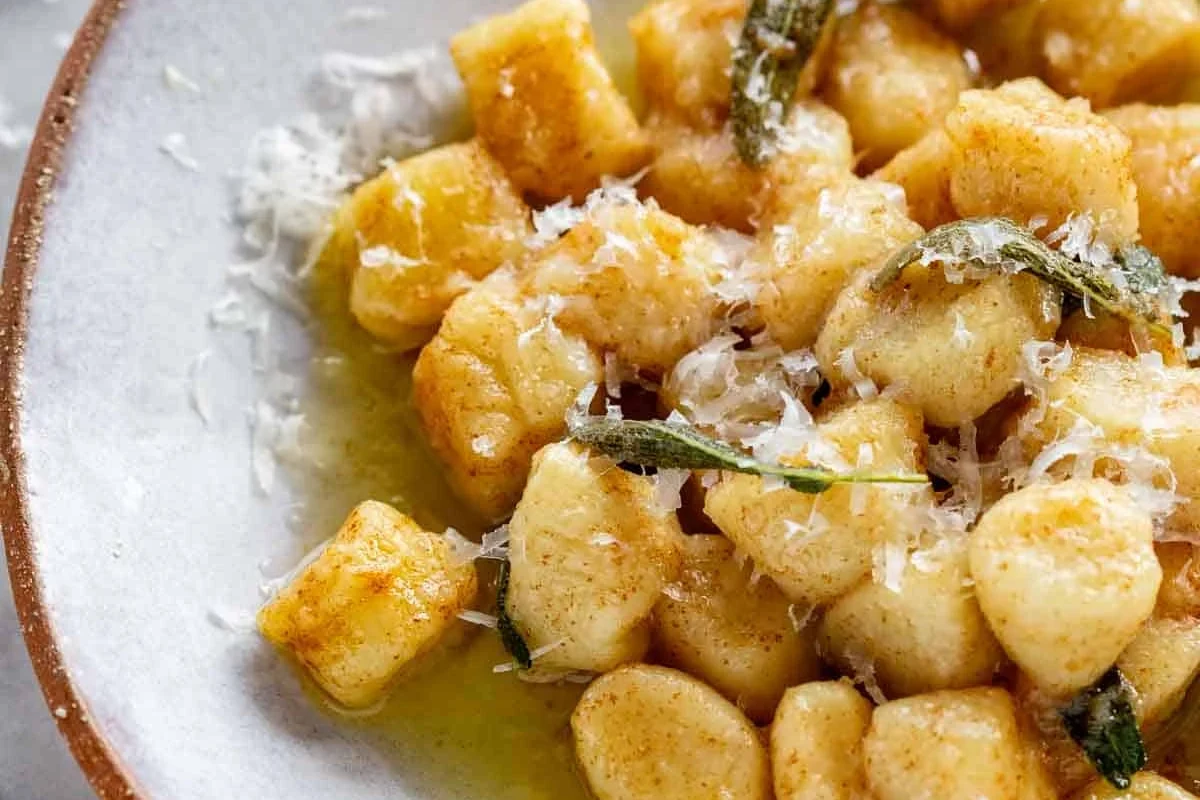
The biggest difference is the dough. Pasta dough aims for chew and structure, while gnocchi aims for softness and lightness.
That difference changes how they cook, how they feel in your mouth, and which sauces work best.
Traditional pasta ingredients and dough structure
Classic pasta usually uses wheat flour, semolina, water, and sometimes eggs. The dough gets kneaded until it becomes smooth and elastic.
That gluten structure gives pasta its bite. It helps noodles hold their shape during boiling and tossing.
Classic gnocchi ingredients and common add-ins
Classic potato gnocchi uses cooked potatoes, flour, and often egg. Ricotta gnocchi uses ricotta cheese instead of potatoes.
Some recipes add spinach, pumpkin, herbs, or cheese. Those extras change flavor and texture, but the goal stays the same. You want a light, tender bite.
Built for chew, stretch, and a firm bite after boiling.
Built for softness, lightness, and a quick cook time.
How texture, shape, and cooking style set them apart
Pasta comes in many shapes, from long strands to tubes and shells. Gnocchi is usually small, soft, and shaped by hand or with a fork.
Pasta needs more water and more careful timing for al dente texture. Gnocchi cooks fast and can turn heavy if you overwork it.
How Gnocchi Is Made and How It Cooks
Gnocchi is simple in theory, but the details matter. Small changes in moisture or flour can change the final texture a lot.
That is why homemade gnocchi can feel tricky at first. Once you learn the basics, though, it becomes very manageable.
Basic gnocchi dough and shaping steps
Most gnocchi starts with cooked potatoes or ricotta. You mix in flour just until the dough holds together.
Then you roll the dough into ropes and cut it into small pieces. Many cooks press each piece with a fork to make ridges.
Flour
Egg, if the recipe calls for it
Bench scraper or knife
Fork for shaping
Boiling, pan-searing, and baking methods
Boiling is the classic method. Drop the gnocchi into salted water and wait for it to float.
You can also pan-sear cooked gnocchi for a crisp outside. Some recipes bake gnocchi in sauce, which gives it a softer, casserole-like feel.
If you want better browning, dry boiled gnocchi before pan-searing. A dry surface helps it crisp faster.
How to tell when gnocchi is done
Most boiled gnocchi is done when it floats. Give it a short extra minute, then lift it out with a slotted spoon.
Do not wait too long. Overcooked gnocchi can fall apart or turn gummy.
Always follow the package directions for store-bought gnocchi. Cooking times can vary by brand and dough style.
Types of Gnocchi You’ll See in Stores and Recipes
Not all gnocchi tastes or cooks the same. The ingredient base changes the texture, flavor, and best use in the kitchen.
Potato gnocchi
Potato gnocchi is the most common style. It has a mild taste and a soft, pillowy texture.
This version works well with butter, sage, tomato sauce, and cheese. It is the one most people mean when they say gnocchi.
Ricotta gnocchi
Ricotta gnocchi is lighter and often smoother than potato gnocchi. It usually feels a little more delicate on the plate.
It can be a smart choice when you want a softer bite. It also works well with simple sauces that do not overpower it.
Cauliflower, pumpkin, and gluten-free versions
Cauliflower gnocchi and pumpkin gnocchi are popular modern versions. They often have more flavor, but the texture can change a lot by brand or recipe.
Gluten-free gnocchi may use rice flour, corn flour, or other starches. These versions can be helpful for some diets, but they may cook and brown differently.
Freezer and shelf-stable gnocchi can behave differently from fresh gnocchi. Check the package for the best cooking method.
When Gnocchi Works Best in the Kitchen
Gnocchi shines when you want comfort food with a soft, rich feel. It is not the best match for every sauce or every meal.
That is part of its charm. It gives you a different result than regular pasta without much extra effort.
Best sauces for gnocchi
Gnocchi usually pairs best with sauces that coat, not drown, the dough. Butter, sage, cream, pesto, and light tomato sauce are all strong choices.
Chunky sauces can work too, but keep the pieces small. Heavy sauces may hide the delicate texture.
- Use a light hand with sauce.
- Finish with cheese or herbs for extra flavor.
- Brown cooked gnocchi for a richer taste.
When gnocchi is a better choice than pasta
Choose gnocchi when you want a softer, more filling dish. It works well for cozy dinners and rich sauces.
It also makes a nice change when you are bored of noodles. For example, a skillet of browned gnocchi with butter and spinach feels simple but special.
When regular pasta is the smarter pick
Choose regular pasta when you want more chew and a cleaner sauce-to-noodle balance. Pasta also tends to be easier for large batches.
If you need something sturdy for a big potluck or meal prep, pasta often wins. It holds up well and gives you more predictable results.
You want comfort and softness
Gnocchi fits rich sauces and cozy meals.
You want chew and flexibility
Regular pasta is easier for many everyday dishes.
Common Gnocchi Mistakes and How to Avoid Them
Most gnocchi problems come from dough handling, not from the cooking pot. A light touch usually gives the best result.
Using too much flour
Too much flour makes gnocchi dense and heavy. It can also make the dough taste dry and bland.
Add flour slowly and stop when the dough just comes together. A soft dough is often better than a stiff one.
Overmixing the dough
Overmixing can make gnocchi tough. It also warms the dough and can make it harder to shape cleanly.
Mix only until the ingredients combine. Think gentle, not aggressive.
Overcooking or crowding the pot
Gnocchi cooks fast, so timing matters. If you leave it in too long, it can fall apart.
Do not crowd the pot. Cook in batches if needed so the pieces have room to move.
- Use light pressure when mixing and shaping.
- Cook in plenty of water.
- Remove gnocchi as soon as it floats and firms slightly.
- Adding flour until the dough feels dry.
- Kneading like bread dough.
- Leaving cooked gnocchi in hot water too long.
Nutrition, Cost, and Value: Is Gnocchi Worth Buying?
Gnocchi can be a good value when you want a fast, filling meal. Still, the nutrition and cost vary a lot by recipe and brand.
That is why it helps to read the label instead of guessing based on the name alone.
Calories, carbs, and ingredient quality
Gnocchi is usually carb-heavy because it often contains potatoes, flour, or both. Some versions also include cheese or other rich ingredients.
Ingredient quality matters. A short ingredient list often signals a simpler product, but it does not guarantee better taste.
Store-bought vs homemade value
Store-bought gnocchi saves time and reduces prep work. It is a practical choice for weeknights.
Homemade gnocchi takes more effort, but you control the texture and ingredients. That can be worth it if you enjoy cooking from scratch.
Fast and convenient, with quality that varies by brand
More hands-on, with better control over texture and flavor
What to check on the label before you buy
Look at the ingredient list first. Check for wheat, eggs, dairy, or other allergens if that matters for your household.
Also check storage instructions. Some gnocchi lives in the pantry, while other types need refrigeration or freezing.
- Ingredient list and allergens
- Storage method
- Cooking directions
- Diet fit, such as gluten-free or vegan needs
Final Verdict: Should You Treat Gnocchi Like Pasta?
Yes, in everyday cooking, you can treat gnocchi like pasta for serving, sauce pairing, and meal planning. But it cooks more like a soft dumpling than a firm noodle.
If you want a cozy, quick, and satisfying dish, gnocchi is a great pick. If you want a chewy base or a sauce that needs more structure, regular pasta is the better choice.
Best use cases for everyday cooking
Use gnocchi for quick dinners, creamy sauces, and comfort food bowls. It also works well when you want a small twist on a pasta night.
Use pasta when you need something sturdy, familiar, and easy to scale up. That is the simple rule I’d use in most home kitchens.
Simple recommendation from the Red Kitchen Project Editorial Team
Our take is straightforward. Treat gnocchi as pasta’s close cousin, not as classic pasta itself.
That view helps you cook it better and buy it smarter. In short, gnocchi belongs in the pasta aisle of your meal plan, even if it does not fit the strictest pasta label.
Gnocchi works like pasta in most home meals, but its dough and texture set it apart. Choose gnocchi for soft comfort food, and choose regular pasta when you want more chew and structure.
Frequently Asked Questions
Gnocchi is often served like pasta, but it is not classic pasta in the strict sense. It is closer to a small dumpling made from potato, flour, or ricotta.
Most gnocchi uses potatoes and flour, and some recipes add egg. Ricotta, pumpkin, cauliflower, and gluten-free versions are also common.
Boiled gnocchi is usually done when it floats to the top. Let it cook briefly after floating, then remove it before it gets too soft.
Light sauces work best, such as butter and sage, pesto, cream, or a simple tomato sauce. Heavy sauces can hide the soft texture.
It depends on the recipe and portion size. Gnocchi and pasta can both be part of a balanced meal, but ingredients and sauces change the nutrition a lot.
Choose gnocchi if you want a soft, cozy dish with quick cooking. Choose regular pasta if you want more chew, more structure, and easier batch cooking.