How Many Cups Is 8 Oz of Dry Pasta A Simple Guide

Eight ounces of dry pasta is usually about 2 cups, but the exact amount depends on the shape. A kitchen scale gives the most accurate result.
If you’re asking how many cups is 8 oz of dry pasta, the short answer is usually about 2 cups for short pasta and a little more or less for other shapes. The exact amount changes with the pasta shape, so weight is the safest way to measure.
- Most common estimate: 8 ounces of dry pasta is usually about 2 cups.
- Best accuracy: Weigh pasta on a kitchen scale, not by eye.
- Shape matters: Long pasta and short pasta can measure differently.
- Cooked volume changes: Dry pasta expands a lot after boiling.
- Easy shortcut: Use loose, level cups if you do not have a scale.
How Many Cups Is 8 Oz of Dry Pasta? The Quick Answer
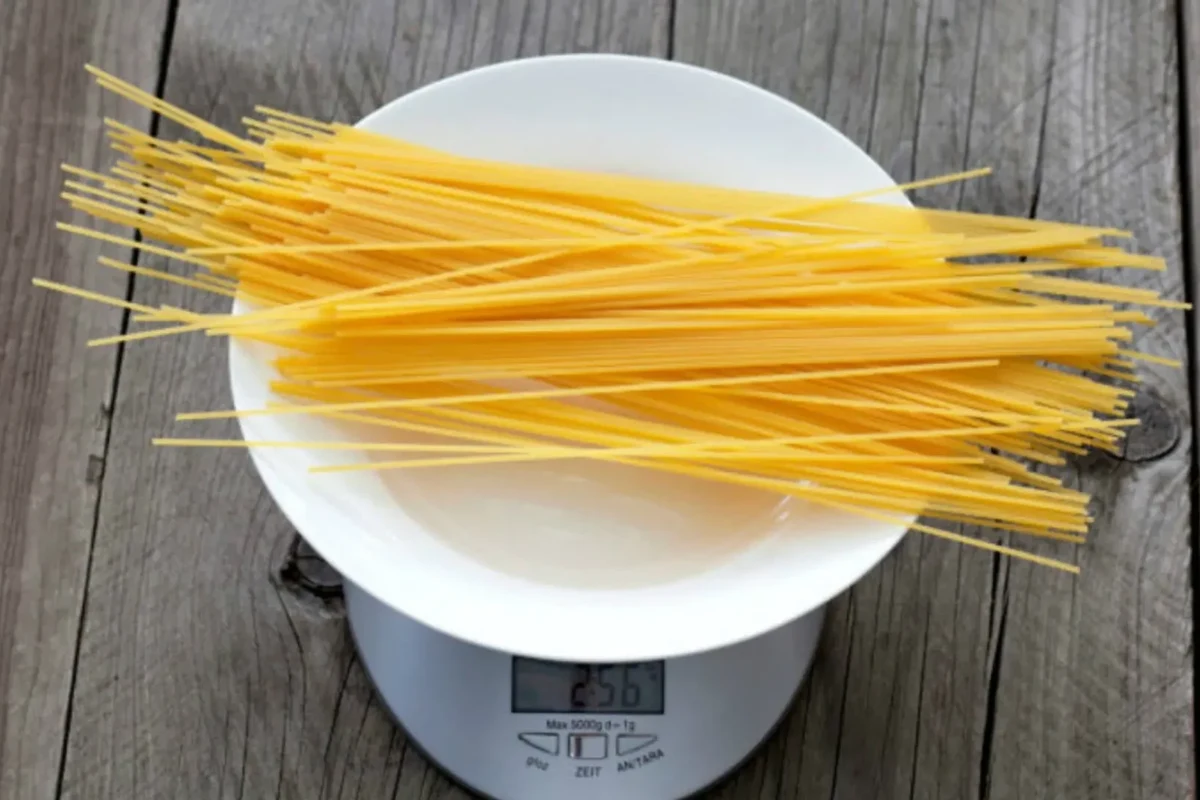
Eight ounces of dry pasta is not one fixed cup count. For many common short pastas, 8 ounces is close to 2 cups. For long pasta, the number can shift because the pieces fit differently in a cup.
That is why pasta boxes often list weight instead of cups. Weight stays steady. Cup volume does not.
The cup count changes by shape, breakage, and how loosely the pasta sits in the cup.
Why the answer changes by pasta shape
Different pasta shapes leave different amounts of air in the measuring cup. Small shapes like elbows or shells pack more tightly. Long shapes like spaghetti trap more air and often measure less neatly.
Think of it like filling a jar with sticks or with beans. The same jar can hold very different amounts by weight.
What 8 ounces means in dry pasta measurements
In dry pasta, 8 ounces means weight, not volume. It equals half a pound. That is the amount listed on many recipes and pasta packages.
For most home cooks, 8 ounces of dry pasta makes about 2 to 4 servings. The final yield depends on the sauce, the meal, and appetite.
How Dry Pasta Converts from Ounces to Cups
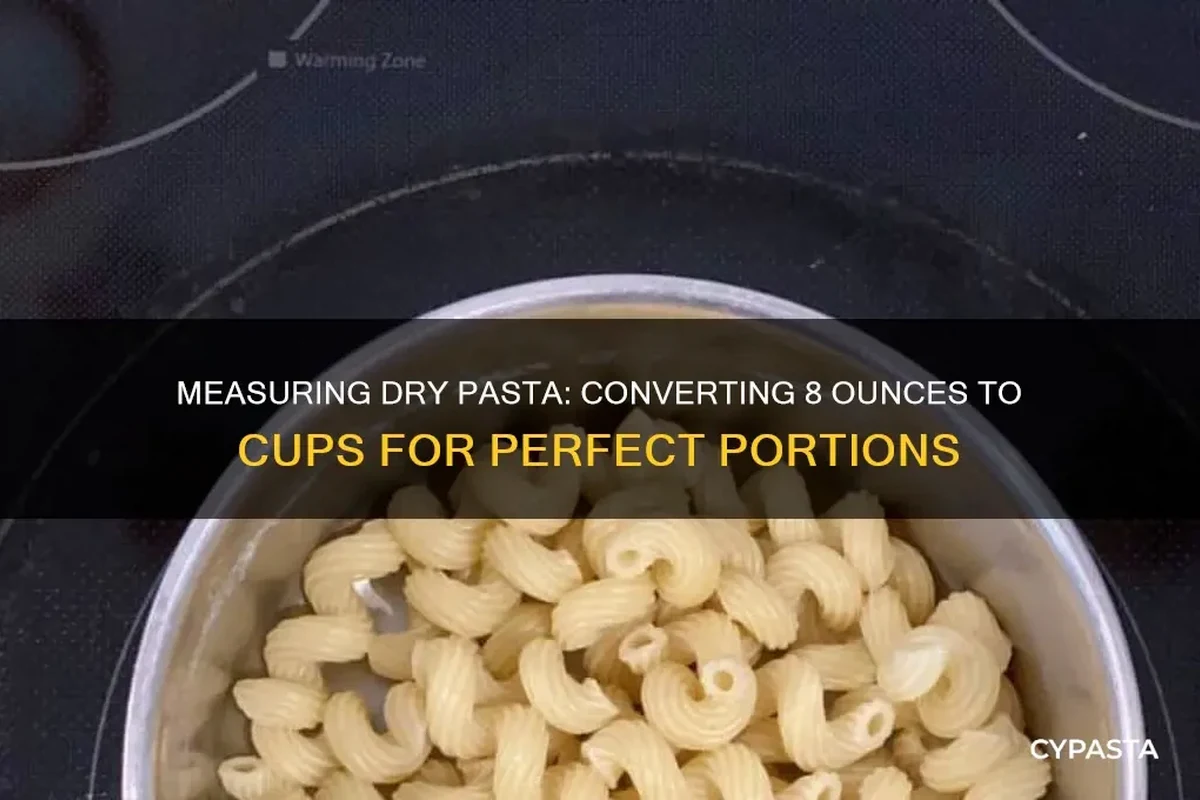
Dry pasta conversions are helpful, but they are only estimates. A cup is a volume measure. Ounces for pasta usually mean weight. Those two things do not match perfectly.
Why weight is more exact than volume
Weight gives you the same amount every time. Volume changes with how the pasta settles. If you shake the cup, you can fit more in. If you spoon it in lightly, you can fit less.
That is why a kitchen scale is the best tool when a recipe asks for 8 ounces. It removes guesswork and helps keep results steady.
How pasta shape, size, and cut affect the cup count
Shape matters a lot. Short pasta usually measures more predictably in cups. Long pasta can vary more because strands cross and bend.
Broken pieces also change the result. A cup of broken spaghetti will not match a cup of whole spaghetti. The same goes for wide noodles and small pasta cuts.
Common cup estimates for long pasta and short pasta
Here are simple, useful estimates for 8 ounces of dry pasta:
- Long pasta like spaghetti: about 2 cups, sometimes a bit less or more.
- Short pasta like penne or rotini: about 2 cups.
- Small shapes like elbows: about 2 cups, sometimes slightly under.
- Very airy shapes or wide noodles: can drift from the 2-cup mark.
Many pasta brands use 2 ounces as a single serving guide for dry pasta.
Best Ways to Measure 8 Oz of Pasta at Home
The best method depends on what you have in your kitchen. A scale gives the cleanest answer. Measuring cups work well enough for many everyday meals.
Using a kitchen scale for the most accurate result
A kitchen scale is the easiest way to measure 8 ounces of dry pasta. Put a bowl on the scale. Zero it out. Add pasta until the display reads 8 ounces.
This works well for any shape. It also helps when you cook from different brands. Some pasta shapes are dense. Others are light and airy. A scale handles both.
Using measuring cups when you do not have a scale
If you do not own a scale, use dry measuring cups and keep the pasta loose. Do not press it down. Spoon it in or pour it in gently, then level the top.
For many short pastas, 8 ounces is close to 2 cups. For long pasta, you may need to judge by package size or use a bundle guide.
When using cups, measure pasta the same way each time. That keeps your results more consistent.
Using pasta portions and simple hand guides
You can also use simple portion guides. For long pasta, a serving is often close to a bundle about the width of a quarter. Two servings, or 8 ounces, are roughly twice that amount.
For short pasta, a loose 2-cup measure is a practical stand-in. It is not perfect, but it works for weeknight cooking.
What 8 Oz of Dry Pasta Looks Like in Real Cooking
Eight ounces may look small in the package, but it can make a fair amount of food after cooking. Pasta absorbs water and grows a lot in size.
How many servings you can expect
Eight ounces of dry pasta usually gives you about 2 to 4 servings. If pasta is the main dish, it may serve 2 people well. If it is a side dish, it can stretch farther.
The sauce matters too. A rich sauce can make a smaller pasta portion feel more filling. A light sauce may call for a bit more pasta.
How cooked pasta volume changes after boiling
Dry pasta expands as it cooks. The exact change depends on shape and how long you boil it. Most pasta roughly doubles or more in volume.
That means 8 ounces of dry pasta can become a large bowl of cooked pasta. It may look like much more food than it did dry.
When 8 ounces is enough and when you may need more
Eight ounces is often enough for a simple dinner for two. It can also work for a side dish for four. For hungry eaters or sauce-heavy meals, you may want more.
If you are serving pasta with lots of vegetables, meat, or bread, 8 ounces may be just right. If pasta is the star, you may want to scale up.
Common Pasta Measurement Mistakes to Avoid
Small measuring mistakes can change the final dish more than you expect. Pasta is forgiving, but it still helps to measure it the right way.
Confusing dry pasta with cooked pasta
Dry pasta and cooked pasta are not measured the same way. A cup of dry pasta is far denser than a cup of cooked pasta. If a recipe says 8 ounces dry, do not swap in a cooked amount.
This mix-up is one of the most common kitchen errors. It can lead to too much or too little pasta.
Measuring packed cups instead of loose cups
Do not press pasta into the cup. Packed pasta gives you more than a loose cup. That can throw off the recipe fast.
Keep the pasta light in the cup. Level it off gently. That is the most useful way to measure without a scale.
Guessing by eye with different pasta shapes
Guessing works poorly when the shape changes. A cup of thin spaghetti does not look like a cup of shells. The shape changes how the pasta settles.
If you switch brands or shapes often, a scale saves time and stress. It gives you a steady result every time.
Always follow package directions and recipe notes for boiling time, salt, and sauce pairing.
Practical Tips for Better Pasta Results
Good pasta cooking is about more than the measurement. The amount you cook should fit the sauce, the meal, and the people at the table.
How to match pasta amount to sauce and recipe style
Thick sauces coat pasta well, so a smaller amount can feel satisfying. Light sauces often need a little more pasta to feel complete. Baked pasta dishes may also need extra because they hold sauce and cheese.
For a simple dinner, match the pasta to the sauce first. Then decide if you want a main dish or a side.
How to adjust portions for one, two, or four people
For one person, 2 to 4 ounces of dry pasta is often enough. For two people, 8 ounces is a common starting point. For four people, you may need 12 to 16 ounces, depending on the rest of the meal.
These are starting points, not hard rules. Bigger appetites need more. Light meals need less.
Simple ways to keep pasta cooking consistent
Use the same measuring method each time. Keep your cup level. Stir the pasta while it cooks so it does not stick together.
Also, check doneness near the end of the cook time. Pasta should taste tender but still have a little bite if the recipe calls for it.
- Weigh pasta when you want repeatable results.
- Use loose cups, not packed cups, if you measure by volume.
- Start with 8 ounces for two people, then adjust for appetite.
Tools, Cost, and Value for Accurate Pasta Measuring
You do not need fancy gear to measure pasta well. Still, the right tool can make dinner easier and more reliable.
Kitchen scale vs measuring cups
A kitchen scale is the most accurate tool for dry pasta. Measuring cups are cheaper and already in many kitchens. The scale wins on precision. The cups win on speed and simplicity.
If you cook pasta often, a scale is usually worth it. If you cook it once in a while, cups may be enough.
Which tool gives the best value for everyday cooking
For everyday use, a scale gives the best value if you want fewer mistakes. It helps with pasta, rice, flour, and other dry foods too. That makes it a useful all-around tool.
Measuring cups still have value, especially for quick meals. Many home cooks use both.
What matters most for home cooks on a budget
If you are on a budget, start with what you already own. Use measuring cups carefully. If you can add one tool later, choose a simple kitchen scale.
That small upgrade can improve pasta, baking, and meal prep at the same time.
Final Recommendation: The Easiest Way to Measure 8 Oz of Dry Pasta
The easiest and best answer is this. Eight ounces of dry pasta is usually about 2 cups, but the exact amount depends on shape. If you want the most accurate result, weigh it.
Best method for accuracy
Use a kitchen scale. It gives you 8 ounces every time, no matter the pasta shape. That makes it the best choice for recipes that need steady results.
Best method for speed and convenience
Use measuring cups if you need a quick estimate. For many short pastas, 2 loose cups is close enough for home cooking. Just avoid packing the pasta down.
When to trust the package and when to measure yourself
Trust the package when it gives a weight amount. Measure yourself when you need a cup estimate or when you want a precise portion. If the recipe matters, the scale is the safer bet.
For most dry pasta, 8 ounces is about 2 cups, but shape can change the result. Use a scale for the best accuracy, and use loose cups when you need a fast kitchen shortcut.
- 8 oz of dry pasta is usually about 2 cups.
- Weight is more exact than volume for pasta.
- Short pasta measures more evenly than long pasta.
- A kitchen scale is the easiest accurate method.
Frequently Asked Questions
No, not always. For many short pastas, 8 ounces is close to 2 cups, but the exact amount changes by shape and how the pasta settles.
A kitchen scale is the most accurate tool. Put a bowl on the scale, zero it out, and add pasta until it reads 8 ounces.
Yes. Use dry measuring cups and keep the pasta loose, not packed. For many short pastas, 8 ounces is about 2 cups.
It usually makes about 2 to 4 servings. As a main dish, it often serves 2 people well.
Long pasta leaves more air in the cup and can bend or break. That changes the volume, even when the weight stays the same.
No. Dry pasta and cooked pasta are very different in volume. Always follow the recipe’s dry measurement if that is what it lists.