How to Make 1 Cup Tomato Sauce from Tomato Paste Fast

Mix tomato paste with water to make 1 cup of sauce fast. Simmer briefly, then season and adjust the thickness to taste.
If you need one cup of tomato sauce fast, tomato paste is the easiest shortcut. Mix it with water, add a few pantry seasonings, and simmer it briefly for better flavor.
- Ratio: Start with 1/2 cup paste and 1/2 cup water.
- Flavor: Simmer 5 to 10 minutes for a smoother taste.
- Seasoning: Add salt, herbs, and a little oil as needed.
- Uses: Works well for pasta, pizza, and baked dishes.
How to Make 1 Cup Tomato Sauce from Tomato Paste Fast
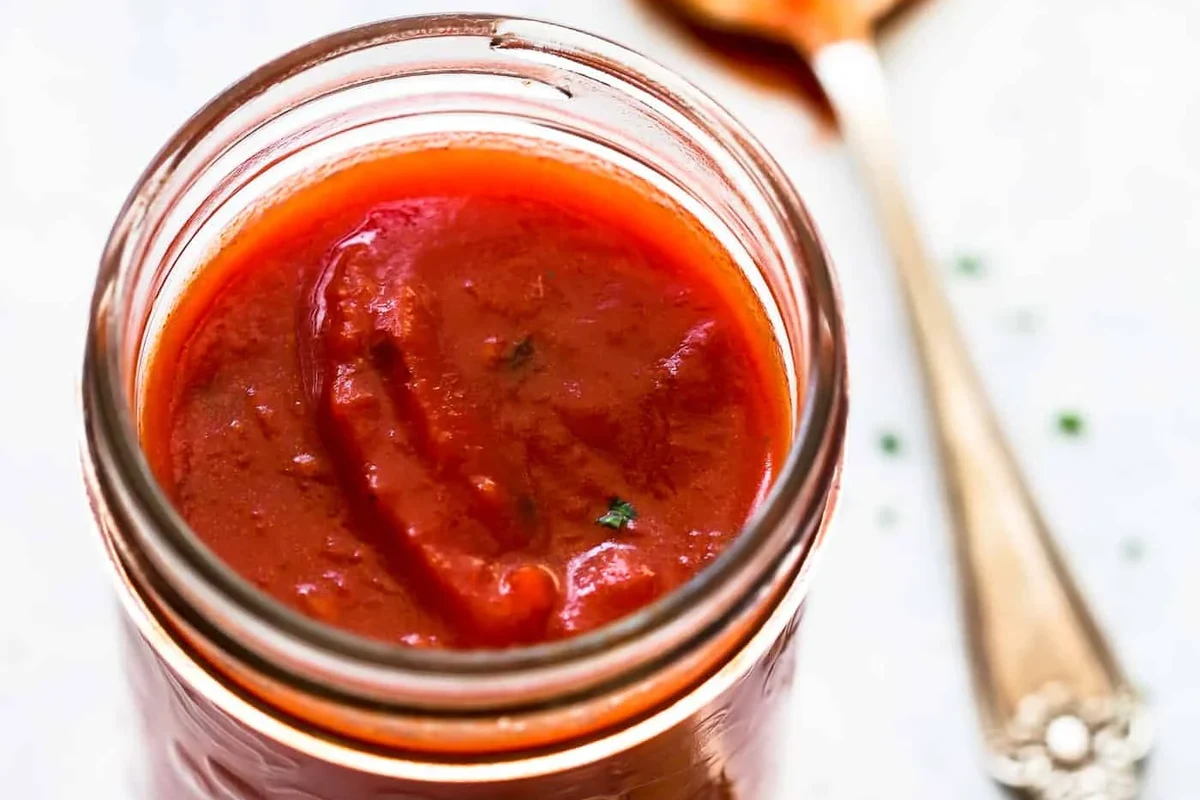
The fastest method is simple. Use tomato paste, water, and basic seasoning to make 1 cup of sauce in minutes.
The quick answer and the exact ratio
For 1 cup of tomato sauce, start with 1 part tomato paste and about 1 to 1 1/4 parts water. A good starting point is 1/2 cup tomato paste plus 1/2 cup water for a thick sauce.
If you want a thinner sauce, add a little more water. If you want a richer sauce, use less water and simmer it longer.
Why tomato paste works so well
Tomato paste gives you strong tomato flavor in a small amount. That makes it perfect when you want sauce without opening a big jar.
It also cooks fast. Since the tomatoes are already cooked down, you only need to add water and seasonings.
Tomato paste is made by cooking tomatoes down until they become very thick and rich.
Simple Ingredients and Tools You Need
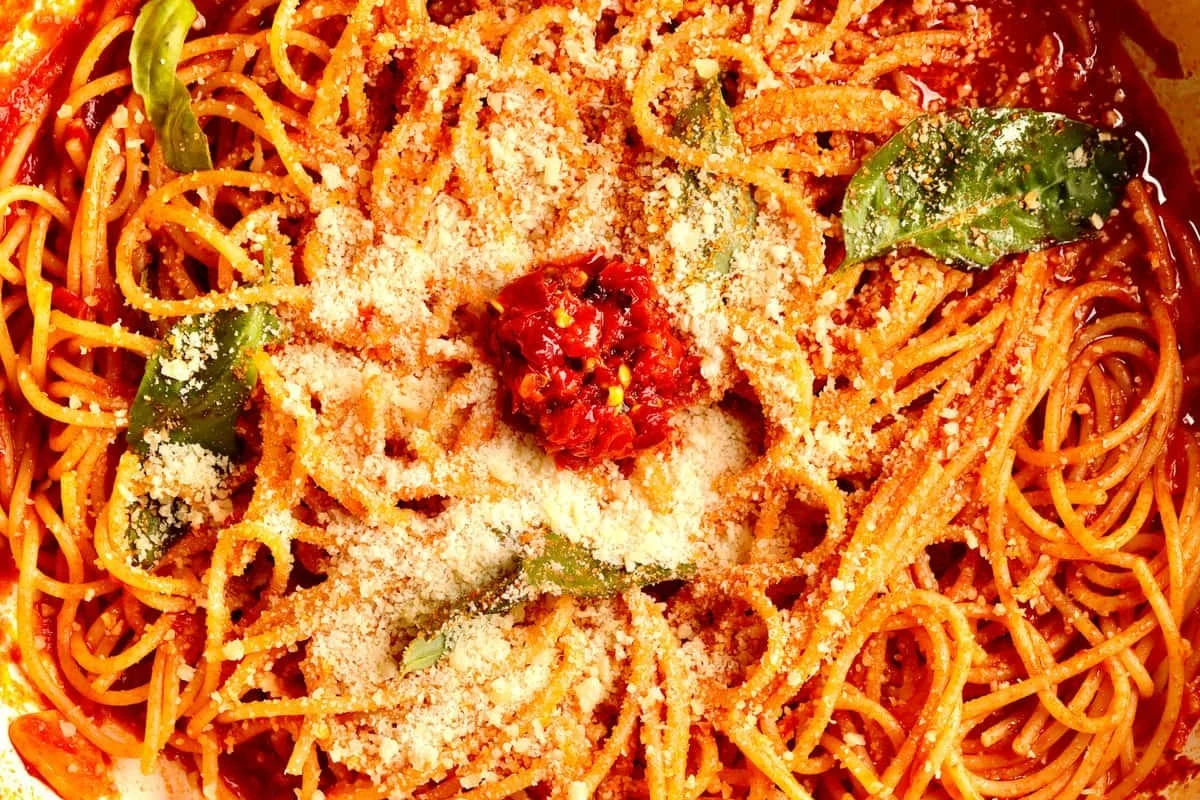
You do not need much for this recipe. Most kitchens already have everything on hand.
Basic pantry items for a smooth sauce
Use plain tomato paste if you can. A small pan or saucepan helps the sauce heat evenly.
Optional seasonings for better flavor
These extras can make the sauce taste more like a slow-cooked version:
- Garlic powder for a savory base.
- Onion powder for a mild sweet note.
- Dried basil or oregano for a classic Italian taste.
- Black pepper for a little bite.
- Red pepper flakes for gentle heat.
Keep the seasoning light at first. You can always add more later.
Salt levels vary by brand. Taste before adding too much, especially if you plan to use the sauce in a salty dish.
Step-by-Step Method for a Fast Tomato Sauce
This method gives you a quick sauce that works for pasta, pizza, and casseroles. It also stays flexible, so you can adjust it to fit your meal.
Mixing the paste with water the right way
Add 1/2 cup tomato paste to a small saucepan.
Whisk in 1/2 cup water, then add more if needed.
Keep stirring until the sauce looks even and lump-free.
Adding water slowly helps prevent clumps. It also gives you better control over the final texture.
Cooking the sauce for better taste
Set the pan over medium-low heat. Let the sauce simmer for 5 to 10 minutes, stirring now and then.
This short simmer helps the tomato taste mellow out. It also blends the seasoning into the sauce.
Hot sauce can splatter as it simmers. Keep the heat modest and stir carefully to avoid burns.
Adjusting thickness, salt, and sweetness
After simmering, check the texture. If it feels too thick, add a spoonful of water at a time.
If it tastes flat, add a pinch of salt. If it tastes sharp, add a tiny amount of sugar or honey.
For a richer sauce, stir in a small splash of olive oil. That can help the sauce feel smoother on pasta.
- Start with less water than you think you need.
- Taste after simmering, not before.
- Add seasonings in small pinches.
- Use a whisk for the smoothest texture.
How to Use This Sauce in Everyday Cooking
This quick sauce fits a lot of weeknight meals. It is handy when you want dinner moving fast.
Best pasta dishes, pizza, and casseroles
Use it with spaghetti, penne, baked ziti, or stuffed shells. It also works well as a pizza base or a layer in lasagna.
For pasta, toss the sauce with hot noodles right away. For pizza, let it cool a little so it spreads more easily.
When this quick sauce works best
This recipe is best when you need a fast, simple tomato base. It is great for busy nights and last-minute meals.
It is less ideal when you want a fresh, bright sauce with lots of chunks. In that case, canned tomatoes or a longer-cooked sauce may taste better.
Can I use this sauce straight away?
Yes, but a short simmer usually improves the taste and smooths out the paste flavor.
Benefits, Limits, and Flavor Differences
Tomato paste sauce is not fancy, but it solves a real kitchen problem. It gives you speed, control, and a low-waste option.
Why this method saves time and money
You only need a few shelf-stable ingredients. That means fewer grocery runs and less food waste.
It also helps when you do not want to open a full jar of sauce for a small meal. You can make just what you need.
- Fast to mix and cook.
- Uses common pantry items.
- Easy to scale up or down.
- Helps reduce leftover sauce waste.
How it compares with jarred sauce and canned sauce
Jarred sauce is usually more seasoned and ready to use. Canned sauce often has a lighter tomato taste and may need more seasoning.
Tomato paste sauce sits in the middle. It is thicker, richer, and easier to shape to your own taste.
- Very quick to make.
- Easy to adjust flavor.
- Good for small batches.
- Needs seasoning for best taste.
- Can taste sharp if under-simmered.
- Not as rich as a long-cooked sauce.
Common Mistakes to Avoid
Most problems come from the ratio or from skipping the simmer. A few small fixes make a big difference.
Using too much water or too little paste
If you add too much water, the sauce can taste weak. If you use too little paste, it may lose the tomato flavor you want.
Keep the paste strong enough to taste like sauce, not tomato water. That balance is the whole trick.
The sauce tastes thin and bland.
Simmer longer, then add a little more paste or a pinch of salt.
Skipping seasoning or simmer time
Raw tomato paste can taste harsh if you stop too soon. A short simmer softens that edge.
Seasoning also matters. Even a simple sauce needs salt and a little fat or herb flavor.
- Taste after the sauce has simmered.
- Add seasoning a little at a time.
- Stir often so it heats evenly.
- Boiling the sauce hard.
- Dumping in all the water at once.
- Serving it before tasting.
Storage, Safety, and Reheating Tips
Leftover sauce stores well if you cool it safely. That makes it useful for meal prep too.
How to cool, store, and reheat the sauce
Let the sauce cool a bit before moving it to a container. Use a clean, sealed container and refrigerate it soon after cooling.
To reheat, warm it gently on the stove or in the microwave. Stir well so the heat spreads evenly.
How long it keeps in the fridge or freezer
Storage time can vary by how fresh the ingredients are and how cold your fridge runs. In general, homemade sauce keeps for a few days in the fridge and longer in the freezer.
For best results, label the container with the date. If it smells off, looks strange, or shows mold, throw it out.
Do not leave cooked sauce at room temperature for long. Follow basic food-safety rules and chill leftovers promptly.
Final Recommendation for Red Kitchen Project Readers
If you need tomato sauce fast, tomato paste is a smart shortcut. It gives you a strong base, easy control, and a short cook time.
Best use cases for this quick homemade sauce
This method is best for weeknight pasta, quick pizza sauce, baked dishes, and small batches. It is also a good backup when your pantry is low.
For most home cooks, the key is simple. Start with a thick mix, simmer briefly, then taste and adjust.
When to make it and when to buy ready-made sauce
Make it when you want speed, flexibility, and less waste. Buy ready-made sauce when you want a deeper flavor with almost no prep.
Either choice can work well. The best one depends on how much time you have and how much flavor control you want.
- Use tomato paste plus water for a fast 1 cup sauce.
- Simmer briefly for better flavor and texture.
- Season lightly, then taste and adjust.
- Store leftovers safely and reheat gently.
Frequently Asked Questions
A good starting point is 1/2 cup tomato paste plus 1/2 cup water. Add a little more water if you want a thinner sauce.
You can use it right after mixing, but a short simmer improves the taste. Five to ten minutes is usually enough for a smoother flavor.
Add salt, a little olive oil, and simple herbs like basil or oregano. Taste after simmering and adjust in small steps.
Yes, it works well for both. Keep it a little thicker for pizza and toss it with hot pasta for a quick meal.
It usually keeps for a few days in the fridge if stored in a sealed container. You can also freeze it for longer storage.
If it is too thin, simmer it longer or add more paste. If it is too thick, stir in a little water until it reaches the texture you want.