What Is Miso Paste Made Of A Simple Guide

Miso paste is made from soybeans, salt, and koji, and many versions also include rice or barley. Its flavor comes from fermentation, which creates the rich savory taste cooks use in soups, sauces, and marinades.
Miso paste is made from soybeans, salt, and a starter called koji. Many versions also include rice or barley, and the mix gets its flavor from fermentation.
- Main ingredients: Soybeans, salt, and koji form the base of miso.
- Flavor changes: Longer fermentation usually means darker color and stronger taste.
- Best starter choice: White or mixed miso works well for most home cooks.
- Use carefully: Miso is salty, so taste before adding extra salt.
- Storage matters: Keep opened miso sealed and refrigerated for freshness.
What Is Miso Paste Made Of? The Short Answer

Miso paste starts with cooked soybeans. Makers mix them with salt and koji, then let the blend ferment.
Some miso uses rice or barley too. That changes the taste, color, and texture.
In short, miso is a salted, fermented paste made from beans and grain.
The Main Ingredients in Miso Paste
Most miso pastes share a few core parts. The exact mix depends on the style and maker.
Soybeans, Rice, Barley, and Salt
Soybeans give miso its body and rich, savory taste. They also help create the thick paste people use in soups and sauces.
Rice and barley show up in many types of miso. Rice often makes a milder paste. Barley can add a deeper, earthier taste.
Salt does more than season the mix. It helps control the fermentation and keeps bad microbes from taking over.
In short: the bean, grain, and salt mix shapes the final flavor.
Koji: The Starter That Makes Miso Work
Koji is a cultured grain, usually rice or barley, with helpful mold grown on it. That mold starts the break down of starches and proteins.
This step matters because it turns plain ingredients into miso. Without koji, you would not get the same savory depth.
Koji also helps make other Japanese foods, like soy sauce and sake.
How Miso Paste Is Made
Miso is made by mixing cooked soybeans with salt and koji. Then the mixture ferments for days, months, or even longer.
The process can vary by region and style. That is why miso pastes do not all taste the same.
Fermentation Time and What It Changes
Shorter fermentation usually gives a lighter taste. Longer fermentation often makes the paste darker and stronger.
During fermentation, enzymes and microbes break down the ingredients. That creates the deep umami flavor many cooks love.
Long aging can also make the salt taste more noticeable. So a little miso may go a long way.
How Color and Flavor Develop
Fresh, light miso often looks pale cream or yellow. Long-fermented miso tends to look red-brown or dark brown.
Color is not just about looks. It usually points to flavor strength and aging time.
However, color can vary by recipe and maker. Always check the label if you want a mild or bold paste.
Types of Miso Paste and How They Compare
The three common styles are white, red, and mixed miso. Each one brings a different balance of salt, sweetness, and depth.
The biggest difference is fermentation time. That changes both taste and color.
White Miso vs. Red Miso vs. Mixed Miso
Light, mild, and a bit sweet
Best when you want gentle flavor in dressings, soups, and light sauces.
VS
Dark, bold, and more savory
Best for strong soups, glazes, and marinades that need deeper flavor.
Mixed miso sits between the two. It blends styles for a middle-ground taste.
In short, white is gentler, red is stronger, and mixed lands in the middle.
Which Type Works Best for Soup, Marinades, and Sauces
| Option | Best For | Key Consideration |
|---|---|---|
| White miso | Soup, dressings, light sauces | Milder flavor can get lost in bold dishes |
| Red miso | Marinades, glazes, hearty soup | Saltier taste needs a lighter hand |
| Mixed miso | Everyday cooking | Good all-around choice for many kitchens |
What Miso Paste Tastes Like and How to Use It
Miso tastes salty, savory, and rich. Many people also notice a nutty or slightly sweet note.
It can add depth fast, even when you use a small amount. That makes it handy in busy weeknight cooking.
Simple Ways to Add Miso to Everyday Cooking
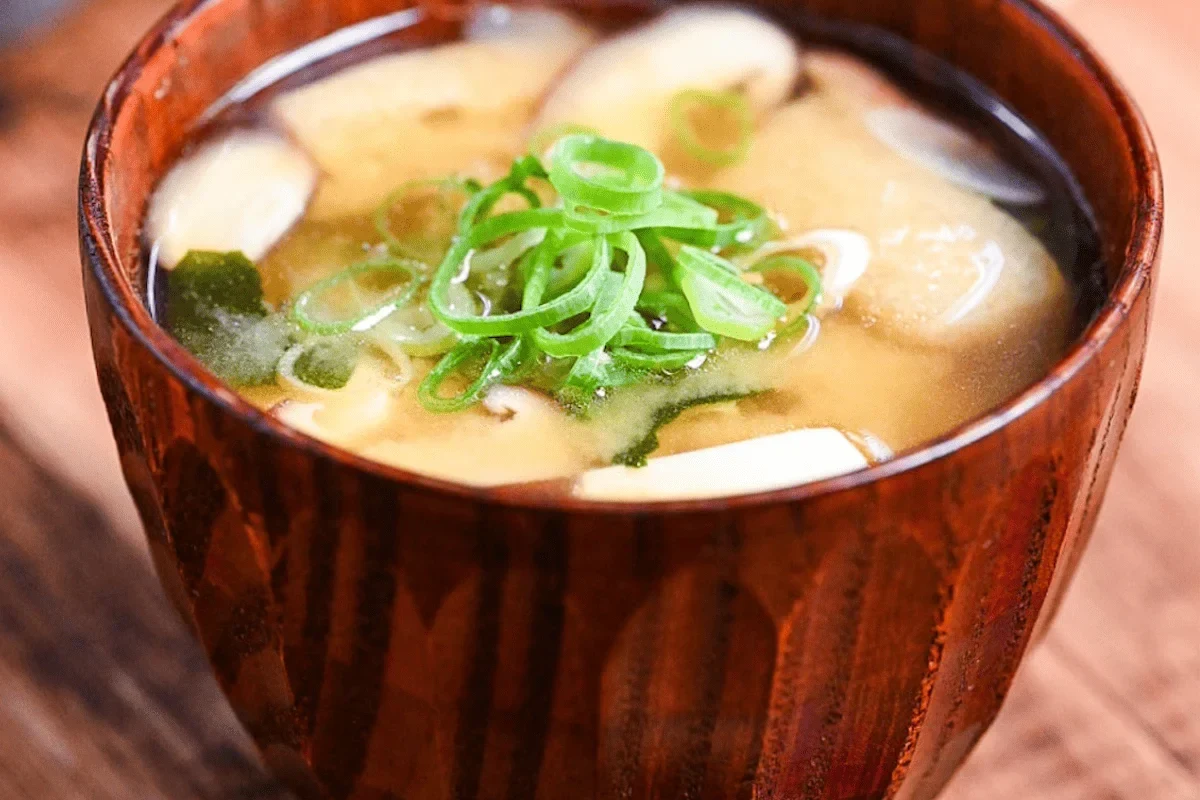
You can stir miso into soup, broth, noodles, and rice bowls. It also works in salad dressing, butter, and pan sauces.
Try it in marinades for tofu, fish, chicken, or vegetables. It can add a lot of flavor without much prep.
For example, a spoonful mixed with warm water, oil, and vinegar can become a quick dressing.
Mix miso with a little liquid first. That helps it blend smoothly and keeps lumps out of sauces.
How Much to Use So the Flavor Stays Balanced
Start small. Miso is strong, and you can always add more.
For soup, many cooks begin with a small spoonful per bowl or pot. For marinades and sauces, the right amount depends on the other salty ingredients.
Important: taste before adding extra salt. Miso already brings plenty of salt on its own.
Benefits, Limits, and Common Mistakes
People like miso because it adds a lot of flavor with very little effort. It can make simple food taste fuller and more complete.
Still, it has limits. The biggest one is salt, and heat can also affect how you use it.
Why People Like Miso Paste
Miso gives food a deep umami taste. That makes it useful when you want a richer dish without long cooking.
It also works in many styles of cooking. You can use it in Japanese dishes and in everyday home meals.
It is a flexible pantry item, which is why many cooks keep a tub in the fridge.
Common Problems Like Too Much Salt or Heat
One common mistake is adding too much miso. That can make a dish taste overly salty and heavy.
Another mistake is boiling it hard for a long time. Many cooks prefer to add miso near the end, after the heat drops a bit.
Do not rely on miso alone to season a dish if it already contains salty broth, soy sauce, or cured foods.
The soup tastes sharp, salty, or flat after adding miso.
Add a little water, broth, or unsalted ingredient. Then taste again before adding more miso.
Buying, Storing, and Handling Miso Paste
Buying miso is simple once you know what to look for. The main choice is flavor strength, not just brand name.
Storage matters too. Miso keeps best when you treat it like a refrigerated pantry staple.
How to Pick a Good Miso Paste
Check the ingredient list first. A shorter list often means a more classic paste.
Look for the type, such as white, red, or mixed. That tells you a lot about how it will taste in your food.
If you want a mild starter option, white miso is a safe bet. If you want bold flavor, red miso may suit you better.
- Choose the flavor style you need
- Check the ingredient list for soy, rice, or barley
- Confirm any allergen warnings
- Pick a size you can use before it loses freshness
How to Store It for Best Freshness
Most miso lasts best in the fridge after opening. Keep the lid closed tight so it does not dry out.
Use a clean spoon each time. That helps prevent contamination and keeps the paste fresher.
If the surface darkens a bit over time, that can be normal. But a bad smell, mold, or strange texture means it is time to stop using it.
Seal the container and return it to the refrigerator.
Check for drying, off smells, or visible spoilage.
Final Verdict: Is Miso Paste Worth Keeping in Your Kitchen?
Yes, miso paste is worth keeping around if you like fast flavor and flexible cooking. It is made from soybeans, salt, and koji, with rice or barley often added.
For most home cooks, mixed or white miso is the easiest place to start. If you want a stronger, deeper taste, red miso is the better pick.
Our Verdict
Miso is a small ingredient with big flavor. Start mild, store it cold, and use it carefully for the best results.
Frequently Asked Questions
Miso paste usually starts with soybeans, salt, and koji. Many versions also include rice or barley.
Most miso uses soybeans, but the grain part can vary. Always check the label if you have an allergy or want a certain style.
Koji is a cultured grain that helps start fermentation. It breaks down the ingredients and creates miso’s savory flavor.
Lighter miso usually ferments for less time and tastes milder. Darker miso often ferments longer and tastes stronger.
Store opened miso in the fridge with the lid sealed tight. Use a clean spoon each time to help keep it fresh.
Yes, miso works in marinades, sauces, dressings, and glazes. Start with a small amount because the flavor is strong and salty.