How to Measure Dry Pasta in Cups Without Guesswork

Use a dry measuring cup, fill it loosely, and level the top. For the most accurate result, measure by pasta shape or switch to a kitchen scale.
If you want a simple answer, use a dry measuring cup and level it off. For the best results, measure by pasta shape, since long pasta and small pasta fill a cup very differently.
- Dry cups work best: Short pasta shapes measure more consistently.
- Level every time: A flat top gives a more repeatable amount.
- Long pasta is tricky: Spaghetti and fettuccine are harder to measure by volume.
- Use a scale for precision: Weight is the best choice for exact portions.
How to Measure Dry Pasta in Cups: The Quick Answer
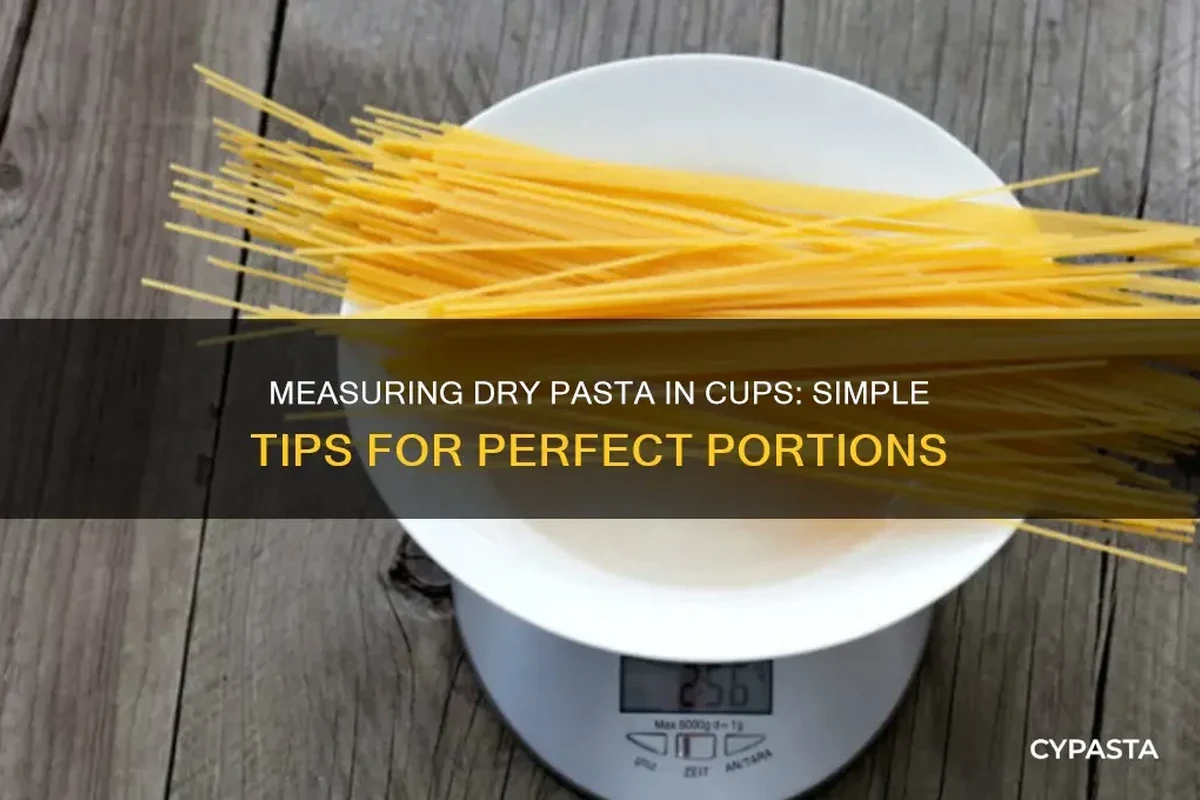
Dry pasta can be measured in cups, but the result depends on the shape. A cup of small pasta is not the same as a cup of long noodles.
As a rough guide, one cup of dry pasta usually weighs about 2 to 4 ounces, or 56 to 113 grams. The exact amount changes with the shape, cut length, and how tightly it sits in the cup.
Why cup measurements work for some pasta shapes and not others
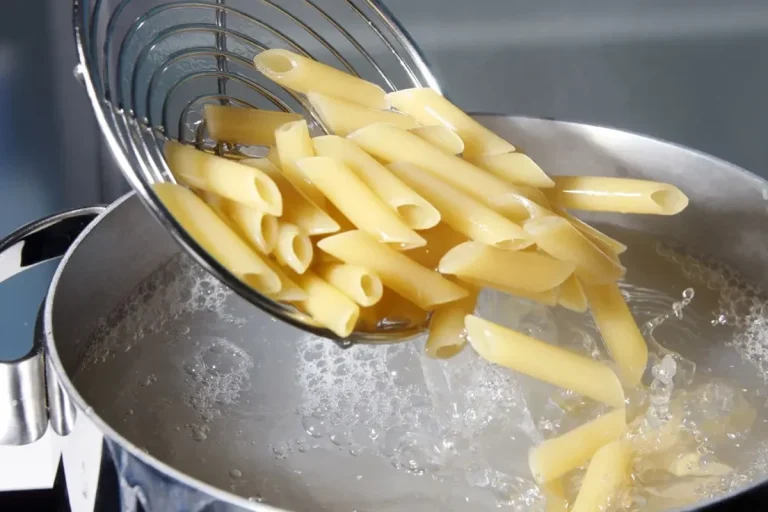
Cups work best for short pasta shapes. Penne, elbows, shells, and rigatoni settle into a cup in a fairly repeatable way.
Long pasta is harder to measure by volume. Spaghetti and fettuccine leave more empty space, so the same cup can hold more or less pasta each time.
How much one cup of dry pasta usually weighs
There is no single exact weight for one cup of dry pasta. Still, many common shapes fall near the same range.
For most home cooking, think of one cup as a close estimate, not a lab measurement. If you need precision, a kitchen scale is better.
Pasta brands can differ in shape, thickness, and cut length. That means cup counts can shift a little from box to box.
What Affects Pasta Volume in a Cup
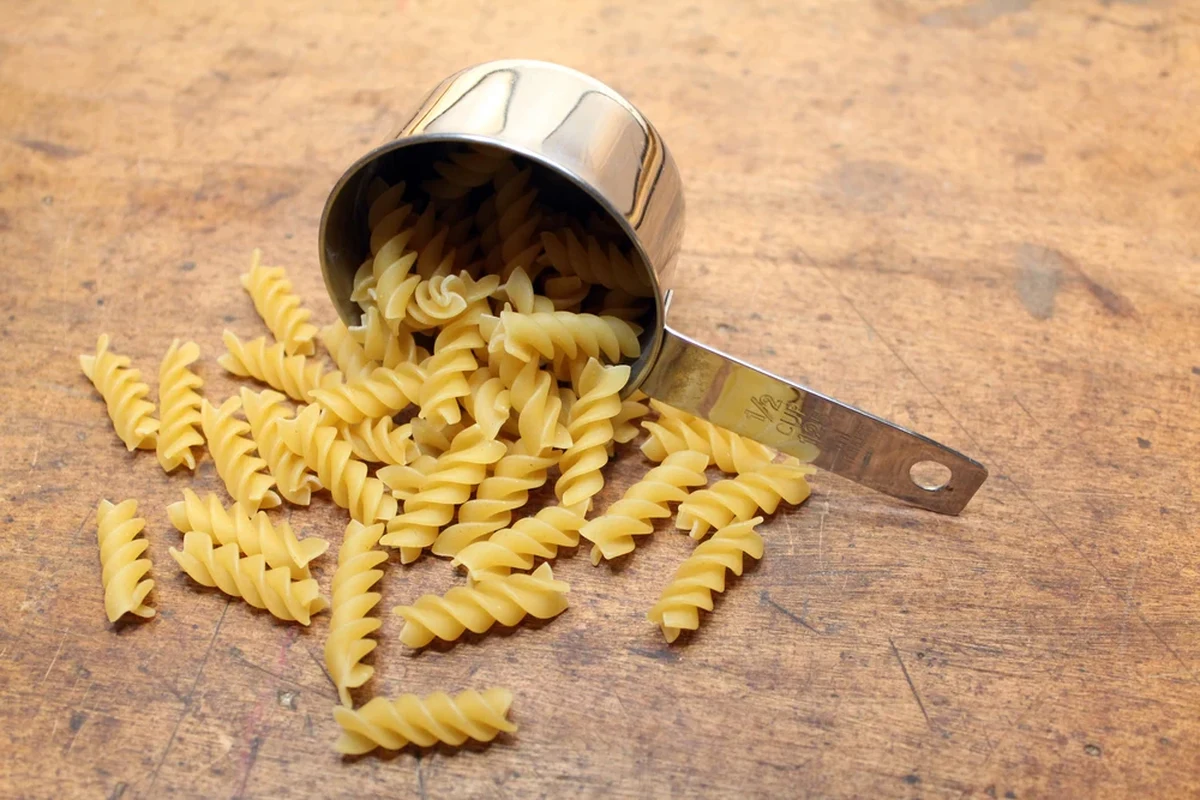
Several small things change how much pasta fits in a cup. That is why two people can measure the same pasta and still get different results.
Shape, size, and cut length
Short pasta pieces stack and settle in a cup. Their size affects how many pieces fit before the cup fills.
Long pasta depends on strand thickness and how the noodles bend. Thin pasta packs more tightly than wide pasta.
Small pasta versus long pasta
Small pasta usually gives more repeatable results. The pieces move into empty spaces and level out in a more even way.
Long pasta can leave gaps or overlap in odd ways. That makes cup measurements less exact.
Why packing and shaking change the result
If you shake the cup, the pasta settles down. More pasta may fit in the same cup after that.
If you press the pasta down, the amount changes even more. That is why gentle filling and leveling work best.
Dry pasta often expands a lot when cooked, so a small measuring mistake can become a big serving change.
How to Measure Dry Pasta Step by Step
The best method is simple. Use the right cup, fill it without packing, and level the top.
Dry cups are made to be filled to the top and leveled off. Liquid cups have space above the mark and can throw off the amount.
Fill the cup loosely, then sweep off the top with a straight edge. A knife, spatula, or spoon handle works well.
Use shape-based estimates for long pasta and small pasta. That gives you a better result than guessing by eye.
Use a dry measuring cup, not a liquid cup
This matters more than many people think. A dry cup gives you a flat top, which makes it easier to repeat the same amount.
A liquid cup can lead to underfilling or overfilling. It is meant for pouring, not scooping.
Level the pasta for a more accurate amount
Do not mound the pasta above the rim. That adds extra volume and makes the amount harder to judge.
Leveling gives you a cleaner, more consistent measure. It also helps when you scale a recipe up or down.
Measure by shape when you can
Some shapes are easy to measure by cup. Others are better measured by weight or by a simple portion guide.
For example, short pasta is easy to scoop. Long pasta often needs a more careful approach.
Common Pasta Shapes and Cup Estimates
These estimates are helpful for everyday cooking. They are not exact, but they work well for weeknight meals and simple recipes.
| Option | Best For | Key Consideration |
|---|---|---|
| Spaghetti, linguine, fettuccine | Long pasta dishes | Measure carefully because the strands leave gaps |
| Penne, rigatoni, ziti | Easy cup measuring | Short shapes settle more evenly |
| Macaroni, shells, small shapes | Quick portions and family meals | Small size can vary by brand and shape |
Spaghetti, linguine, and fettuccine
Long pasta is usually measured by bundle or by weight. If you use cups, break the noodles into a manageable length only if the recipe allows it.
One loosely filled cup of broken long pasta is not the same as one cup of intact strands. That is why long pasta is the least precise shape for cup measuring.
Penne, rigatoni, and ziti
These shapes are some of the easiest to measure by cup. They fill the space in a more even way.
For many home cooks, one cup of these shapes is a practical serving estimate. It is still smart to check the package directions when the recipe needs accuracy.
Macaroni, shells, and other small shapes
Small pasta can give a good cup estimate, but the exact amount still varies. Shell size, curve, and thickness all matter.
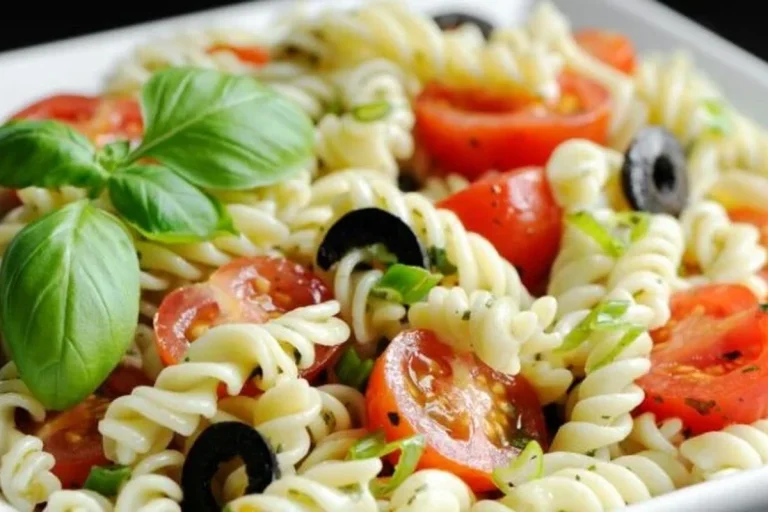
If you are making soup, pasta salad, or baked pasta, small shapes are often the easiest to work with.
- Measure over a bowl to catch spills.
- Stir the pasta in the bag before scooping.
- Use the same cup style each time for consistency.
When Cups Are Helpful and When They Fall Short
Cups are great for speed. They are also handy when you do not want to pull out extra tools.
But cups are not the best choice for every situation. Sometimes weight gives a much cleaner answer.
Best uses for home cooking and quick meals
Cups work well for simple dinners and casual meal prep. They are fast, easy, and good enough for many recipes.
If you are cooking for one or two people, a cup measure can save time. It also keeps cleanup simple.
When a kitchen scale gives better results
A kitchen scale is better when accuracy matters. That includes pasta sauce ratios, diet tracking, and recipe testing.
Weight also helps when the pasta shape is odd or uneven. It removes a lot of guesswork.
Serving size, meal prep, and recipe scaling
Cups can help you portion pasta for the week. They also make it easier to double a recipe without doing math in your head.
Still, the same cup may not suit every person. Some eat more, and some eat less, so adjust to your household.
Use cups for speed. Use weight for precision.
Common Mistakes to Avoid
Most measuring problems come from a few easy mistakes. Once you spot them, they are simple to fix.
Confusing cooked pasta with dry pasta
Dry pasta and cooked pasta are very different in volume. Cooked pasta takes up more space because it absorbs water.
If a recipe asks for dry pasta, measure it before cooking. That keeps the result much closer to the recipe plan.
Overfilling the cup
A rounded mound looks harmless, but it changes the amount. Even a little extra can affect the final dish.
Always level the top unless the recipe says otherwise. That is the easiest way to stay consistent.
Using the wrong cup or guessing by eye
Eyeballing pasta sounds quick, but it often leads to uneven portions. The error gets bigger with long pasta.
Using the wrong cup can also cause trouble. Liquid cups and random mugs are not reliable for dry pasta.
Always follow package directions for cooking time and food safety. If pasta smells stale, looks damaged, or shows signs of pests, do not use it.
Best Tools and Simple Measuring Tips
You do not need fancy gear to measure pasta well. A few basic tools make the job much easier.
Dry measuring cups versus liquid measuring cups
Dry measuring cups are the better choice for pasta. They give you a flat top and a repeatable fill level.
Liquid cups are fine for broth or water, but not for dry ingredients like pasta.
Kitchen scale as the most exact option
If you want the most exact result, use a scale. It is the clearest way to measure pasta by portion.
This is especially helpful for baking-style recipes, strict meal plans, or large batch cooking.
Easy tricks for measuring long pasta without breaking it
For long noodles, use a bundle estimate or a scale when possible. If the recipe allows broken pasta, that can make cup measuring easier.
You can also compare the pasta to the opening of the cup before filling it. That helps you avoid overpacking.
Kitchen scale
Straight edge for leveling
Large bowl or pot
Final Recommendation: The Easiest Way to Measure Dry Pasta in Cups
For most home cooks, the easiest method is a dry measuring cup filled loosely and leveled flat. That gives you a fast, useful estimate without much fuss.
Best method for most home cooks
Use cups for short pasta and everyday meals. It is simple, quick, and good enough for most family cooking.
If you remember one rule, make it this one. Fill lightly, then level the top.
When to switch to weight for better accuracy
Switch to a scale when the recipe needs precision. That is the better choice for long pasta, special diets, and repeatable results.
In short, cups are convenient, but weight is more exact. Pick the method that fits your recipe and your kitchen.
- Use dry measuring cups for short pasta.
- Level the top for a more even amount.
- Choose a scale when accuracy matters most.
- Measure by shape, not just by eye.
Frequently Asked Questions
It usually falls around 2 to 4 ounces, but the exact amount depends on the shape. Short pasta and long pasta do not pack the same way.
A dry measuring cup works better because you can level it off. A liquid cup can lead to uneven amounts and less accurate results.
Short shapes like penne, rigatoni, macaroni, and shells are the easiest. They settle into the cup more evenly than long noodles.
Measure dry pasta before cooking unless the recipe says otherwise. Cooked pasta takes up more space, so it is not the same measurement.
A scale is better when you need accuracy, like for portion control or recipe testing. It also helps with long pasta that is hard to measure by volume.
Shape, packing, shaking, and brand differences can all change the result. Using the same cup and a level top helps keep measurements more consistent.