How to Cook Orzo Pasta in Chicken Broth Perfectly

Yes, you can cook orzo in chicken broth for a richer, more savory result. Keep the heat gentle, stir often, and add more liquid if the pan dries out.
Yes, you can cook orzo pasta in chicken broth, and it’s one of the easiest ways to add flavor fast. The broth turns plain orzo into a richer side dish, a better soup base, or a simple one-pan meal.
- Use broth: It gives orzo a fuller, more savory flavor.
- Watch the heat: Gentle simmering helps prevent sticking and mushiness.
- Stir often: Orzo settles fast and can cling to the pan.
- Check early: Start tasting near the end to avoid overcooking.
- Save leftovers: Store with a little liquid so reheated orzo stays soft.
How to Cook Orzo Pasta in Chicken Broth: The Simple Answer

The basic method is simple. Bring chicken broth to a simmer, add the orzo, and cook until tender while stirring often.
Most cooks use a little more broth than water because orzo absorbs liquid as it cooks. If the pan looks dry before the pasta is done, just add a splash more broth or water.
Keep the heat at a gentle simmer. A hard boil can make orzo stick and break apart.
Why Chicken Broth Changes the Taste and Texture of Orzo
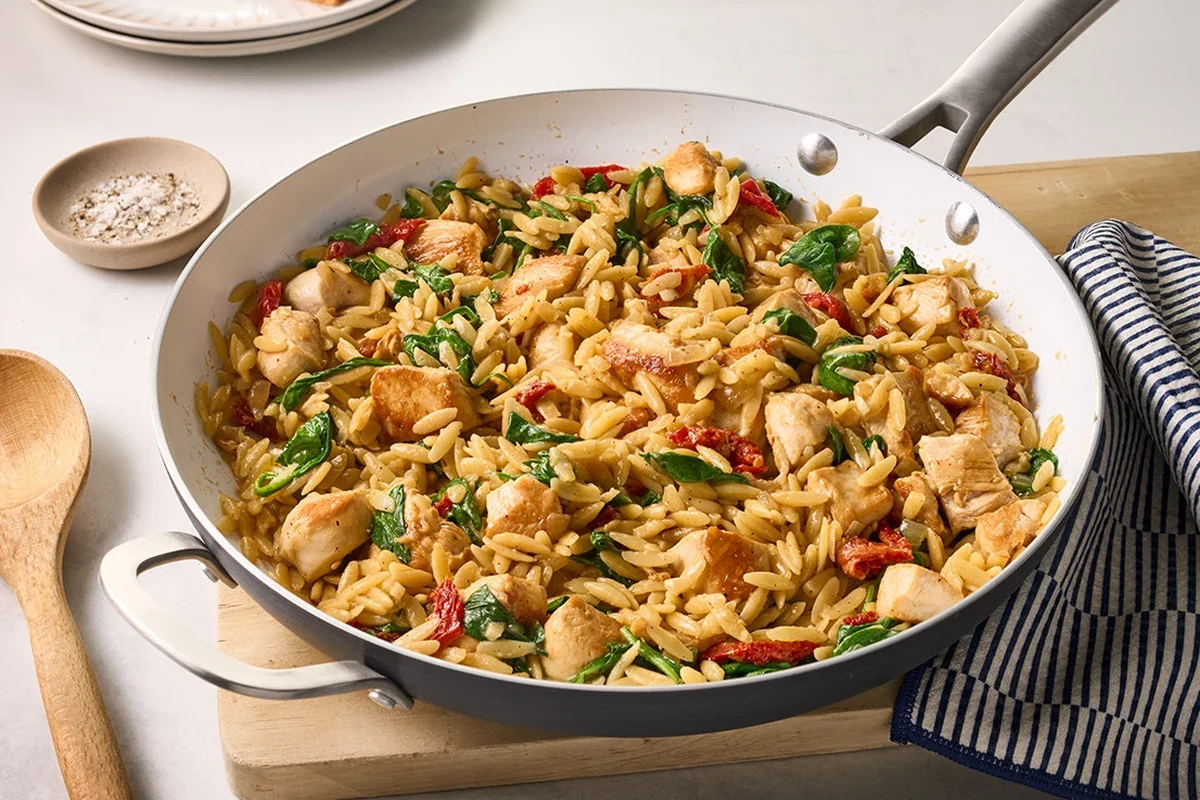
Chicken broth does more than add salt. It gives the pasta a savory base that water cannot match.
Orzo is small and quick to cook. That means it soaks up broth fast and picks up flavor in every bite.
Broth vs. water
Water cooks the pasta, but it leaves orzo plain. Chicken broth adds depth, color, and a fuller taste.
That matters most when orzo is the main part of the dish. It also helps when you want a side dish that tastes finished without much extra effort.
Orzo is shaped like rice, but it is pasta. It cooks much faster than most other pasta shapes.
Best broth types for this recipe
Most chicken broths work well. Low-sodium broth gives you more control over the final taste.
Homemade broth can taste great if it is well strained and not too salty. Store-bought broth also works well for busy nights.
Salt levels vary a lot by brand. Taste before adding extra salt at the end.
Ingredients and Basic Ratios for Perfect Orzo
You do not need many ingredients. Orzo, chicken broth, and a little fat or seasoning are often enough.
How much broth to use
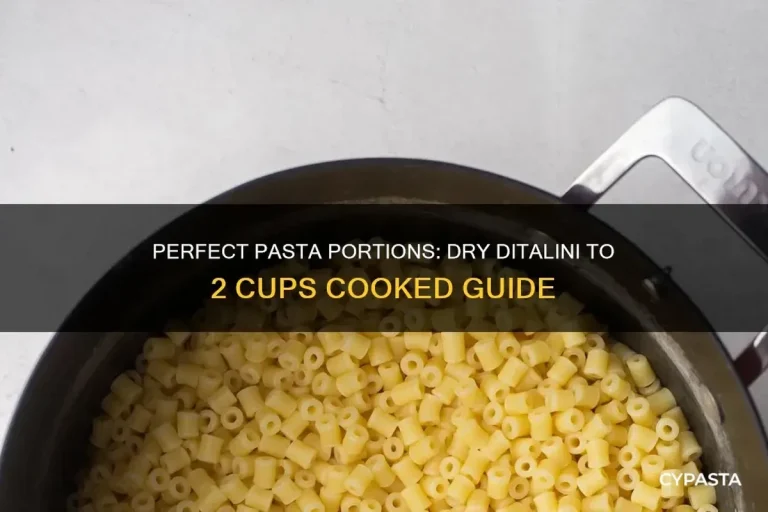
A good starting point is about 2 cups of broth for 1 cup of dry orzo. Some cooks need a little more, depending on the pan and heat level.
If you want a creamier result, use enough broth to keep the orzo barely covered. If you want a drier side dish, use just enough to cook it through.
Optional add-ins for more flavor
You can keep it simple or build more flavor. A few small extras go a long way.
- Butter or olive oil for a smoother finish
- Garlic or onion for a deeper base
- Parsley, dill, or thyme for fresh flavor
- Grated Parmesan for a richer, salty finish
- Lemon zest for a brighter taste
- Add cheese after cooking so it melts smoothly.
- Use herbs near the end to keep their flavor fresh.
Step-by-Step Method for Cooking Orzo in Chicken Broth
This method works well on most stoves. It is simple, fast, and easy to adjust.
Pour the broth into a saucepan and bring it to a gentle simmer.
Stir in the dry pasta so it does not clump right away.
Stir often and keep the heat low enough for a light simmer.
When the orzo is tender and most liquid is gone, it is ready.
Stovetop method
Use a saucepan for a softer, creamier result. A wide skillet also works and can help the broth reduce faster.
Stir every minute or two. Orzo settles fast, and that can lead to sticking on the bottom.
Watch the heat closely. If the broth boils too hard, it can cook off too fast and leave the pasta uneven.
How to know when it is done
Orzo should be tender but still slightly firm in the center. That is the same basic doneness idea as al dente pasta.
Taste a few pieces near the end. If the pasta feels chalky, give it another minute or two and add more liquid if needed.
Common Mistakes and How to Fix Them
Orzo is easy, but it can still go wrong if the heat is too high or the pan is too dry. The good news is that most problems are easy to fix.
Too much liquid
If the pan still has broth after the pasta is done, keep cooking it uncovered for a minute or two. Stir often so it does not scorch.
You can also drain a small amount if the dish has become too loose. Then let it sit for a minute so the sauce thickens a bit.
The orzo looks soupy after cooking.
Cook uncovered for a short time and stir often until the liquid reduces.
Sticky or mushy orzo
Sticky orzo often means the pot was not stirred enough. Mushy orzo usually means it cooked too long or used too much liquid.
Next time, lower the heat and start checking early. Orzo can go from firm to soft very quickly.
Bland flavor
If the pasta tastes flat, the broth may have been too mild. A small pinch of salt, pepper, butter, or Parmesan can help.
You can also add garlic, herbs, or lemon zest. Those small extras wake up the whole dish.
Ways to Serve Orzo Cooked in Chicken Broth
Orzo cooked in broth is flexible. You can serve it in several easy ways, depending on what you need for dinner.
As a side dish
Serve it next to chicken, fish, roasted vegetables, or meatballs. It works well when you want something softer than rice and more flavorful than plain pasta.
A little butter and parsley can make it feel complete with very little effort.
As a soup base or main dish
Use it as the base for a quick soup. Add cooked chicken, vegetables, or beans for a fuller meal.
You can also mix in spinach, peas, or tomatoes. That turns a simple pot of orzo into a light main dish.
Best Ways to Use Broth-Cooked Orzo
Think of orzo as a flexible base. It can stay simple or carry a full meal.
Safety, Storage, and Reheating Tips
Like any cooked pasta, orzo should be handled with care after cooking. Cool leftovers quickly and store them the right way.
Follow safe food storage rules. Do not leave cooked pasta at room temperature for long.
How to store leftovers
Let the orzo cool a bit, then move it to a sealed container. Store it in the refrigerator.
If the orzo has a lot of broth, keep the liquid with it. That helps prevent it from drying out later.
Best way to reheat without drying it out
Reheat orzo with a splash of broth or water. Warm it slowly on the stove or in the microwave.
Stir halfway through reheating so the heat spreads evenly. If it seems dry, add a little more liquid before serving.
Wash the pot soon after cooking so starch does not stick.
Check your cookware for worn spots, loose handles, or rough surfaces.
Final Verdict: When Chicken Broth Is the Best Choice for Orzo
Chicken broth is the best choice when you want orzo to taste richer with very little extra work. It adds depth, helps the pasta feel more complete, and makes a simple dish taste homemade.
If you want the cleanest, most neutral result, water still works. But for most everyday cooking, broth is the better pick for flavor and comfort.
Use chicken broth when you want more flavor, a better side dish, or a quick one-pan base for soup. Choose water only when you want a plain result or need to control salt very closely.
- Simmer orzo in chicken broth for a richer taste.
- Stir often and keep the heat gentle.
- Use low-sodium broth if you want better salt control.
- Add herbs, butter, or cheese for extra flavor.
Frequently Asked Questions
Orzo usually cooks in about 8 to 10 minutes, but timing can vary by brand and heat. Start checking early so it does not turn mushy.
Bring the broth to a gentle simmer before adding the pasta. A hard boil can make the liquid reduce too fast and can cause sticking.
Yes, water works, but the flavor will be much milder. Broth gives the orzo a richer, more savory taste.
Add a little more hot broth or water and keep cooking. Stir often so the pasta cooks evenly.
Cool it quickly and store it in a sealed container in the refrigerator. Keep some liquid with it so it stays soft.
Reheat it slowly with a splash of broth or water. Stir during reheating so it warms evenly and does not dry out.