Is Pasta Low FODMAP A Simple Guide for Your Gut

Some pasta is low FODMAP, but the type and portion size matter a lot. Plain rice, corn, or certain gluten free pastas are often the safest starting points.
Yes, some pasta is low FODMAP, but not all of it. The biggest factors are the pasta type, the serving size, and what sauce or add-ins you use.
If you deal with IBS or a sensitive gut, pasta can still fit on your plate. You just need to pick the right kind and keep the meal simple.
- Pick plain pasta: Rice, corn, and some quinoa pastas are often easier to tolerate.
- Watch the serving: A small bowl may work better than a large plate.
- Check the label: Onion, garlic, and inulin can turn a safe meal into a trigger.
- Keep sauces simple: Olive oil or plain tomato sauce is often a better choice.
Is Pasta Low FODMAP? The Short Answer and What It Means
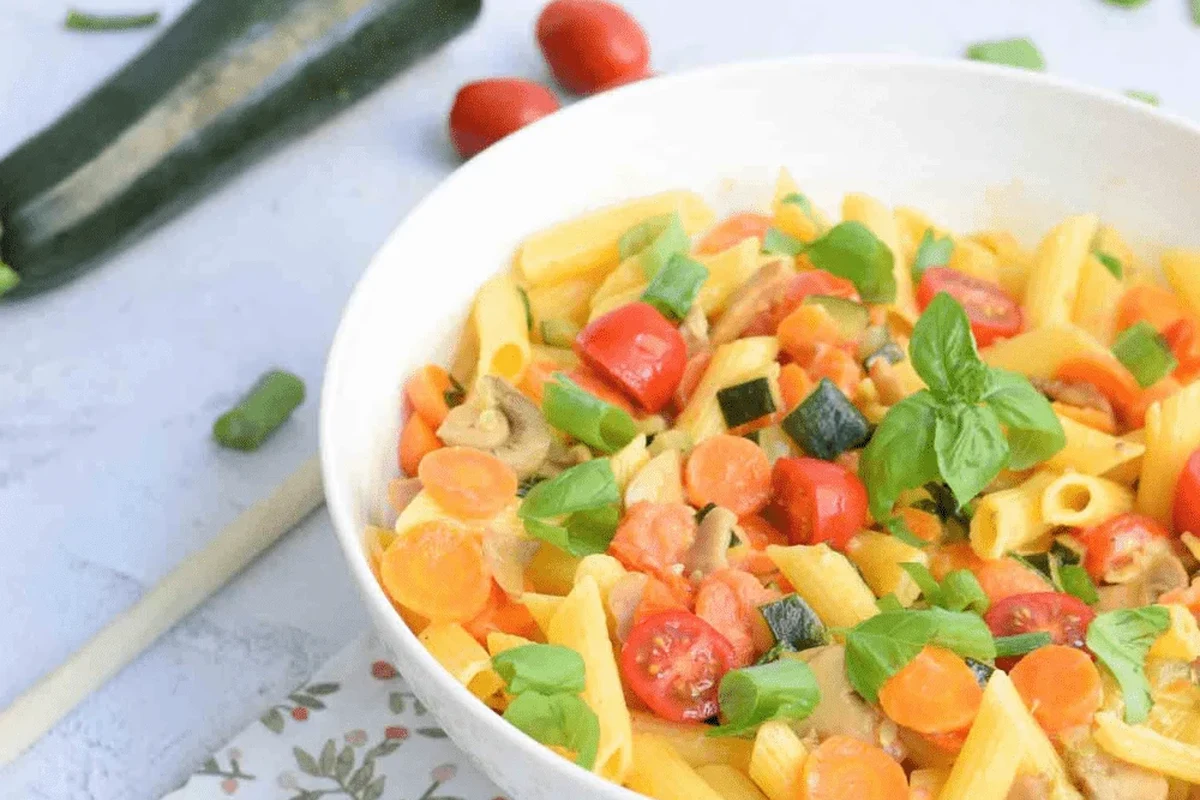
Pasta can be low FODMAP when it uses the right ingredients and stays within the right portion. For many people, plain pasta in a modest serving is easier to tolerate than a large bowl with rich sauce.
That said, the word “pasta” covers a lot of ground. Wheat pasta, gluten free pasta, and legume pasta all behave differently in the gut.
Why Some Pasta Works Better for Sensitive Stomachs
Some pasta types use ingredients that are naturally lower in FODMAPs. Rice and corn pasta often work well because they skip wheat and many hard-to-digest extras.
Plain shapes also help. The fewer added flavors, fillings, and sauces, the easier it is to judge your own tolerance.
FODMAPs are certain carbs that can pull water into the gut and cause gas in some people.
When Pasta Stops Being Low FODMAP
Pasta can stop being low FODMAP when the serving gets too large. Even a lower FODMAP pasta can become a problem if you eat a big plate.
It can also lose its low FODMAP status when the recipe adds onion, garlic, or high FODMAP sauces. That is where many “safe” meals go wrong.
What Makes Pasta Low FODMAP or Not
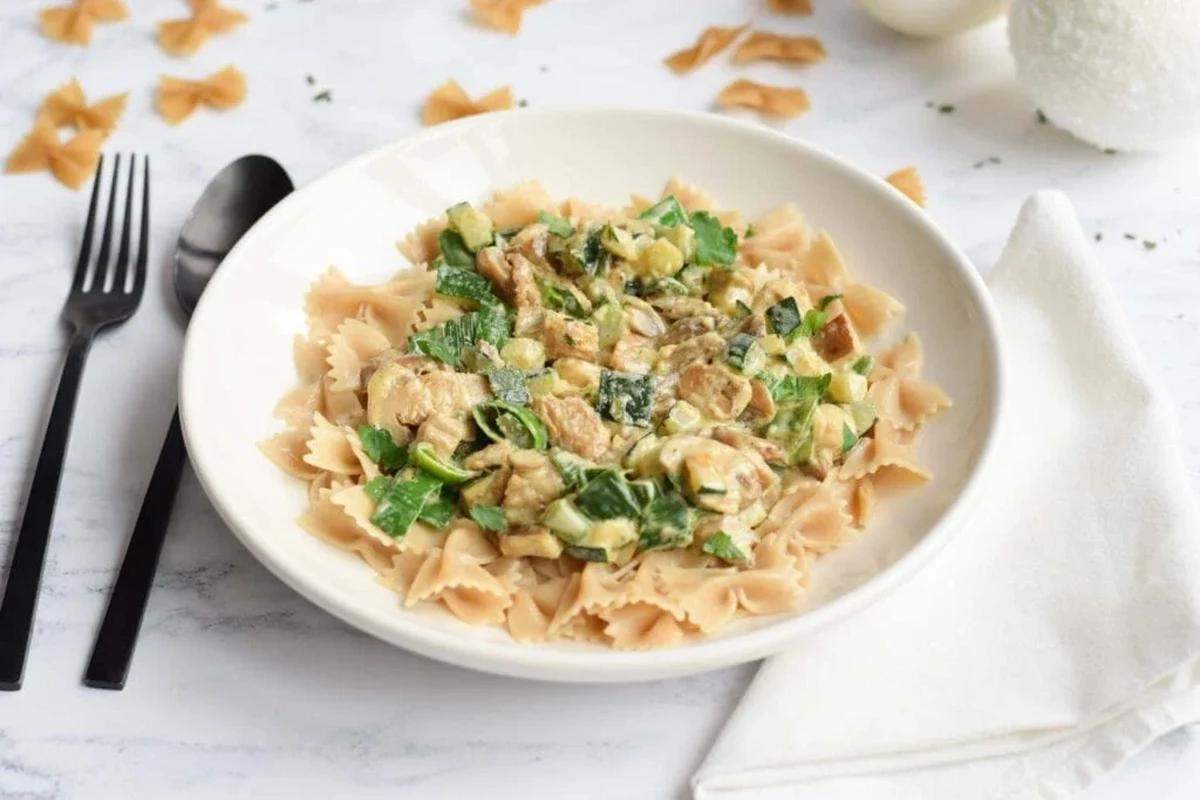
The label matters, but the full ingredient list matters more. A pasta can look plain and still include ingredients that bother sensitive stomachs.
Key Ingredients to Check on the Label
Start with the base flour. Rice, corn, and quinoa are often easier choices than regular wheat pasta for many people.
Then check for extras. Watch for onion powder, garlic powder, inulin, chicory root fiber, and large amounts of lentils or chickpeas.
- Look for simple flour blends
- Check for onion and garlic
- Watch serving size on the box
- Skip filling-heavy or flavored pasta
How Wheat, Gluten, and FODMAPs Differ
Wheat and gluten are not the same thing as FODMAPs. Gluten is a protein, while FODMAPs are certain carbs.
That means a food can be low FODMAP and still contain gluten. It can also be gluten free and still not suit your gut if it uses high FODMAP ingredients.
Why Portion Size Matters So Much
Portion size is a big deal with pasta. A small serving may fit your low FODMAP plan, while a large serving may not.
This is why many people do better when they measure pasta once or twice. It helps you learn your own limit without guessing.
Cook one serving first, then add extra protein and low FODMAP vegetables instead of more pasta.
Best Low FODMAP Pasta Types to Choose
If you want the safest starting point, keep it simple. Plain, short ingredient lists usually make shopping easier.
Rice Pasta
Rice pasta is a common choice for sensitive stomachs. It often has a mild taste and a soft texture.
It can break down faster than wheat pasta, so watch the pot closely. Overcooking can make it mushy.
Corn Pasta
Corn pasta is another popular pick. It often holds its shape better than some rice pastas.
The flavor is usually mild, so it works well with simple sauces. That makes it a handy pantry staple.
Quinoa and Mixed Grain Pasta
Quinoa pasta can be a good option when the ingredient list stays short. It may add a little more bite and a nutty taste.
Mixed grain pasta can work too, but it needs a closer look. Some blends include lentil, chickpea, or other higher FODMAP ingredients.
Gluten Free Pasta Options
Gluten free pasta is not always low FODMAP, but it often gives you better odds. The key is still the ingredient list.
Some gluten free pasta uses rice, corn, or quinoa. Others use bean flours that may be harder to tolerate in larger servings.
Choose Pasta That Fits Your Gut
The best pick is usually the pasta with the fewest ingredients and the clearest label.
How to Build a Gut Friendly Pasta Meal
Low FODMAP pasta works best as part of a simple meal. You want the whole bowl to stay gentle, not just the noodles.
Safe Sauces and Simple Flavor Add Ins
Tomato sauce can work if it avoids onion and garlic. A plain olive oil sauce is often even easier.
You can also use herbs, lemon, basil, chives, and a little parmesan if you tolerate dairy. These add flavor without making the meal heavy.
Use olive oil, herbs, or plain tomato sauce without onion or garlic.
Add basil, parsley, lemon, or chives for taste without extra FODMAP load.
Low FODMAP Protein and Veg Pairings
Lean protein can make pasta more filling without upsetting your stomach. Good choices often include chicken, eggs, tofu, tuna, or shrimp.
For vegetables, try zucchini, spinach, carrots, bell peppers, or a small amount of broccoli. Keep portions sensible, since even friendly foods can add up.
What to Avoid in Common Pasta Dishes
Many classic pasta dishes rely on onion and garlic. That includes many red sauces, creamy sauces, and restaurant meals.
Also watch pesto, meat sauce, and baked pasta. They often hide high FODMAP ingredients in the seasoning or filling.
If you have celiac disease or a food allergy, check labels carefully and follow medical advice.
Common Mistakes People Make with Pasta on a Low FODMAP Diet
Most pasta mistakes are simple. They usually come from portion size, labels, or sneaky sauce ingredients.
Using Too Large a Serving
This is the most common slip. A safe pasta type can still cause trouble if the bowl is too big.
Try starting with a smaller serving and adding low FODMAP sides. That gives you more control.
Missing Hidden Onion and Garlic
Onion and garlic show up in lots of jarred sauces, spice mixes, and ready meals. They are easy to miss.
Even a small amount can matter for some people. Always scan the full ingredient list, not just the front label.
Trusting the Front of the Package Too Much
Words like “natural,” “healthy,” or “gluten free” do not guarantee low FODMAP. The front of the box can be misleading.
The back panel tells the real story. That is where you find the flour blend, flavorings, and serving size.
Low FODMAP tolerance is personal. A food that works well for one person may not work for another.
Benefits and Limits of Low FODMAP Pasta
Low FODMAP pasta can make meals feel normal again. That matters when you want comfort food without the guesswork.
When It Can Help You Feel Better
It can help when you want a familiar meal that is easier on your gut. That can make weeknight dinners less stressful.
It also helps with meal planning. Once you know which pasta works, shopping gets much simpler.
Where It Can Still Cause Trouble
Even the best pasta can cause symptoms if the rest of the meal is off. Sauce, cheese, and sides all count.
Cooking method matters too. Very rich, greasy, or oversized meals can be hard to digest.
Who Should Be Extra Careful
People with celiac disease, food allergies, or complex digestive issues should be extra careful. They may need more than a basic low FODMAP approach.
If symptoms are severe or keep coming back, talk with a doctor or dietitian. A low FODMAP diet should not replace medical care.
- Keep one pasta shape you trust in the pantry
- Use a simple sauce first, then add extras slowly
- Measure servings until you know your own limit
- Save restaurant pasta for times when you can check ingredients
How to Buy Low FODMAP Pasta with Good Value in 2026
Good value does not always mean the cheapest box. It means the pasta fits your diet, tastes good, and works in real meals.
What to Look for in Price, Ingredients, and Texture
Look for a short ingredient list first. Then think about texture and how the pasta holds sauce.
For everyday use, you want something that cooks well and tastes normal enough for the whole family. That makes it easier to stick with.
Best Choice for Everyday Meals
For most home cooks, rice or corn pasta is a smart starting point. These options are easy to find and usually simple to use.
They also pair well with basic sauces. That makes weeknight dinner less of a project.
Best Choice for Special Diet Needs
If you also need gluten free or allergen aware food, read the label with extra care. The best choice is the one that fits all your needs at once.
In that case, a plain pasta with few ingredients is often safer than a fancy blend.
Final Verdict: Is Pasta Low FODMAP for Most People?
Yes, pasta can be low FODMAP for many people, but the details matter. The best choices are usually plain rice, corn, quinoa, or certain gluten free pastas in sensible servings.
If you want the simplest rule, this is it. Choose a plain pasta, keep the portion moderate, and build the meal with low FODMAP sauce and sides.
Simple Recommendation for Shoppers and Home Cooks
Start with a short ingredient list and a small serving. Then test your own tolerance with simple meals before trying richer recipes.
If you want comfort food that still respects your gut, that’s the smartest path. It keeps pasta on the menu without making dinner stressful.
For most people on a low FODMAP diet, pasta can work well when you choose rice, corn, or other simple gluten free options and keep portions moderate. The main limitation is the sauce and serving size, so plain pasta is usually the safest bet.
Frequently Asked Questions
No, pasta is not always low FODMAP. It depends on the pasta type, the serving size, and the sauce or add-ins.
Rice pasta, corn pasta, and some quinoa or gluten free pastas are often easier choices. Always check the ingredient list for onion, garlic, or bean flours.
Some wheat pasta may fit a low FODMAP plan in a small serving, but tolerance varies. Many people find gluten free pasta easier to manage.
Avoid onion, garlic, inulin, chicory root fiber, and high FODMAP legume ingredients when possible. Many jarred sauces and seasoning mixes contain these extras.
Keep the serving modest and use simple sauces like olive oil or plain tomato sauce without onion and garlic. Add low FODMAP protein and vegetables to make the meal more filling.
Yes, especially if you have celiac disease, food allergies, or ongoing digestive symptoms. A doctor or dietitian can help you use the diet safely.