How Many Cups of Cooked Pasta in a Pound Explained

One pound of dry pasta usually makes about 8 cups cooked. The exact amount changes with pasta shape, cooking time, and how well you drain it.
If you’re asking how many cups of cooked pasta are in a pound, the short answer is usually about 8 cups. The exact amount changes with the pasta shape, how long you cook it, and how much water it absorbs.
How many cups of cooked pasta are in a pound?
Most dry pasta turns into about 8 cups cooked from 1 pound. Long shapes and short shapes can land a little above or below that.
That number is a solid kitchen estimate, not a fixed rule. If you need a close portion count for dinner, meal prep, or recipe scaling, 8 cups is the best place to start.
When a recipe gives pasta by weight, use weight first. It gives you a more steady result than cups.
- Best estimate: One pound of dry pasta usually yields about 8 cups cooked.
- Main variable: Pasta shape changes how the cooked pasta fills a cup.
- Most accurate method: Weigh dry pasta, then measure cooked pasta after draining.
- Common mistake: Do not mix up dry cups and cooked cups.
How Many Cups of Cooked Pasta in a Pound? The Quick Answer
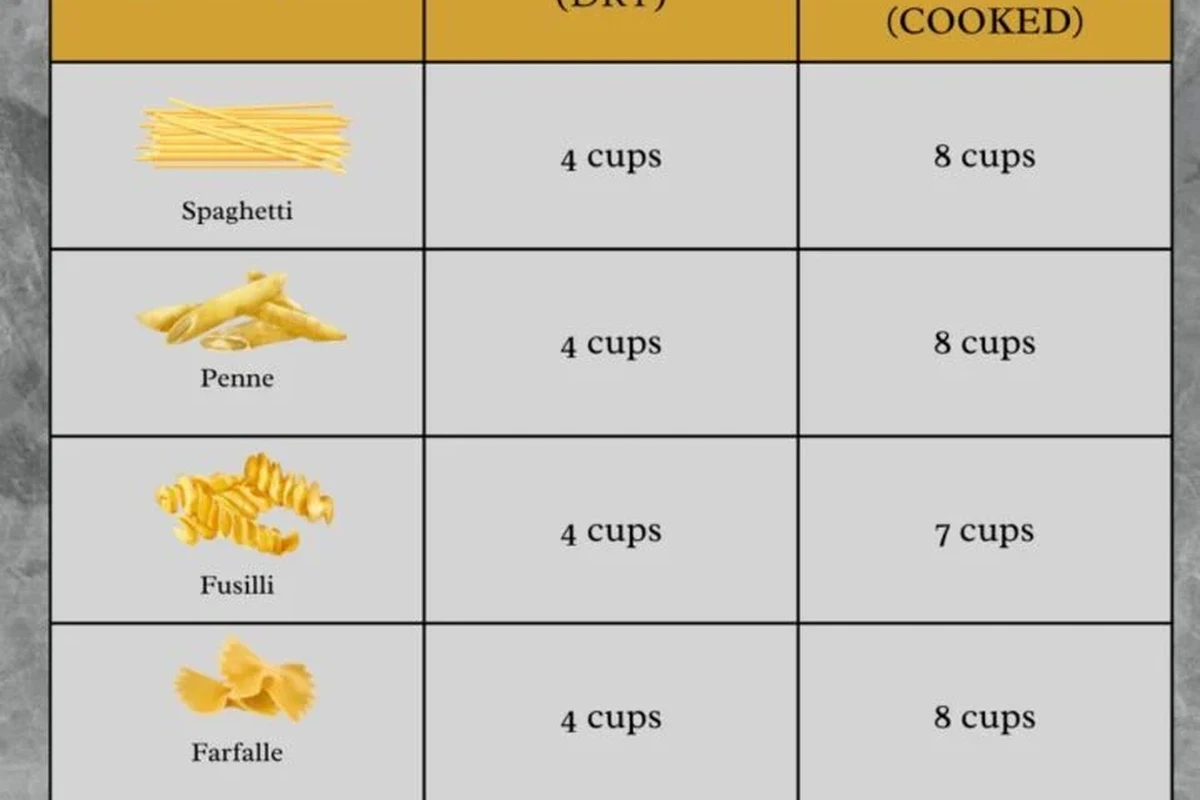
One pound of dry pasta usually makes about 8 cups of cooked pasta. For many home recipes, that works well as a simple rule.
Still, the final cup count can shift. Thin spaghetti, wide noodles, penne, and shells all hold water in different ways.
If you want the shortest answer possible, use this:
- 1 pound dry pasta = about 8 cups cooked
- Long pasta may measure a bit less by volume
- Small shapes may measure a bit more by volume
In short: 8 cups is the standard estimate, but shape matters.
What Changes the Cup Count After Pasta Is Cooked
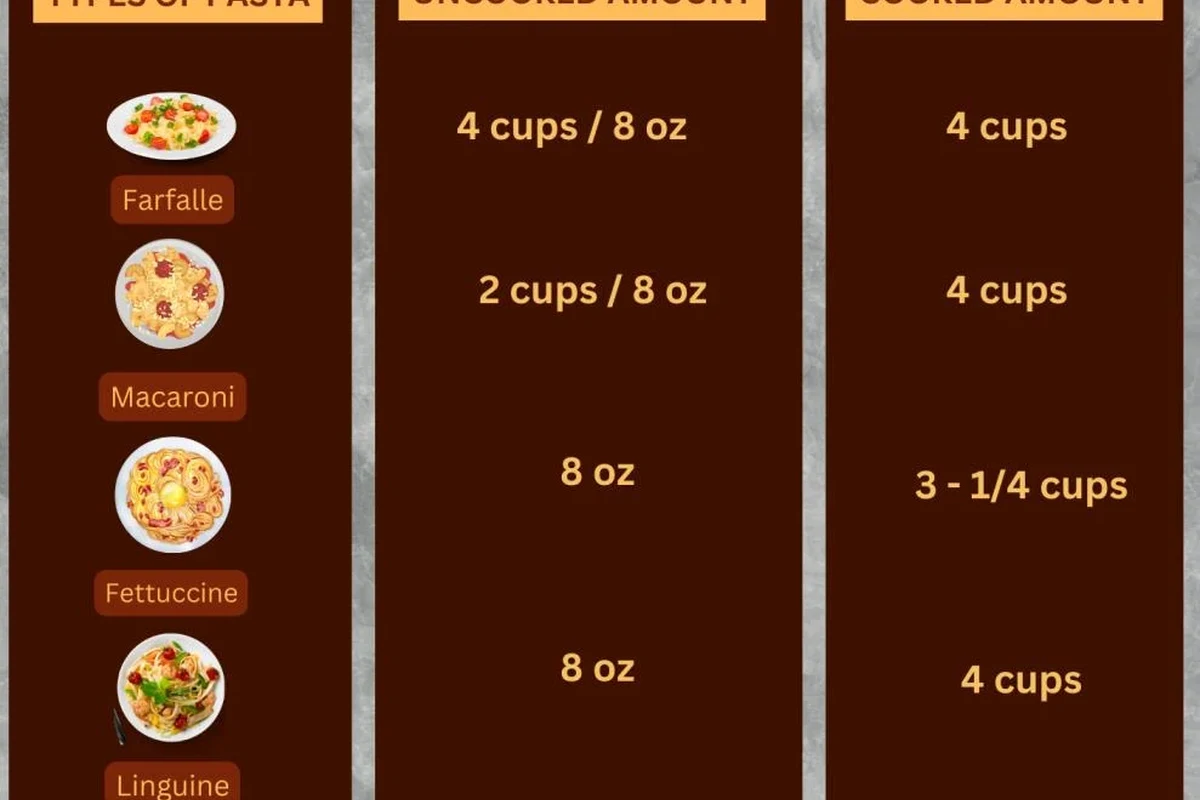
Pasta does not stay the same size after boiling. It takes in water, softens, and expands.
That means two batches made from the same pound can look different in a cup measure. The type of pasta and the way you cook it both play a role.
Pasta shape and size
Shape changes how tightly pasta sits in a cup. Long noodles leave more air gaps. Small shapes can pack together more closely.
For example, a cup of cooked spaghetti looks less dense than a cup of cooked rotini. They may weigh close to the same, but they look different in the bowl.
Cooking time and water use
Longer cooking usually means more water absorption. That can make pasta feel fuller and softer.
On the other hand, pasta cooked just to al dente may hold a little less water. It may also measure a bit lower by volume.
How much the pasta swells
Most dry pasta grows a lot once it cooks. The exact amount depends on the noodle type and brand.
Some pasta nearly doubles in size. Other shapes swell less, but still rise enough to change the cup count.
Brand, shape, and doneness all affect the final volume. That’s why recipe results can vary even when the dry weight matches.
Cooking Conversions You Can Trust in the Kitchen
Kitchen math gets easier when you know the basic pasta conversions. Weight is the most reliable way to measure dry pasta.
Cups help once the pasta is cooked. But cups can be less exact because pasta shapes do not fill a cup the same way.
Dry pasta to cooked pasta basics
As a general rule, 1 pound of dry pasta makes about 8 cups cooked. That is the common home-cook estimate for many shapes.
If a recipe serves a crowd, this rule helps you scale fast. If you cook for one or two people, it also helps with leftovers.
Cups, ounces, and pounds explained
Dry pasta is often sold by ounces or pounds. One pound equals 16 ounces.
Cooked pasta is often measured by cups. That makes it easier to portion after boiling and draining.
| Measure | What It Means | Kitchen Use |
|---|---|---|
| 1 pound dry pasta | 16 ounces before cooking | Best for shopping and recipe prep |
| About 8 cups cooked | Typical yield after boiling | Best for serving and meal planning |
When a kitchen scale helps most
A kitchen scale helps when you want repeatable results. It matters most for meal prep, large batches, and recipes with strict portions.
It also helps when a box gives ounces, not cups. Weight avoids the guesswork that comes with loose cup measures.
- Weigh dry pasta before cooking for the most accurate amount.
- Use cups after cooking when you need quick serving sizes.
- Keep the same pasta shape when repeating a recipe.
Common Pasta Types and Their Cooked Cup Yields
Different pasta types behave differently in water. That is why a pound of one shape may look a little different from another.
These are useful kitchen estimates, not lab numbers. Think of them as practical guides for home cooking.
Long pasta like spaghetti and linguine
Long pasta often measures a little looser in cups. The strands leave air space, so the volume can look lower than you expect.
Spaghetti and linguine still follow the same basic rule. One pound usually lands near 8 cups cooked, but the bowl may look less packed.
Short pasta like penne, rotini, and shells
Short pasta tends to fill a cup more evenly. The shapes nest together and can seem denser.
That means a cup of cooked penne may look fuller than a cup of cooked spaghetti. The weight may still be similar.
Fresh pasta and stuffed pasta
Fresh pasta often cooks faster and can feel softer. It may not match dry pasta in the same way by volume.
Stuffed pasta, like ravioli or tortellini, is even more variable. The filling changes both weight and volume, so use the package guide when you can.
Follow the package directions for fresh or stuffed pasta. Cooking times and yields can vary a lot by brand and filling.
How to Measure Cooked Pasta the Right Way
The best measuring method depends on what you’re cooking. A sauce-heavy dinner, a pasta salad, and meal prep all call for different levels of accuracy.
If you want the cleanest result, measure with the same method every time. That keeps your portions and recipe tests more consistent.
Measuring by volume
Use a dry measuring cup for cooked pasta. Fill it loosely, then level it off without pressing down hard.
Do not shake the cup to pack the pasta. That can squeeze out air and give you too much in one serving.
Measuring by weight
Weight is the most exact way to measure cooked pasta. It works well when a recipe lists ounces instead of cups.
If you need equal servings, weigh the cooked pasta after draining. That helps more than guessing by eye.
Best method for meal prep and family meals
For meal prep, use weight first and cups second. That gives you better control over portions and storage.
For family meals, volume is often fine. A rough cup count is usually enough when you just need dinner on the table.
- Drain pasta well before measuring.
- Use the same shape for repeat recipes.
- Measure loosely, not packed tight.
- Do not guess from a full pot of water.
- Do not press pasta into the cup.
- Do not mix dry and cooked measurements.
Common Mistakes When Converting Pasta Amounts
Most pasta measuring mistakes are simple. The good news is they’re easy to avoid once you know where the trouble starts.
These errors can throw off sauce balance, portion size, and leftovers. They can also make a recipe seem “wrong” when the real issue is measurement.
Measuring pasta before draining
Never measure cooked pasta while it still holds a lot of water. Extra water makes the portion look larger than it is.
Let it drain first. Then the cup count will be much closer to the real serving size.
Packing pasta too tightly in a cup
Pasta should sit in the cup naturally. If you press it down, you can fit too much into one cup.
This is a common issue with short shapes. It can make portions look larger than the recipe intended.
Mixing up dry and cooked measurements
Dry cups and cooked cups are not the same thing. One cup of dry pasta does not equal one cup cooked.
This mix-up is one of the biggest reasons home cooks end up with too much or too little pasta. When in doubt, check whether the recipe means dry or cooked.
Cooked pasta can look very different in a bowl, even when the weight is the same. Shape changes the way the pasta settles.
When This Conversion Matters Most in Real Cooking
This conversion is most useful when you’re planning real meals. It helps you cook smarter, waste less, and avoid guesswork.
That matters whether you cook for one person or a full table. A good estimate saves time and cuts down on extra dishes.
Scaling recipes up or down
Recipes often list pasta by pound, but your household may need less. Knowing the cooked yield helps you scale the recipe with confidence.
If a recipe serves four and you only need two plates, you can cut the dry pasta in half. The cooked amount should follow that change closely.
Portion control for dinner planning
Cooked pasta cups make portion planning easier. You can split a batch into equal servings after draining.
That helps when you want steady portions for kids, guests, or lunch boxes. It also keeps sauce ratios more even.
Saving time and reducing waste
When you know the yield, you can cook the right amount from the start. That means less leftover pasta sitting in the fridge.
It also helps you avoid cooking too much water and too much pasta. Small planning steps can save time on busy nights.
Final Takeaway: The Best Way to Estimate Cooked Pasta
The best everyday answer is simple. One pound of dry pasta usually makes about 8 cups cooked.
If you want the most reliable result, weigh the dry pasta first. Then use cups only after cooking and draining.
For most home cooks, that approach gives the best mix of speed and accuracy. And when the pasta shape changes, you’ll still have a dependable starting point.
- One pound of dry pasta usually makes about 8 cups cooked.
- Shape, cooking time, and water absorption change the final volume.
- Weight gives better accuracy than cups for dry pasta.
- Drain well before measuring cooked pasta.
Frequently Asked Questions
A pound of dry pasta usually makes about 8 cups cooked. The exact amount can shift with shape, brand, and doneness.
Pasta absorbs water and expands as it cooks. Different shapes also trap air in different ways, which changes the final volume.
Weight is more accurate for dry pasta. Cups are fine for cooked pasta when you need a quick serving estimate.
They usually follow the same rough yield from a pound, but they fill a cup differently. Long pasta often looks less dense than short pasta.
Drain the pasta well, then weigh it or measure it loosely in cups. Avoid packing it down, since that can throw off portions.
The biggest mistake is mixing up dry and cooked measurements. Another common issue is measuring pasta before it has drained.