What Flour to Use for Pasta Best Types for Perfect Dough

For most home cooks, all-purpose flour is the easiest pasta flour to start with. Use 00 flour for softer fresh pasta and semolina for firmer, chewier results.
If you’re wondering what flour to use for pasta, the short answer is this: use 00 flour for smooth, tender pasta, semolina for firm bite, and all-purpose flour for easy everyday dough. The best choice depends on the shape you want, the texture you like, and how much skill you want to bring to the bowl.
- Best beginner pick: All-purpose flour works well and is easy to find.
- Best smooth dough: 00 flour makes tender, silky fresh pasta.
- Best firm bite: Semolina or durum flour gives pasta more strength.
- Best shape match: Use finer flour for delicate pasta and stronger flour for sturdy shapes.
What Flour to Use for Pasta: The Short Answer
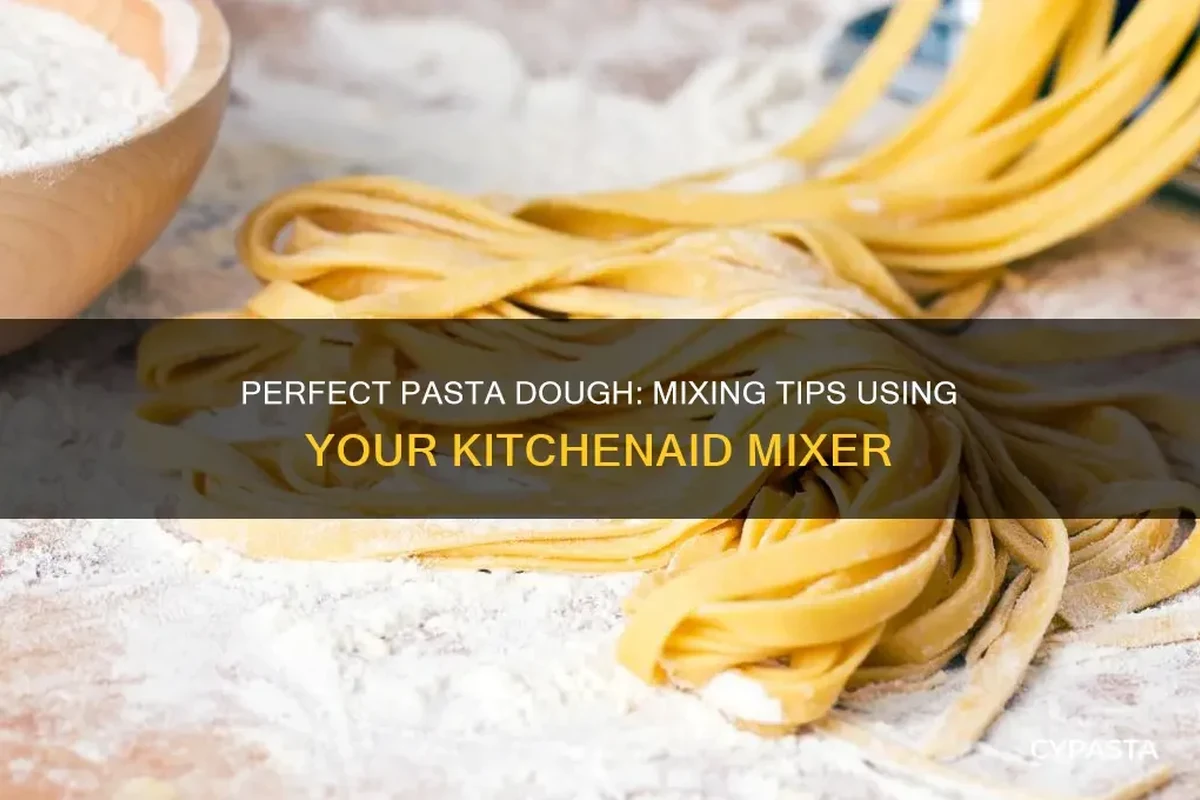
Most home cooks do well with all-purpose flour or 00 flour for fresh pasta. If you want pasta with more chew, semolina or durum flour is a better pick.
Fresh pasta and dried pasta also behave differently. Fresh dough needs a flour that mixes well and rolls smoothly. Dried pasta often uses durum wheat because it holds its shape and cooks with a firm bite.
Why flour choice changes pasta texture
Flour changes how pasta feels in your mouth. It affects softness, chew, color, and how the dough handles when you knead it.
Higher-protein flour makes stronger gluten. That helps pasta stay firm. Finer flour makes dough feel smoother and easier to roll thin.
In short: flour is not just a base ingredient. It shapes the whole pasta experience.
Best flour picks for fresh pasta and dried pasta
For fresh pasta, 00 flour gives a silky dough. All-purpose flour works well too, especially if you want a simple pantry option.
For dried pasta, semolina or durum flour makes more sense. It gives pasta a firm shape and a more classic bite.
Some pasta recipes use a mix of flours. That can be a smart way to balance smoothness and strength.
Main Types of Flour for Pasta
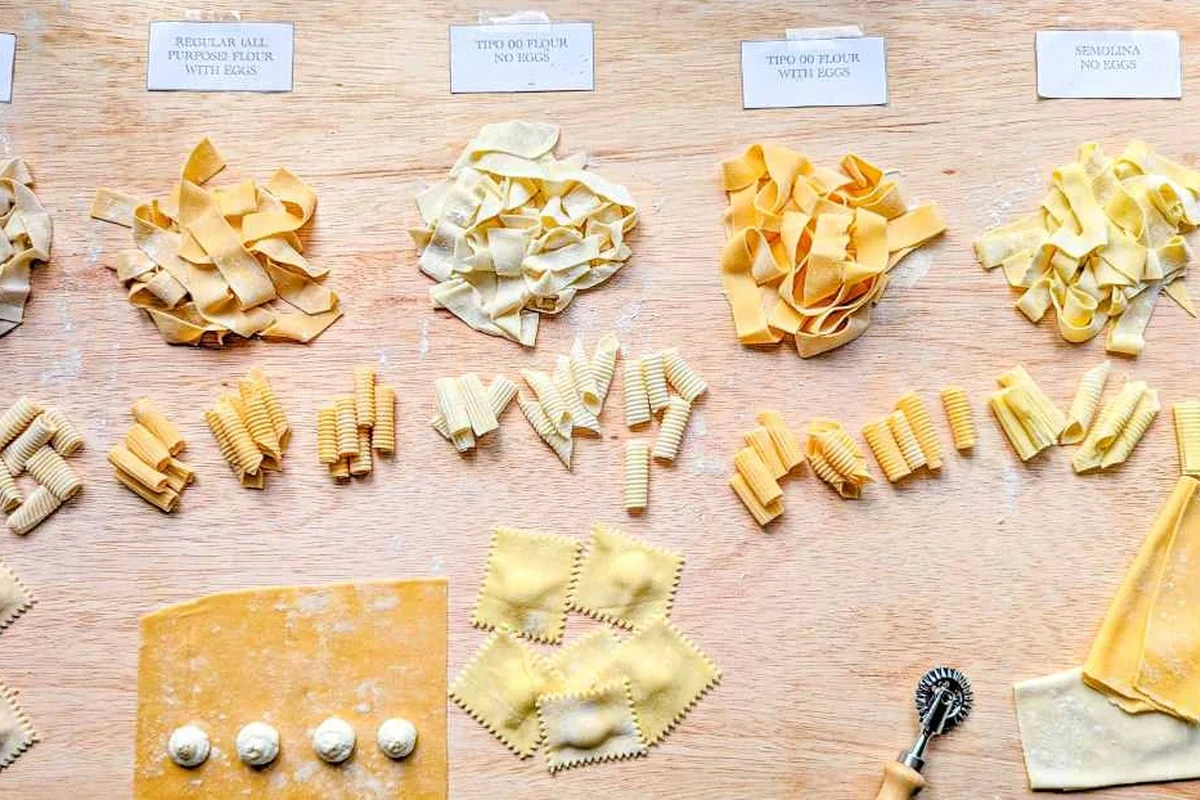
There is no single best flour for every pasta shape. Each flour brings its own feel, flavor, and handling style.
00 flour for silky, tender dough
00 flour is very finely milled. It feels soft and smooth, which helps make tender pasta sheets.
This flour is a favorite for ravioli, tagliatelle, and other fresh pasta shapes. It rolls out well and gives a refined texture.
“00” describes how finely the flour is milled, not a fixed protein level.
All-purpose flour for easy everyday pasta
All-purpose flour is the most practical choice for many home cooks. It is easy to find and works in many pasta recipes.
It may not feel as silky as 00 flour, but it still makes good fresh pasta. If you are learning, it is a great place to start.
If your dough feels sticky, rest it before adding lots more flour. Resting often helps more than extra dusting.
Semolina and durum flour for firm, chewy pasta
Semolina and durum flour come from hard wheat. They bring strength and a golden color to dough.
These flours work well for pasta that needs shape and chew. They are also common in dried pasta and extruded pasta shapes.
Whole wheat flour for a hearty, nutty taste
Whole wheat flour adds more flavor and a rustic feel. It gives pasta a nutty taste and a darker look.
It also absorbs more water than white flour. That means the dough can feel drier and rougher if you do not adjust hydration.
How Each Flour Works in Pasta Dough
To choose the right flour, it helps to know what it does inside the dough. Three things matter most: protein, grind size, and hydration.
Protein level and gluten strength
Protein helps build gluten. Gluten gives pasta its stretch and strength.
Flours with more protein usually make firmer pasta. Flours with less protein usually make softer pasta.
That is why semolina feels sturdy, while 00 flour feels delicate. All-purpose flour sits in the middle for many brands.
How grind size affects dough feel
Grind size changes how smooth the dough feels. Fine flour blends together quickly and rolls out with less roughness.
Coarser flour can feel sandy at first. It can still work well, but it may need more kneading and resting.
How hydration changes by flour type
Some flours drink more water than others. Whole wheat and semolina often need more moisture than 00 flour.
If you use the same water amount for every flour, the dough may end up too dry or too wet. Small changes make a big difference.
- Add water slowly so the dough stays easy to control.
- Let the dough rest before judging texture.
- Use a light dusting of flour, not a heavy layer.
How to Choose the Right Flour for Your Pasta Recipe
The best flour depends on the pasta shape and how you plan to make it. Thin filled pasta, hand-rolled noodles, and machine-made pasta each ask for a different feel.
Best flour for ravioli, fettuccine, and tagliatelle
For ravioli, 00 flour is a strong choice because it rolls thin and seals well. All-purpose flour also works if you want a more budget-friendly option.
For fettuccine and tagliatelle, 00 flour gives a smooth, elegant result. A blend of 00 and semolina can add a little more bite.
Best flour for hand-rolled pasta
Hand-rolled pasta benefits from a dough that is easy to stretch. 00 flour and all-purpose flour both help with that.
If you are rolling by hand, avoid a dough that feels too stiff. It can crack before you get it thin enough.
Best flour for pasta machines and extruded pasta
For a pasta machine, a smooth dough matters most. 00 flour is excellent here because it feeds through the rollers cleanly.
For extruded pasta, semolina often wins. It helps shapes hold their edges and keep their form during drying and cooking.
Fine flour helps dough pass through rollers with less tearing.
Durum-based flour helps pasta keep its form after shaping.
Benefits and Limits of Popular Pasta Flours
Each flour has a sweet spot. The key is knowing when it shines and when it falls short.
When 00 flour gives the best results
Use 00 flour when you want soft, smooth pasta with a refined feel. It is a great match for filled pasta and delicate noodles.
Its main limit is strength. Some doughs made with 00 flour can feel too soft if you overwork them or add too much liquid.
- Smooth texture
- Easy to roll thin
- Great for delicate pasta
- Can feel too soft for some shapes
- Not always the best for chewy pasta
When semolina makes more sense
Semolina makes more sense when you want structure. It helps pasta keep a firm bite and a bright, classic look.
It can be a little less forgiving for beginners. The dough may feel rougher and need more careful hydration.
When all-purpose flour is the smart budget choice
All-purpose flour is the smart budget choice when you want good results without buying special flour. It is easy to keep in the pantry and works in many recipes.
It may not give the same polished texture as 00 flour. Still, it is often the most useful flour for everyday home cooking.
Common Mistakes When Choosing Pasta Flour
Many pasta problems start with flour choice. A few simple mistakes can make dough harder to shape or cook.
Using the wrong flour for the pasta shape
Soft flour can struggle with shapes that need strength. Strong flour can feel too firm for thin filled pasta.
Match the flour to the job. That one habit solves a lot of pasta trouble.
Adding too much water or too much flour
Too much water makes sticky dough. Too much flour makes dry dough that cracks.
Try to adjust in small steps. A little at a time is safer than making a big correction.
Do not keep dumping flour into sticky dough. Rest it first, then adjust slowly if needed.
Mixing flours without a clear goal
Blending flours can be useful, but only if you know why you are doing it. Otherwise, the dough can become hard to predict.
For example, a 50-50 mix of 00 and semolina can balance softness and bite. That works well for many home cooks.
Practical Buying Guide for Pasta Flour in 2026
In 2026, you will see more flour choices in stores and online. The label matters more than the marketing name.
What to look for on the label
Check the flour type first. Look for 00, semolina, durum, or all-purpose.
If the package lists protein content, that can help too. Higher protein usually means stronger dough, but brand formulas vary.
- Flour type and grind
- Protein level if listed
- Intended use for fresh or dried pasta
- Package size you can use before it goes stale
Cost, value, and where each flour fits
All-purpose flour usually gives the best value for most households. It is flexible and easy to use in many recipes.
00 flour often costs more, but it can be worth it for special pasta nights. Semolina is also a solid value if you like firmer pasta.
Best flour blends for home cooks
Blends can help you get the best of both worlds. A common home-cook approach is mixing 00 flour with semolina.
That blend can make dough smoother than pure semolina and firmer than pure 00 flour. It is a nice middle ground for many recipes.
Final Recommendation: The Best Flour to Start With
If you want one simple answer, start with all-purpose flour. It is easy to find, easy to use, and good for learning the feel of pasta dough.
Once you are more comfortable, move to 00 flour for softer fresh pasta or semolina for firmer, chewier results.
Best all-around choice for beginners
All-purpose flour is the best all-around choice for beginners. It forgives small mistakes and still makes solid pasta.
If you only buy one flour to start, this is the safest pick for most home kitchens.
Best choice for richer texture and special recipes
Choose 00 flour when you want a smoother, more refined finish. Choose semolina when you want more bite and structure.
If you like to experiment, try a simple blend. That often gives the most balanced result.
For most home cooks, all-purpose flour is the best first choice for pasta. If you want a more delicate dough, use 00 flour, and if you want firmer pasta, choose semolina or durum flour.
- 00 flour makes smooth, tender fresh pasta.
- Semolina gives pasta more bite and strength.
- All-purpose flour is the easiest everyday option.
- Match the flour to the pasta shape and texture you want.
Frequently Asked Questions
Yes. All-purpose flour works well for many fresh pasta recipes and is easy for beginners. It may not feel as silky as 00 flour, but it still makes good dough.
00 flour is finely milled, so it helps make smooth, tender pasta dough. It works especially well for ravioli, tagliatelle, and other fresh pasta shapes.
Yes, but semolina makes a firmer dough with more bite. It is often best when mixed with another flour or used for pasta that needs more structure.
You can, and it often helps balance texture and strength. A common mix is 00 flour and semolina, which gives a smoother dough with a bit more chew.
00 flour and all-purpose flour are both good for hand-rolled pasta. They stay smooth and stretch well, which makes rolling easier.
All-purpose flour is the best first buy for most home cooks. It is flexible, affordable, and good for learning how pasta dough should feel.