Can Expired Pasta Sauce Make You Sick What to Know

Yes, expired pasta sauce can make you sick if it has spoiled or was stored badly. Check the seal, smell, and look before you use it.
Yes, expired pasta sauce can make you sick if it has spoiled or was stored badly. The date on the jar is only part of the story, so smell, look, and storage matter just as much.
- Seal matters: A bulging, leaking, or broken jar should go in the trash.
- Date is not everything: Best-by dates guide quality, not always safety.
- Opened sauce spoils faster: Refrigerate it right away and use clean utensils.
- Watch for warning signs: Mold, sour smells, fizzing, and odd texture mean toss it.
Can Expired Pasta Sauce Make You Sick? The Short Answer
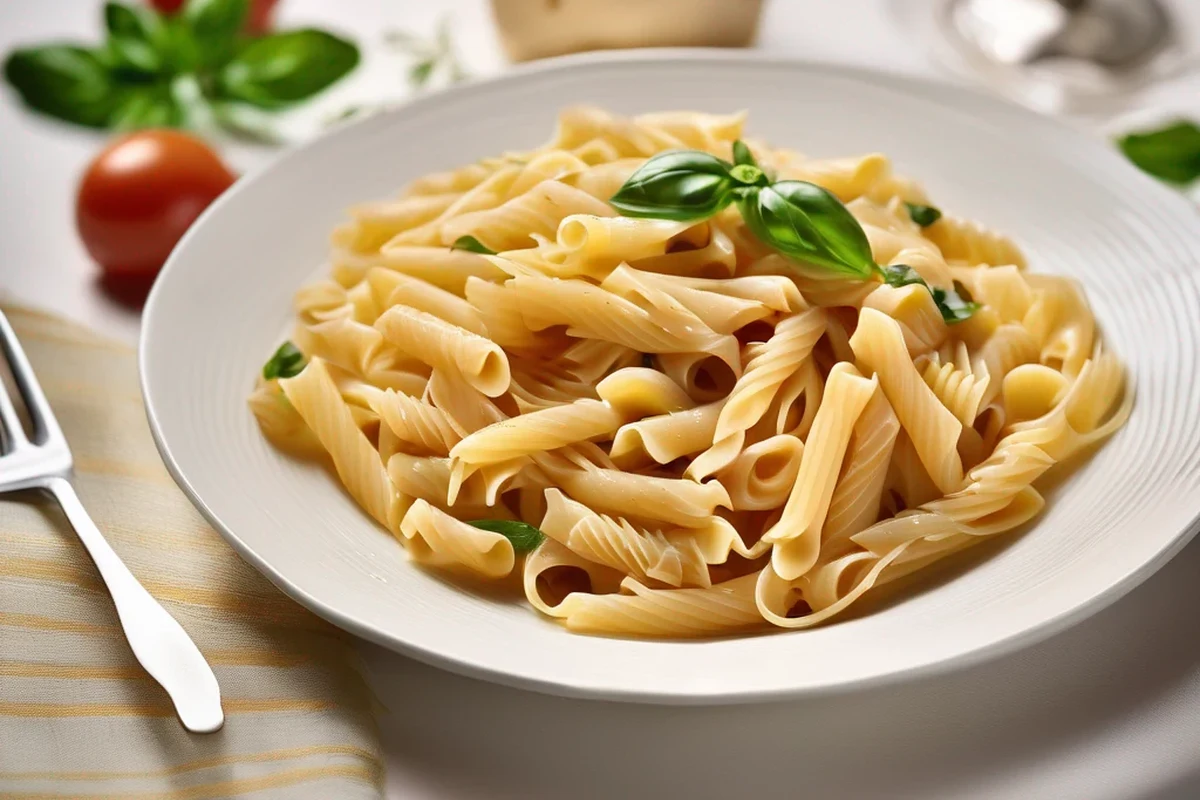
Yes, it can. Old pasta sauce may grow harmful germs, mold, or yeast if it sits too long or gets warm after opening.
But not every sauce with an old date is unsafe. An unopened jar can stay fine past the printed date if the seal holds and the jar looks normal.
The real risk comes from spoilage, poor storage, or damage to the jar or lid. If anything seems off, it’s safer to toss it.
If a jar is swollen, leaking, cracked, or spurts when opened, do not taste it. Throw it away right away.
How Pasta Sauce Spoils: What Changes Inside the Jar
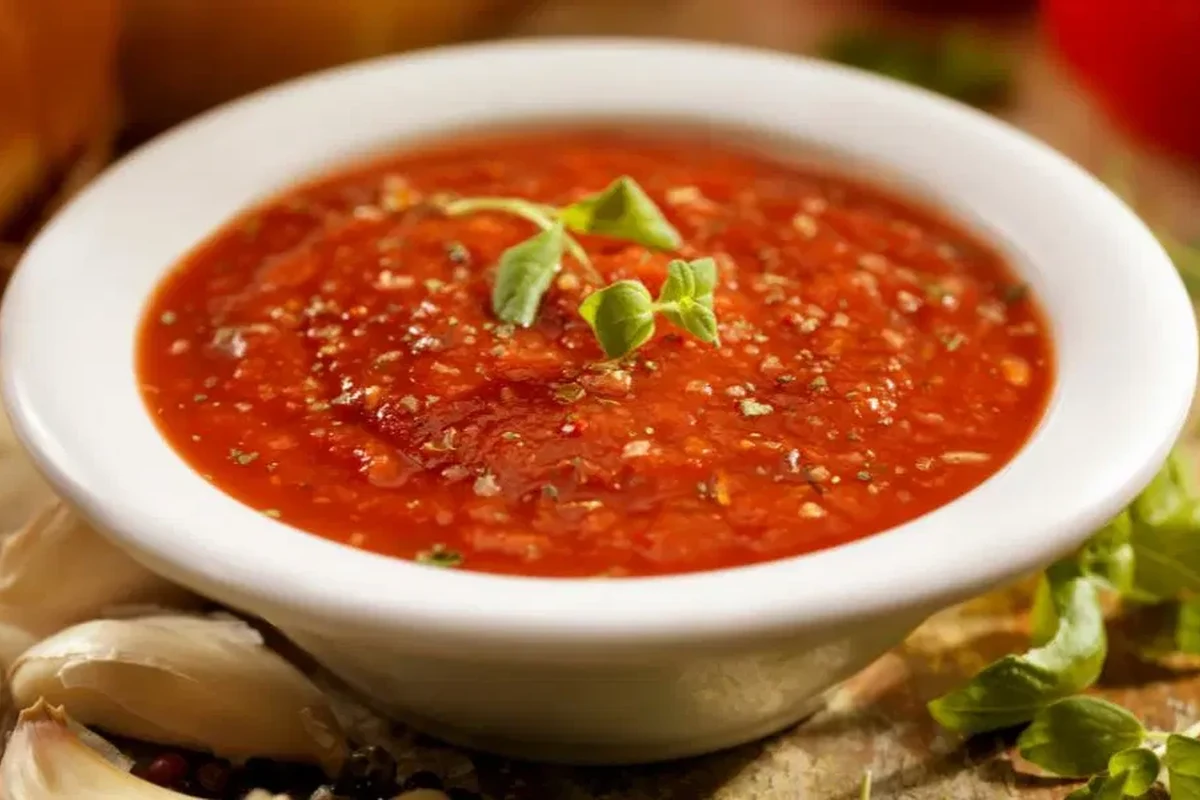
Pasta sauce spoils when germs or mold grow and start changing the food. Heat, air, dirty utensils, and time all speed that up.
Tomato sauce is acidic, which helps slow some germs. Still, it can spoil after opening, and some sauces are less acidic than others.
Once the seal breaks, the clock starts moving faster. That is why fridge storage matters so much.
Signs of spoilage in unopened sauce
Look for a bulging lid, rust, leaks, or a broken seal. These are strong signs the sauce should go straight in the trash.
Also check the jar itself. If the glass is cracked or the lid pops up when pressed, don’t use it.
Bad smells can matter too. A sour, rotten, or fermented smell after opening is a clear warning.
Signs of spoilage after opening
Opened sauce can spoil even if it looked fine yesterday. Mold, fizzing, slimy texture, or a sharp off smell are common red flags.
Color changes can help too. Dark spots, odd cloudiness, or a watery layer that smells strange can mean trouble.
When in doubt, don’t try to save it. A small taste test is not worth the risk.
Best-by Date vs. Expiration Date: What the Label Really Means
Many jars show a best-by date, not a true expiration date. That date usually tells you when the sauce tastes best, not when it turns unsafe.
So a jar may still be okay after that date if it stayed sealed and stored well. Still, the label gives you a useful freshness guide.
Use the date as a starting point, then check the sauce itself. That’s the safest way to judge it.
Different brands use different date language. Always read the jar label and follow any storage notes from the maker.
Common Risks From Eating Old Pasta Sauce
Old sauce can cause mild stomach upset or more serious food poisoning. The exact risk depends on what grew in it and how it was stored.
Some problems show up fast. Others take hours or even longer to cause symptoms.
If you feel sick after eating questionable sauce, pay attention to your symptoms and get medical help if they worsen.
Bacteria growth and food poisoning
Bacteria can grow in sauce that sits too long in the fridge or stays out on the counter. Warm storage gives them a better chance to multiply.
Food poisoning may cause nausea, cramps, vomiting, or diarrhea. Fever can happen too.
Even if the sauce smells normal, bacteria may still be present. That is why storage time matters.
Mold, yeast, and strange smells
Mold often grows where air reaches the sauce. You may see fuzzy spots, color changes, or a film on top.
Yeast can also spoil sauce. It may cause bubbling, sour smells, or a fizzy look.
Do not scrape off mold and keep eating the rest. Mold can spread farther than you can see.
Low-acid sauces and canning risks
Some pasta sauces include vegetables, meat, cream, or other low-acid ingredients. These can raise spoilage risk if they are not handled well.
Home-canned sauce needs extra care. If canning steps were not followed exactly, harmful bacteria can become a serious problem.
When a homemade jar looks suspicious, treat it with extra caution. If you are unsure, throw it out.
How to Check Pasta Sauce Before You Use It
A quick check can save you from a bad meal. Start with the package, then check the smell, look, and texture.
Take your time. If anything seems unusual, it’s better to waste a jar than risk getting sick.
What to look for on the lid, jar, and sauce
Check the lid for swelling, rust, or a loose seal. Look at the jar for cracks or leaks.
After opening, smell the sauce right away. It should smell like tomatoes, herbs, or spices, not sour or rotten.
Then inspect the surface. Mold, bubbles, or a strange film are all bad signs.
When to toss it right away
Throw it out if the seal is broken before opening. Also toss it if the jar was stored in heat or direct sun for too long.
Discard sauce that has sat in the fridge too long after opening. If you cannot remember when you opened it, that is a warning sign.
And if you see any mold, do not try to rescue it. That sauce is done.
- Check the seal, smell, and texture before cooking.
- Refrigerate opened sauce right away.
- Do not taste sauce that looks or smells off.
- Do not keep sauce with mold on the surface.
How Long Pasta Sauce Lasts in the Pantry and Fridge
Shelf life depends on the type of sauce and how you store it. The same jar can last a long time unopened, but much less time once opened.
Use the label as a guide, then use common sense. Storage conditions matter just as much as the date.
Unopened jarred sauce
Unopened jarred sauce often lasts past the best-by date if the seal stays tight. A cool, dry pantry helps it last longer.
Heat and sunlight can shorten shelf life. So can dents, rust, or a damaged lid.
If the jar looks normal and the seal is strong, it may still be usable. Still, check it carefully before cooking.
Opened sauce in the fridge
Once opened, sauce belongs in the fridge. Most opened jars should be used within a few days to a week, but follow the jar label when it gives a shorter time.
Always use a clean spoon. Double-dipping can add germs and shorten shelf life.
Keep the lid closed tightly. Air exposure can dry out the sauce and speed spoilage.
Homemade sauce storage
Homemade sauce usually needs even more care than store-bought sauce. It has no factory seal and often has more variation in ingredients.
Cool it fast, then refrigerate it in a clean container. Use it within a short time, or freeze it for later.
If you canned it at home, follow a trusted canning method exactly. Home canning mistakes can be dangerous.
How to Store Pasta Sauce Safely and Avoid Waste
Good storage keeps sauce safer and cuts down on waste. Small habits make a big difference here.
Think of it like this. A clean spoon and a tight lid can do a lot of work.
Best storage habits for jars and leftovers
Refrigerate opened sauce right away. Do not leave it out while you finish dinner or clean the kitchen.
Store leftovers in shallow, sealed containers if needed. That helps them cool faster and stay fresh.
Label homemade sauce with the date. It makes it much easier to use it on time.
Set a reminder on your phone when you open a jar. It helps you use the sauce before it sits too long.
Freezing sauce for longer use
Freezing is a smart way to save extra sauce. It works well for many tomato-based sauces and helps reduce waste.
Use freezer-safe containers and leave a little room for expansion. Freeze in meal-size portions for easier use later.
Thaw sauce in the fridge, not on the counter. Reheat it until it is steaming hot.
- Freeze extra sauce in small portions for quick meals.
- Write the open date on the lid with a marker.
- Use clean utensils every time you scoop sauce.
Final Verdict: When It’s Safe, When It’s Not, and What We Recommend
Can expired pasta sauce make you sick? Yes, it can, but the date alone does not tell the whole story. A sealed jar may still be fine after the best-by date, while an opened or damaged jar can be risky much sooner.
Our recommendation is simple. Trust your senses, check the seal, and follow fridge storage rules closely. If the sauce smells wrong, looks strange, or has any mold, toss it without tasting.
For home cooks, the safest habit is to store opened sauce well and freeze extra portions. That saves money, cuts waste, and lowers the chance of a bad meal.
Use unopened sauce with a good seal if it looks normal, but throw out any sauce with spoilage signs. After opening, refrigerate it fast, use clean utensils, and freeze leftovers when you can.
Frequently Asked Questions
Sometimes, yes. An unopened jar with a good seal may still be fine after the best-by date if it was stored well.
Look for a swollen lid, leaks, mold, sour smell, fizzing, or a strange texture. If you notice any of these, throw it out.
Opened sauce usually lasts only a few days to a week in the fridge, depending on the label and storage. Keep it sealed and use a clean spoon each time.
No. Mold can spread beyond what you can see, so the whole jar should be discarded.
It can if it was stored poorly or canned the wrong way. Homemade sauce needs careful cooling, clean storage, and trusted canning methods.
No. If the sauce smells off, looks strange, or has a broken seal, do not taste it.