Can You Use Pasta Sauce as Pizza Sauce for Better Flavor

Yes, you can use pasta sauce as pizza sauce. It works best when the sauce is thick and lightly seasoned.
Yes, you can use pasta sauce as pizza sauce. It works best when you thicken it a bit and taste it first, since pasta sauce is often milder and wetter than pizza sauce.
That said, it’s not always the best swap. Pizza sauce is built to handle high heat and a short bake, while pasta sauce is usually made for longer simmering.
- Yes, it works: Pasta sauce can replace pizza sauce in a pinch.
- Check thickness: Thin sauce can make the crust soggy.
- Taste first: Pasta sauce is often sweeter and more seasoned.
- Use less: A thin layer gives better pizza texture.
Can You Use Pasta Sauce as Pizza Sauce? The Short Answer
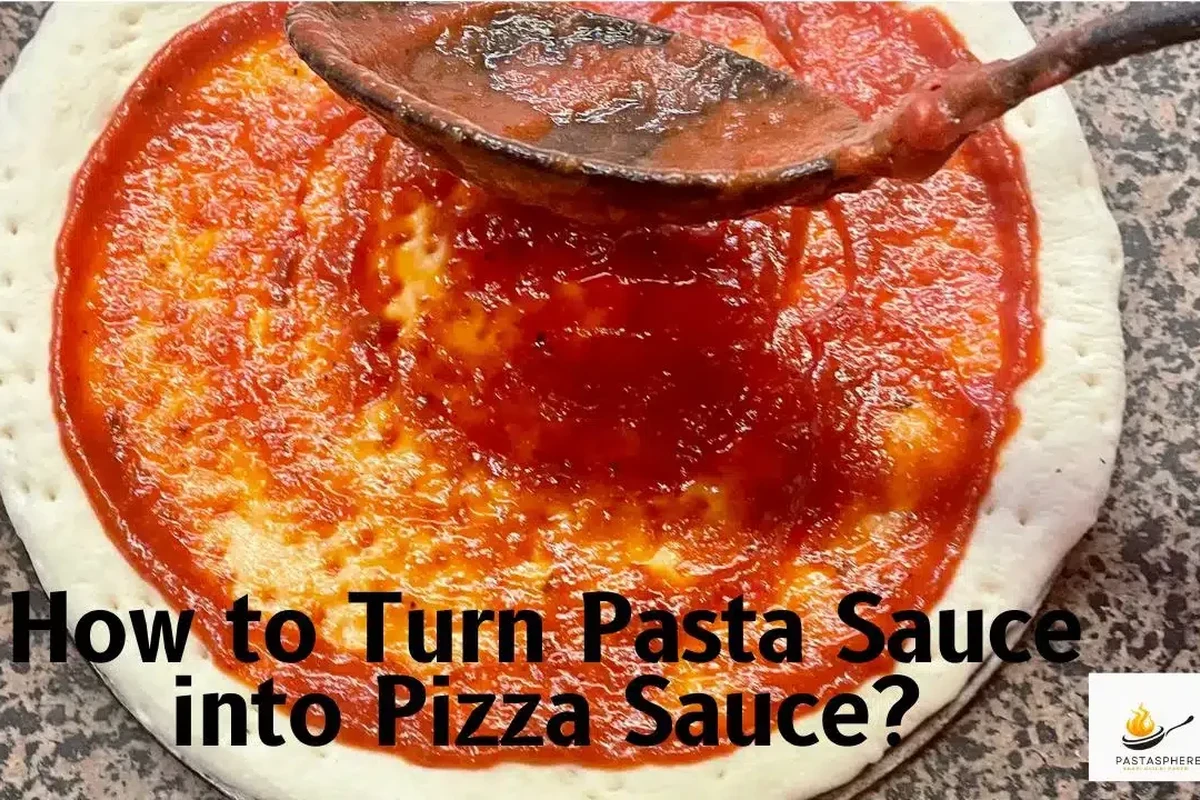
Yes, pasta sauce can work on pizza in a pinch. For many home cooks, it’s a handy shortcut when the fridge is low and dinner needs to happen fast.
The main thing to watch is moisture. If the sauce is too thin, your crust can turn soft before the pizza finishes baking.
Can you swap pasta sauce for pizza sauce without changing anything?
You can, but the result is often better if you reduce extra liquid and adjust the seasoning.
What Makes Pasta Sauce and Pizza Sauce Different
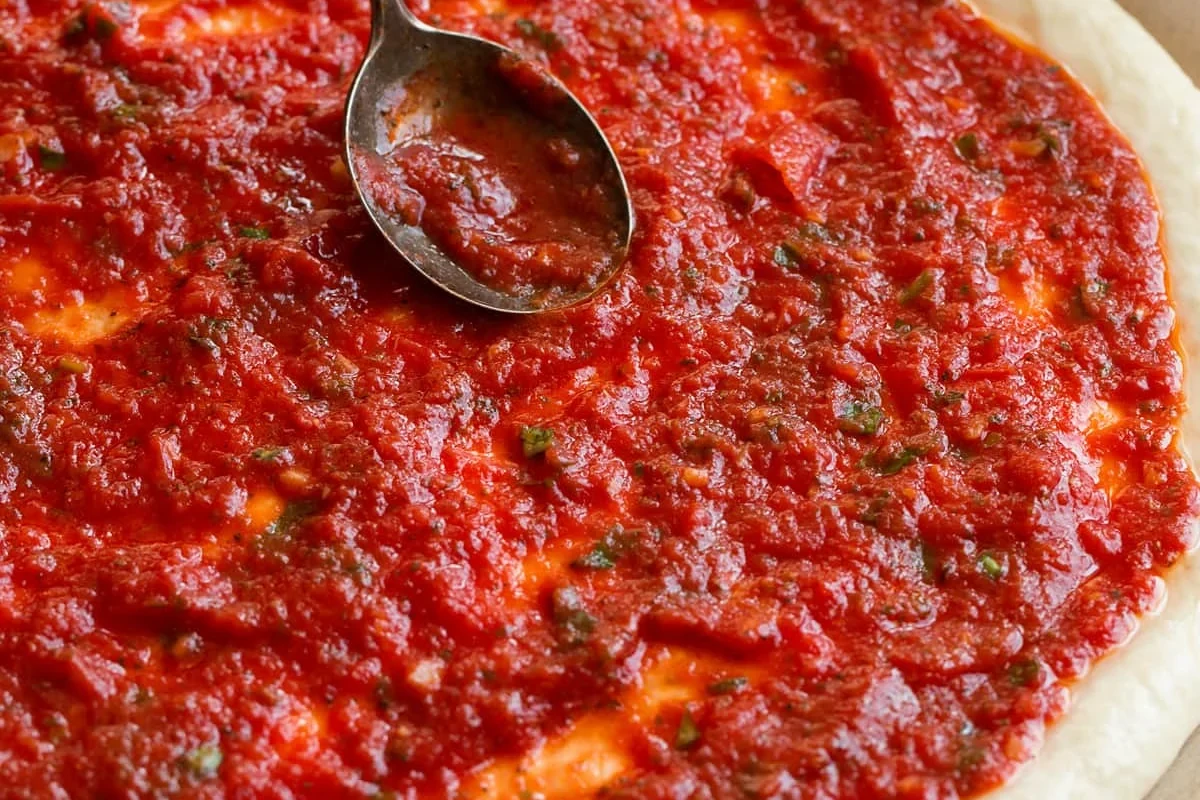
These two sauces start with similar ingredients, but they are built for different jobs. That difference matters once heat, cheese, and dough all come together.
Texture, thickness, and moisture
Pizza sauce is usually thicker. It spreads in a thin layer and stays put during baking.
Pasta sauce often has more liquid. It may also include more oil or chunky pieces, which can make the crust softer.
Flavor, seasoning, and sweetness
Pasta sauce often tastes sweeter and more rounded. It may also have more garlic, onion, basil, or oregano already mixed in.
Pizza sauce usually tastes sharper and more tomato-forward. That cleaner flavor helps it stand out under cheese and toppings.
Cooking style and heat exposure
Pizza sauce cooks fast in a hot oven. It needs to hold flavor without turning watery or dull.
Pasta sauce is often meant to simmer longer. That can make it taste great on noodles, but a little heavy on pizza.
Many pizza sauces use uncooked tomatoes or very light cooking to keep the flavor bright.
When Pasta Sauce Works Well on Pizza
Pasta sauce works best when you want an easy, flexible base. It’s a smart choice for weeknight pizza, flatbread, or a quick homemade pie.
Best pizza styles for pasta sauce
Thicker pasta sauces fit well on hearty pizzas. They also work on pan pizza, sheet pan pizza, and loaded veggie pies.
They can also suit deep-dish styles. Those pizzas already have more structure and can handle extra moisture better.
When the flavor fits your toppings
Pasta sauce pairs well with bold toppings. Think sausage, mushrooms, peppers, olives, or extra cheese.
It can also work with simple margherita-style pizza if the sauce is not too sweet. A quick taste test helps a lot here.
When store-bought sauce can save time
Store-bought pasta sauce is useful when you want dinner fast. You don’t need to open another jar or make sauce from scratch.
That said, not every jar is pizza-ready. Some need a quick tweak before they hit the dough.
- Choose thicker sauces for thin crust pizza.
- Taste before baking so you can fix sweetness.
- Keep toppings light if the sauce is already rich.
How to Turn Pasta Sauce Into Better Pizza Sauce
You usually don’t need a full recipe rewrite. Small changes can make pasta sauce behave more like pizza sauce.
Simple ways to thicken the sauce
If the sauce seems loose, simmer it for a few minutes. That can drive off extra water and help it cling to the crust.
You can also drain excess liquid from chunky sauce. For a smoother base, blend it lightly if needed.
Heat it gently in a small pan until some liquid cooks off.
Add a little salt, oregano, or garlic if the flavor feels flat.
Let it cool a bit so it does not soak the dough as much.
How to balance salt, garlic, and herbs
Pizza sauce should taste bold, but not heavy. If the pasta sauce is sweet, a pinch of salt can help balance it.
If it tastes bland, add dried oregano, a little garlic, or a touch of black pepper. Go slowly, since pasta sauce may already be seasoned.
How much sauce to use on each pizza
Use less sauce than you might think. A thin layer is usually enough for most home pizzas.
Too much sauce can drown the crust and make slicing messy. Start light, then add more only if needed.
Hot sauce can soften dough fast. If your crust is thin, keep the layer light and bake promptly.
Key Ingredients to Check Before You Use It
Before you spread pasta sauce on pizza, check the label or the jar contents. A few ingredients can change the result a lot.
Tomato base and sugar level
Look at the tomato base first. A sauce with strong tomato flavor usually works better than one that tastes very sweet.
High sugar can make the pizza taste more like a pasta dish. That may be fine for some toppings, but not for all.
Herbs, garlic, and oil content
Herbs are helpful, but too much can take over the pizza. Heavy oil can also make the top feel greasy.
If the sauce already has a strong garlic flavor, skip extra garlic at first. You can always add more later.
Chunks, seeds, and water level
Chunky sauce can be fine, but very watery sauce is a problem. It can keep the center from baking well.
If the sauce has a lot of seeds or tomato bits, that’s mostly a texture choice. Some people like it, while others prefer a smoother finish.
Ingredient labels vary by brand and region. When in doubt, taste the sauce and adjust it before baking.
Common Mistakes That Can Ruin Pizza Texture
Most pizza problems with pasta sauce come down to moisture and balance. A few small mistakes can make the crust soggy fast.
Using too much sauce
This is the most common issue. A thick blanket of sauce can make the pizza wet and hard to slice.
Use a spoon, then spread the sauce thinly. You want flavor in every bite, not a puddle in the middle.
Choosing a sauce that is too thin
Thin sauce can seep into the dough before the pizza sets. That often leads to a soft bottom crust.
If the sauce is thin, simmer it first or mix in a thicker sauce. Even a short reduction can help.
Skipping a taste test before baking
Don’t assume the sauce will taste right once it’s baked. Heat can make sweet sauces seem sweeter and salty sauces seem stronger.
Try a spoonful before you use it. That tiny step can save the whole pizza.
- Fast and convenient for busy nights
- Works with many common pantry sauces
- Can taste great with bold toppings
- May be too thin for crisp crusts
- Often sweeter than pizza sauce
- Needs quick seasoning tweaks
Safety, Storage, and Value Tips
Food safety and storage matter here too. A sauce that looks fine may still need a closer check before you use it.
How long opened sauce lasts in the fridge
Opened pasta sauce usually needs refrigeration after opening. Always follow the jar label, since storage advice can vary by brand.
Use a clean spoon each time you scoop it out. That helps keep the sauce in better shape longer.
When to toss sauce for quality or safety
Throw it out if you see mold, smell sour notes, or notice a strange color change. A swollen lid or damaged seal is also a bad sign.
If you are unsure, it’s safer to toss it. Sauce is not worth a stomachache.
Follow the jar storage directions and stop using any sauce that smells off or shows spoilage.
Budget-friendly ways to use leftovers
Leftover pasta sauce does not need to go to waste. You can use it on pizza, baked ziti, meatball subs, or as a quick dip for breadsticks.
That makes it a smart pantry helper. One jar can cover more than one meal.
Final Recommendation: Should You Use Pasta Sauce as Pizza Sauce?
Yes, you can use pasta sauce as pizza sauce, and it can taste very good. The best results come from a sauce that is thick, not too sweet, and lightly seasoned.
Best choice for busy home cooks
If you want dinner fast, use the pasta sauce you already have. Just check the texture and spread it thin.
Best choice for better flavor control
If you like to tweak flavor, pasta sauce gives you a good starting point. You can add salt, herbs, or garlic to shape it for pizza.
Best choice if you want a true pizza taste
If you want the most classic pizza flavor, use a real pizza sauce. It gives you better control over thickness and sweetness.
Pasta sauce is a solid pizza shortcut, especially for quick homemade meals. For the best crust and the most pizza-like flavor, thicken it first and keep the layer light.
- Pasta sauce can work well on pizza.
- Thicker sauce gives better crust results.
- Taste and adjust before baking.
- Use less sauce than you would on pasta.
Frequently Asked Questions
Yes, but the result is often better if you reduce extra liquid and adjust the seasoning. A thick, bold sauce usually works best on pizza.
Pasta sauce fits well on pan pizza, sheet pan pizza, and deep-dish styles. Those pizzas can handle a little more moisture than thin crust.
Simmer it to thicken the sauce, then taste and adjust salt, garlic, or herbs. Let it cool a bit before spreading it on the dough.
Use a thin layer. Too much sauce can make the crust soft and the pizza harder to slice.
If it pours like soup or leaves a watery ring, it is probably too thin. Simmering it first can help improve the texture.
It depends on the brand, so follow the jar label. Use a clean spoon and toss the sauce if it smells off or shows spoilage.