How to Keep Pasta from Boiling Over Fast Easy Tips

Use a bigger pot, boil the water first, then lower the heat after adding pasta. Stay close during the first few minutes and keep the lid off or cracked open.
Pasta boils over because starch, heat, and foam build up fast. The good news is that you can stop most messes with a bigger pot, a lower flame, and a little attention in the first few minutes.
- Big pot helps: More room means less foam spill risk.
- Heat matters most: Lower it after the boil returns.
- Stir early: Stir right after adding pasta, then again soon after.
- Lid off: Trapped steam can push foam higher.
Why Pasta Boils Over and What It Means

When pasta cooks, it gives off starch. That starch helps form foam on the water’s surface. If the pot is too full or the heat is too high, that foam rises fast and spills over the rim.
In short, a boil over is usually a foam problem, not a pasta problem.
The simple science behind foam and starch
Boiling water moves in strong bubbles. Pasta adds starch to that motion. The starch thickens the water a bit and helps trap air, which makes the foam rise.
Long noodles, fresh pasta, and very starchy pasta water can make this worse. A tight lid can also trap steam and push the foam higher.
Boil overs often happen right after pasta goes into the pot. That’s when starch and bubbling water meet at full force.
Common signs your pot is headed for a mess
You don’t need to wait for a spill. A pot often gives warning signs first.
- Foam starts climbing the sides of the pot.
- The boil looks wild and uneven.
- Water sloshes near the rim when you stir.
- The lid rattles or traps heavy steam.
If you spot these signs, act right away. A small change now can save you from a sticky stovetop later.
How to Keep Pasta from Boiling Over Fast
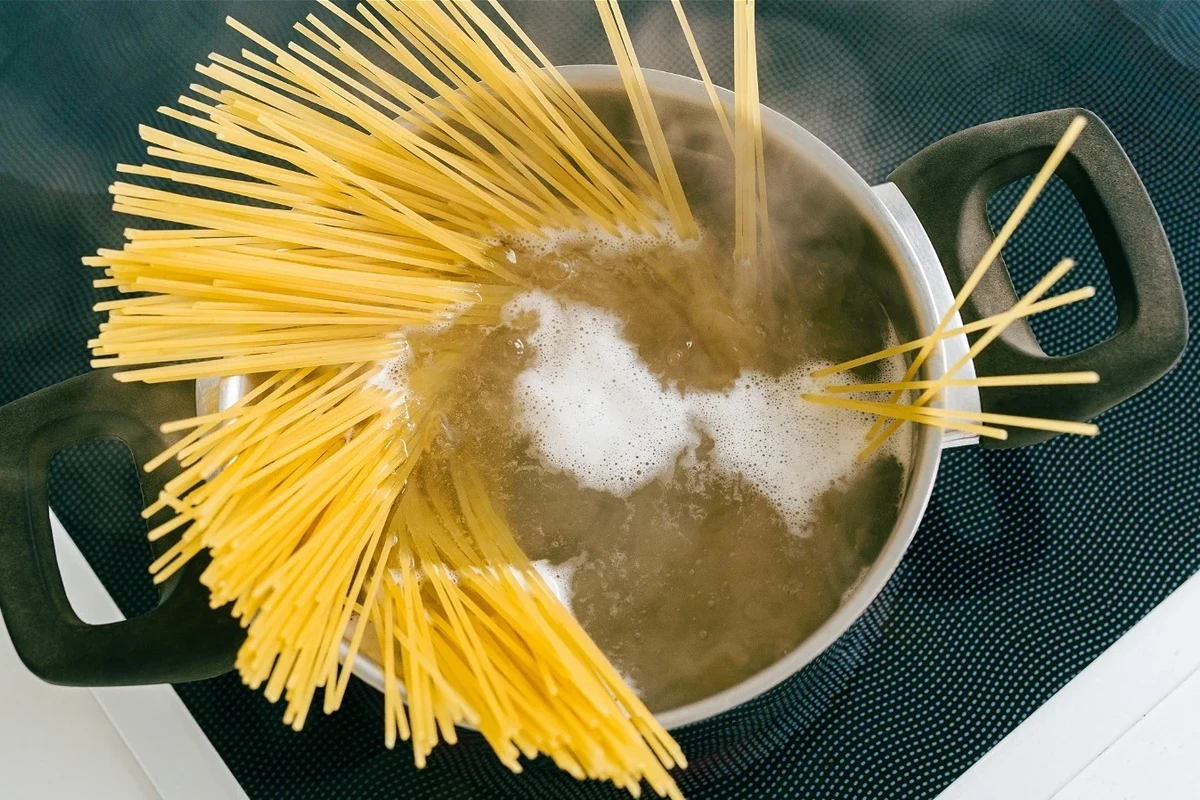
If you want the fastest fix, focus on heat, pot size, and stirring. These three steps solve most boil overs in normal home kitchens.
Lower the heat at the right time
Bring the water to a full boil first. Then add the pasta. Once the boil returns, lower the heat just enough to keep a steady boil.
You want active bubbles, not a violent rolling rush. Too much heat makes foam race upward.
Use a bigger pot with more water
A roomy pot gives foam more space to rise without spilling. More water also helps the temperature stay steadier after you add pasta.
That does not mean you need a giant stockpot for every meal. It just means the pot should not feel crowded.
Pot shape matters too. A wide pot often gives you more control than a narrow one with the same amount of water.
Stir early, then stir again
Stir right after you add the pasta. This keeps noodles from sticking and helps break up foam before it climbs.
Stir again after the boil comes back. For busy nights, those two quick stirs do a lot of work.
- Keep a spoon nearby before you start cooking.
- Stir near the edges where foam builds first.
- Lower heat sooner if the burner runs hot.
Best Tricks That Actually Help on Busy Nights
When dinner is moving fast, simple habits matter most. You do not need fancy tools to keep pasta under control.
Add pasta only after a full boil
Wait until the water is fully boiling before the pasta goes in. If you add noodles too early, the pot can spend too long in a messy middle stage.
A full boil gives you a cleaner start and better timing.
Leave the lid off or crack it open
A covered pot traps steam. That trapped steam can push foam higher and make a boil over more likely.
If you want to cover the pot for a moment, crack the lid so steam can escape. Never seal it tight while pasta cooks.
Hot steam can burn fast. Lift lids away from your face and keep hands clear of the vent path.
Watch the first few minutes closely
The first three to five minutes matter most. That is when foam often rises the fastest.
Stay near the stove during that window. After that, the pot usually settles down a bit.
Ingredients and Tools That Can Make a Difference
Some kitchen basics make pasta easier to control. The right setup can reduce stress before the water even starts boiling.
Pot size, water amount, and burner strength
A small pot on a strong burner is a common boil-over trap. The water heats fast, foam builds fast, and there is little room to spare.
Use enough water for the pasta type and pot size. Also, know your burner. Some stoves run hotter than you expect.
Salt, oil, and why they work differently
Salt helps season pasta, but it does not stop boil overs. Oil also does not solve the foam problem in a reliable way.
Some cooks add oil hoping it will calm the water. In practice, the bigger wins come from heat control and pot choice.
Do not rely on oil to prevent boil overs. It can make the pot slippery and create cleanup issues.
Useful kitchen tools for easier control
A wide, heavy pot gives steadier heat control. A long spoon helps you stir without crowding the steam.
A simple timer also helps. It keeps you from wandering off during the risky first minutes.
Gives foam more room and lowers spill risk.
Helps you stir safely away from hot steam.
Common Mistakes That Cause Boil Overs
Most pasta messes come from a few repeat habits. Once you know them, they are easy to avoid.
Using a small pot for too much pasta
This is one of the biggest causes of boil overs. Too much pasta crowds the water and leaves no buffer when foam rises.
If the pot looks packed before cooking even starts, switch to a larger one.
Walking away right after adding noodles
That is usually when trouble starts. Foam can rise quickly, and a few seconds matter.
Stay close until the boil settles again. Think of it like toasting bread. The first minute needs your eyes on it.
Turning the heat down too late
If the pot is already racing toward the rim, waiting too long makes the mess worse. Lower the heat as soon as the boil gets too active.
You want control before the foam reaches the top.
- Early heat control keeps foam manageable
- Bigger pots reduce overflow risk
- Stirring helps prevent sticking and spills
- Small pots crowd the boil
- High heat can push foam fast
- Walking away invites a mess
Safety Tips for Preventing Mess and Burns
Boil overs are not just annoying. They can also cause burns, slippery floors, and stove messes that are hard to clean.
What to do if foam rises fast
Turn the heat down right away. If needed, lift the pot off the burner for a few seconds.
Do not grab the handle carelessly. Use a dry mitt or towel if the handle is hot.
How to handle hot water spills safely
Step back first. Steam and splash water can burn skin fast.
Let the area cool before wiping it up. Clean spills carefully so you do not slip or spread starch around the stove.
When to move the pot and when not to
Move the pot only if you can do it safely. A full, boiling pot is heavy and unstable.
If the handle feels loose, the pot wobbles, or the spill is already bad, keep your hands clear and focus on lowering the heat.
Best Methods, Limits, and What Works in Real Kitchens
Real kitchens are busy. That means the best method is the one you can repeat every time, even when dinner is late.
Quick fixes for short pasta, long pasta, and fresh pasta
Short pasta often needs less stirring, but it can still foam fast. Long pasta can crowd the pot if you force it in before it softens.
Fresh pasta is more delicate and can release starch quickly. It often needs close watching and a gentler boil.
| Option | Best For | Key Consideration |
|---|---|---|
| Short pasta | Quick weeknight meals | Still watch for foam after adding |
| Long pasta | Classic spaghetti or linguine | Use a pot wide enough to fit it well |
| Fresh pasta | Fast cooking and softer texture | Needs close attention because it cooks fast |
Which methods are most reliable for home cooks
The most reliable method is simple. Use a big enough pot, boil first, add pasta, stir, then lower the heat if needed.
That routine works because it tackles the main causes of boil overs. It does not depend on special gadgets or guesswork.
Use a larger pot, keep the lid off, and watch the first few minutes.
Stay close, lower heat early, and move the pot only when it is safe.
When a boil over is hard to avoid
Some situations make spillovers more likely. A very small pot, a strong burner, or a crowded stove can all work against you.
If you are cooking a large batch, use a bigger pot from the start. That is often the simplest fix.
A simple pasta setup that stays in control
The best setup is not fancy. It is roomy, steady, and easy to watch.
Final Recommendation for Easy Pasta Cooking
If you want the shortest path to better pasta nights, keep the pot roomy and the heat under control. That one habit solves most boil overs.
For everyday home cooking, the best routine is: full boil, add pasta, stir, then lower the heat and stay nearby.
The best simple routine to follow every time
Use a larger pot than you think you need. Keep the lid off. Stir early. Watch the foam.
If the boil gets too wild, turn the heat down before the water reaches the rim.
What Red Kitchen Project recommends most
Red Kitchen Project recommends a practical, low-stress approach. Focus on pot size, heat control, and close attention during the first few minutes.
That method is simple, safe, and easy to repeat. If you still get boil overs often, check your stove’s heat level and your pot size before the next batch.
- Use a bigger pot and enough water.
- Boil first, then add pasta and stir.
- Lower the heat once the boil gets strong.
- Keep the lid off or cracked open.
- Stay close during the first few minutes.
Frequently Asked Questions
Pasta gives off starch that helps trap foam. When the pot is too full or the heat is too high, that foam rises and spills over.
It is better to leave the lid off or crack it open. A tight lid traps steam and can push the foam higher.
Oil does not reliably stop boil overs. Heat control, a bigger pot, and stirring work much better.
Turn the heat down right away and, if needed, lift the pot off the burner for a few seconds. Use caution because steam and hot water can burn.
Fresh pasta can release starch quickly and may need closer watching. It often cooks fast, so the first minutes matter most.
Let the area cool before wiping it up. Clean carefully so you do not get burned or slip on the spill.