What to Do With Leftover Tomato Paste 7 Easy Ideas

Use leftover tomato paste in cooked dishes like sauce, soup, chili, or pizza sauce. If you can’t use it soon, freeze it in small portions.
If you have leftover tomato paste, don’t toss it. You can stir it into sauces, soups, chili, and marinades, or freeze it for later. The best move depends on how much you have and how soon you’ll cook again.
- Best use: Cook it briefly first for richer flavor.
- Easy saves: Freeze small portions for later meals.
- Storage matters: Seal opened paste well and keep it cold.
- Label check: Watch for salt and added sugar in the ingredients.
- Waste reduction: Choose package sizes that fit how you cook.
What to Do With Leftover Tomato Paste: The Quick Answer

Leftover tomato paste works best in small amounts. It adds rich tomato flavor, deeper color, and a little thickness to many dishes.
If you only need a spoonful or two, use it right away in a recipe. If you have more than that, portion it and freeze it so nothing goes to waste.
Tomato paste is concentrated tomato puree. That’s why a small amount can change a whole dish.
7 Easy Ways to Use Leftover Tomato Paste
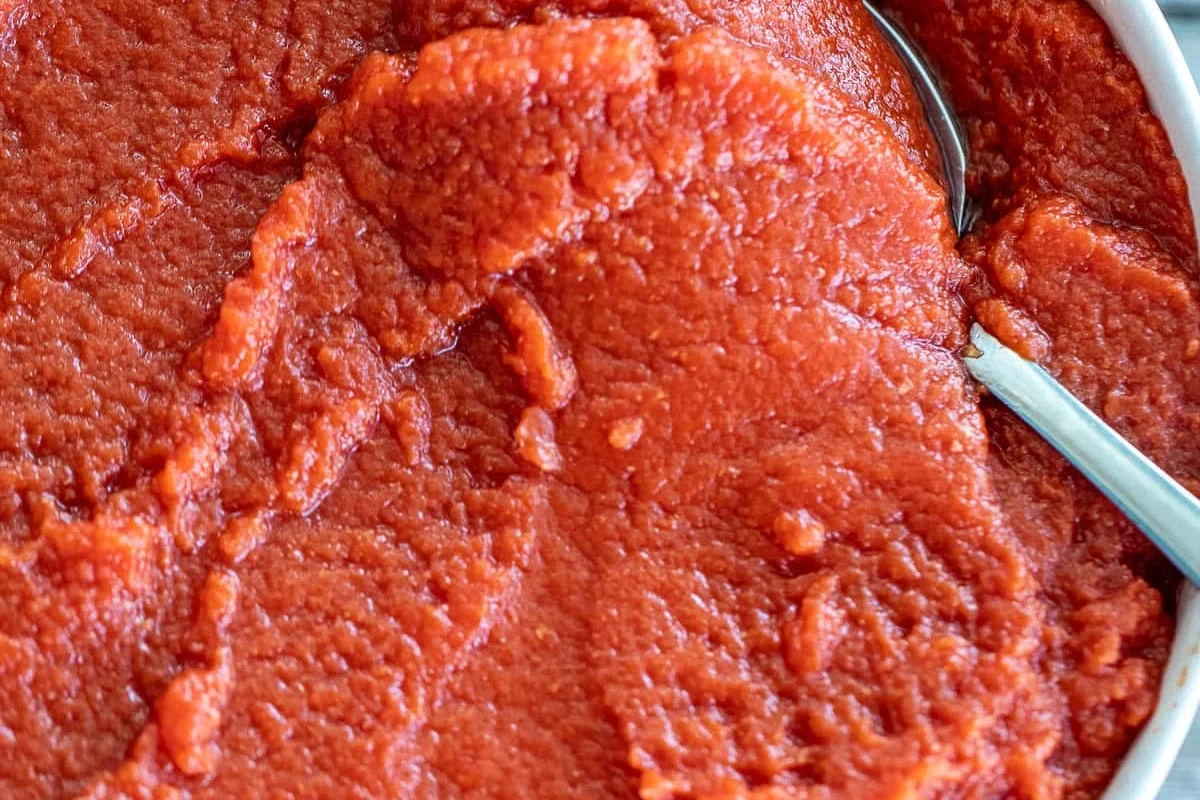
Tomato paste is one of those pantry items that pulls a lot of weight. It can make a simple meal taste slower cooked and fuller.
Here are seven easy ways to use it well.
Stir It Into Pasta Sauce
This is the most natural use. Add a spoonful to garlic, onion, olive oil, and canned tomatoes for a richer sauce.
Cook it for a minute first. That helps remove the raw taste and brings out a sweeter, deeper flavor.
Let tomato paste sizzle in oil for a short time before adding liquid.
Build a Fast Soup Base
Tomato paste gives soups a stronger base. It works well in vegetable soup, bean soup, and tomato-based noodle soup.
Stir it into onions, celery, and broth. Even a small amount can make the soup taste more complete.
Add Depth to Chili and Stews
Chili and stew need body, and tomato paste helps with that. It adds color, a mild tang, and a thicker feel.
Use it early in the cooking process. That gives the flavor time to blend with meat, beans, and spices.
Make a Simple Pizza Sauce
You can turn tomato paste into quick pizza sauce with water, olive oil, garlic, and herbs. It’s a handy fix when you don’t have jarred sauce.
Keep the mix thick. Pizza sauce should spread well without soaking the crust.
Boost Rice, Beans, and Grain Bowls
Tomato paste can lift plain grains and beans. Stir it into rice while it cooks, or mix it into black beans, lentils, or farro.
This works well when you want a fast side dish with more flavor and color.
Mix It Into Marinades and Dressings
Tomato paste adds a savory note to marinades. It pairs well with vinegar, oil, garlic, soy sauce, and spices.
You can also whisk a little into salad dressing for a bolder, tangy taste. Use a light hand so it doesn’t take over.
Freeze It for Later Use
If you won’t use it soon, freeze tomato paste in small portions. Ice cube trays work well for this.
Once frozen, move the cubes to a sealed bag or container. That makes it easy to grab just what you need.
Portion size matters. Small frozen amounts are easier to use than one large block.
How Tomato Paste Works in Cooking
Tomato paste is more than a tomato flavor boost. It also changes texture, color, and the overall feel of a dish.
Flavor, Texture, and Color
Flavor is the main reason cooks use it. Tomato paste adds a concentrated tomato taste with a little acidity and sweetness.
It also thickens sauces and stews. That helps dishes feel richer without adding cream or extra starch.
And of course, it deepens the color. A little paste can make a pale sauce look more finished.
Adds strong tomato taste in a small amount.
Helps sauces and soups feel fuller.
Makes dishes look richer and more inviting.
How Much to Use in Common Recipes
Start small. For many recipes, one to two tablespoons is enough to make a clear difference.
In a large pot of chili or soup, you may use more. In a dressing or marinade, a teaspoon may be plenty.
If you’re unsure, add less than you think you need. You can always add more after tasting.
Use tomato paste early, then taste before adding more.
What You Need to Know Before Using It
Not all tomato paste is the same. A quick label check can help you avoid salty or sweet results you didn’t want.
Ingredients, Salt, and Added Sugar
Some tomato paste is just tomatoes. Others include salt, citric acid, or added sugar.
That matters if you’re watching sodium or want full control over flavor. Check the ingredient list before you cook.
If you have food allergies or diet limits, read the label every time. Formulas can vary by brand and country.
Fresh Paste vs. Canned Paste
Canned, jarred, and tube tomato paste all do the same basic job. The main differences are packaging, shelf life, and how easy they are to store.
Tube paste is often easier for small households because you can squeeze out just a little. Cans are useful for bigger batches, but they need better storage after opening.
How to Store Leftover Tomato Paste Safely
Proper storage keeps tomato paste from drying out or spoiling too soon. It also makes the next meal easier.
Fridge Storage Tips
Put leftover paste in a clean, sealed container. You can also smooth it into a layer, cover the surface, and refrigerate it.
Use a clean spoon each time. That helps keep out moisture and crumbs that can speed up spoilage.
Freezer Storage Tips
Freeze paste in small portions if you won’t use it within a few days. A teaspoon or tablespoon size is practical for most home cooking.
Label the container with the date if you like. That makes it easier to keep track of what you have.
- Freeze small portions for faster use later.
- Keep the container sealed to reduce freezer burn.
- Thaw only what you need for one recipe.
Signs It Has Gone Bad
Throw it out if you see mold, a bad smell, or a strange color shift. Dry edges alone are not always a problem, but spoilage signs are.
When in doubt, don’t use it. Food safety is more important than saving a spoonful.
Follow the package storage guidance and stop using any paste that smells off or shows mold.
Common Mistakes to Avoid
Tomato paste is simple, but a few small mistakes can make it taste harsh or get wasted too fast.
Using Too Much Paste
Too much paste can make a dish taste sharp or heavy. It can also make a sauce thicker than you want.
Start with less, taste, and adjust. That’s the easiest way to keep balance.
Skipping the Cook Time
Raw tomato paste can taste flat or tinny. A short cook in oil or with aromatics usually improves it.
This step is quick, but it matters. It helps the paste blend into the dish instead of sitting on top of it.
Letting the Tube or Can Dry Out
Air is the enemy here. Once the paste dries out, it becomes harder to scoop and easier to waste.
Seal it well after each use. If you know you won’t finish it soon, freeze the rest right away.
- Store leftovers in small, sealed portions.
- Cook the paste briefly before adding liquid.
- Taste first, then add more if needed.
- Leaving an opened can uncovered.
- Using spoiled or moldy paste.
- Dumping in too much at once.
Value, Waste Reduction, and Smart Buying Tips
Leftover tomato paste is a good reminder that package size matters. Buying a format that fits your cooking habits can save money and reduce waste.
When Small Cans Make More Sense
Small cans work well if you cook tomato-based meals often. They’re also useful if you use the whole can in one recipe.
If you only need a little now and then, a tube or smaller package may be smarter. It gives you more control and less waste.
How to Choose the Right Product Size
Think about how often you cook with tomato paste. If you make pasta sauce, chili, or soup every week, a larger format may fit your routine.
If not, choose the smallest size that still feels practical. The right choice is the one you can finish before it dries out.
Final Recommendation: The Best Way to Use Every Last Spoonful
The best answer to what to do with leftover tomato paste is simple. Use it in a cooked dish soon, or freeze it in small portions for later.
For most home cooks, the smartest habit is to portion it right away. That gives you less waste, faster meal prep, and better flavor the next time you cook.
Use leftover tomato paste in sauces, soups, chili, and grain dishes, then freeze extra portions. If you cook with it often, buy the size you can finish before it dries out.
- Use tomato paste in cooked dishes for deeper flavor.
- Freeze extra paste in small portions for later.
- Check the label for salt and added sugar.
- Store opened paste well and watch for spoilage.
Frequently Asked Questions
Yes, freezing is one of the best ways to save it. Portion it into small amounts first so you can thaw only what you need.
It depends on the package, storage, and freshness when opened. Keep it sealed and follow the label guidance, then discard it if it smells off or shows mold.
For best flavor, yes. A short cook in oil or with aromatics helps remove the raw taste and deepens the flavor.
You can stir it into pasta sauce, soup, chili, rice, beans, or a quick marinade. Even a small amount can add color and richness.
It depends on how you cook. Tube paste is easier for small amounts, while canned paste can make sense for bigger batches.
Look for mold, a bad smell, or an odd color change. If anything seems off, throw it out.