How to Add Protein to Pasta for a Healthy Meal

Add protein to pasta by choosing one main protein that fits the sauce. Chicken, beans, tuna, lentils, and Greek yogurt are the easiest all-around options.
If you want a more filling pasta dinner, the easiest move is simple. Add a solid protein, keep the sauce balanced, and use vegetables or healthy fats to round it out.
- Best match first: Pick protein that fits your sauce before anything else.
- Easy wins: Chicken, tuna, beans, and lentils work in most pasta dishes.
- Keep it balanced: Use enough sauce so the pasta stays moist and flavorful.
- Meal prep tip: Store sauce and pasta separately when you can.
How to Add Protein to Pasta: The Best Ways for a Healthy Meal
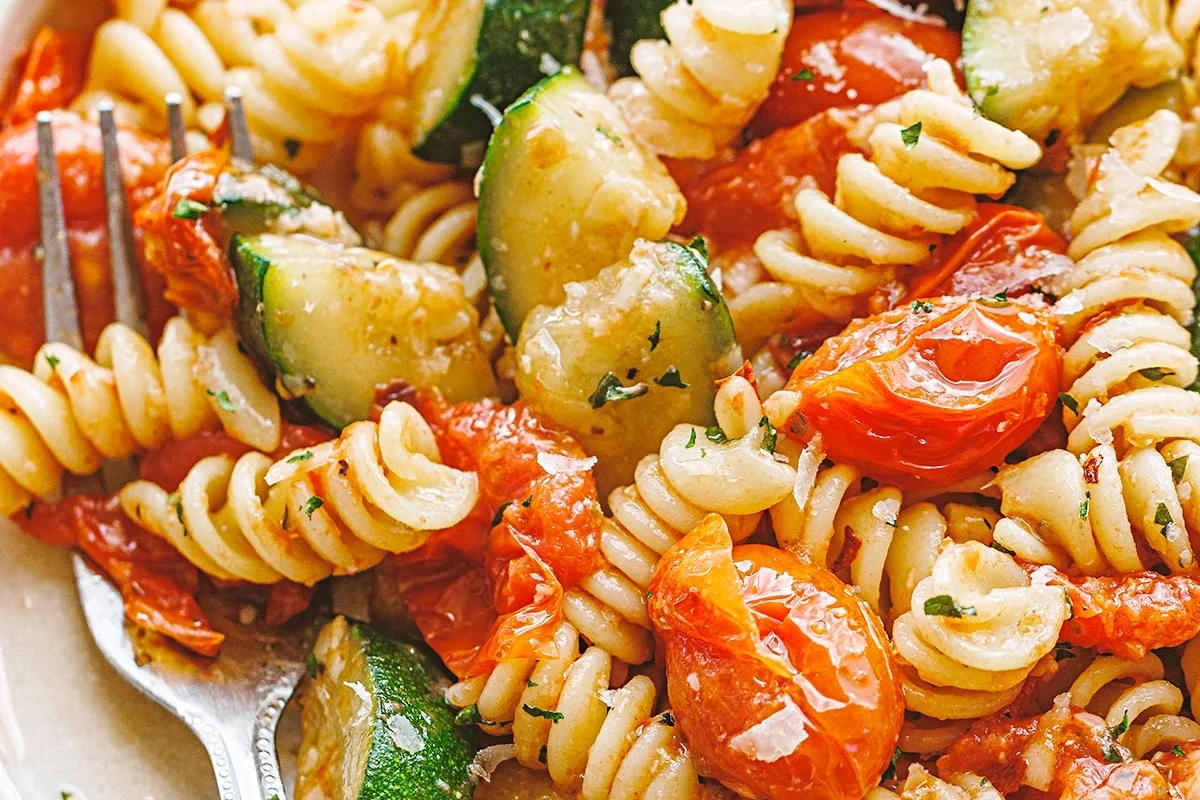
Protein helps pasta feel like a full meal, not just a side dish. It can also make leftovers more useful for lunch the next day.
The good news is that you do not need a fancy recipe. You can stir protein into almost any pasta dish, from red sauce to creamy bowls to cold salads.
What “protein-boosted pasta” really means
Protein-boosted pasta simply means a pasta meal with more protein than plain noodles and sauce. That protein can come from meat, seafood, beans, dairy, tofu, or even a mix of foods.
The goal is not just a bigger portion. It is a better balance of carbs, protein, and other nutrients.
Adding protein can also slow how fast a meal feels digested. That often helps pasta feel more satisfying.
Quick answer: the easiest ways to raise protein fast
If you want the fastest fix, use cooked chicken, tuna, beans, or cottage cheese. These are easy to mix into many pasta types.
You can also use lentils in sauce, shrimp in garlic pasta, or Greek yogurt in a creamy dish. Even a little cheese helps, though it should not be your only protein source.
How much protein a pasta meal should aim for
There is no single perfect number for everyone. A good target for many adults is a meal that feels balanced and keeps you full for a few hours.
That often means pairing pasta with a clear protein source and some vegetables. If you have special health goals, a dietitian can help set a better target.
Protein needs vary by age, activity, and health. What works for one person may not fit another.
Best Protein Sources to Mix Into Pasta

Different proteins change the dish in different ways. Some blend in well, while others stand out more.
Meat options like chicken, turkey, beef, and sausage
Cooked chicken is one of the easiest add-ins. It works in creamy pasta, tomato sauce, soup-style pasta, and baked dishes.
Turkey is a good lighter choice. Ground beef and sausage bring a stronger flavor and work well in rich sauces.
Ground turkey
Ground beef
Italian sausage
Seafood options like tuna, salmon, shrimp, and sardines
Seafood can add protein without making pasta feel too heavy. Tuna works well with lemon, tomato, or olive oil sauces.
Shrimp cooks fast and pairs well with garlic. Salmon and sardines bring more bold flavor, so they work best in simple sauces.
Plant-based options like beans, lentils, tofu, and tempeh
Plant proteins are flexible and budget friendly. Beans and lentils are easy to stir into tomato sauce or pasta salad.
Tofu and tempeh work best when they are well seasoned. They soak up sauce well, which makes them a smart choice for many home cooks.
Dairy add-ins like Greek yogurt, cottage cheese, and cheese
Dairy can add protein and creaminess at the same time. Greek yogurt and cottage cheese work especially well in creamy pasta sauces.
Cheese adds protein too, but it usually works best as part of the mix. Think of it as support, not the main protein source.
- Choose one main protein and one small support ingredient.
- Match strong flavors with strong sauces.
- Use softer proteins for creamy pasta and firmer ones for salads.
How Each Protein Option Changes Taste, Texture, and Nutrition
The best protein depends on the kind of pasta you want. A creamy bowl needs different add-ins than a bright, cold pasta salad.
Best choices for creamy pasta dishes
Creamy pasta works well with chicken, shrimp, cottage cheese, and Greek yogurt. These ingredients blend into the sauce without fighting it.
Tofu can also work if you blend it into the sauce or season it well. It gives the dish a softer, smoother feel.
Best choices for tomato-based pasta dishes
Tomato sauce pairs well with beef, turkey, sausage, lentils, and tuna. These ingredients stand up to the sauce and add depth.
If you want a lighter result, chicken or white beans work too. They keep the dish hearty without making it too rich.
Best choices for cold pasta salads and meal prep
Cold pasta salads do best with proteins that stay firm. Beans, chickpeas, tuna, chicken, and diced cheese are all easy choices.
Shrimp can work too, but it needs careful storage and quick use. For meal prep, simple proteins usually hold up best.
High-protein options that stay budget-friendly
Beans, lentils, eggs, cottage cheese, and canned tuna are often the best value. They stretch well and fit many pasta dishes.
Ground turkey can also be a smart pick when you want a meat option without a heavy cost. The best value usually comes from foods that are easy to use in more than one meal.
Pick the protein that fits the sauce first, then think about cost and prep time.
How to Add Protein to Pasta Without Ruining the Dish
A good pasta bowl tastes balanced. The protein should support the sauce, not take over the whole plate.
When to cook the protein before mixing it in
Most meat and seafood should be cooked before they go into the pasta. That helps with both safety and texture.
Beans, tofu, cottage cheese, and cooked lentils can go in near the end. They only need warming or gentle mixing.
How to balance sauce, pasta, and protein
A common mistake is adding too much protein without enough sauce. The dish can end up dry or crowded.
Try to keep the sauce as the main binder. Then add enough protein to make the meal filling.
How to keep pasta from drying out
Save a little pasta water before draining. That starchy water can loosen sauce and help everything coat better.
If you are reheating leftovers, add a splash of water or sauce. Heat it gently so the pasta does not turn tough.
Add protein after the sauce is ready. That helps you control texture and keeps delicate foods from overcooking.
Easy flavor pairings that work well together
Chicken and Alfredo is a classic for a reason. Tuna and lemon pasta also works well, especially with herbs.
For tomato sauce, try turkey, sausage, lentils, or white beans. For creamy pasta, try chicken, shrimp, Greek yogurt, or cottage cheese.
Common Mistakes When Adding Protein to Pasta
Most pasta problems come from balance, not from the protein itself. A few small changes can fix a lot.
Using too much protein and overpowering the pasta
If the protein takes over, the pasta stops feeling like pasta. You lose the sauce, the texture, and the comfort factor.
Use a moderate amount and let the other ingredients do their part.
Choosing a protein that clashes with the sauce
Not every protein fits every sauce. Strong fish can clash with mild cream sauce, and some spicy sausage can overpower delicate noodles.
Match the strength of the protein to the strength of the sauce. That simple rule solves many problems.
Overcooking meat, seafood, or pasta
Overcooked pasta gets mushy fast. Overcooked shrimp turns rubbery, and dry chicken can make the whole dish less pleasant.
Cook each part just until done. Then combine them with the sauce at the end.
Forgetting fiber, vegetables, and healthy fats
Protein helps, but it should not be the only upgrade. Vegetables add color, fiber, and freshness.
A little olive oil, nuts, or avocado can also make the meal feel more complete. That matters for both taste and fullness.
Follow safe food handling rules for meat, seafood, eggs, and dairy. When in doubt, use the package instructions and official food safety guidance.
Safety, Storage, and Meal Prep Tips
Protein pasta meals are great for leftovers, but only if you store them well. Food safety matters just as much as flavor.
Food safety basics for meat, seafood, and dairy
Cook meat and seafood fully before mixing them into pasta. Keep dairy-based sauces cold until you are ready to use them.
If food smells off, looks strange, or sat too long at room temperature, do not eat it. When in doubt, throw it out.
Follow the appliance manual and stop using damaged equipment.
How long protein pasta meals last in the fridge
Storage time can vary by ingredients and how cold your fridge stays. As a general habit, cool leftovers fast and eat them within a few days.
Seafood dishes often need extra care and shorter storage. Always use your best judgment and local food safety guidance.
Reheating tips to protect texture and flavor
Reheat pasta gently on the stove or in the microwave. Add a splash of water, broth, or sauce to help it loosen.
Stir partway through reheating so the heat spreads evenly. That helps keep the pasta from drying out.
Best containers and prep methods for busy weeks
Use shallow, airtight containers so food cools faster. That also makes it easier to portion out lunch or dinner.
For meal prep, store sauce and pasta separately when you can. The texture usually stays better that way.
Best Protein Pasta Ideas by Goal and Budget
Different goals call for different choices. Some people want the cheapest option, while others want the fastest dinner.
Best option for high protein and low cost
Lentils, beans, and canned tuna are strong picks here. They give you a lot of protein value for the effort.
They also work in many sauces, which makes them easy to repeat during the week.
Best option for quick weeknight dinners
Cooked chicken, shrimp, and canned tuna are all quick wins. They save time because they need little extra prep.
If you already have leftovers, even better. Leftover protein can turn plain pasta into dinner fast.
Best option for vegetarian and vegan meals
Beans, lentils, tofu, and tempeh are the best starting points. They give you protein without much fuss.
For a vegan creamy sauce, blended tofu can work well. It gives body without dairy.
Best option for family-friendly comfort food
Chicken, turkey, and mild sausage are easy crowd-pleasers. They fit the kind of pasta many families already like.
For picky eaters, keep the seasoning simple and serve vegetables on the side.
Best when you want one fast protein that works in many meals.
Best when you want leftovers and a fuller dinner for several people.
Final Recommendation: The Smartest Way to Build a Protein Pasta Meal
The smartest way to add protein to pasta is to match the protein to the sauce, then keep the rest simple. That gives you a meal that tastes good and feels balanced.
Simple formula for a balanced bowl
Start with pasta. Add one main protein, one sauce, and one vegetable if you can.
Then finish with herbs, cheese, or olive oil as needed. That small structure works for most pasta nights.
Best all-around protein choices for most home cooks
If you want the most flexible options, start with chicken, tuna, beans, lentils, and Greek yogurt. They fit many sauces and skill levels.
These choices also cover a wide range of budgets and meal styles.
When to use store-bought shortcuts versus homemade add-ins
Store-bought shortcuts are smart when time is short. Rotisserie chicken, canned tuna, and pre-cooked beans can save the night.
Homemade add-ins make more sense when you want full control over salt, spice, and texture. Either way, the goal is the same. Build a pasta bowl that tastes good, fills you up, and fits your routine.
The best all-around way to add protein to pasta is to choose a protein that matches the sauce and cook it gently. Chicken, beans, tuna, and lentils are the most useful starting points for most home cooks.
Frequently Asked Questions
Cooked chicken, canned tuna, beans, and lentils are some of the easiest options. They mix into many sauces and need little extra prep.
Save a little pasta water and add sauce as needed. Reheat leftovers gently with a splash of water, broth, or sauce.
Yes, Greek yogurt, cottage cheese, and cheese can add protein and creaminess. Add them carefully so the sauce stays smooth and does not split.
Tomato sauce pairs well with turkey, beef, sausage, lentils, beans, and tuna. These foods hold up well to bold sauce flavors.
Yes, especially when you use sturdy proteins like beans, chicken, or tuna. Store leftovers in airtight containers and cool them quickly.
Storage time depends on the ingredients and fridge temperature. Cool leftovers fast, keep them cold, and use safe food handling habits for meat, seafood, and dairy.