How to Make Pink Sauce for Pasta in 15 Minutes

Pink sauce for pasta is a fast tomato cream sauce you can make in 15 minutes. Keep the heat low, save pasta water, and toss everything together for the best texture.
Pink sauce for pasta is a quick tomato cream sauce. It tastes rich, smooth, and a little tangy, and you can make it in about 15 minutes.
If you want a fast dinner that still feels cozy, this is a great one. It uses simple pantry staples, and it works with many pasta shapes.
- Fast method: Tomato sauce and cream make a smooth 15-minute dinner.
- Best texture: Low heat and pasta water help prevent splitting.
- Great pairings: Short pasta, chicken, shrimp, and vegetables all work well.
- Easy swaps: Milk, half-and-half, or plant cream can change richness.
What Pink Sauce for Pasta Is and Why It Works
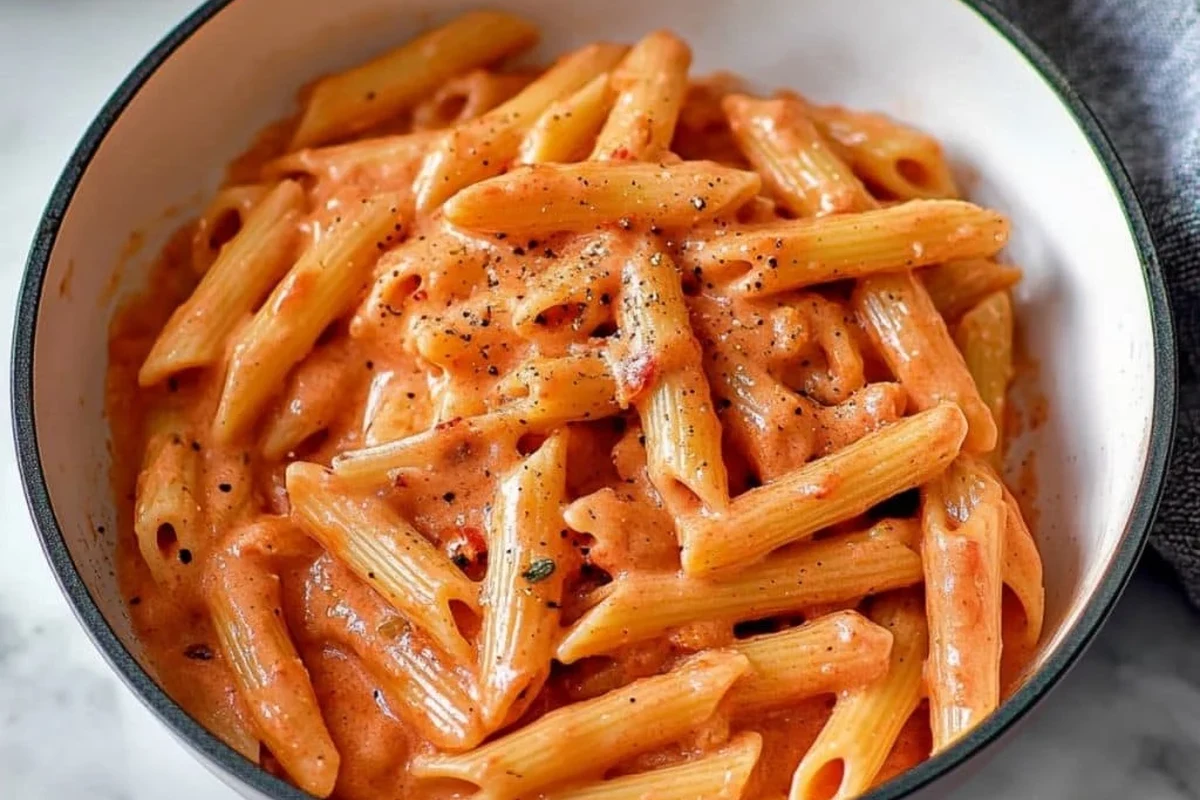
Pink sauce sits between marinara and Alfredo. You get the bright taste of tomato with the soft, creamy feel of dairy.
The color turns pink when tomato sauce blends with cream or milk. That mix also helps soften sharp tomato notes, so the sauce tastes round and balanced.
It works well because the tomato brings acid and depth. The cream adds fat, which smooths the sauce and helps it cling to pasta.
A little pasta water can help sauces cling better because it adds starch.
Ingredients You Need for a Fast 15 Minute Pink Sauce
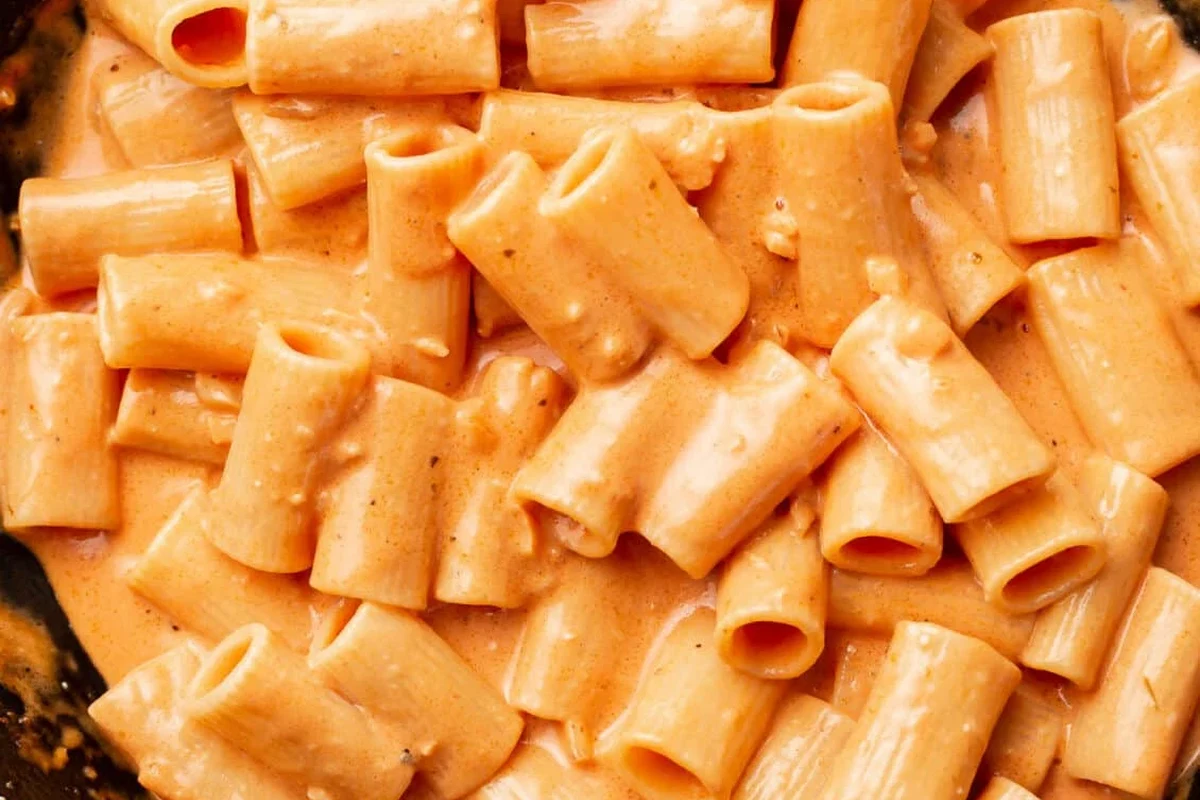
You do not need a long list. A few good basics can make a sauce that tastes fresh and satisfying.
Core pantry items
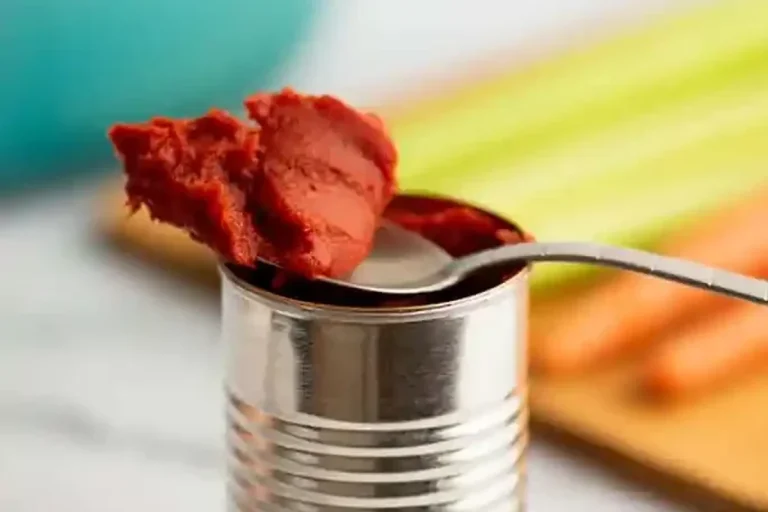
Start with tomato sauce, tomato paste, or crushed tomatoes. Any of them can work, but tomato sauce gives the fastest path.
You also need cream, half-and-half, or even milk in a pinch. Butter or olive oil helps the sauce feel richer and more silky.
Garlic, salt, and pepper do a lot of the flavor work. If you have dried basil or oregano, that helps too.
Fresh add ins that boost flavor
Fresh garlic makes the sauce taste brighter. A little onion, fresh basil, or parsley can also lift the flavor.
Parmesan adds salt and depth. Red pepper flakes add heat if you want a little kick.
Use what you have. Pink sauce is flexible, and small ingredient changes still work well.
How to Make Pink Sauce for Pasta Step by Step
The basic method is simple. Cook the pasta, build the sauce, then mix them together while the sauce is still warm.
Cook the pasta and save some pasta water
Bring a pot of salted water to a boil. Add the pasta and cook it until just tender.
Before draining, save about a cup of pasta water. That starchy water helps loosen the sauce and helps it coat the noodles.
Build the tomato cream sauce
Warm olive oil or butter in a pan over medium heat. Add garlic and cook it for a short time until it smells good.
Stir in your tomato sauce or crushed tomatoes. Let it simmer for a few minutes so the flavor deepens.
Lower the heat and add the cream slowly. Stir as you go so the sauce stays smooth.
Season with salt, pepper, and any herbs you like. If the tomato taste is too sharp, a small pinch of sugar can help, but use it lightly.
Keep the heat low when you add cream. High heat can make the sauce separate or scorch.
Combine, finish, and serve
Add the drained pasta to the pan and toss it in the sauce. If the sauce feels tight, splash in a little pasta water.
Let everything cook together for one minute. This helps the pasta soak up flavor and finish in the sauce.
Top with Parmesan, basil, or black pepper if you like. Serve right away while it’s hot and glossy.
Boil until just tender and save some pasta water.
Simmer tomato and garlic, then stir in cream on low heat.
Toss pasta with sauce and use pasta water if needed.
Best Pasta Shapes and Add Ins for Pink Sauce
Some pasta shapes hold pink sauce better than others. Short shapes catch the sauce in ridges and curves, while long shapes give a smoother bite.
Which pasta shapes hold the sauce best
Rigatoni, penne, fusilli, and shells all work very well. Their shape gives the sauce places to cling.
Fettuccine and spaghetti also work if you want a softer, silkier feel. They just carry less sauce in each bite.
Use ridged short pasta like penne or rigatoni.
Use spaghetti or fettuccine.
Protein and vegetable ideas
Pink sauce pairs well with grilled chicken, shrimp, or Italian sausage. You can also add spinach, peas, mushrooms, or roasted broccoli.
If you want a meatless meal, white beans or sautéed mushrooms add body. They make the dish feel more filling without much extra work.
Common Mistakes When Making Pink Sauce
Most problems come from heat, timing, or too much liquid. The good news is that all of them are easy to fix.
How to avoid a grainy or split sauce
Do not boil the cream after you add it. Keep the sauce at a gentle simmer instead.
Stir often and add dairy slowly. If you rush, the sauce can look broken or grainy.
The sauce looks curdled or oily.
Lower the heat and whisk in a spoonful of pasta water.
How to fix sauce that is too thick or too thin
If the sauce is too thick, add pasta water a little at a time. You can also add a splash of milk or cream.
If the sauce is too thin, let it simmer for another minute or two. A little Parmesan can also help thicken it.
Flavor Tips, Swaps, and Budget Friendly Options
Pink sauce is easy to adjust. That makes it a smart weeknight meal, especially when your pantry is a little random.
How to make it richer, lighter, or spicier
For a richer sauce, use heavy cream and finish with butter and Parmesan. That gives you a deeper, more luxurious taste.
For a lighter sauce, use milk or half-and-half. You still get creaminess, but the dish feels less heavy.
For heat, add red pepper flakes or a little hot sauce. Start small, then taste and adjust.
- Add cream off the heat for a smoother sauce.
- Use pasta water to help the sauce cling.
- Taste before adding more salt, since Parmesan adds salt too.
Easy swaps for dairy free or pantry only cooking
For a dairy free version, use unsweetened oat cream, coconut cream, or a plant-based cooking cream. The flavor will change a bit, but the method stays the same.
If you only have pantry items, use tomato sauce, olive oil, garlic, and a splash of pasta water. It will be less creamy, but still tasty.
Serving, Storing, and Reheating Pink Sauce Pasta
This pasta tastes best right after mixing. Still, leftovers can work well if you store them the right way.
Best ways to serve it fresh
Serve pink sauce pasta in warm bowls if you can. That helps the sauce stay smooth longer.
Finish with basil, parsley, or extra Parmesan. A simple side salad or garlic bread makes the meal feel complete.
How to store leftovers and reheat them well
Cool leftovers quickly, then store them in a sealed container in the fridge. Eat them within a few days for the best taste and texture.
When reheating, add a small splash of water, milk, or cream. Warm it slowly on the stove or in the microwave, and stir often.
Reheat leftovers until they are steaming hot. If the food smells off or sat too long, throw it out.
Final Verdict: Is Pink Sauce for Pasta Worth Making at Home?
Yes, it’s absolutely worth making at home. Pink sauce is fast, flexible, and easy to adjust to your taste.
If you want a quick dinner with a creamy tomato flavor, this is a strong choice. It’s especially good when you need a meal that feels a little special without extra effort.
Pink sauce for pasta is one of the easiest weeknight sauces to master. Make it when you want a quick, cozy meal, and use pasta water plus low heat for the best texture.
Frequently Asked Questions
Yes, you can use milk, but the sauce will be lighter and less rich. Keep the heat low so it stays smooth.
Add the cream on low heat and avoid boiling the sauce. Stir often and use a little pasta water if it looks too tight.
Penne, rigatoni, fusilli, and shells hold the sauce very well. Spaghetti and fettuccine also work if you want a smoother bite.
Yes, grilled chicken, shrimp, sausage, spinach, mushrooms, and peas all work well. Add them near the end so they stay tender and warm.
Store leftovers in a sealed container in the fridge and eat them within a few days. Reheat slowly with a splash of water, milk, or cream.
Yes, use an unsweetened plant-based cream or cooking cream. The taste will change a little, but the method stays the same.